
Explore the Map
Angkor
13.4125° N, 103.8667° E
About
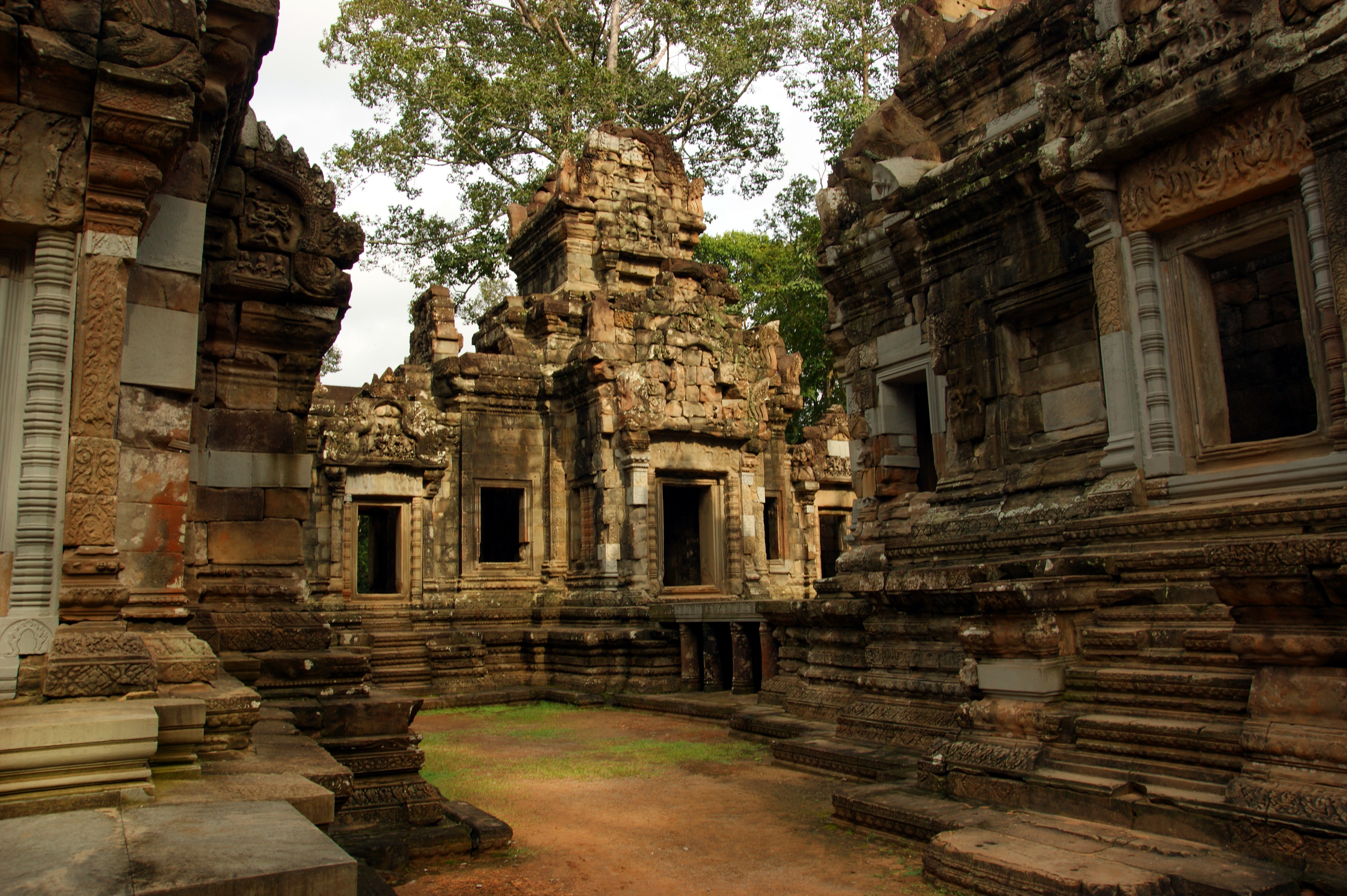
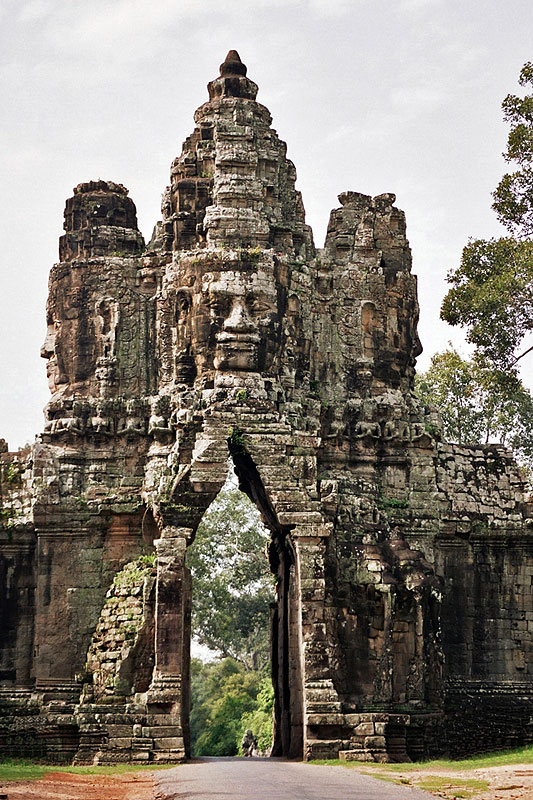
Angkor was the capital city of the Khmer Empire, flourishing from the 9th to the 15th centuries in present-day Cambodia. It is renowned for its extensive temple complexes, including Angkor Wat, the world's largest religious monument. The city was a center for Hinduism and later Buddhism, witnessing a peak in architectural achievement during the reign of Jayavarman VII. Angkor features intricate water management systems, such as reservoirs and canals, which supported its large population and agricultural demands. Despite its decline and eventual sacking in the 15th century, Angkor remains a symbol of Khmer architectural and cultural prowess, protected today as a UNESCO World Heritage Site.
Gallery
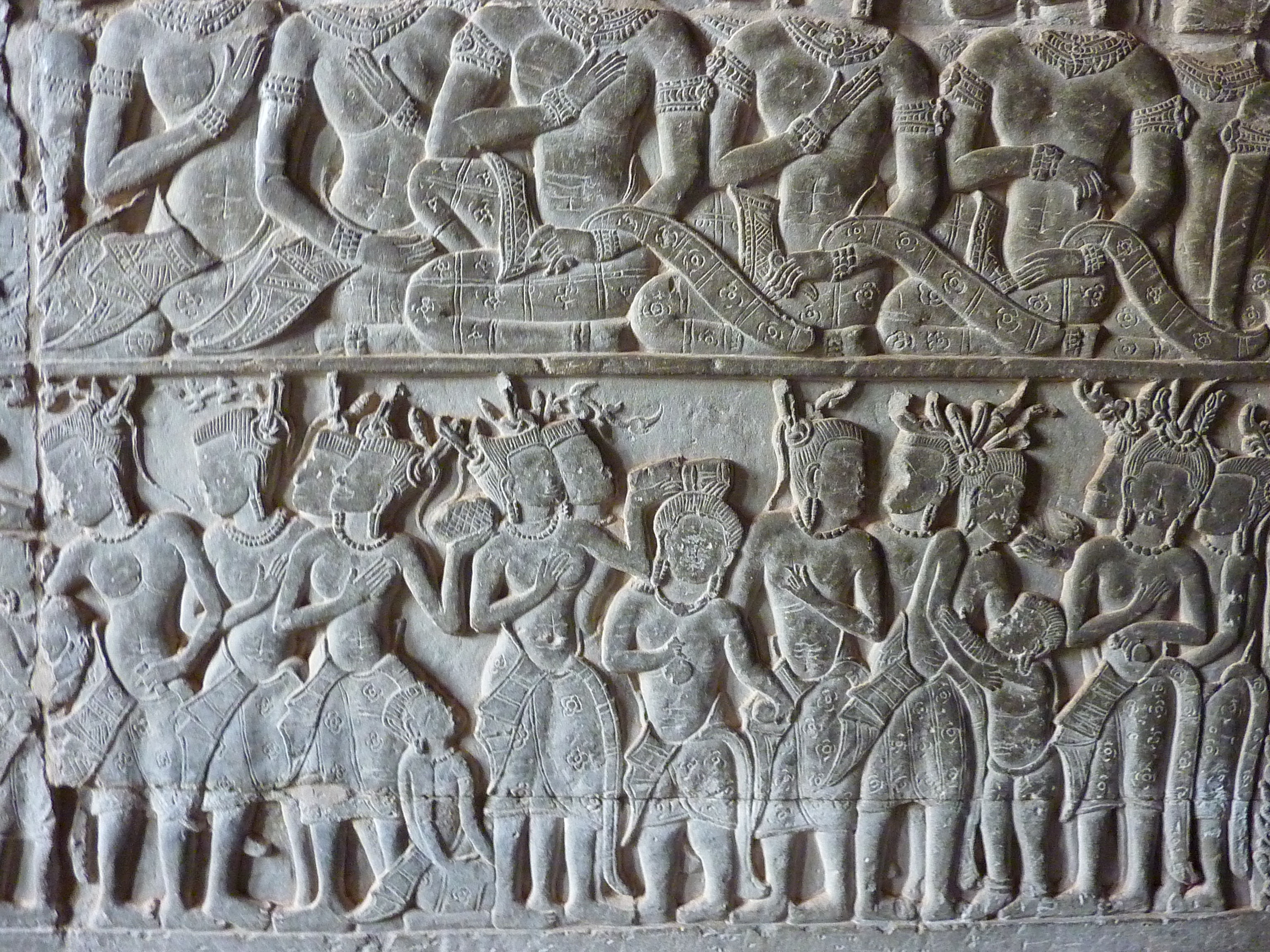
Explore photographs of ancient structures, artifacts, and archaeological excavations
Historical Timeline
Journey through time and discover key events in this site's history
Jayavarman II's Declaration
802 CE
Yasovarman's Reign
889 CE
Construction of Angkor Wat
1113-1150 CE
Jayavarman VII's Reign
1181 CE
Zhou Daguan's Visit
1296 CE
Sack of Angkor
1431 CE
Archaeological Features
Unique architectural and cultural elements found at this historical site
Defensive Structures
Water Management Features
Religious and Ritual Structures
Artistic and Decorative Features
Domestic and Habitation Structures
Transportation and Communication Structures
Frequently Asked Questions
Plan Your Visit
Tours, travel arrangements, and practical information
More Sites in Cambodia
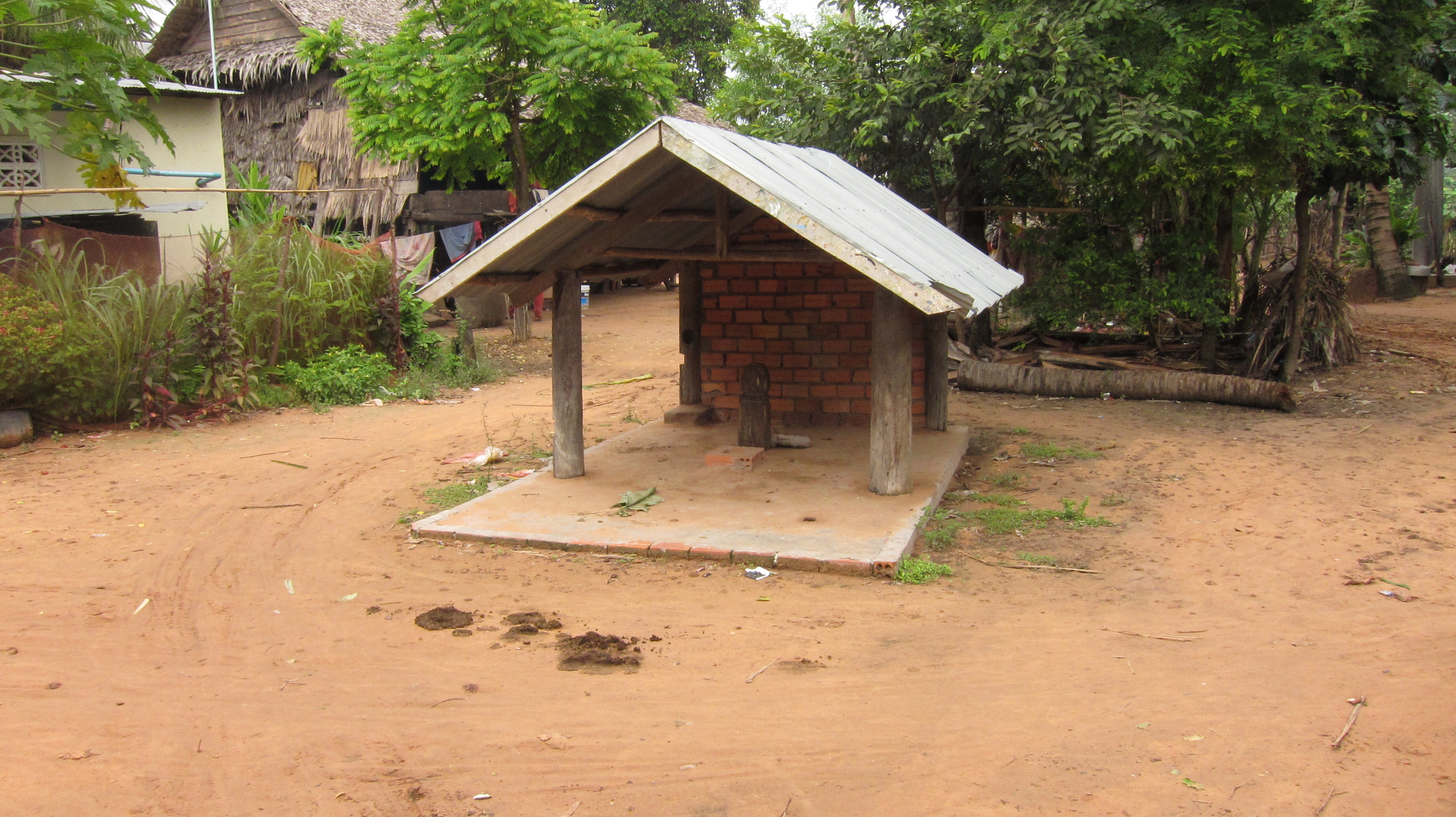
Lovea
Circular moated mound in Siem Reap, Cambodia
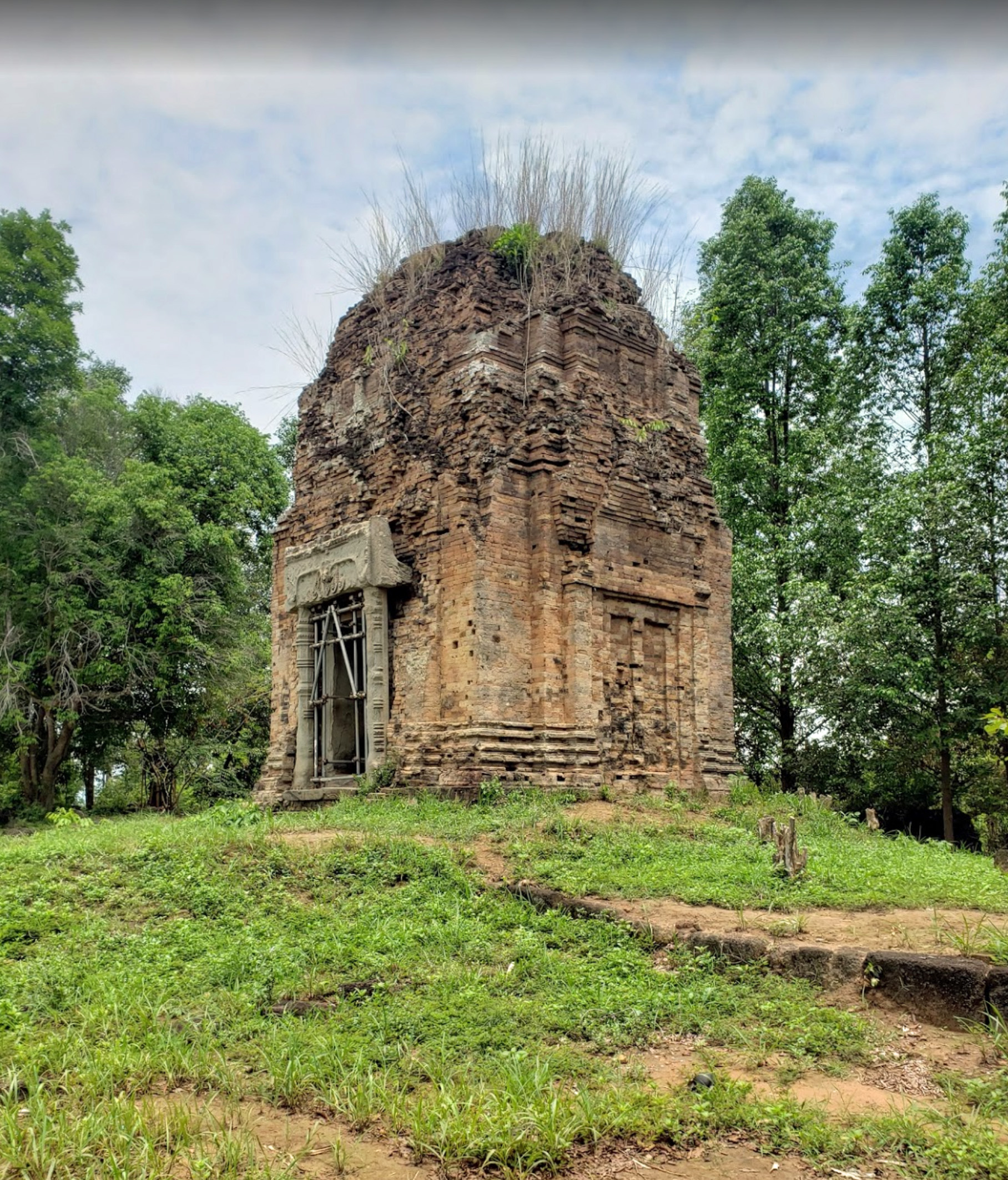
Cheung Ang temple
Brick-built Khmer Empire temple in Cambodia
Mahendraparvata
Ancient Khmer city with temples and roads
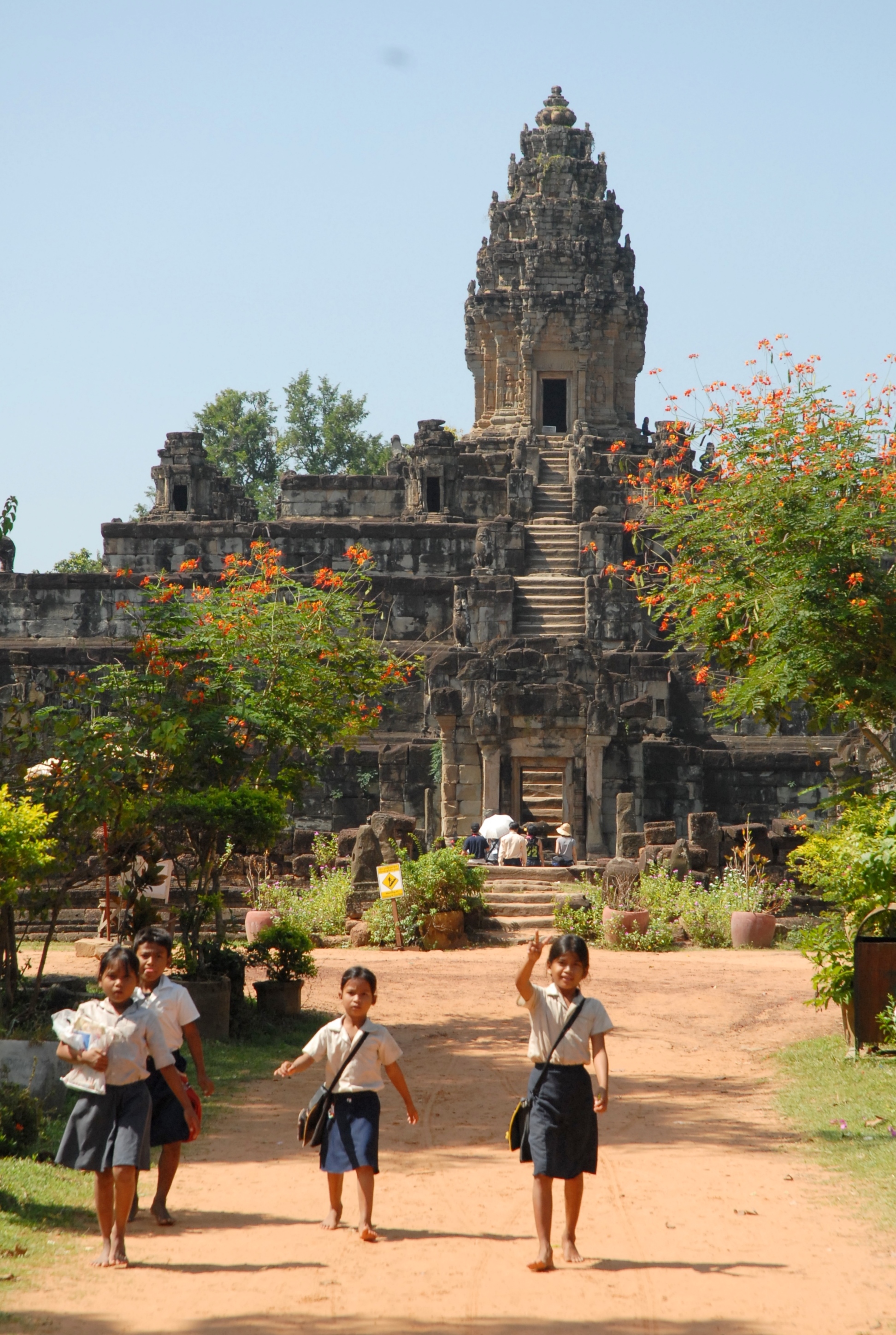
Hariharalaya
Ruins of ancient Khmer capital city
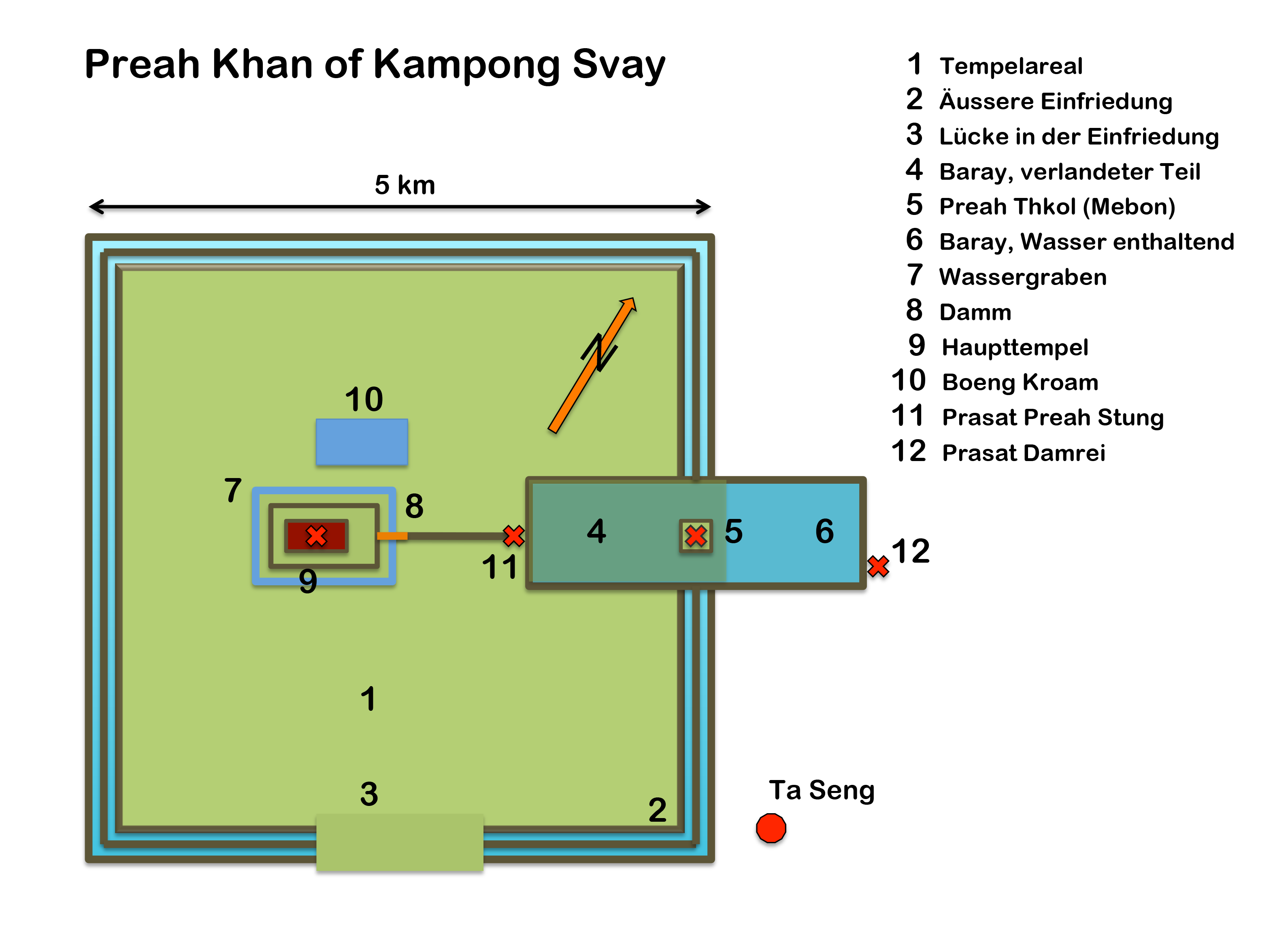
Preah Khan Kompong Svay
Largest Angkorian religious complex with unique features.
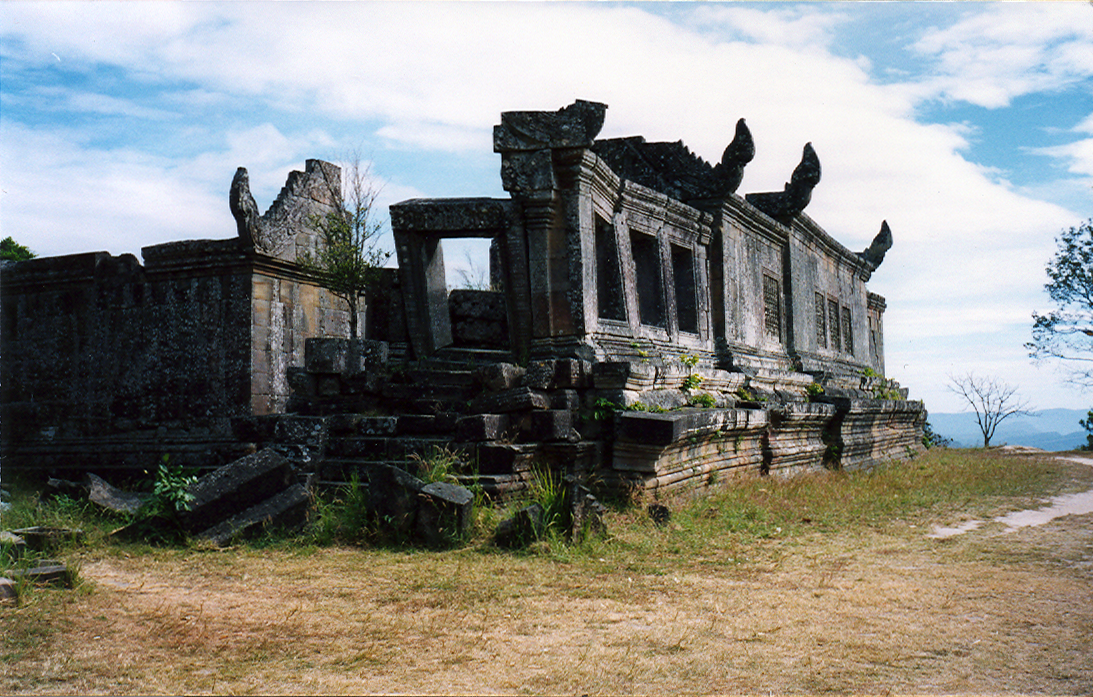
Preah Vihear Temple
Khmer Hindu temple on mountaintop cliff