Explore the Map
Cheung Ang temple
11.8806° N, 105.8066° E
About
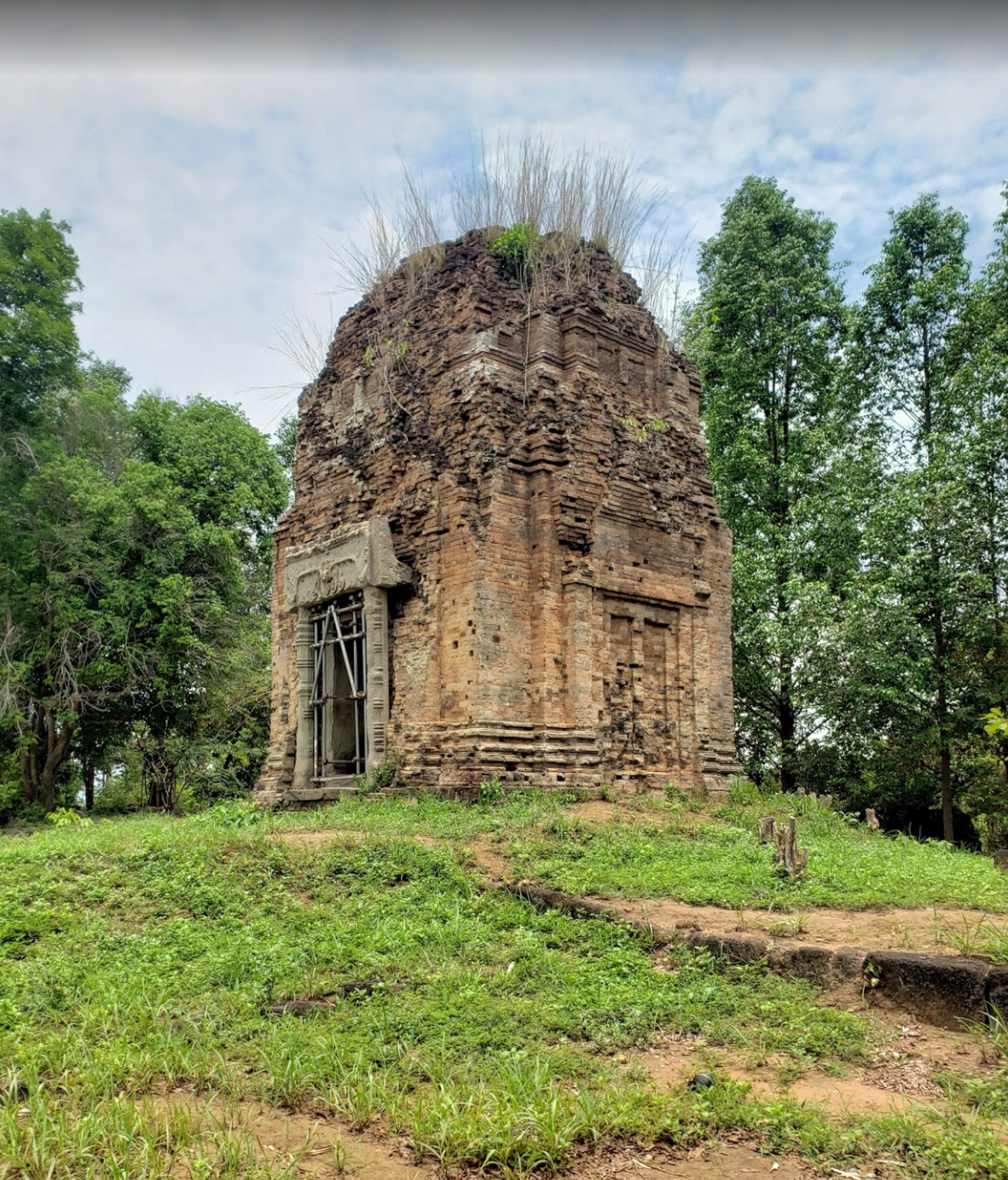
Prasat Cheung Ang, a brick-built temple from the Khmer Empire era, is located in Kampong Cham Province, Cambodia. Positioned centrally within a square moat, the temple follows the architectural norms of mature Khmer temples, reflecting the religious and ceremonial significance of the period. Constructed in 932 CE, the temple was originally dedicated to the Hindu god Shiva, as evidenced by inscriptions labeled K.99 on the inner door jambs. These inscriptions, written in Sanskrit and Old Khmer, document a royal decree from King Jayavarman IV, enhancing the temple's historical significance. Although initially dedicated to Shiva, the temple now accommodates a Buddha image, indicating its adaptive reuse over time. The temple's intricate carvings and inscriptions provide valuable insights into the Khmer Empire's religious practices and socio-political dynamics.
Gallery
Explore photographs of ancient structures, artifacts, and archaeological excavations
Historical Timeline
Journey through time and discover key events in this site's history
Modification for Buddha Image
Unknown
Construction and Dedication
932 CE
Archaeological Features
Unique architectural and cultural elements found at this historical site
Defensive Structures
Religious and Ritual Structures
Artistic and Decorative Features
Frequently Asked Questions
Plan Your Visit
Tours, travel arrangements, and practical information
More Sites in Cambodia
Angkor
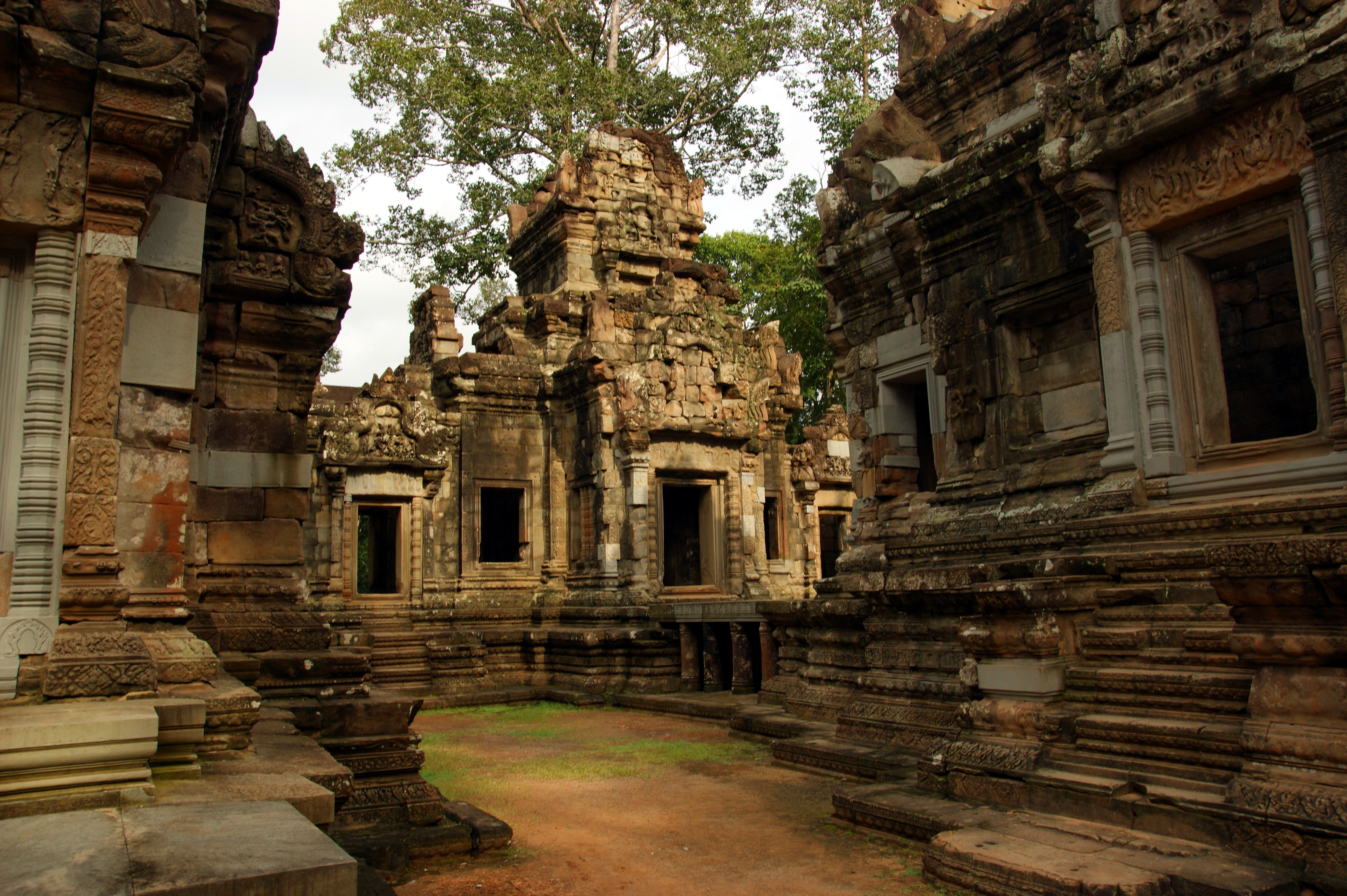
Ancient Khmer capital with extensive temples
Mahendraparvata
Ancient Khmer city with temples and roads
Preah Khan Kompong Svay
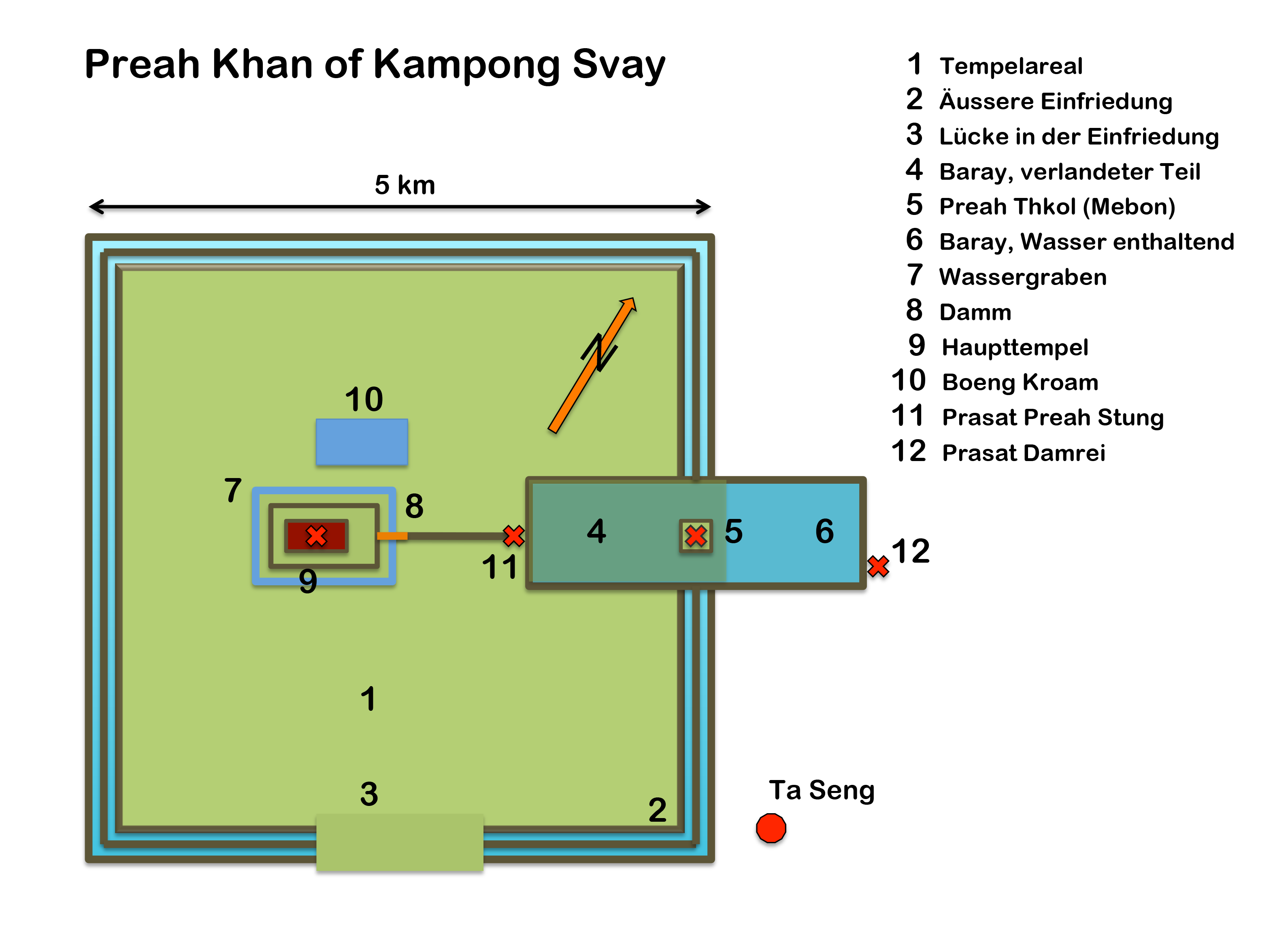
Largest Angkorian religious complex with unique features.
Hariharalaya
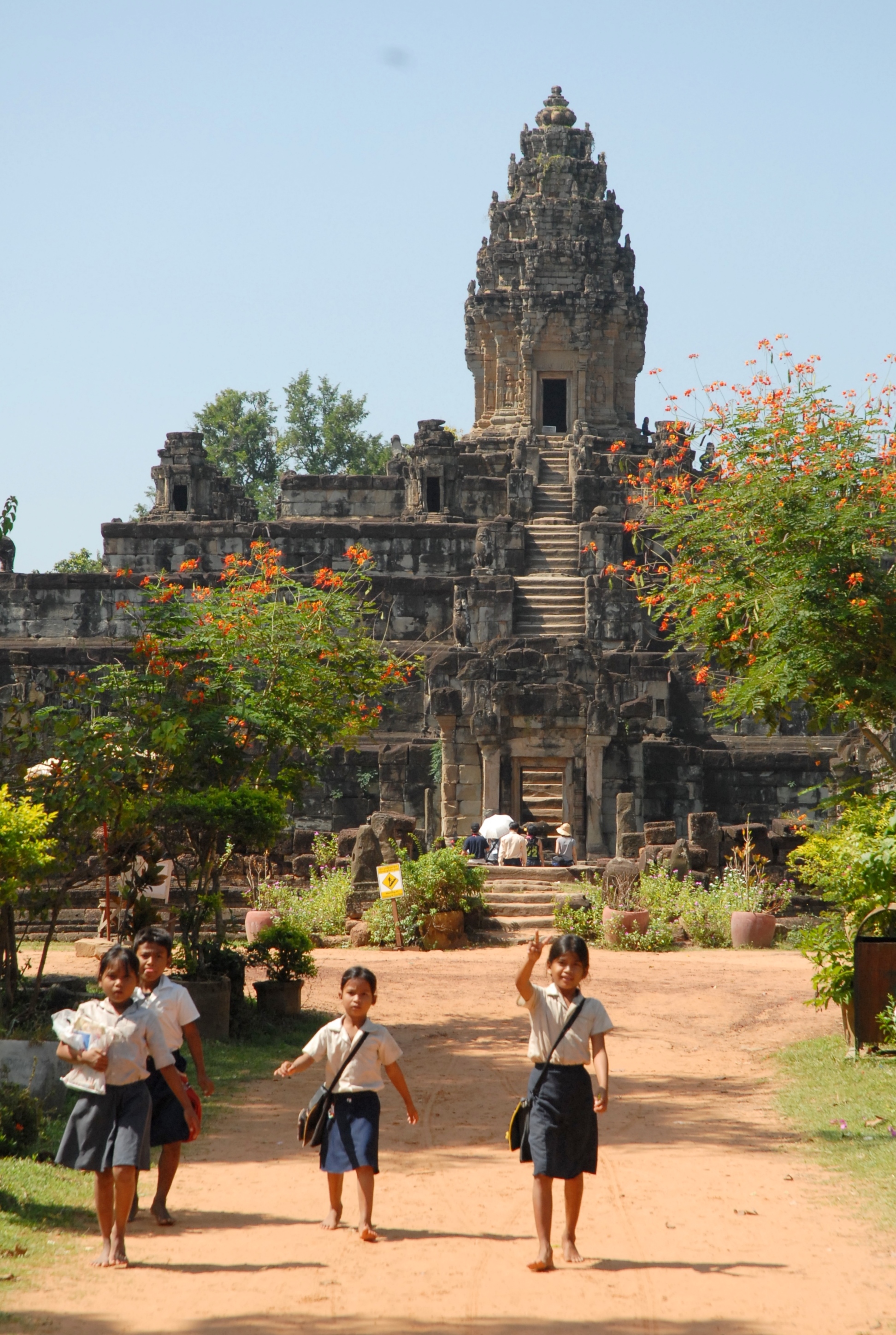
Ruins of ancient Khmer capital city
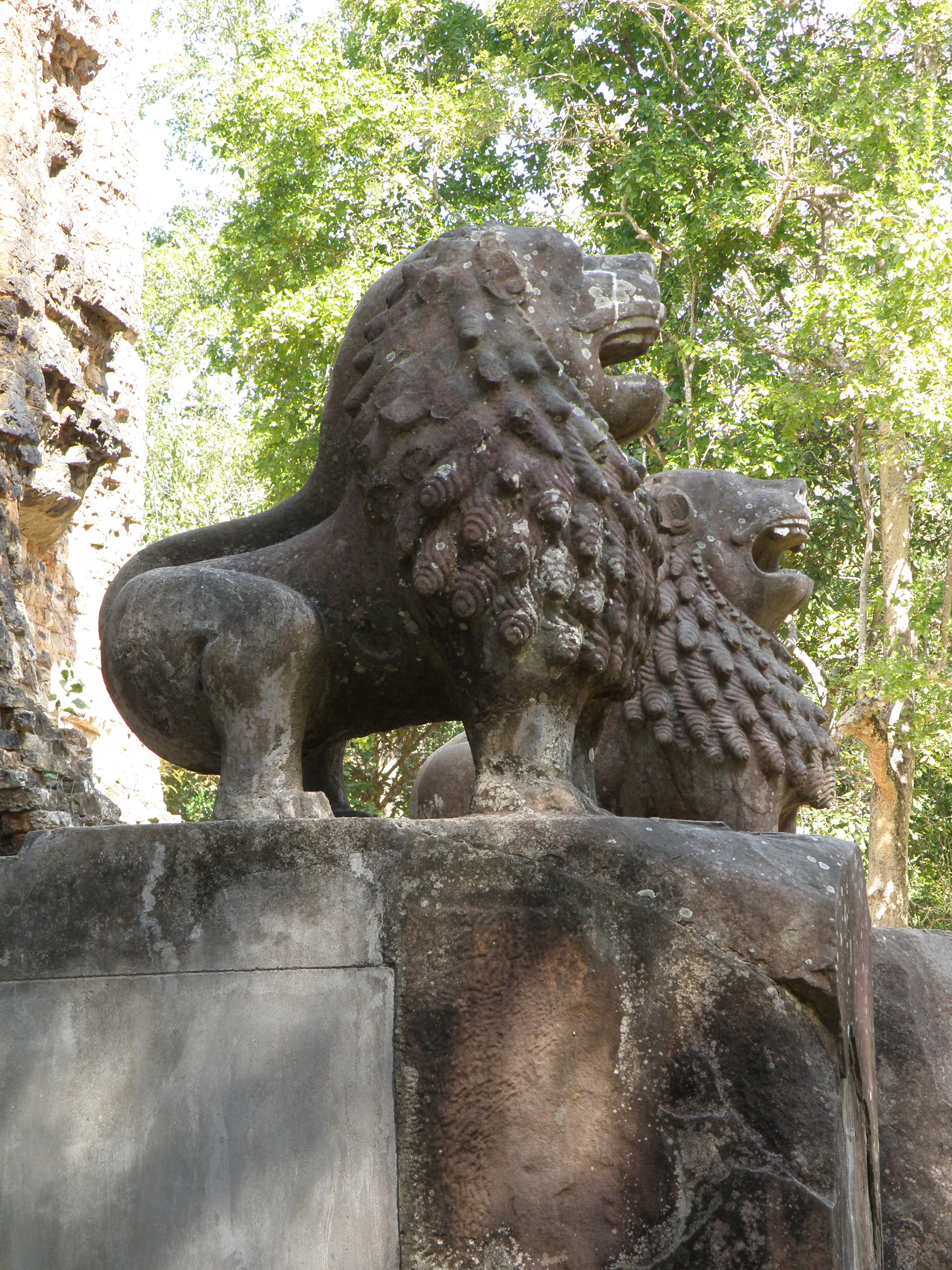
Sambor Prei Kuk
Pre-Angkorian temple complex in Cambodia
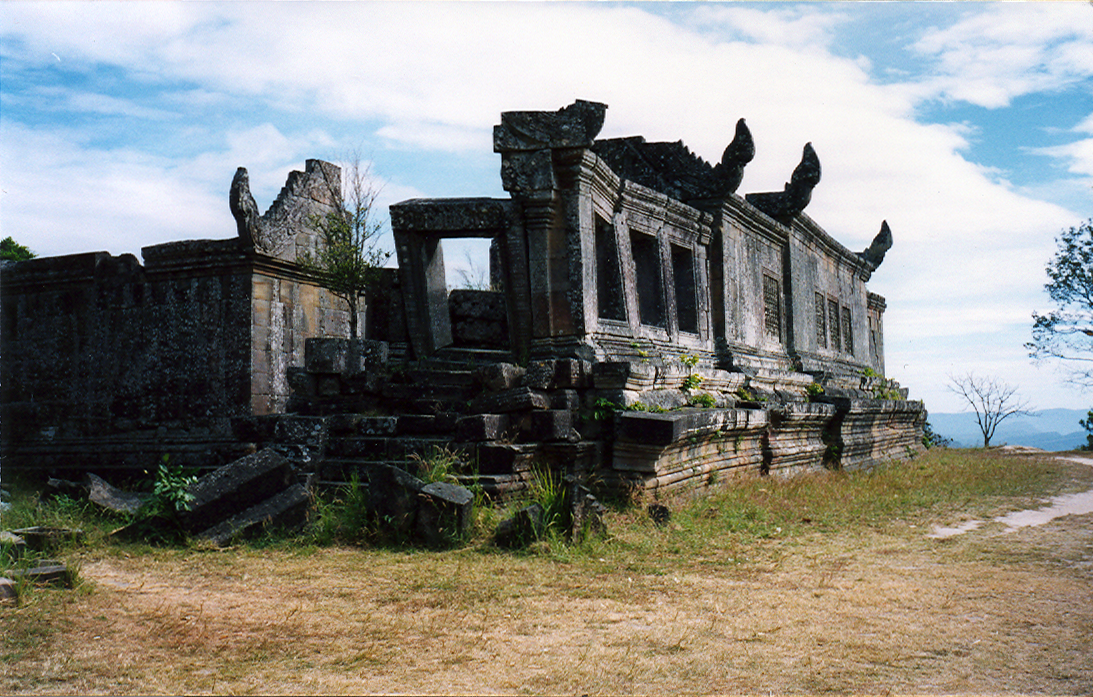
Preah Vihear Temple
Khmer Hindu temple on mountaintop cliff