Explore the Map
Hariharalaya
13.3333° N, 103.9667° E
About
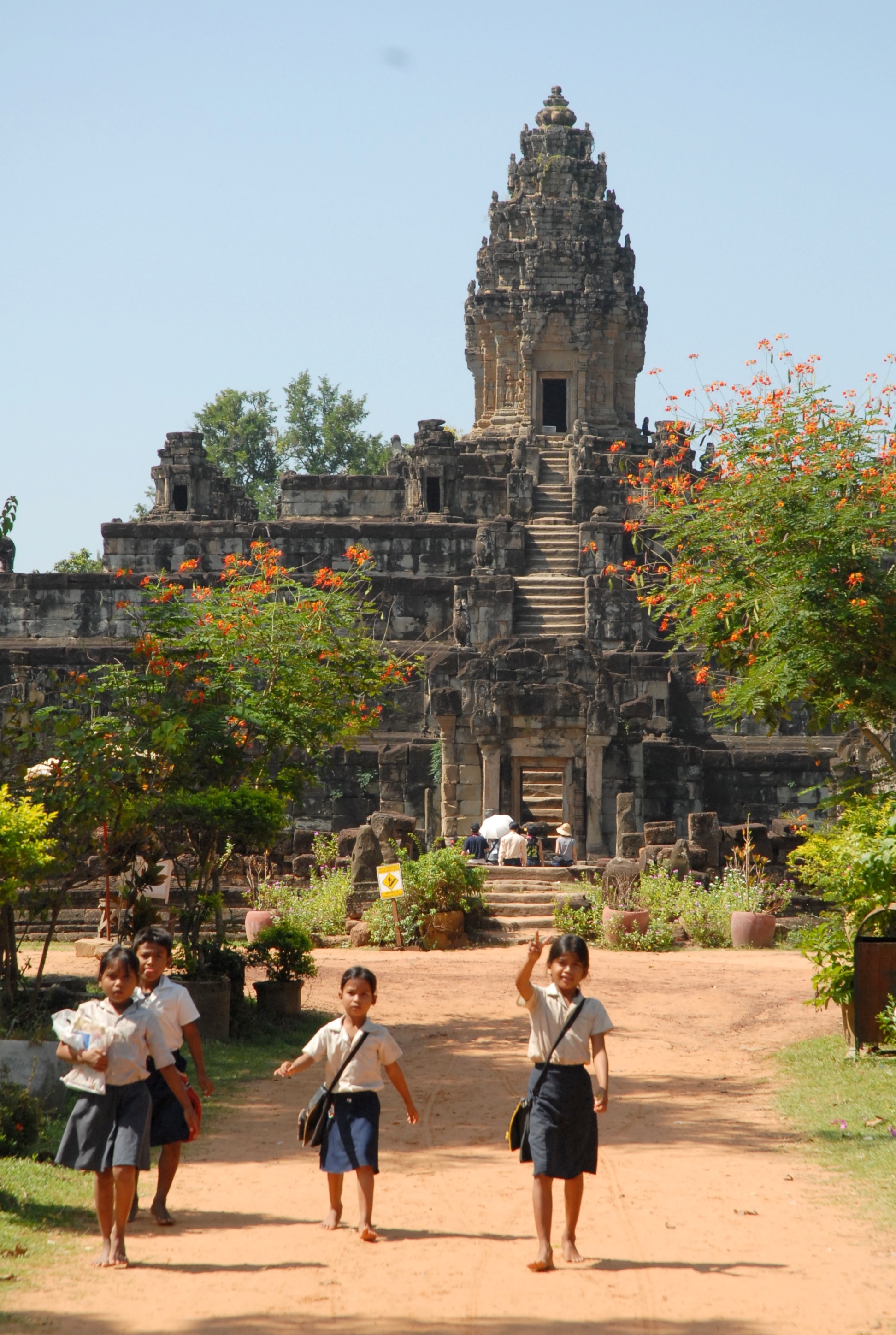
Hariharalaya was an ancient city that served as a significant capital of the Khmer Empire, situated near modern-day Siem Reap, Cambodia. The site is marked by the remains of several important temples, including Preah Ko, Bakong, and Lolei, which are key examples of early Khmer temple architecture. The city's name is derived from the Hindu god Harihara, reflecting the syncretic religious culture of the time. Established as a capital by King Jayavarman II in the late 8th century CE, the city saw several significant developments under his successors, such as Indravarman I and Yasovarman I, who contributed to its architectural and religious heritage. Hariharalaya's significance lies in its role as a political, religious, and cultural hub during the early phase of the Khmer Empire's expansion, laying the foundation for the later developments at Angkor.
Gallery
Explore photographs of ancient structures, artifacts, and archaeological excavations
Historical Timeline
Journey through time and discover key events in this site's history
Jayavarman II establishes capital
late 8th century CE
Jayavarman II dies
835 CE
Preah Ko temple dedicated
880 CE
Indravarman I consecrates Sri Indreshvara
881 CE
Yasovarman I constructs Lolei
889 CE
Archaeological Features
Unique architectural and cultural elements found at this historical site
Water Management Features
Religious and Ritual Structures
Domestic and Habitation Structures
Environmental and Natural Features
Frequently Asked Questions
Plan Your Visit
Tours, travel arrangements, and practical information
More Sites in Cambodia
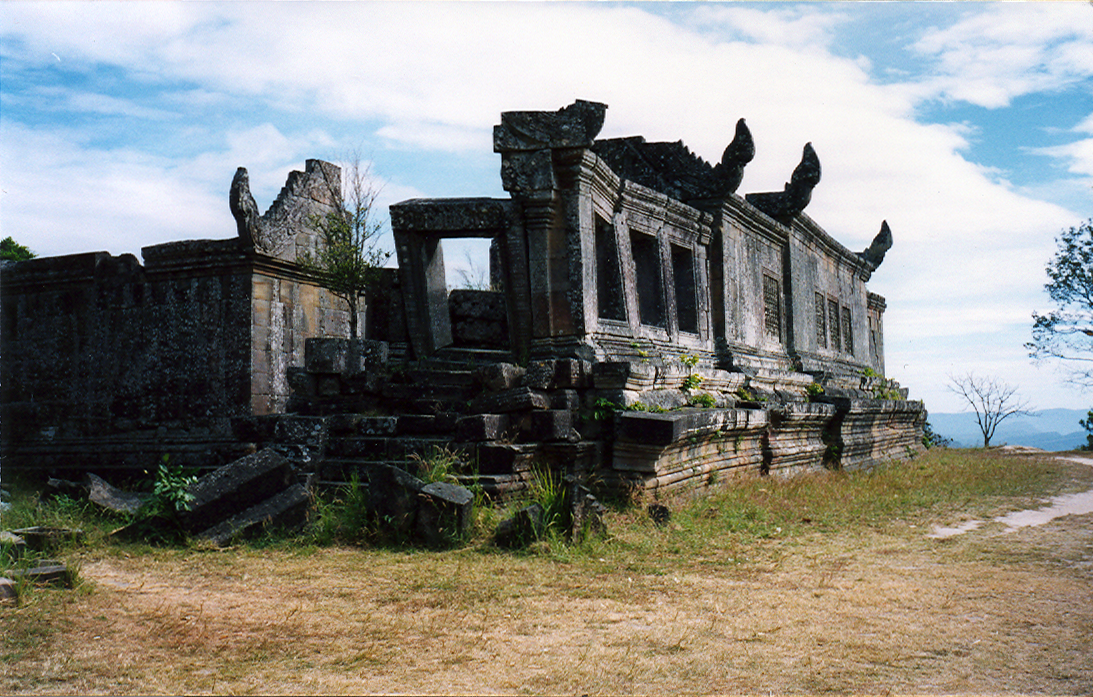
Preah Vihear Temple
Khmer Hindu temple on mountaintop cliff
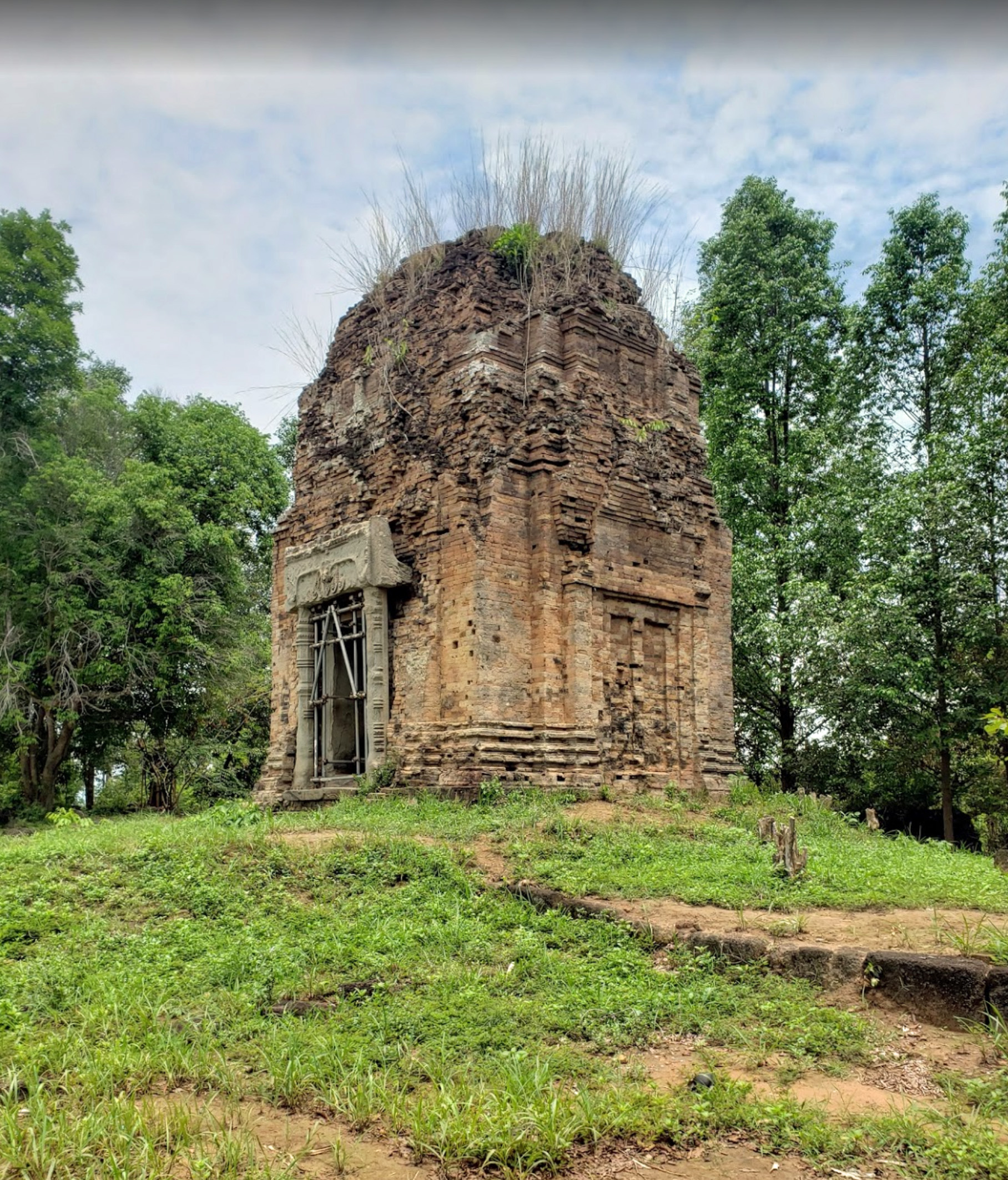
Cheung Ang temple
Brick-built Khmer Empire temple in Cambodia
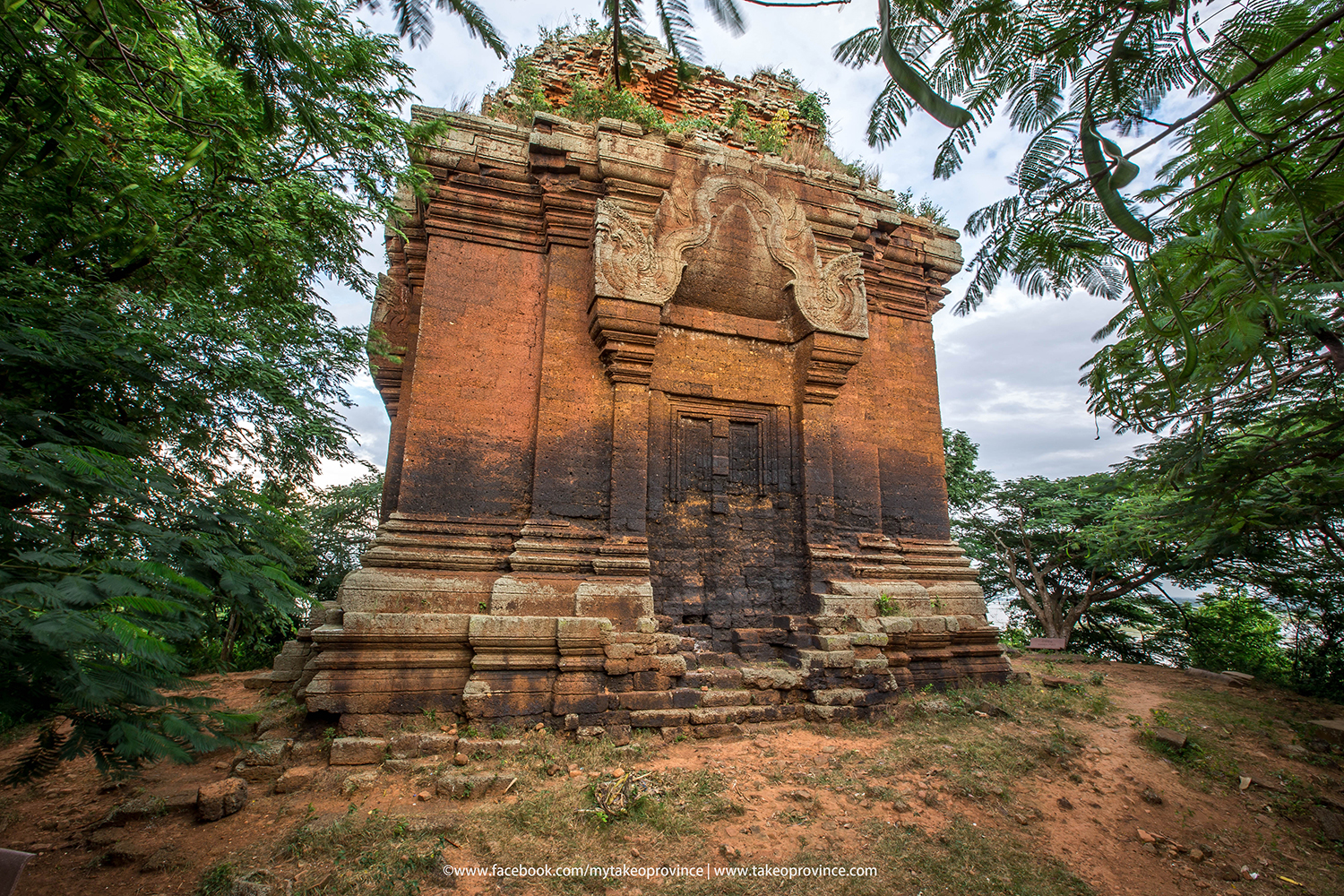
Angkor Borei and Phnom Da
Ancient Funan archaeological sites in Cambodia.
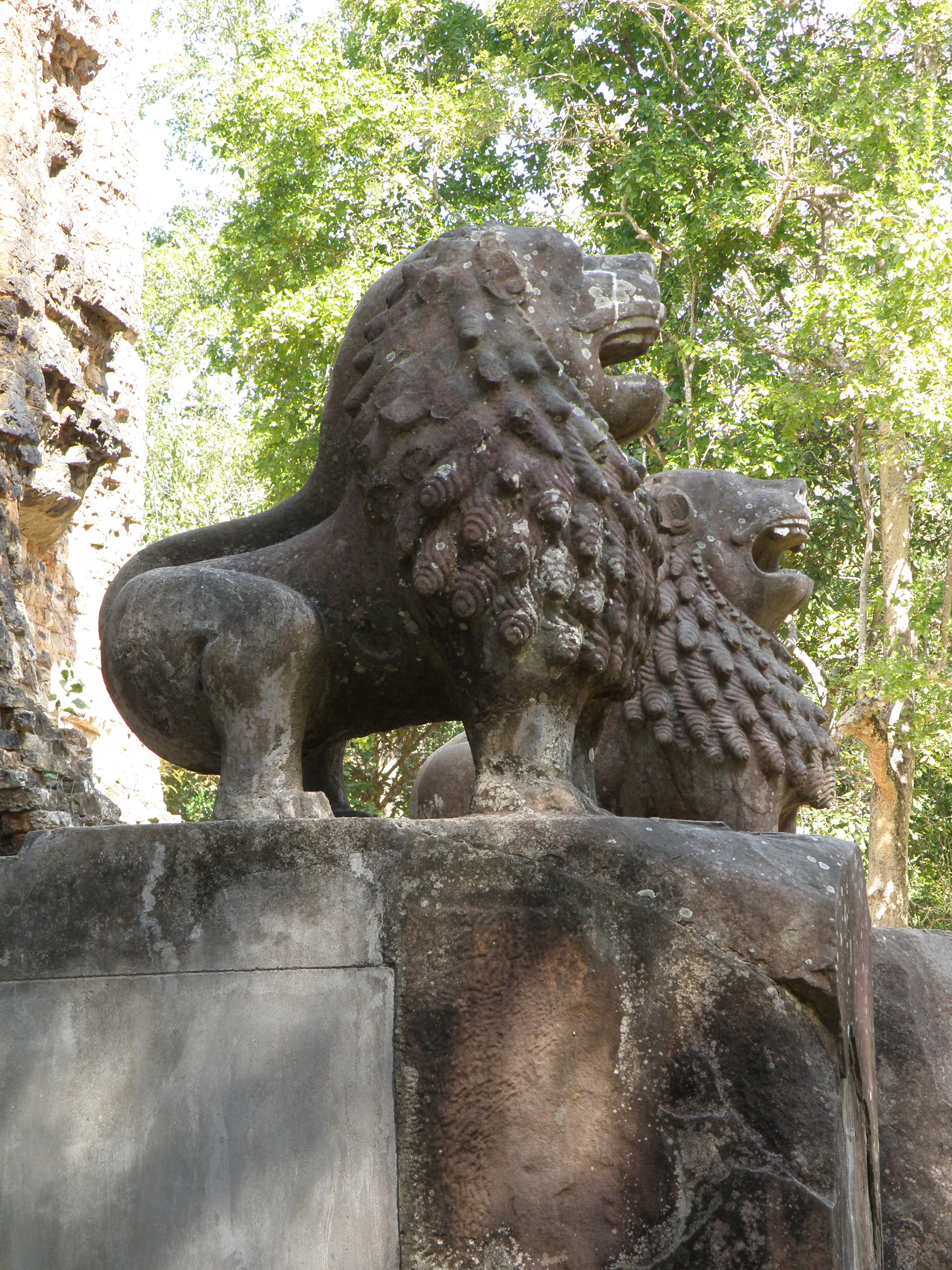
Sambor Prei Kuk
Pre-Angkorian temple complex in Cambodia
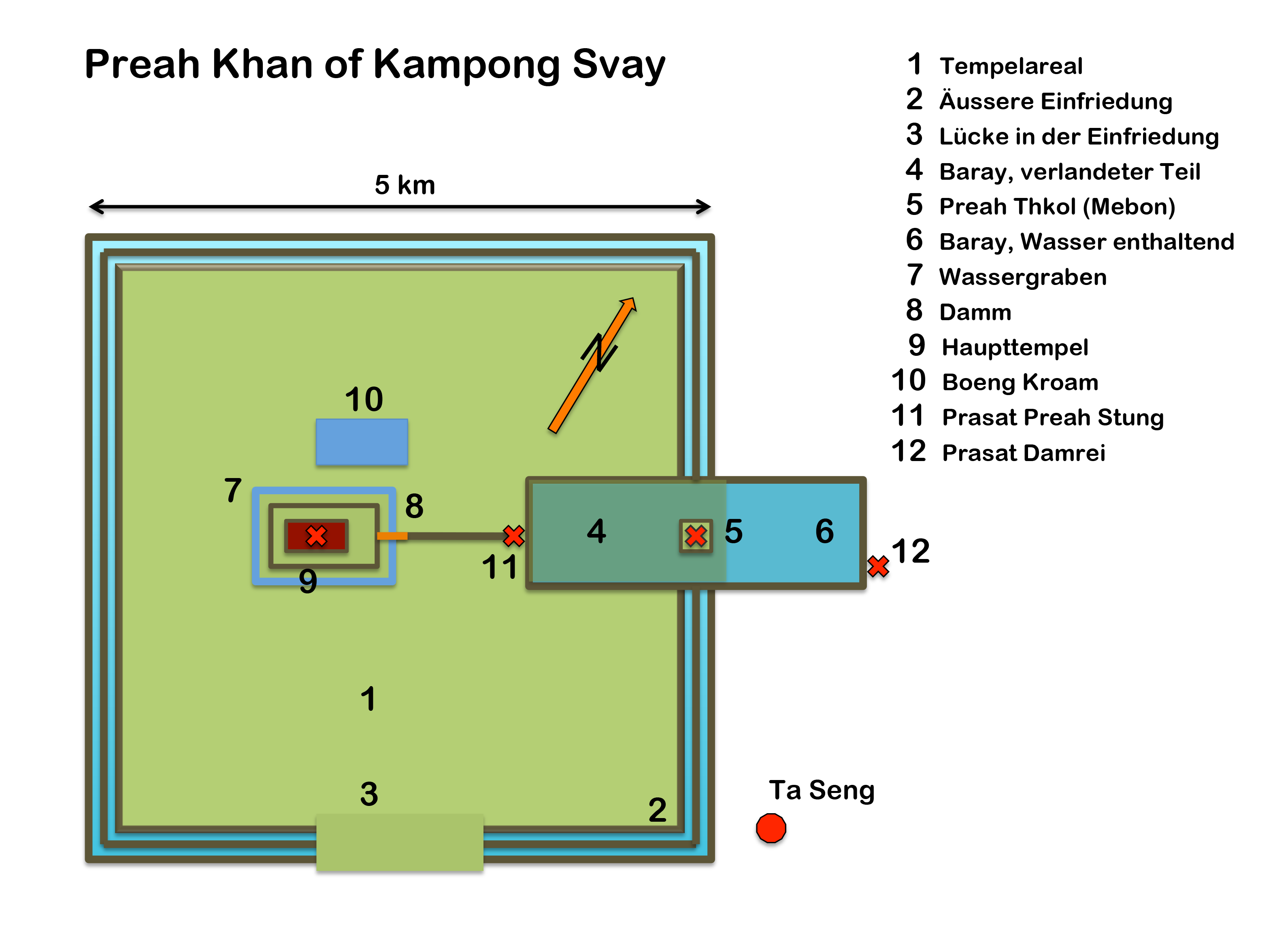
Preah Khan Kompong Svay
Largest Angkorian religious complex with unique features.
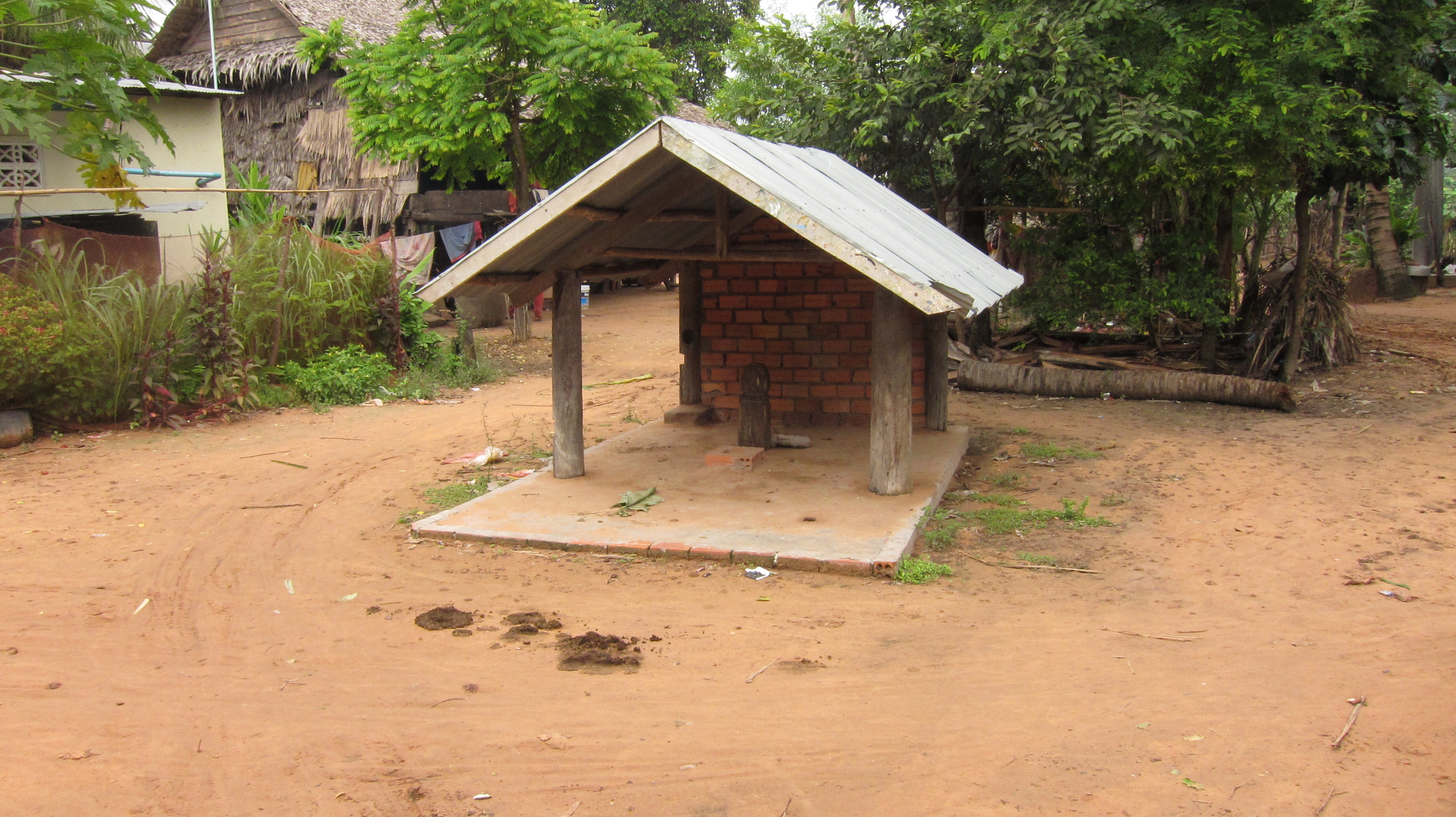
Lovea
Circular moated mound in Siem Reap, Cambodia