Explore the Map
Oudong
11.8239° N, 104.7425° E
About
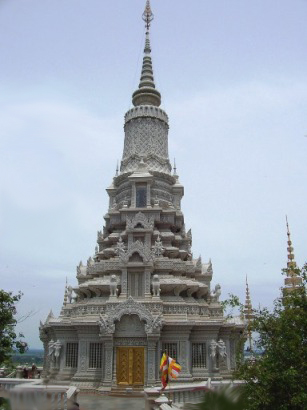
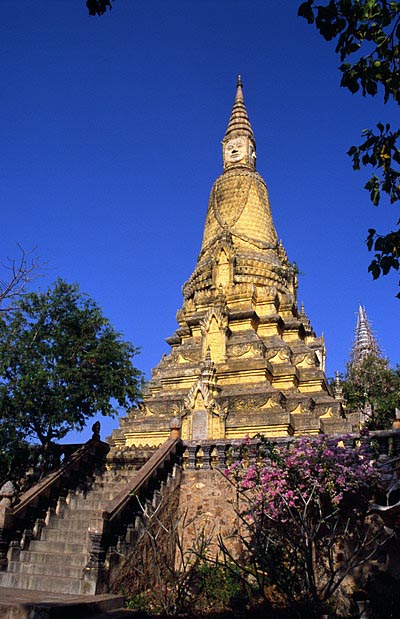
Oudong, located in present-day Cambodia, was a significant post-Angkorian capital from 1618 to 1866. This site, nestled at the base of Phnom Oudong mountain, served as the royal residence and housed a monumental necropolis atop its bisected peak. The name, derived from the Sanskrit 'uttuṅga,' reflecting the site's towering prominence, underscores its historical and religious significance. Founded by King Srei Soryapor in 1601, Oudong flourished under King Ang Duong with infrastructural advancements, including canals and pagodas. The city remained the heart of Cambodian sovereignty until King Norodom moved the capital to Phnom Penh in 1866. Sadly, Oudong faced devastation during the Cambodian Civil War, particularly under the Khmer Rouge in the 1970s. Despite this, Oudong's archaeological remnants offer a profound glimpse into Cambodia's royal and cultural history, meriting its inclusion on UNESCO's tentative list for World Heritage status.
Gallery
Explore photographs of ancient structures, artifacts, and archaeological excavations
Historical Timeline
Journey through time and discover key events in this site's history
Founding of Oudong
1601 CE
Oudong Capital Period
1618 CE to 1866 CE
Khmer Rouge Capture
March 1974 CE
Khmer Rouge Destruction
1977 CE
Archaeological Features
Unique architectural and cultural elements found at this historical site
Military Installations
Water Management Features
Burial and Funerary Structures
Religious and Ritual Structures
Agricultural and Land Use Features
Domestic and Habitation Structures
Transportation and Communication Structures
Frequently Asked Questions
Plan Your Visit
Tours, travel arrangements, and practical information
More Sites in Cambodia
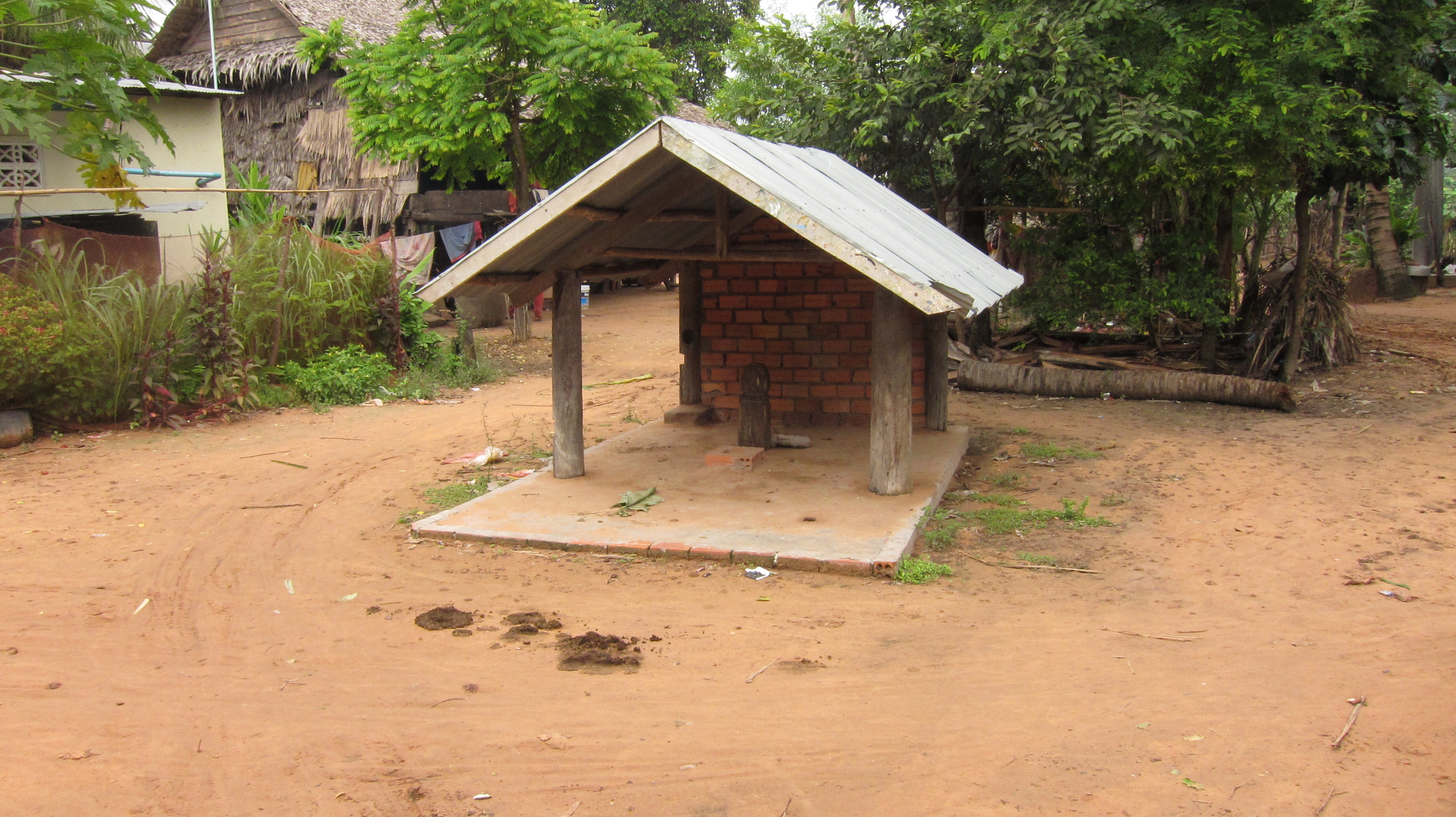
Lovea
Circular moated mound in Siem Reap, Cambodia
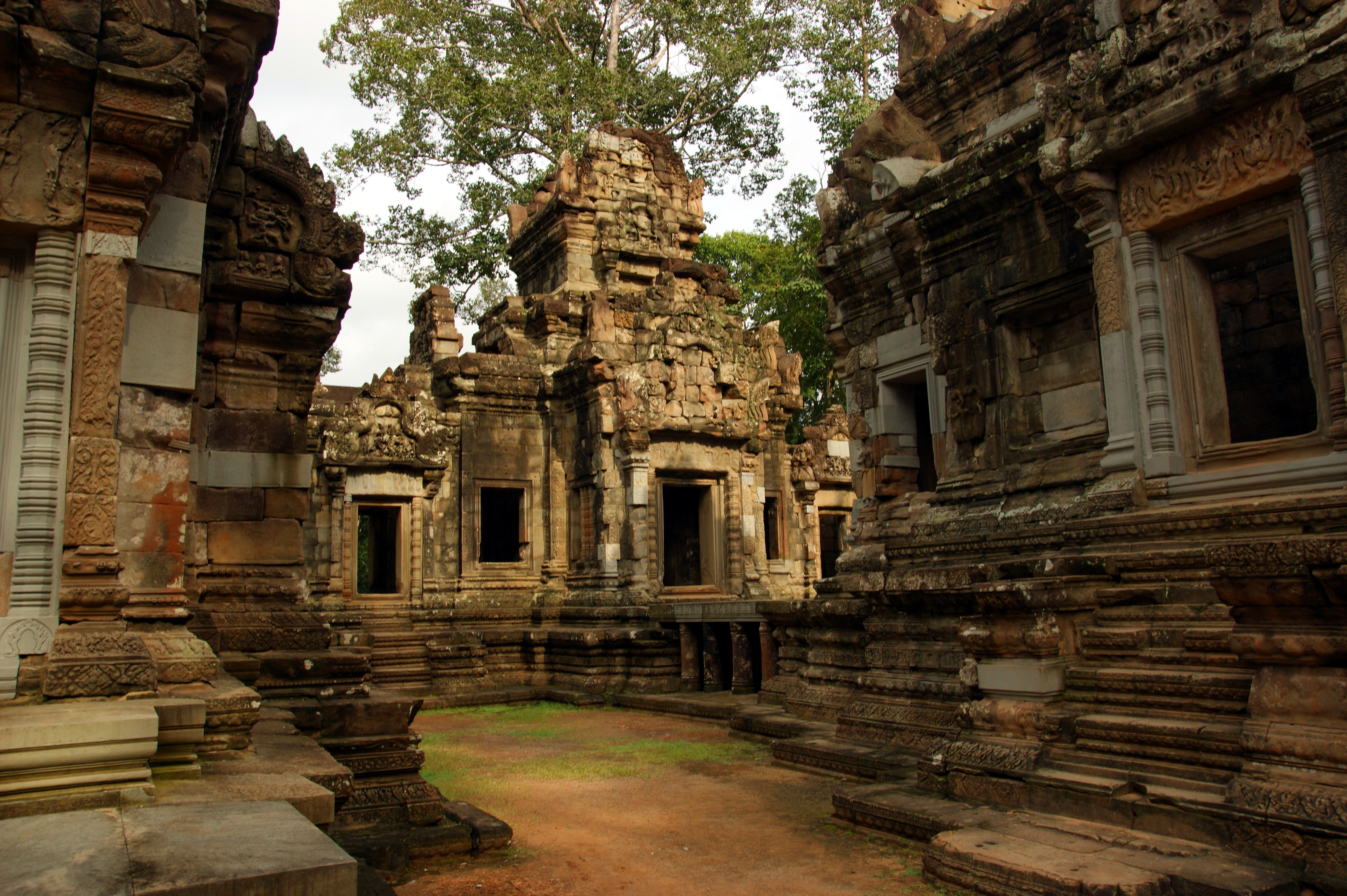
Angkor
Ancient Khmer capital with extensive temples
Koh Ker: Archaeological Site of Ancient Lingapura or Chok Gargyar
The archaeological site of Koh Ker is a sacred urban ensemble of numerous temples and sanctuaries including sculptures, inscriptions, wall paintings, and…
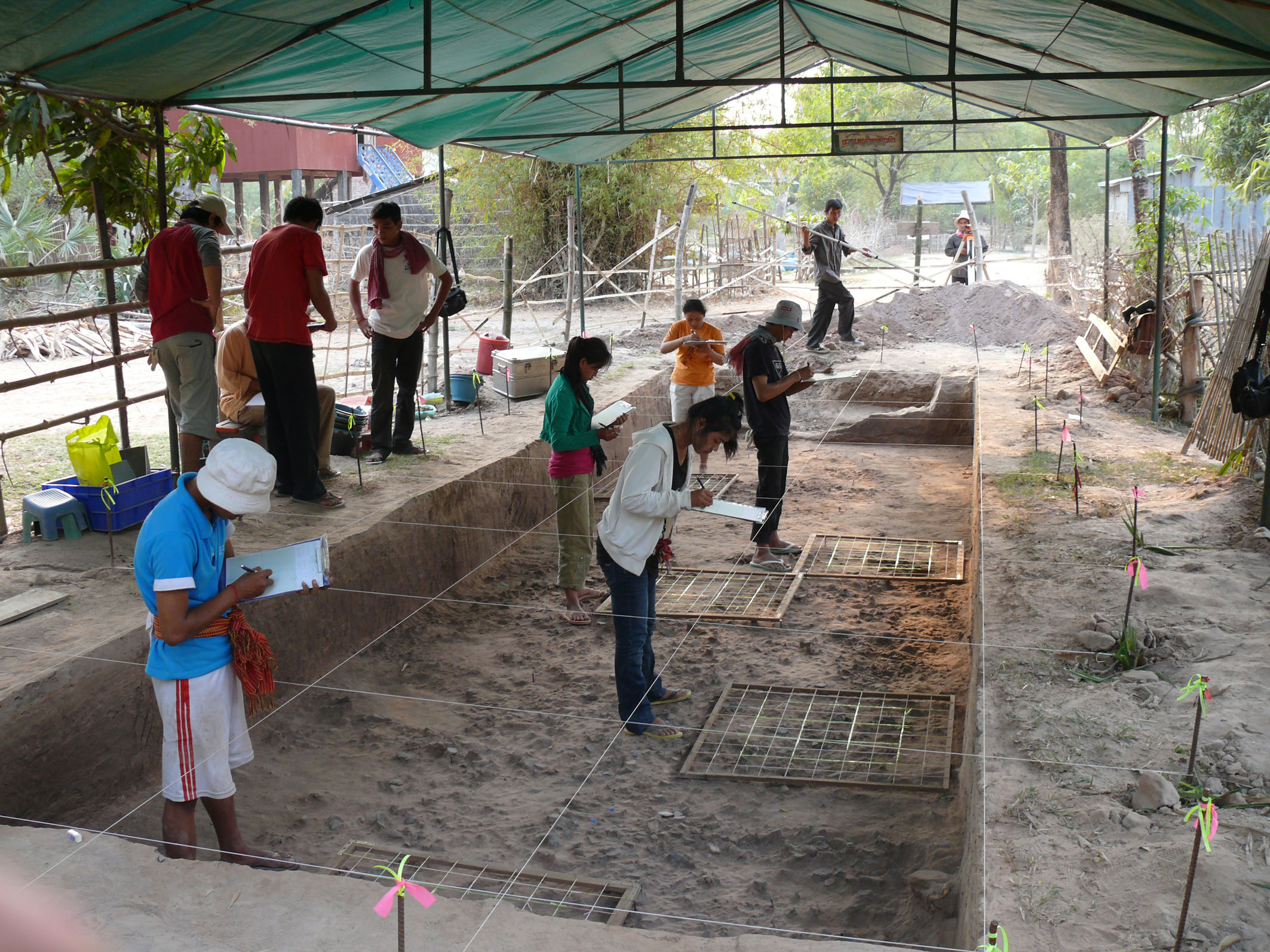
Prohear, Cambodia
Iron Age burial site with rich grave goods
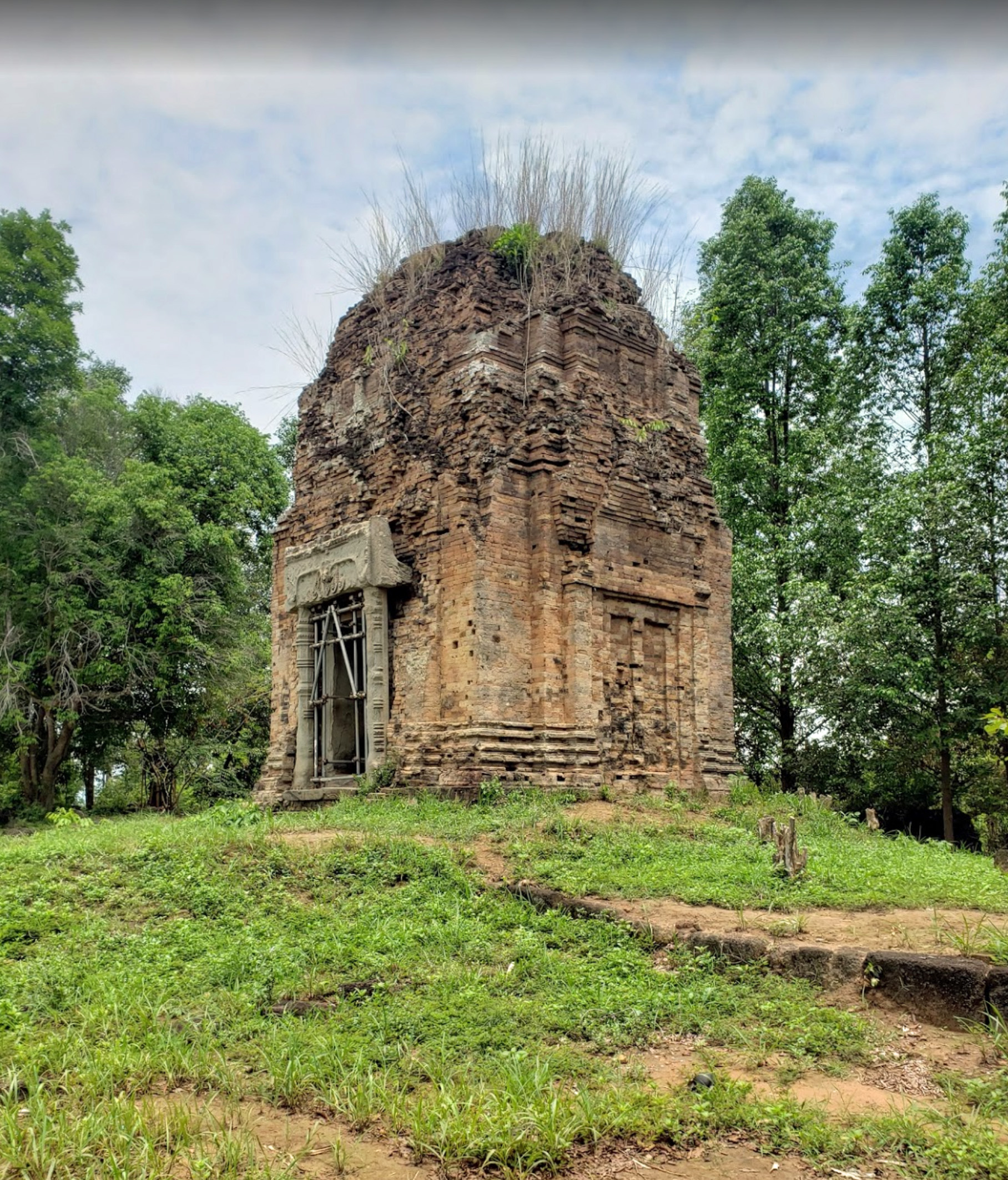
Cheung Ang temple
Brick-built Khmer Empire temple in Cambodia
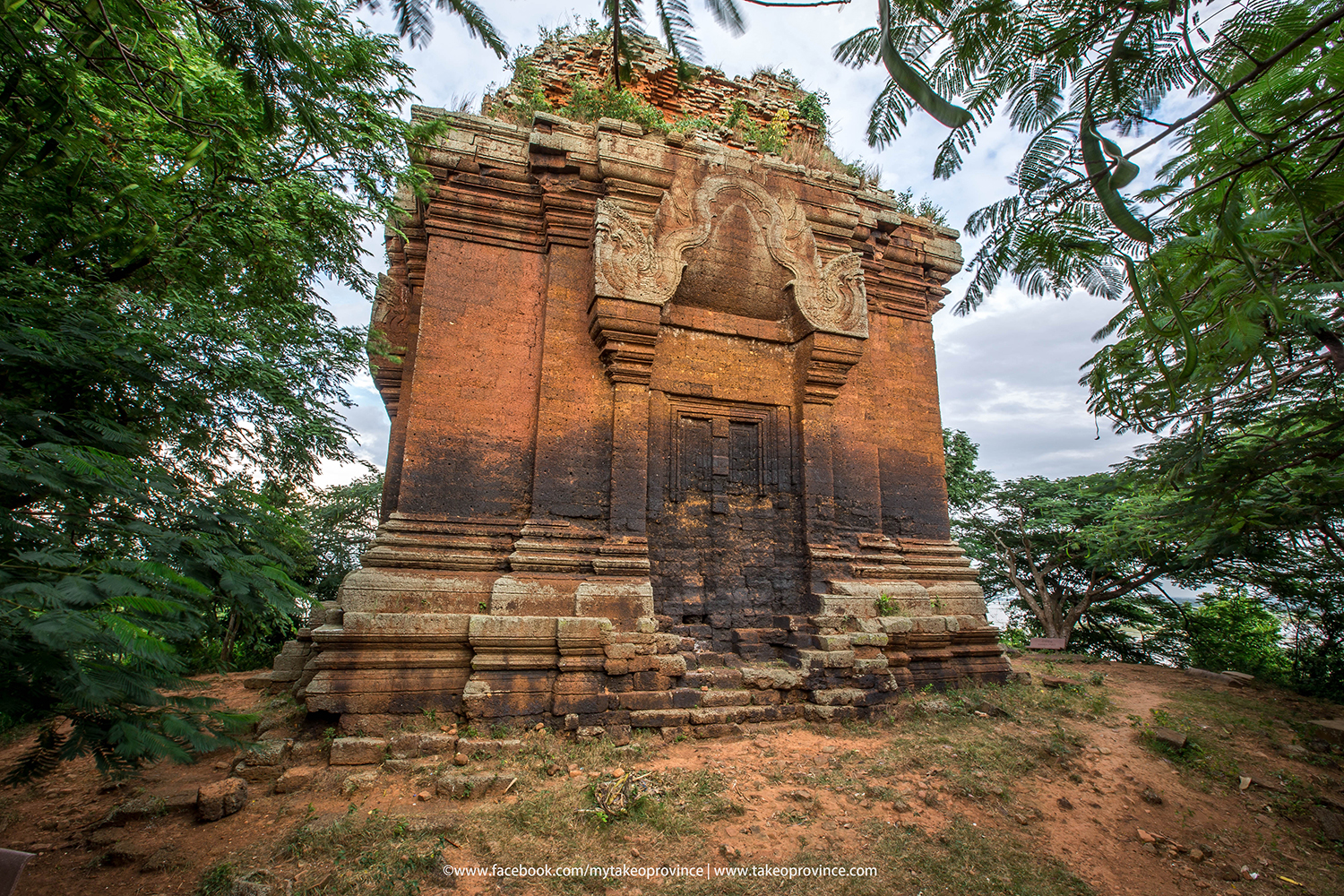
Angkor Borei and Phnom Da
Ancient Funan archaeological sites in Cambodia.