Explore the Map
Phum Snay
13.6239° N, 103.2064° E
About
Phum Snay is an Iron Age archaeological site located in Northwest Cambodia, roughly 80 km from the ancient ruins of Angkor. Discovered in 2000, the site was extensively looted before proper excavations took place between 2001 and 2003. The site dates between 500 BCE and 500 CE and is notable for its high number of burials containing weapons, indicating a society with a strong warrior culture. The presence of both sharp and blunt force trauma on the skeletal remains suggests a violent period of occupation, with military formation possibly playing a significant role in the community's social structure. The grave goods, including bronze ornaments and animal remains, suggest cultural connections with the Óc Eo culture of the Mekong Delta. Overall, Phum Snay provides valuable insights into Iron Age life and social dynamics in Southeast Asia.
Historical Timeline
Journey through time and discover key events in this site's history
Iron Age occupation
500 BCE - 500 CE
Archaeological Features
Unique architectural and cultural elements found at this historical site
Military Installations
Burial and Funerary Structures
Frequently Asked Questions
Plan Your Visit
Tours, travel arrangements, and practical information


More Sites in Cambodia
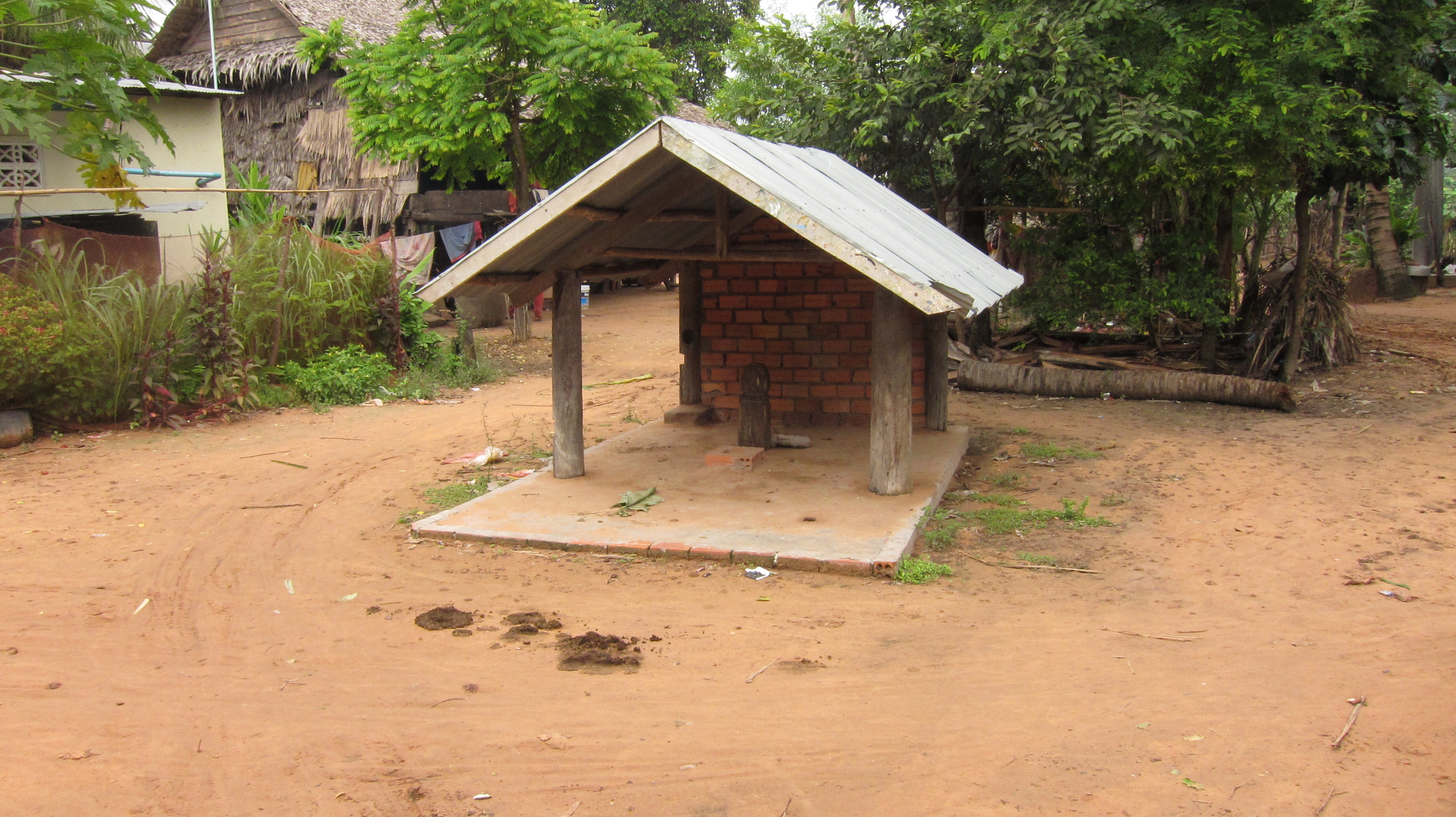
Lovea
Circular moated mound in Siem Reap, Cambodia
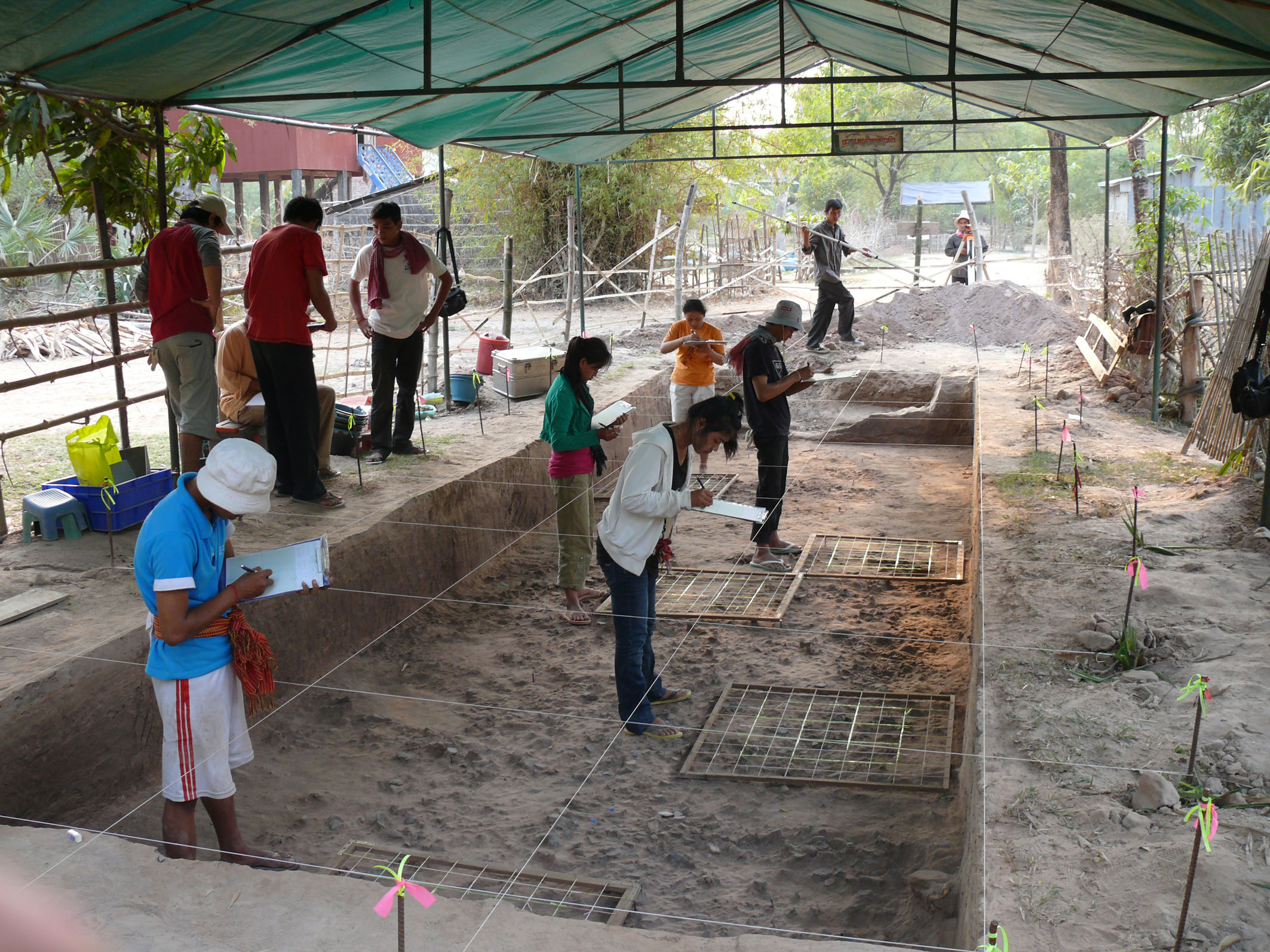
Prohear, Cambodia
Iron Age burial site with rich grave goods
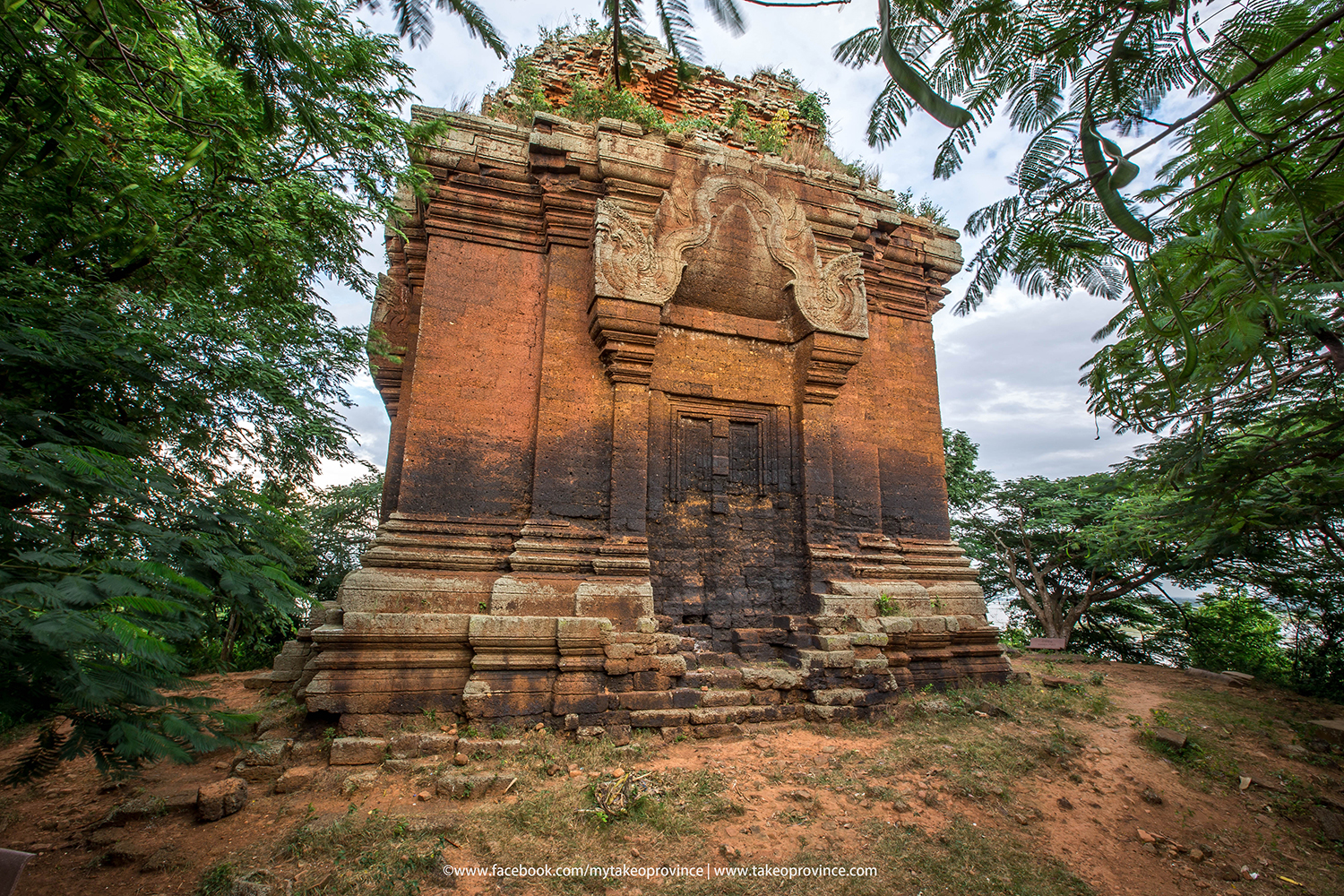
Angkor Borei and Phnom Da
Ancient Funan archaeological sites in Cambodia.
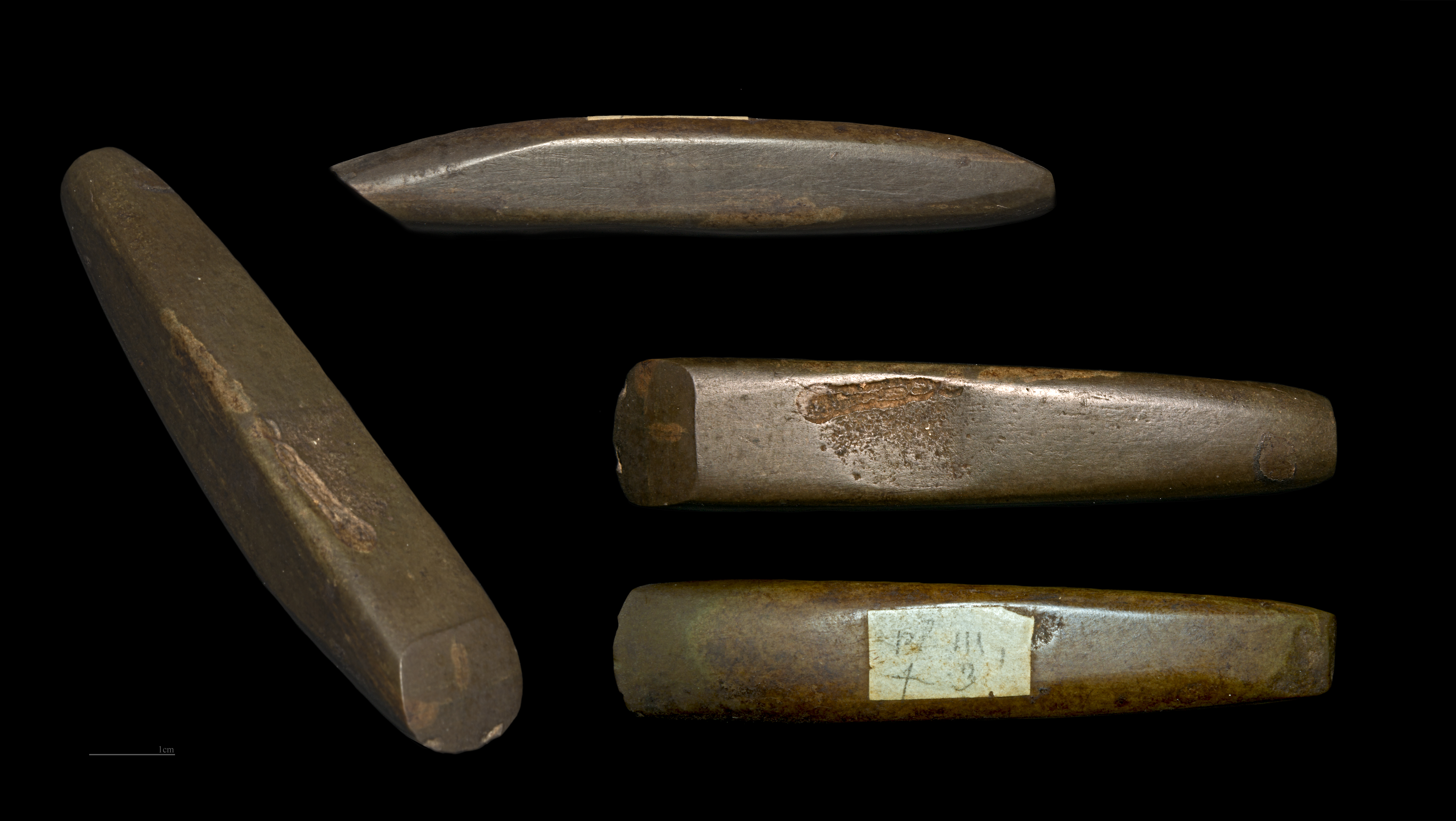
Samrong Sen
Prehistoric shell midden with Bronze Age artifacts.
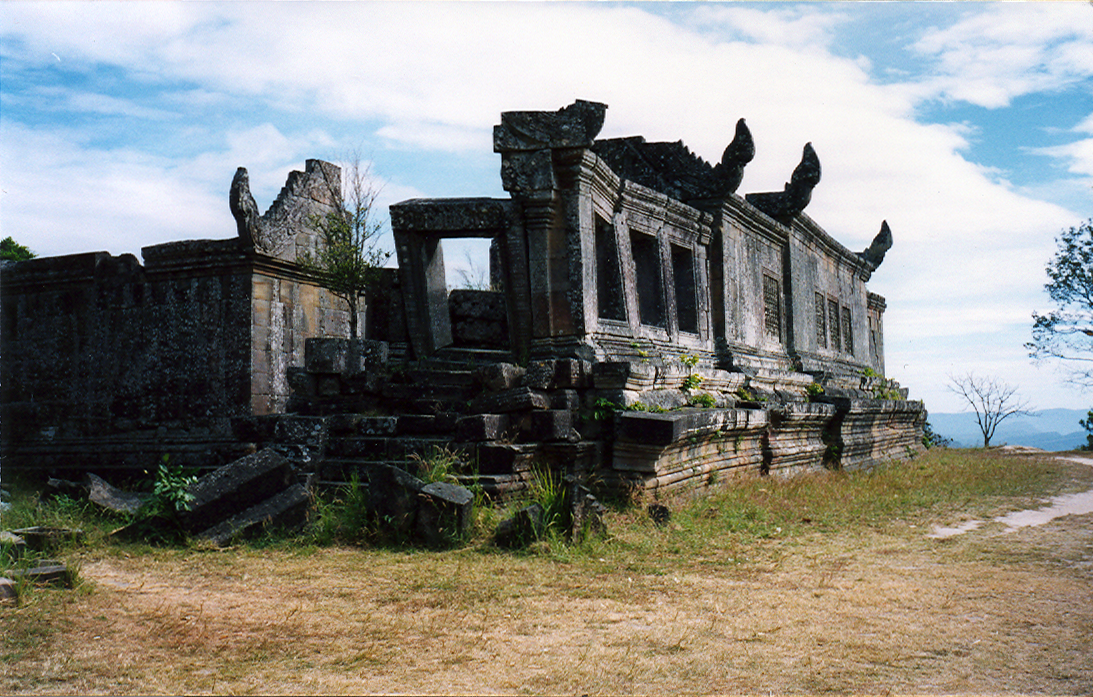
Preah Vihear Temple
Khmer Hindu temple on mountaintop cliff
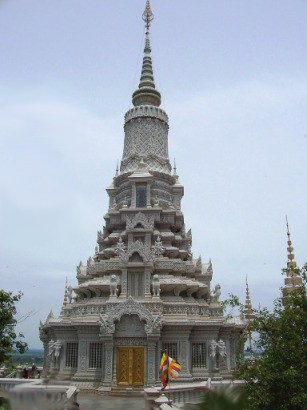
Oudong
Post-Angkorian capital with royal necropolis.