Explore the Map
Lovea
13.4840° N, 103.7130° E
About
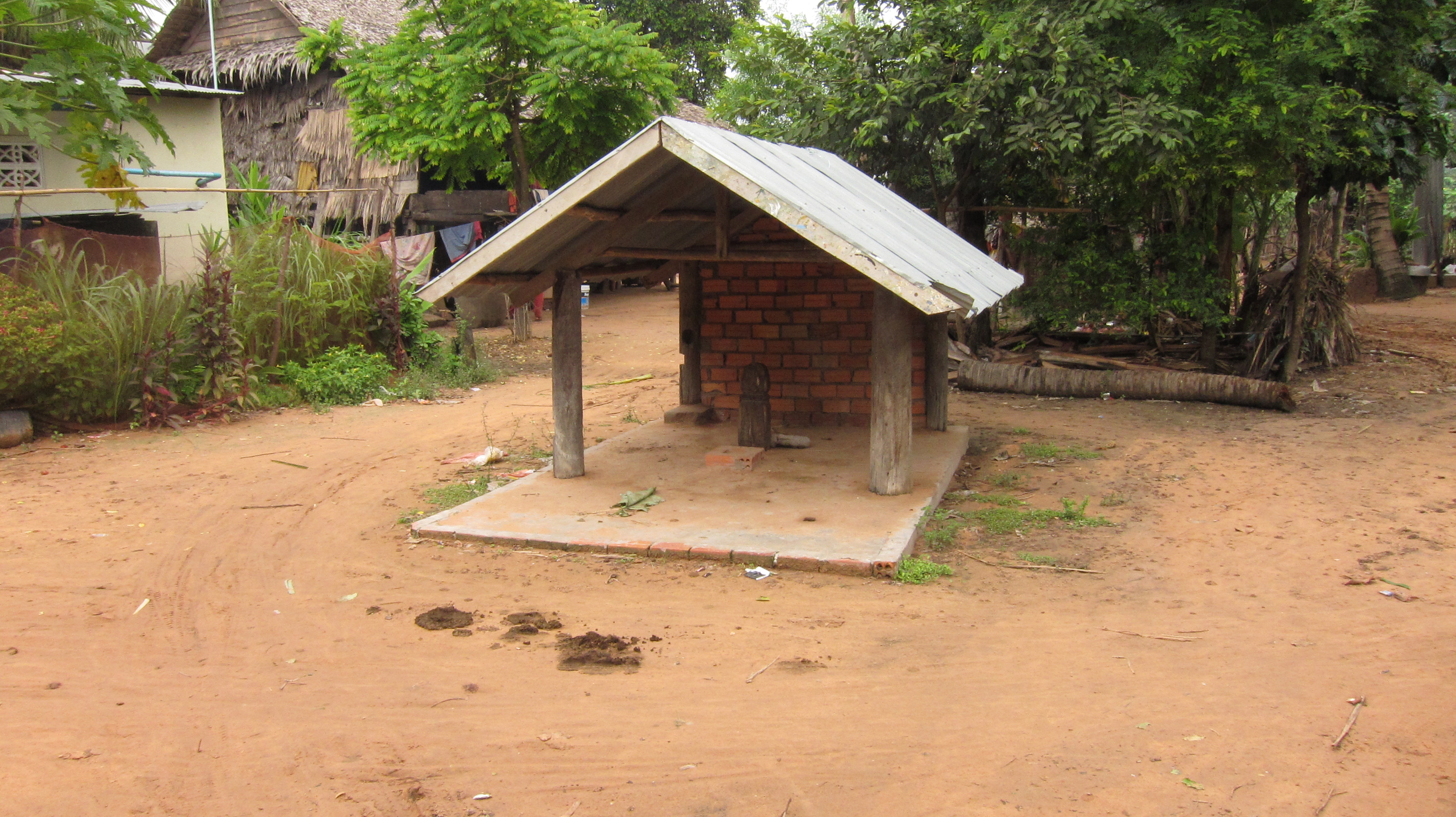
Lovea is a modern village and archaeological site located in the Puok district of Siem Reap province, Cambodia. Lovea's circular mound measures 210 metres (690 ft) north–south, and 312 metres (1,024 ft) east-west, and is notable for its two circular embankments or moats that surround the mound, an unusual habitation pattern in this part of Cambodia. The site was first identified and described by French archaeologist Louis Malleret in the 1950s. More recent archaeological excavations have identified burials and residential occupation. The site dates from the second century BCE through the Angkor period to the present day.
Gallery
Explore photographs of ancient structures, artifacts, and archaeological excavations
Historical Timeline
Journey through time and discover key events in this site's history
Pre-Angkorian mound modifications
6th–8th centuries CE
Possible Early Modern water storage
15th–17th centuries CE
Radiocarbon dates for burials
2nd century CE
Angkorian-period landscape expansion
10th century CE
Initial identification by Louis Malleret
1950s
Paddy to Pura excavations
2011-2013
LiDAR survey
2012
Archaeological Features
Unique architectural and cultural elements found at this historical site
Defensive Structures
Water Management Features
Burial and Funerary Structures
Agricultural and Land Use Features
Domestic and Habitation Structures
Environmental and Natural Features
Transportation and Communication Structures
Frequently Asked Questions
Plan Your Visit
Tours, travel arrangements, and practical information
More Sites in Cambodia
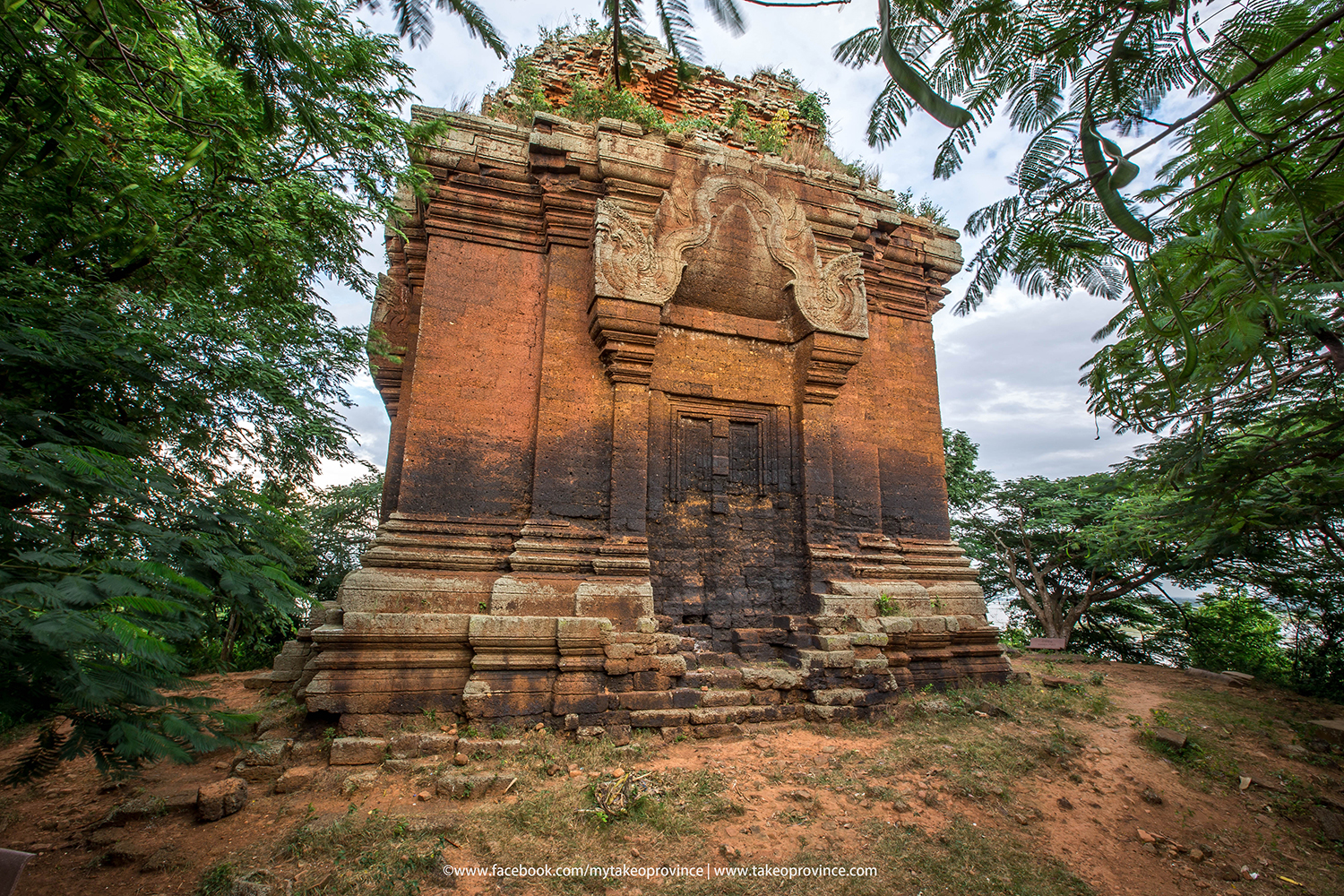
Angkor Borei and Phnom Da
Ancient Funan archaeological sites in Cambodia.
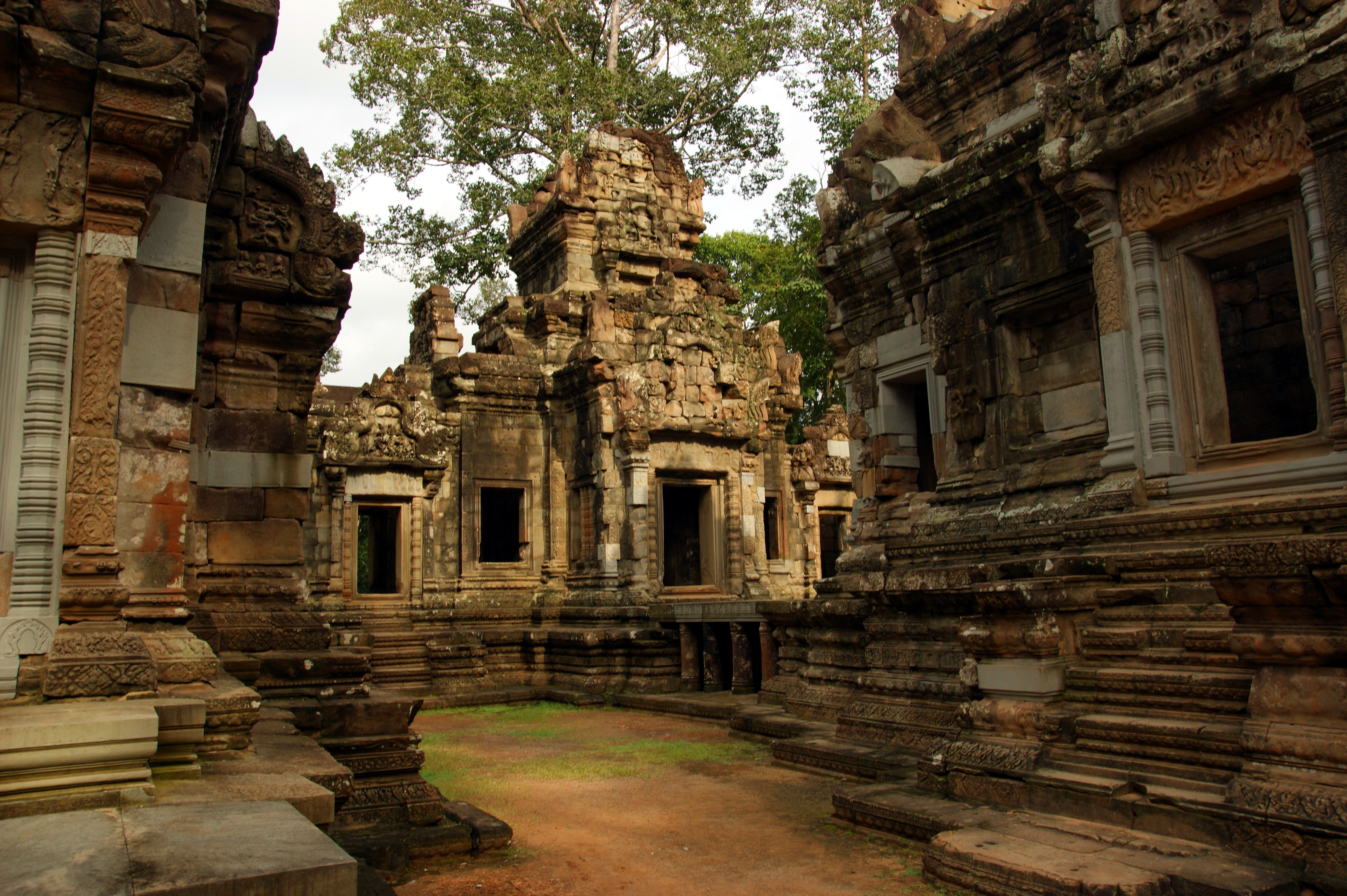
Angkor
Ancient Khmer capital with extensive temples
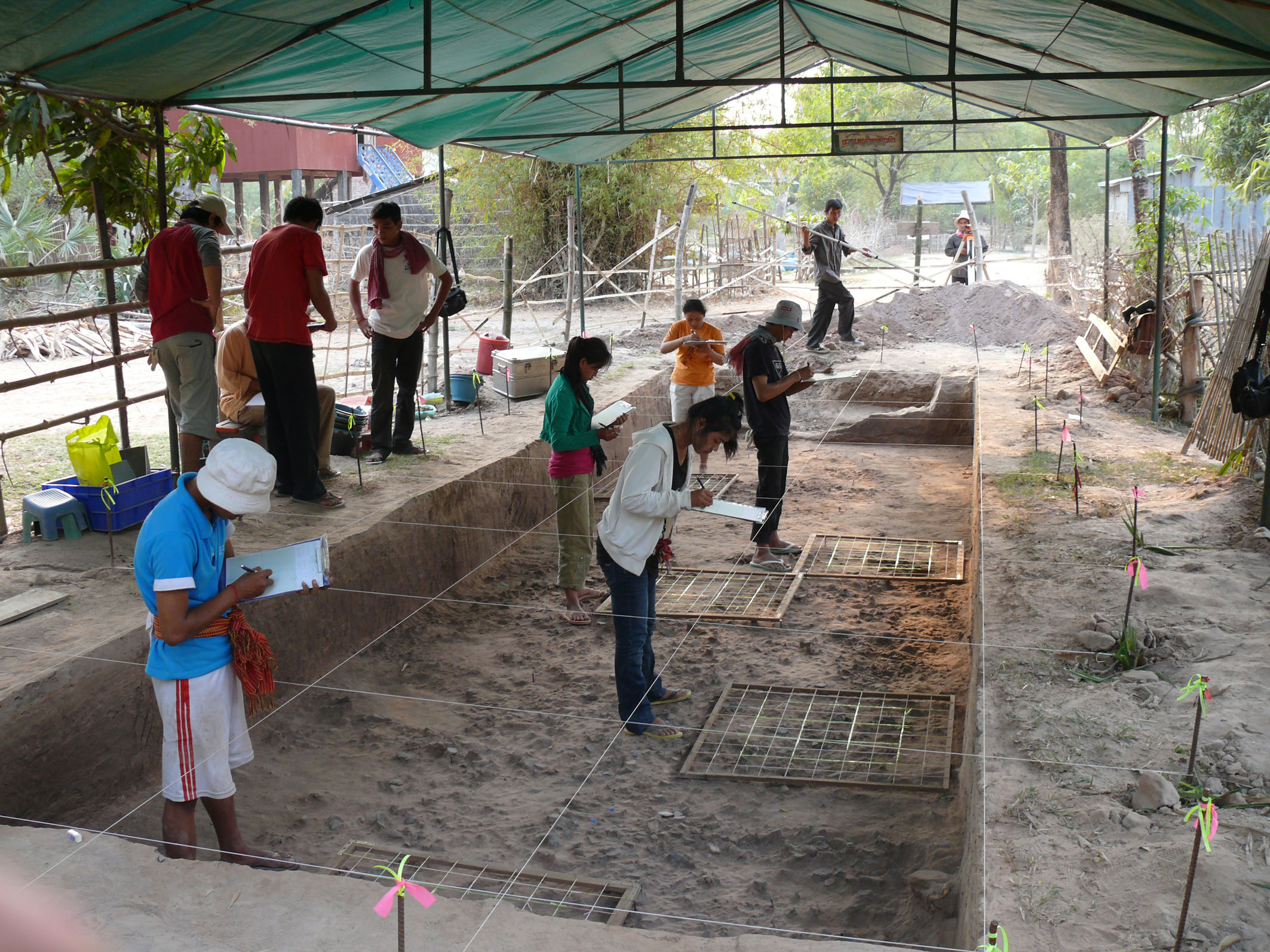
Prohear, Cambodia
Iron Age burial site with rich grave goods
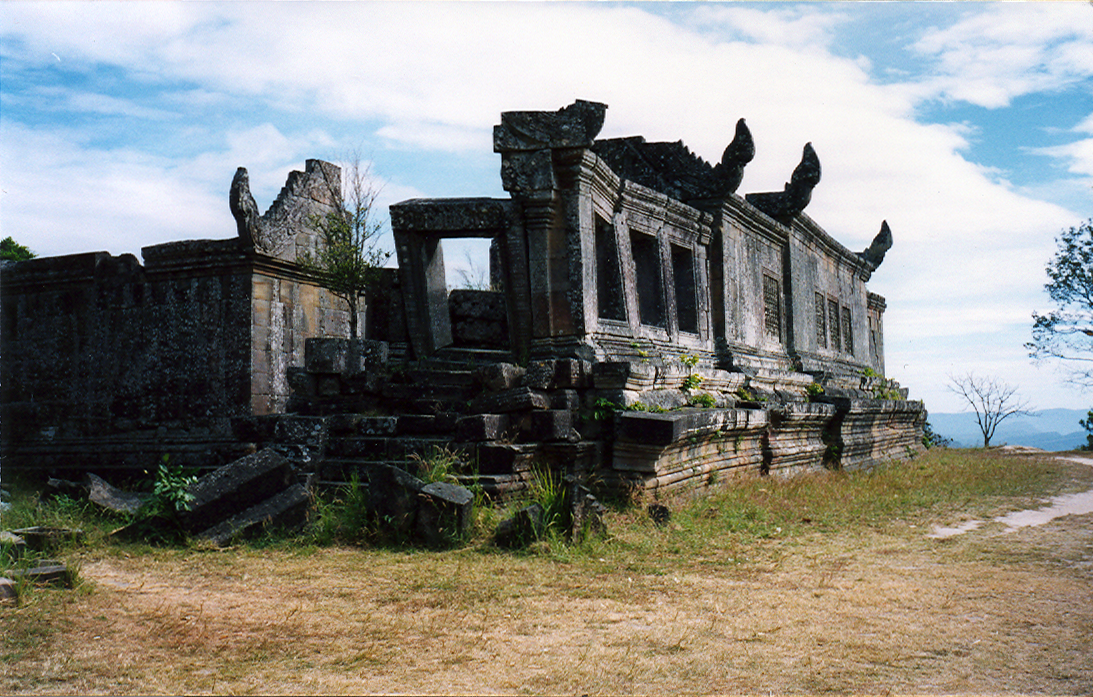
Preah Vihear Temple
Khmer Hindu temple on mountaintop cliff
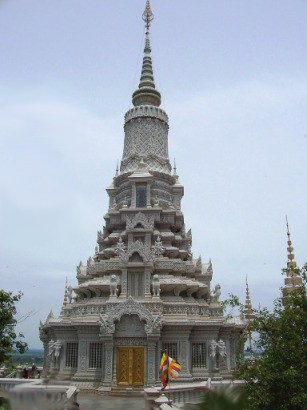
Oudong
Post-Angkorian capital with royal necropolis.
Phum Snay
Iron Age site with warrior burials