Time Periods
Paleolithic
Mesolithic
Neolithic
Chalcolithic
Bronze Age
Iron Age
Classical Period
Post-Classical Period
Early Modern Period
Industrial Period
Contemporary Period
Time Periods
Paleolithic
Mesolithic
Neolithic
Chalcolithic
Bronze Age
Iron Age
Classical Period
Post-Classical Period
Early Modern Period
Industrial Period
Contemporary Period
Location
About
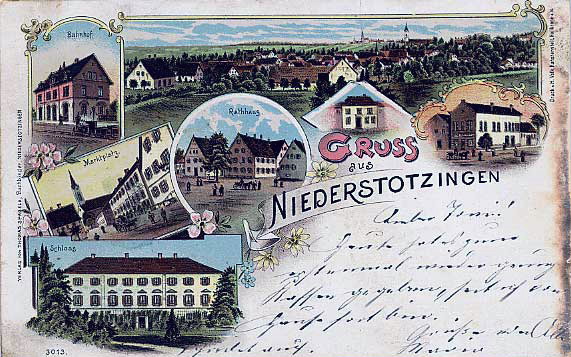
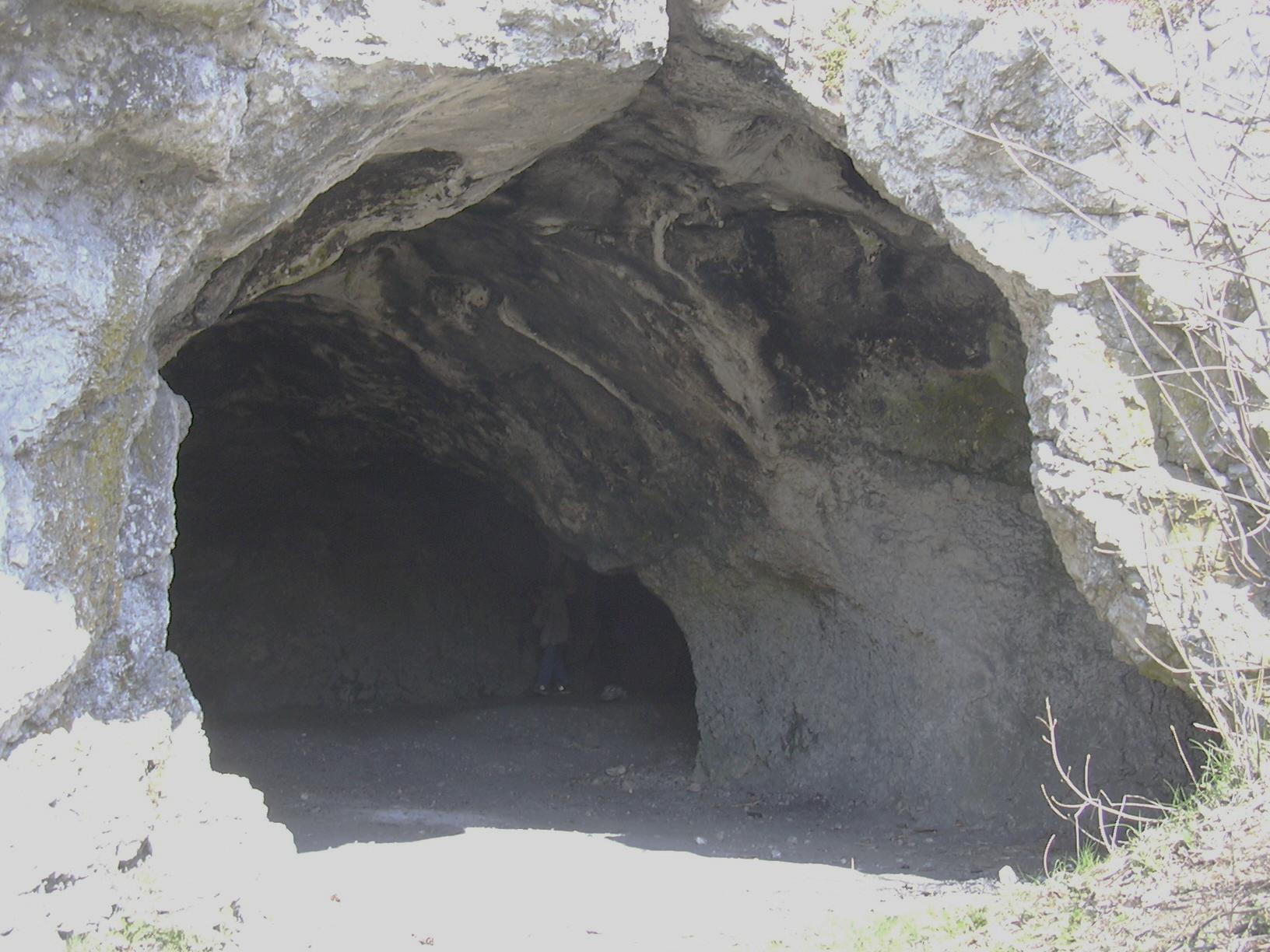
Niederstotzingen is an archaeological site of significant historical importance, located in southern Germany's Heidenheim district. The area has been inhabited since prehistoric times, as evidenced by mammoth ivory carvings discovered in the Vogelherdhöhle cave, dating back to 35,000 BCE. These carvings are considered some of the oldest known human artworks. The site's strategic location in the Lone Valley attracted both Celtic and Roman settlers, leading to the development of a Roman villa rustica and a network of ancient roads. In the early post-classical period, a 7th-century Alamannian cemetery was uncovered, revealing burials of nobles and their possessions. The site evolved into a fortified city during the Middle Ages, gaining city privileges in the 14th century. Niederstotzingen remains a fascinating study of human occupation from the Upper Paleolithic to the Middle Ages.
Gallery
Explore photographs of ancient structures, artifacts, and archaeological excavations at Niederstotzingen
Archaeological Features
Explore the unique architectural and cultural elements found at this historical site
Burial and Funerary Structures
Religious and Ritual Structures
Artistic and Decorative Features
Domestic and Habitation Structures
Transportation and Communication Structures
Historical Timeline
Journey through time and discover key events in this site's archaeological history
Plan Your Visit
Details
- Country
- Germany
- Source
- Wikipedia
More Sites in Germany
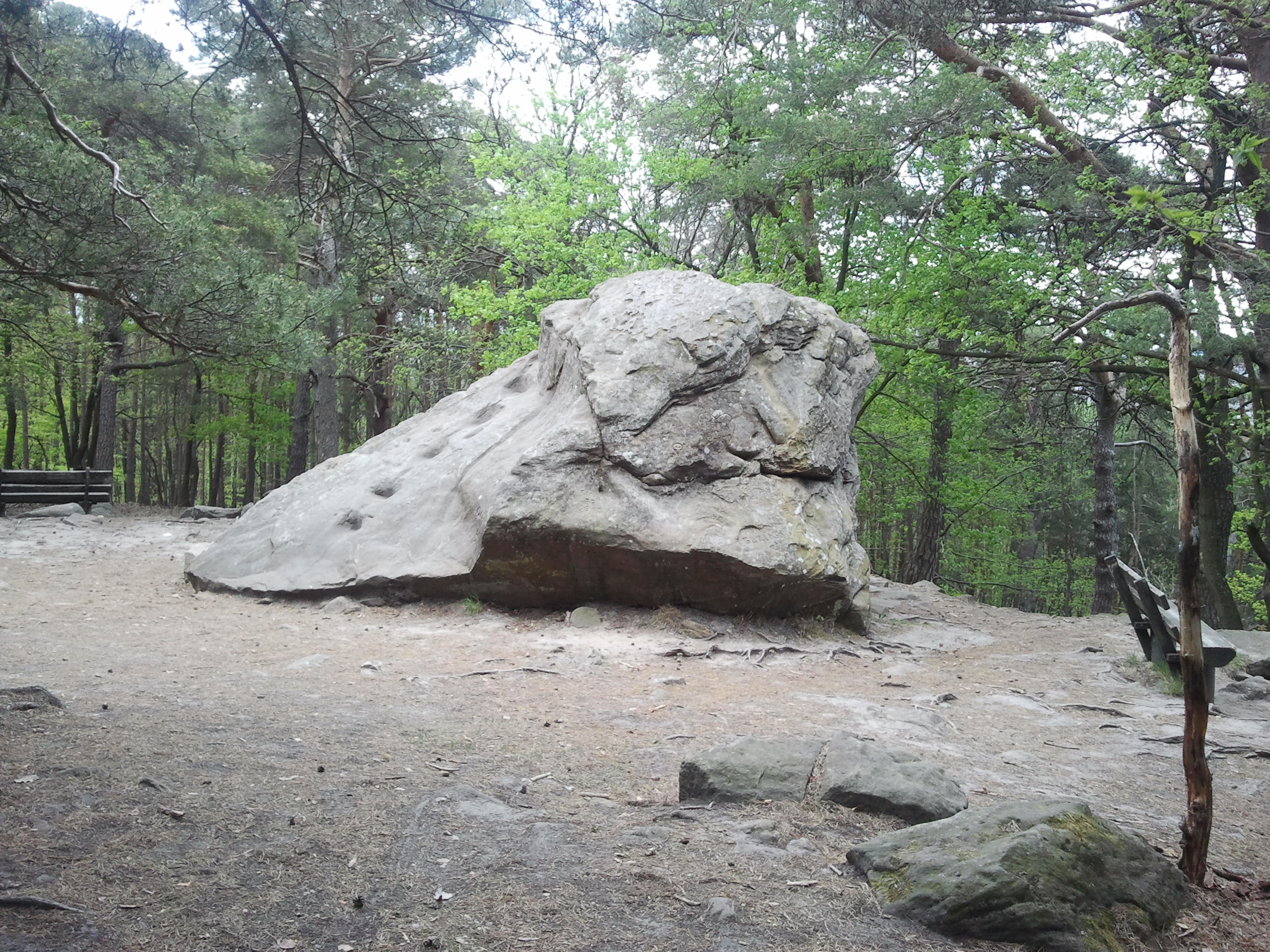
Teufelsstein (Haardt)
Monolith with Celtic and Roman carvings
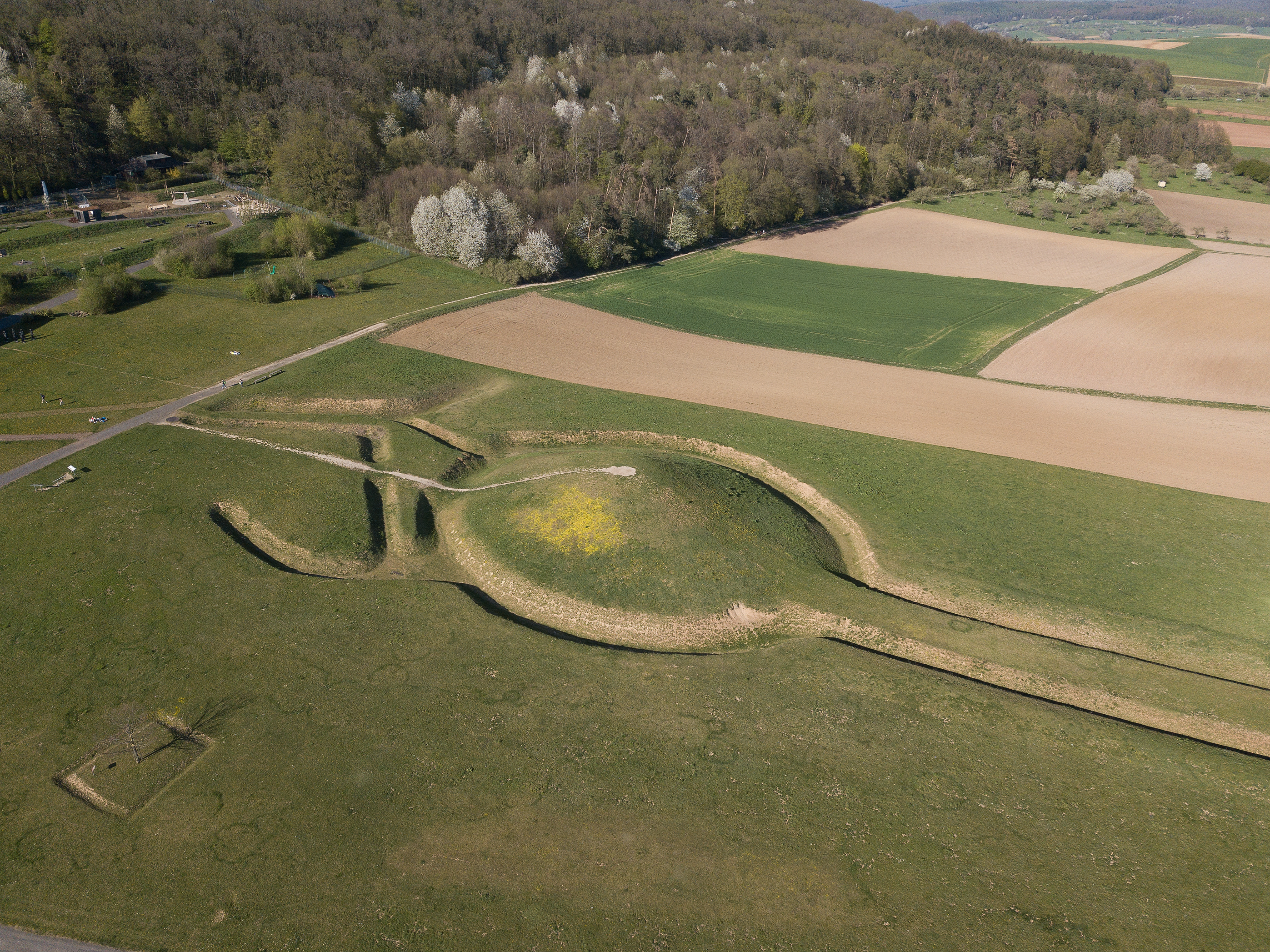
Glauberg
Celtic hillfort with burial mounds and statues
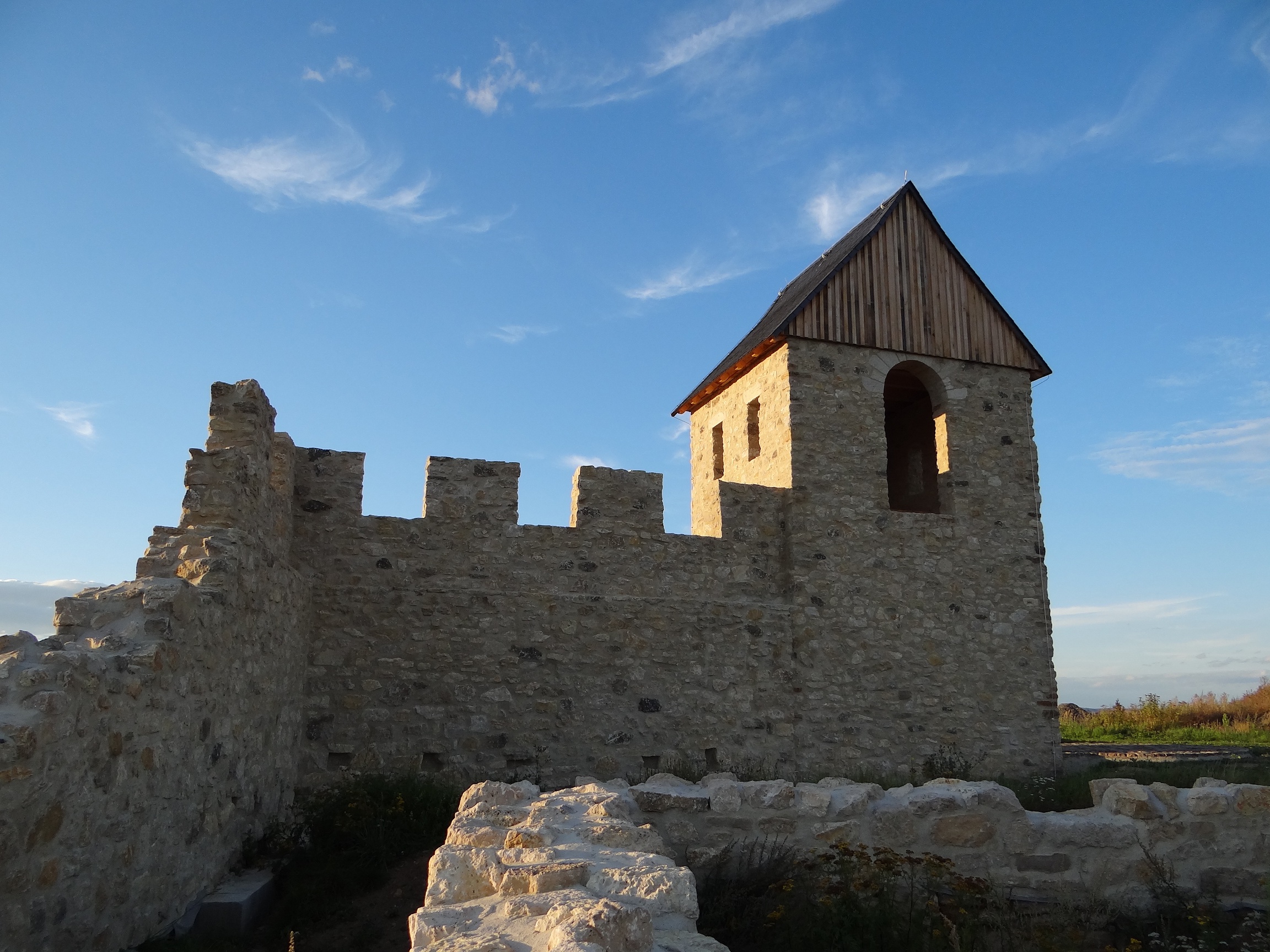
Royal palace of Werla
Ottonian palace with fortifications and settlements
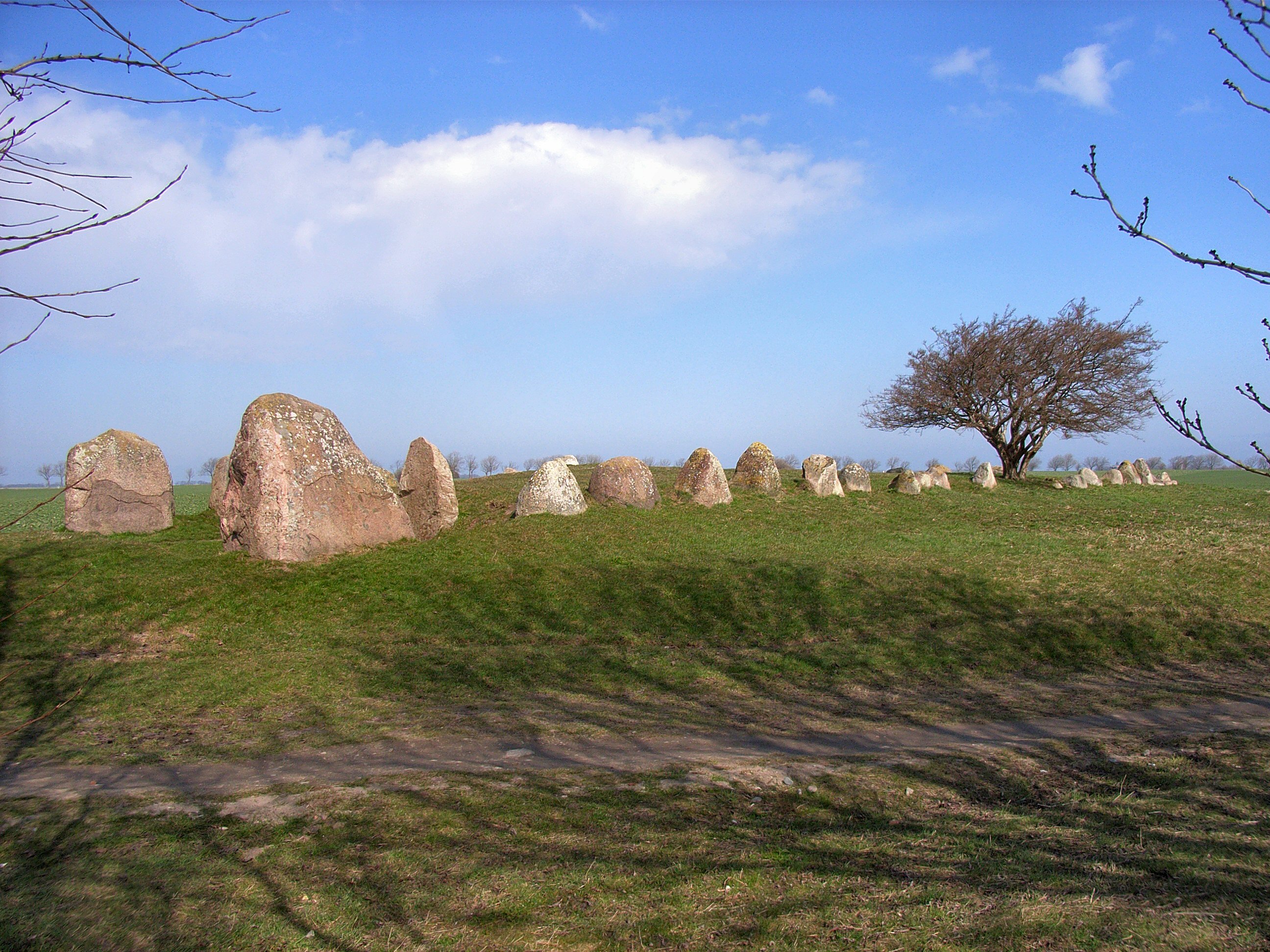
Nobbin
Large Neolithic megalithic tomb with artifacts.
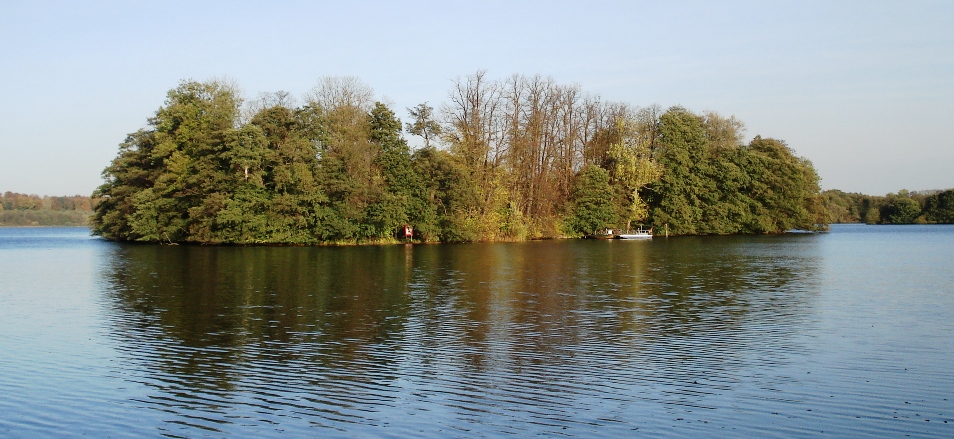
Utin (castle)
9th-century Wendish castle on island
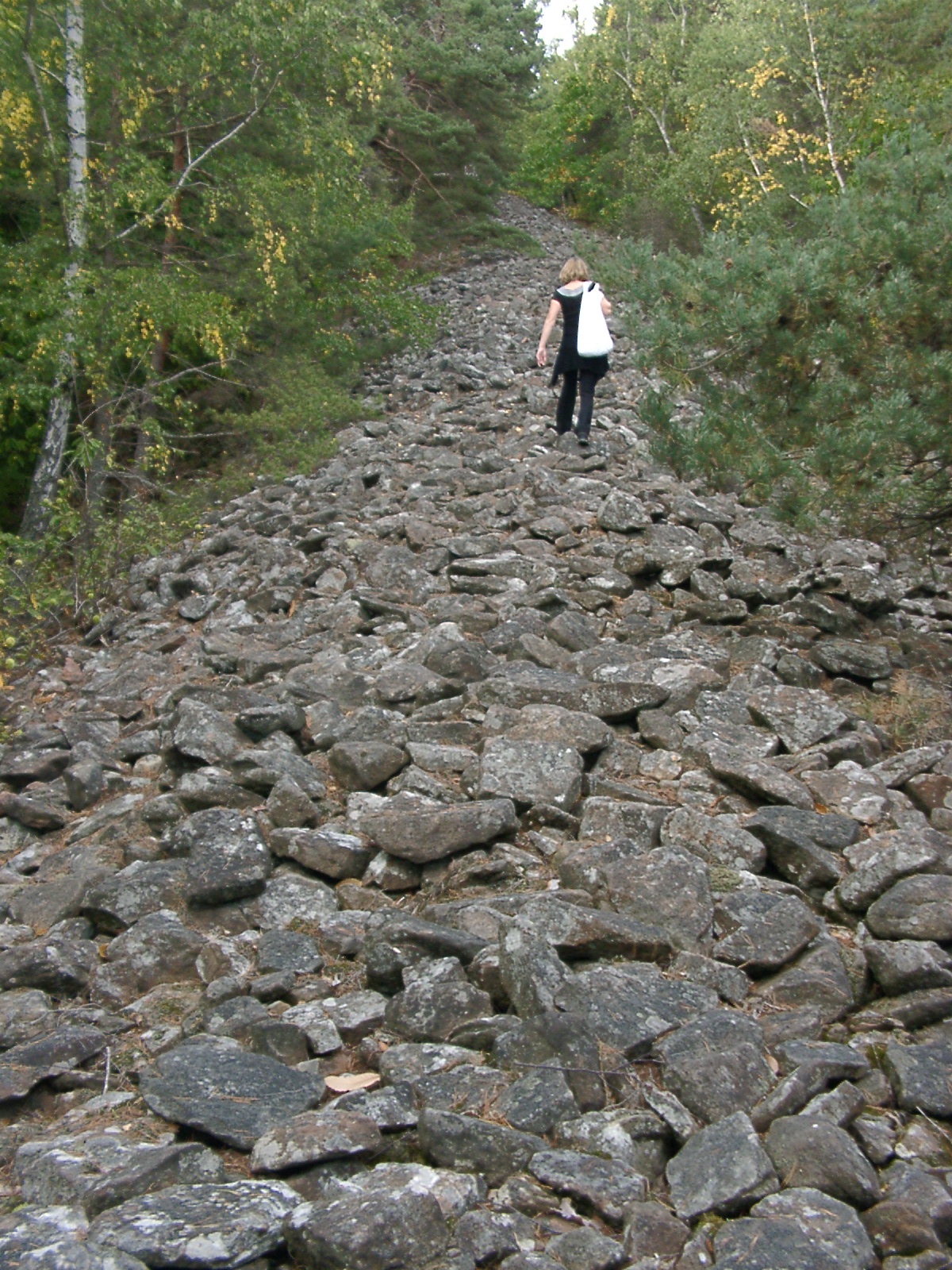
Heidenmauer (Palatinate)
Circular Celtic rampart with stone remnants