Explore the Map
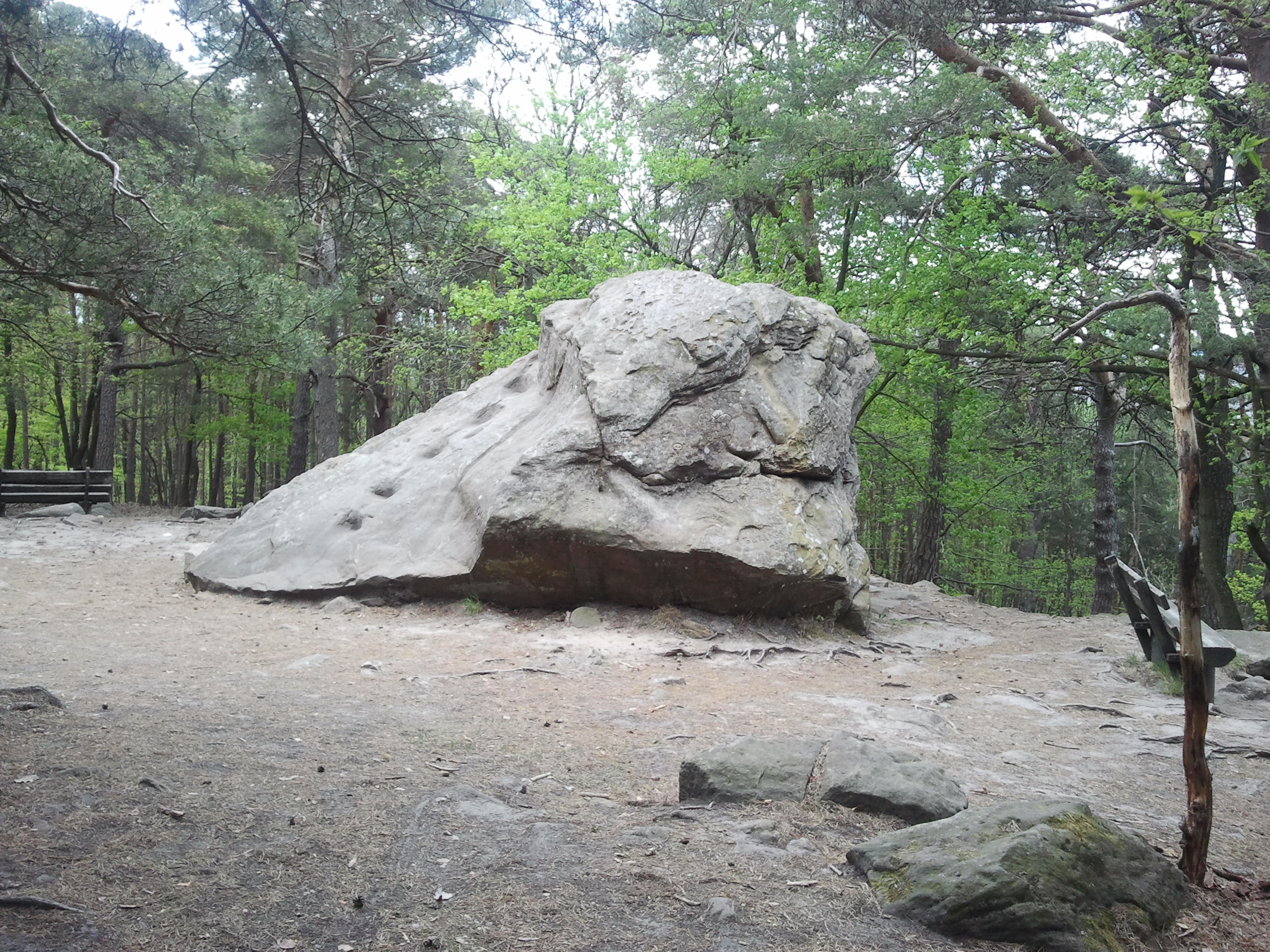
Teufelsstein (Haardt)
49.4701° N, 8.1484° E
About
The Teufelsstein in the Haardt mountains is an archaeological site featuring a monolith that served as a cult object, possibly for the Celts. The monolith, standing at 2.50 meters high and 4 meters wide, includes carved steps leading to a presumed sacrificial bowl, with a blood channel running down the rock. The area around the Teufelsstein includes remnants of a Celtic settlement with a defensive wall built around 500 BCE and a Roman quarry known as Kriemhildenstuhl, used until the 4th century CE. The carvings on the monolith include sun wheels, runes, and Roman letters, suggesting its use over multiple periods, from the Iron Age to the Post-Classical Period.
Gallery
Explore photographs of ancient structures, artifacts, and archaeological excavations
Historical Timeline
Journey through time and discover key events in this site's history
Celtic Defensive Wall Construction
500 BCE
Roman Quarry Use
300 CE
Archaeological Features
Unique architectural and cultural elements found at this historical site
Defensive Structures
Religious and Ritual Structures
Frequently Asked Questions
Plan Your Visit
Tours, travel arrangements, and practical information
More Sites in Germany
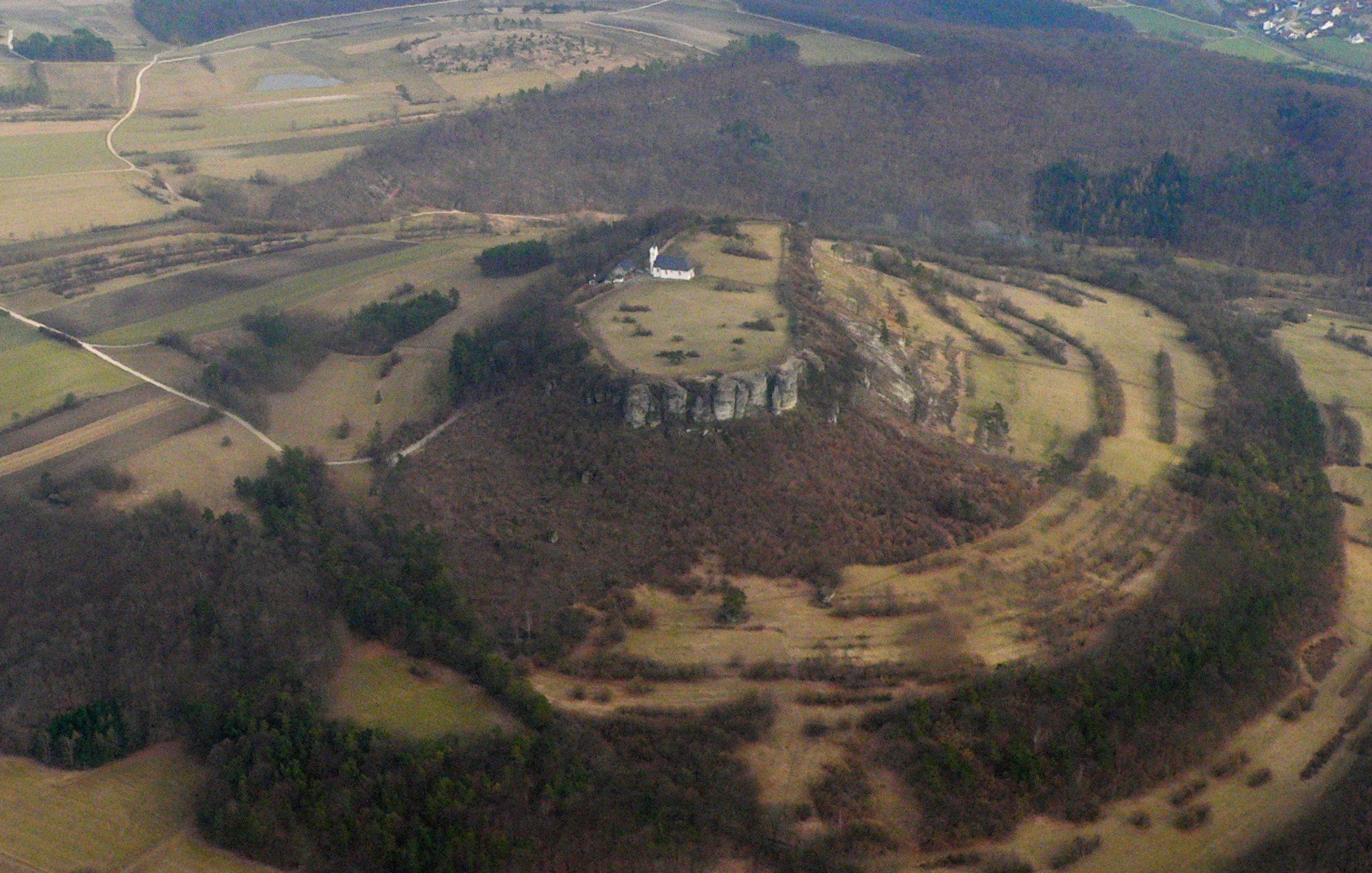
Menosgada
Celtic oppidum with defensive structures
Kyffhausen Castle
Medieval castle ruin with Neolithic origins
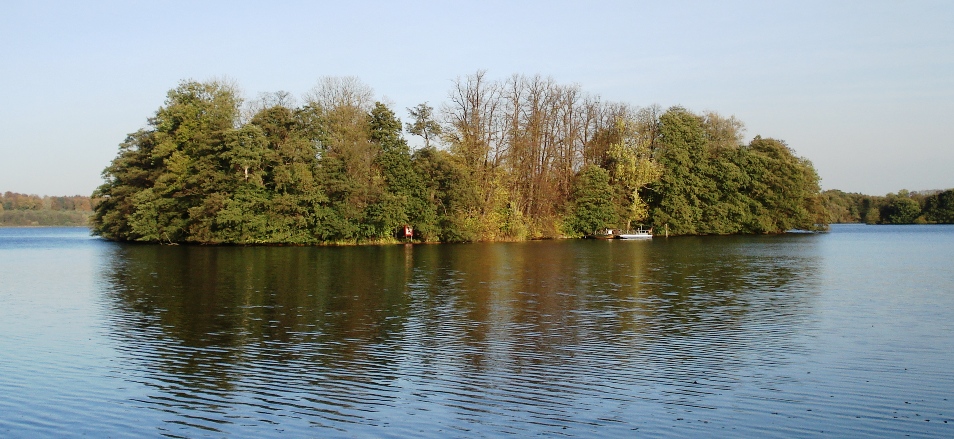
Utin (castle)
9th-century Wendish castle on island
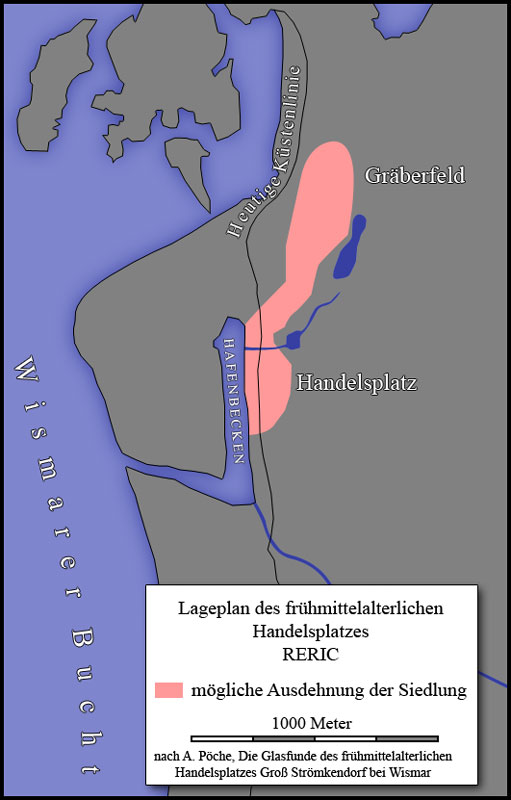
Reric
Slavic-Scandinavian Viking Age emporium remains
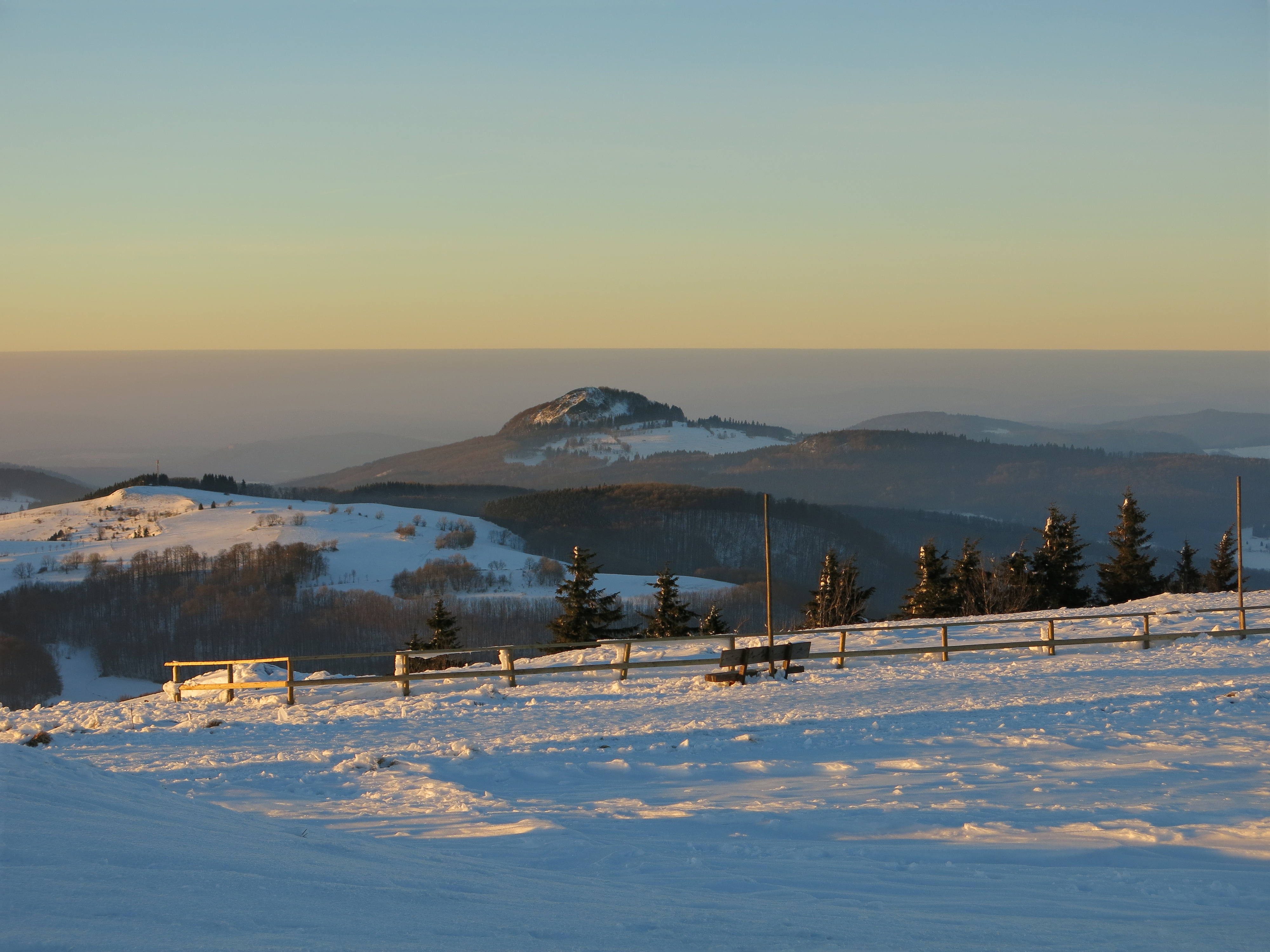
Milseburg
Extinct volcano with Celtic oppidum remains
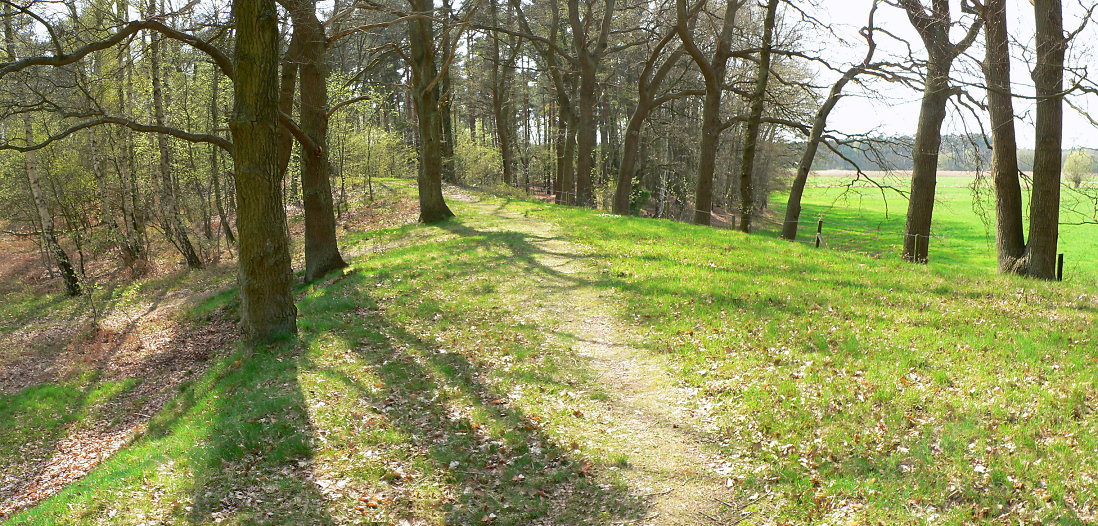
Circular rampart of Burg
10th-century circular earthwork defensive structure