Time Periods
Paleolithic
Mesolithic
Neolithic
Chalcolithic
Bronze Age
Iron Age
Classical Period
Post-Classical Period
Early Modern Period
Industrial Period
Contemporary Period
Time Periods
Paleolithic
Mesolithic
Neolithic
Chalcolithic
Bronze Age
Iron Age
Classical Period
Post-Classical Period
Early Modern Period
Industrial Period
Contemporary Period
Location
About
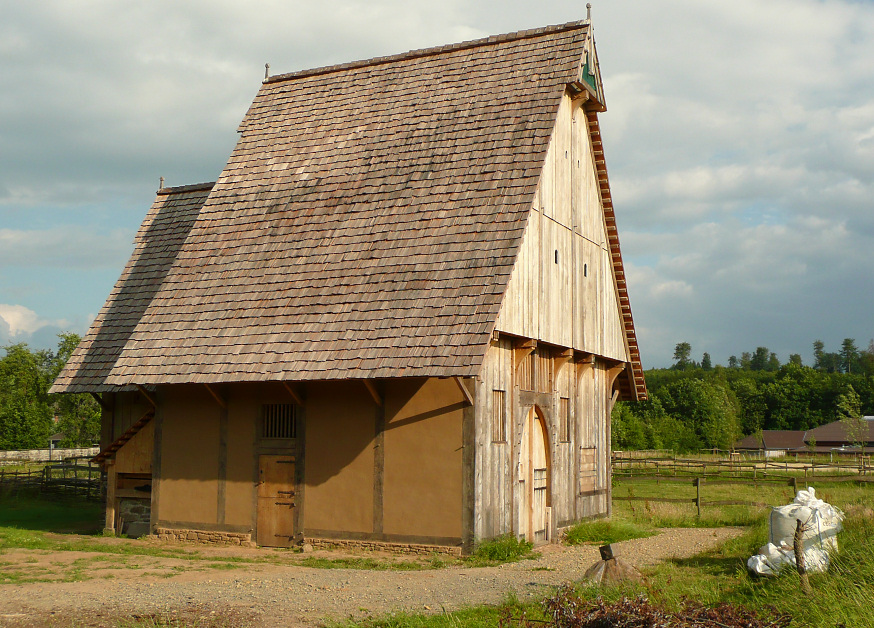
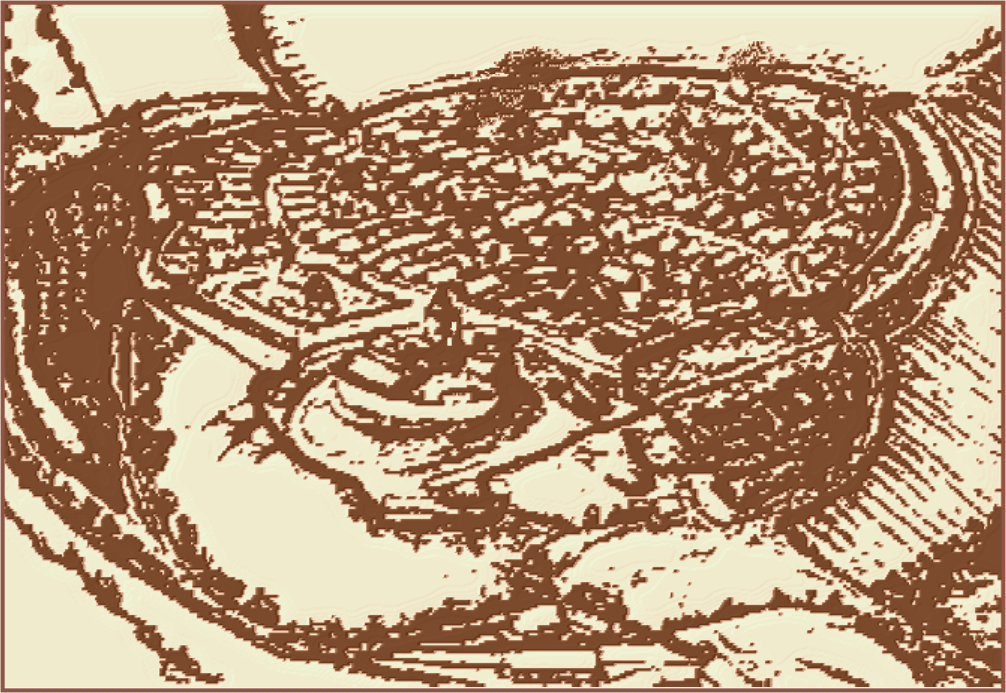
Nienover, located in the Solling region of Lower Saxony, Germany, is home to one of the largest deserted medieval towns in northern Europe. The site has a rich history, dating back to the Mesolithic era, with evidence of habitation through the Neolithic, Bronze, and Iron Ages. The Counts of Dassel established a castle in the area around 1100 CE, which later became the center of a thriving town by 1200 CE. However, the town faced destruction twice in the 13th century before being abandoned. Archaeological excavations have revealed a wealth of structures and artifacts, including defensive walls, industrial workshops, and a brewery, providing insight into medieval life. The site remains significant for its historical and archaeological value, offering a glimpse into the past before being largely left untouched for centuries.
Gallery
Explore photographs of ancient structures, artifacts, and archaeological excavations at Nienover

Archaeological Features
Explore the unique architectural and cultural elements found at this historical site
Defensive Structures
Water Management Features
Burial and Funerary Structures
Industrial and Craft Structures
Religious and Ritual Structures
Domestic and Habitation Structures
Food Production and Processing Features
Historical Timeline
Journey through time and discover key events in this site's archaeological history
Plan Your Visit
Details
- Country
- Germany
- Source
- Wikipedia
More Sites in Germany
Glauberg
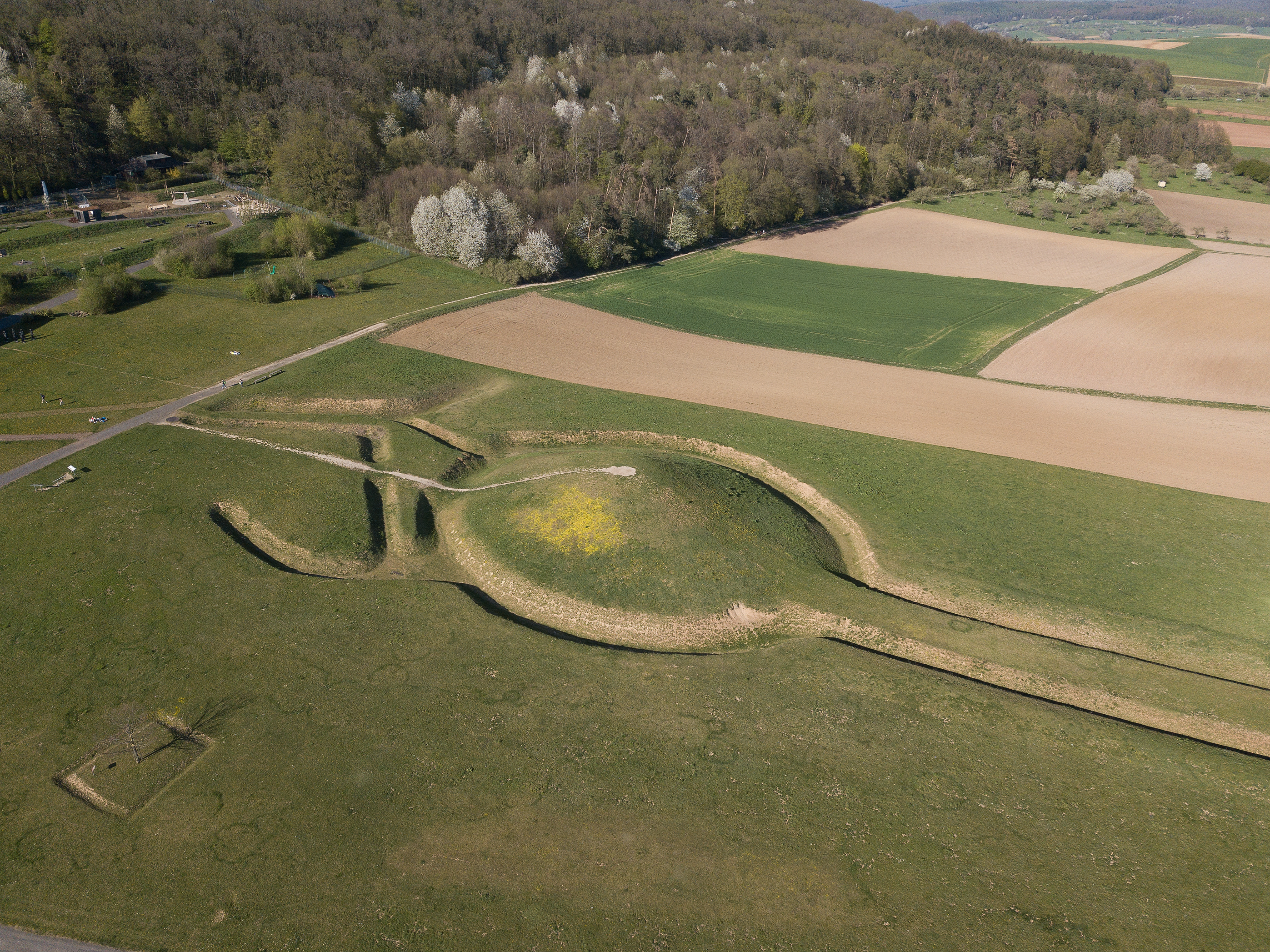
Celtic hillfort with burial mounds and statues
Kyffhausen Castle
Medieval castle ruin with Neolithic origins
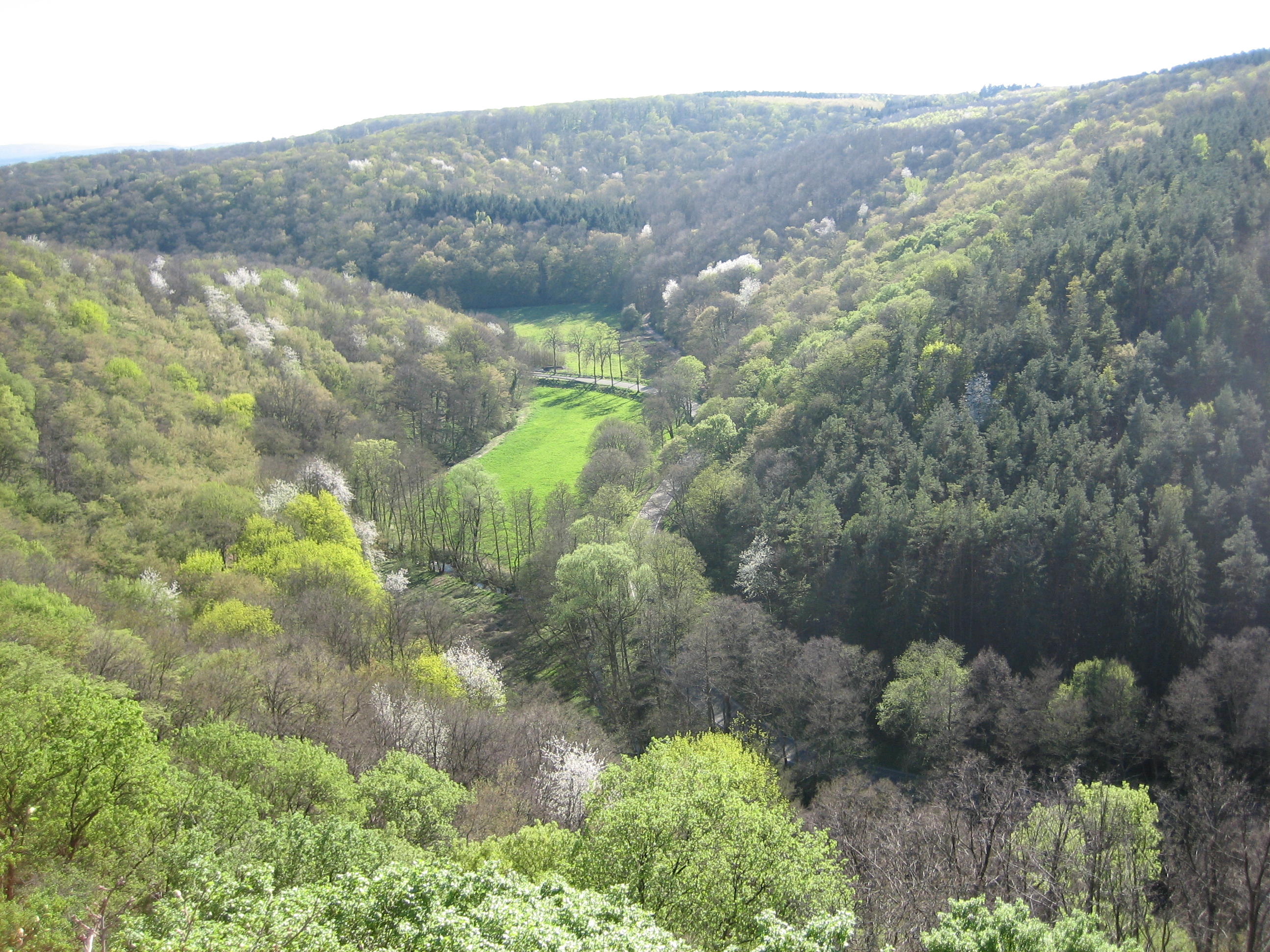
Teufelsrutsch
Wooded knoll with ancient mine and stronghold
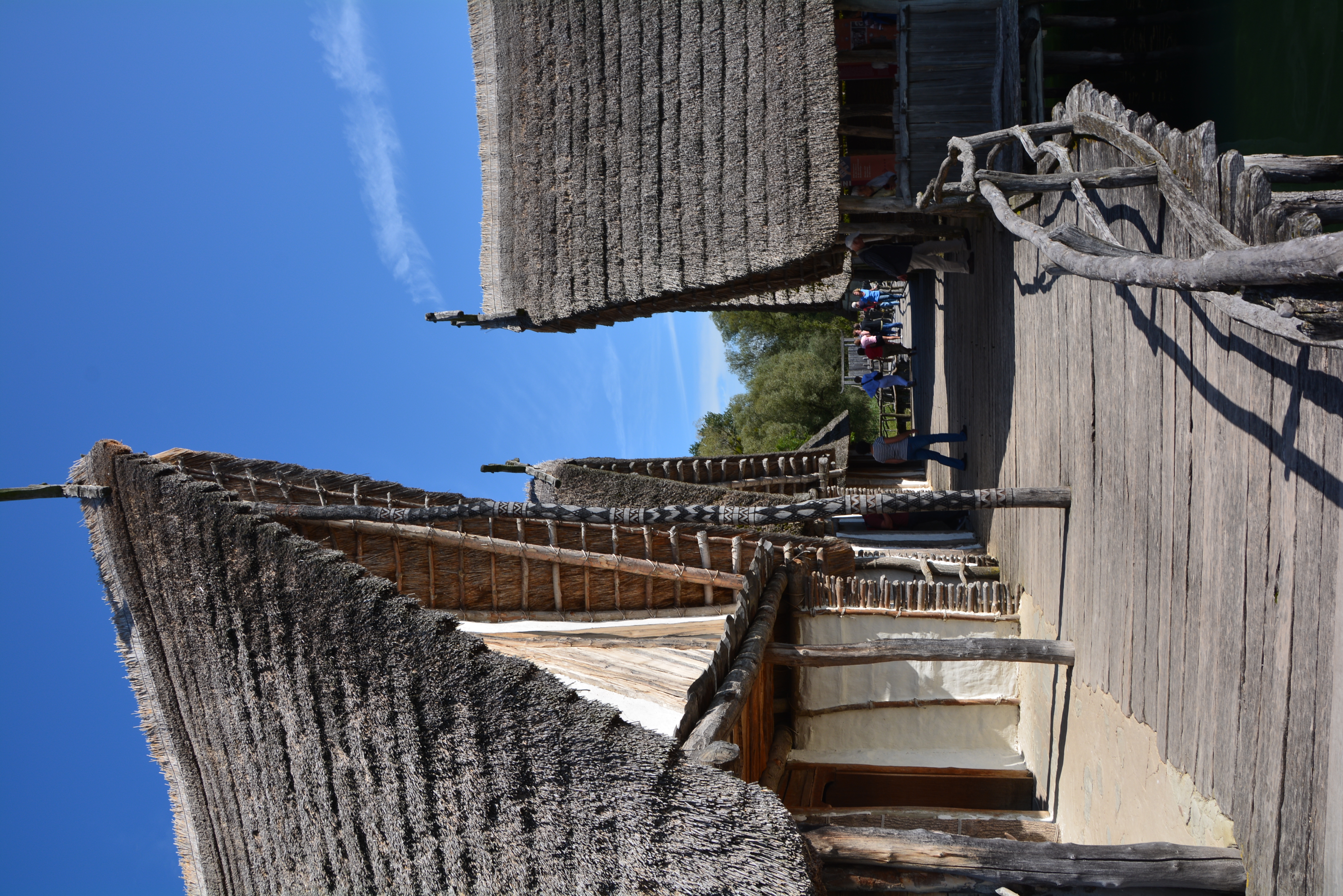
Pfahlbaumuseum Unteruhldingen
Reconstructed Neolithic and Bronze Age stilt houses.
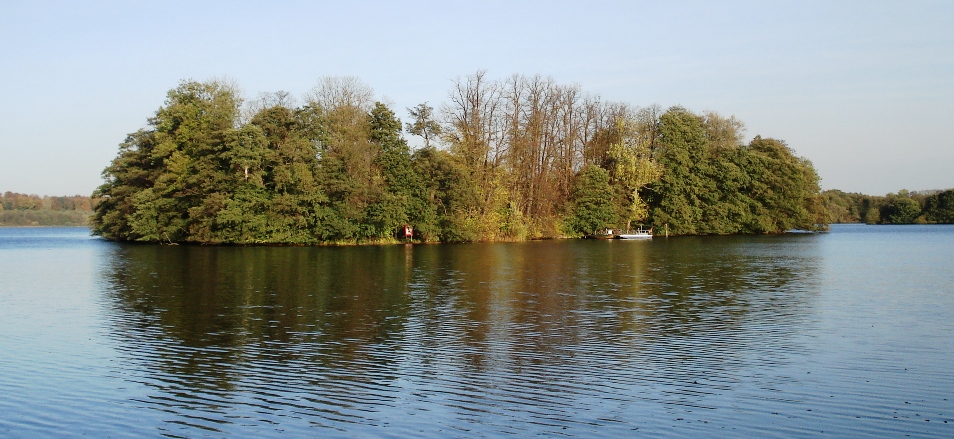
Utin (castle)
9th-century Wendish castle on island
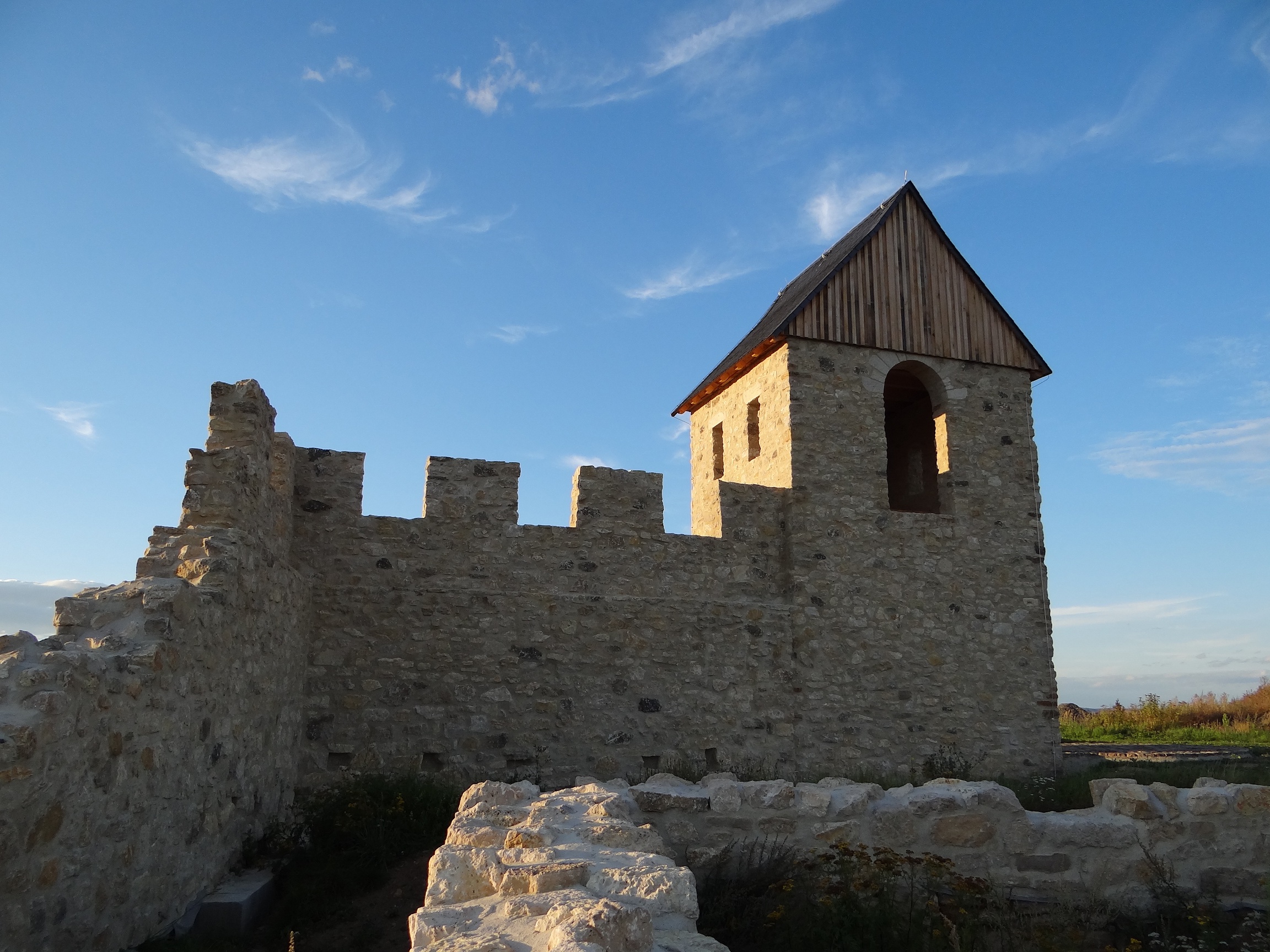
Royal palace of Werla
Ottonian palace with fortifications and settlements