Time Periods
Paleolithic
Mesolithic
Neolithic
Chalcolithic
Bronze Age
Iron Age
Classical Period
Post-Classical Period
Early Modern Period
Industrial Period
Contemporary Period
Time Periods
Paleolithic
Mesolithic
Neolithic
Chalcolithic
Bronze Age
Iron Age
Classical Period
Post-Classical Period
Early Modern Period
Industrial Period
Contemporary Period
Location
About
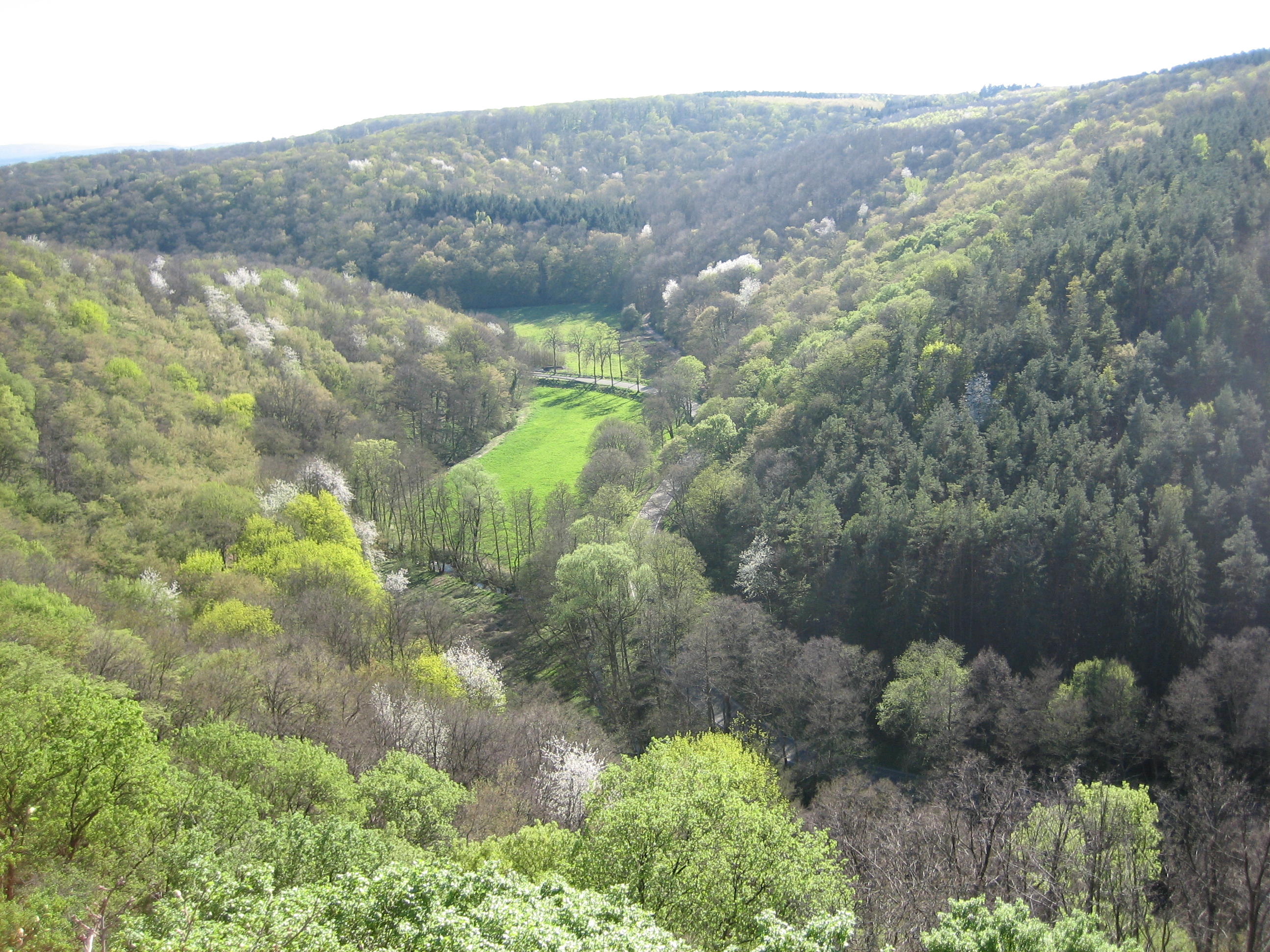
Teufelsrutsch, located in Rhenish Hesse, Germany, is a site of archaeological interest due to its varied historical features. The site includes the remains of a Celtic stronghold, indicative of the Late Iron Age, evidencing a long period of occupation or use from approximately 300 BCE to 500 CE. Additionally, the site houses the Schinderhannes Cave, an ancient cinnabar mine that was actively used from the 14th century to 1790 CE. The mine's historical significance is enhanced by its association with the infamous outlaw Johannes Bückler, known as Schinderhannes. The site's natural deposits of amethyst and other minerals further contribute to its archaeological and geological significance. This combination of natural and human-made features makes Teufelsrutsch a unique location for both archaeological study and public interest.
Gallery
Explore photographs of ancient structures, artifacts, and archaeological excavations at Teufelsrutsch
Archaeological Features
Explore the unique architectural and cultural elements found at this historical site
Defensive Structures
Industrial and Craft Structures
Environmental and Natural Features
Historical Timeline
Journey through time and discover key events in this site's archaeological history
Plan Your Visit
Details
- Country
- Germany
- Source
- Wikipedia
More Sites in Germany
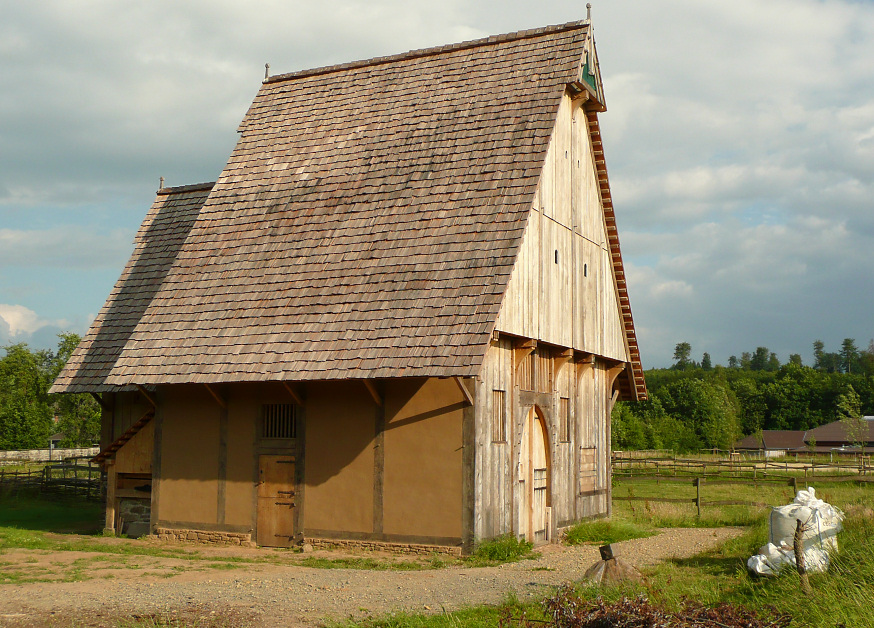
Nienover
Large deserted medieval town in Europe.
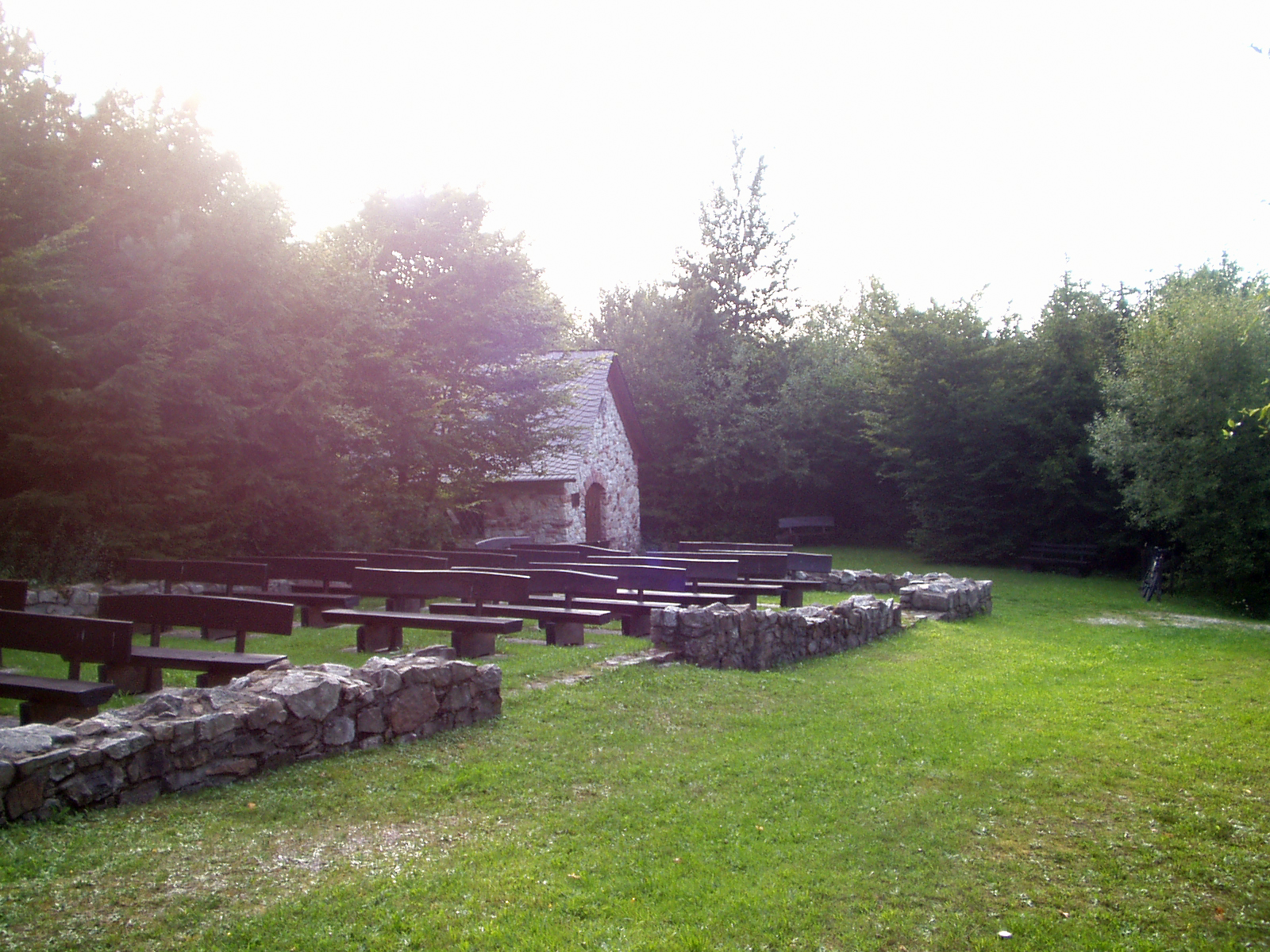
Eremitage Maria Reizenborn
Former hermitage with Celtic sanctuary remains
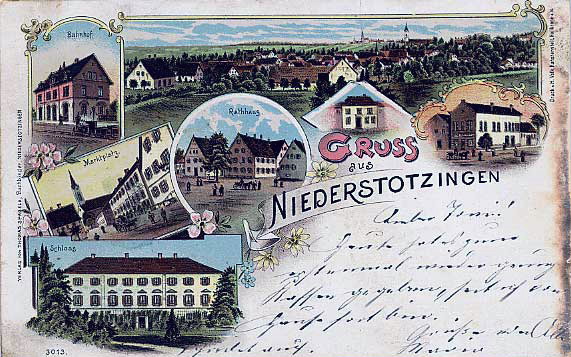
Niederstotzingen
Prehistoric carvings and Roman structures
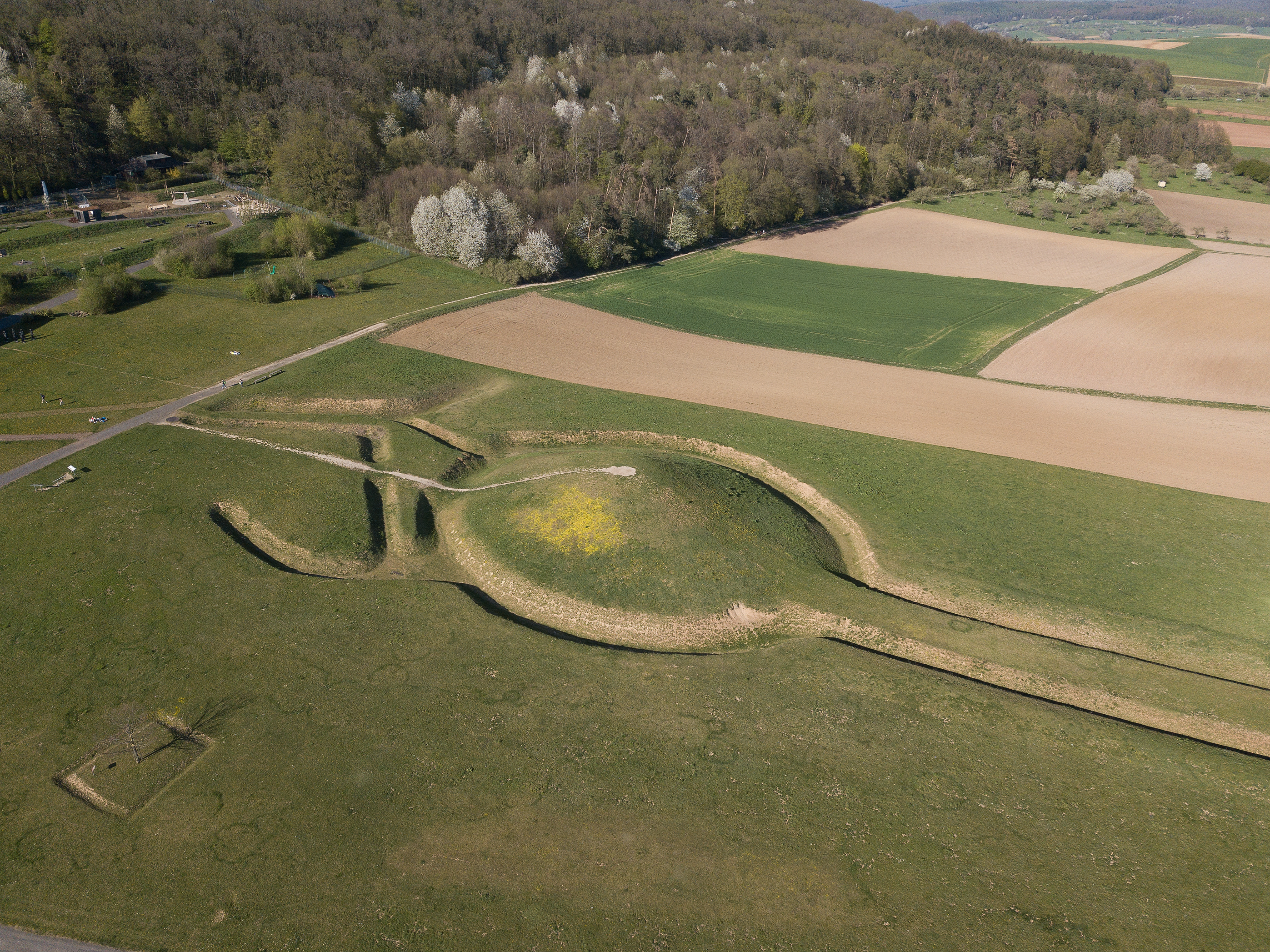
Glauberg
Celtic hillfort with burial mounds and statues
Fahrenholz (Heidmark)
Abandoned village with historic farms.
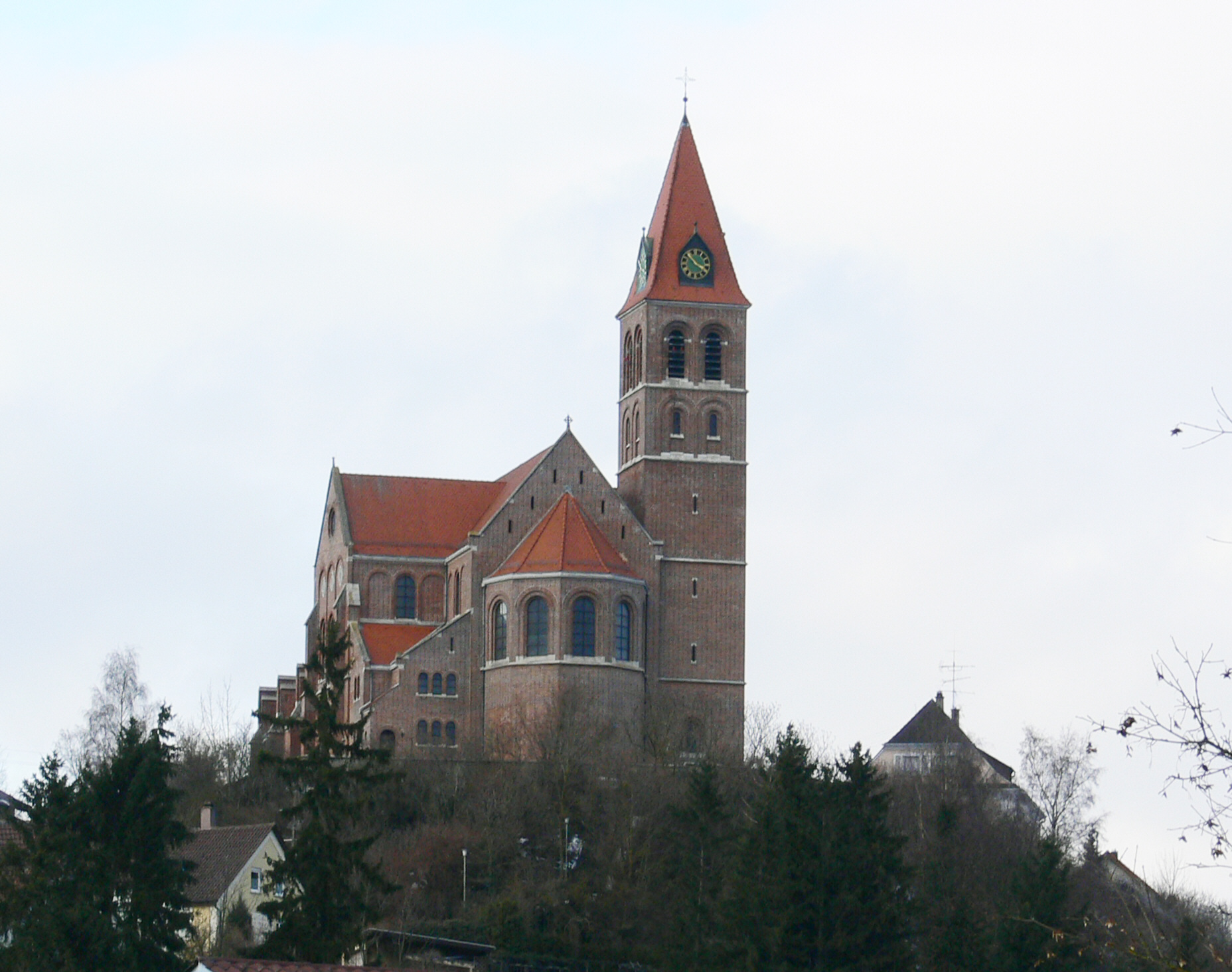
Hundersingen
Celtic hillfort with burial mounds and enclosures