Explore the Map
Glauberg
50.3053° N, 9.0086° E
About
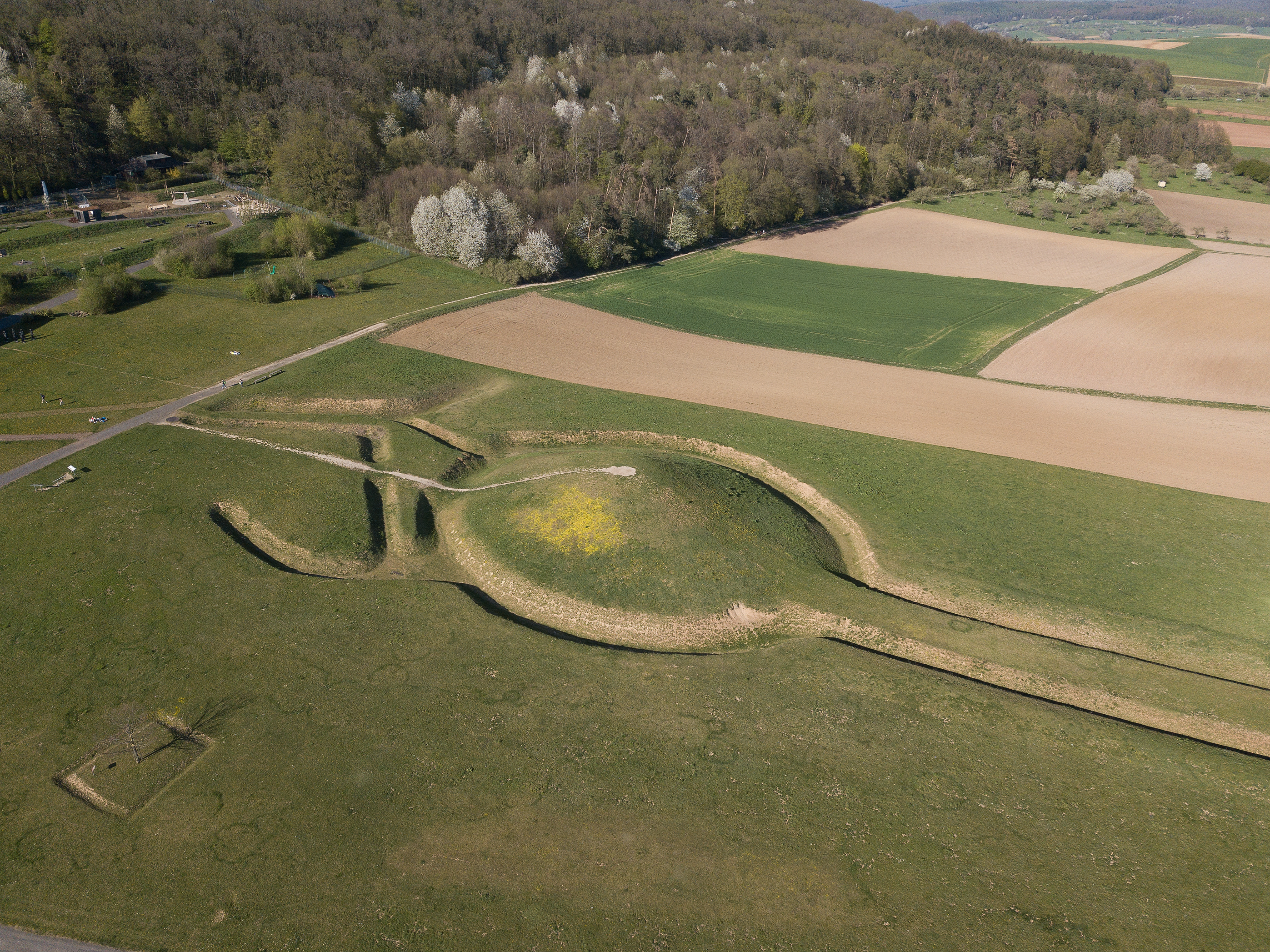
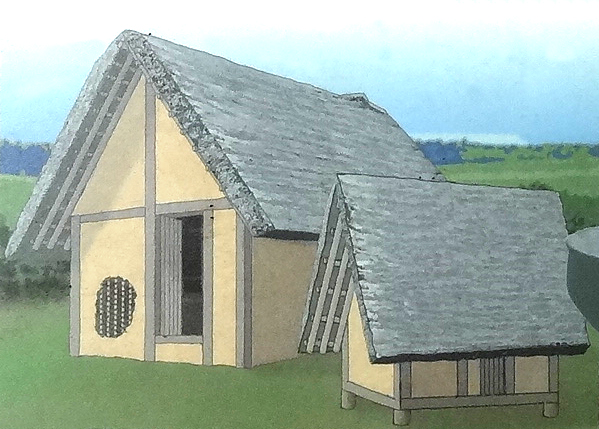
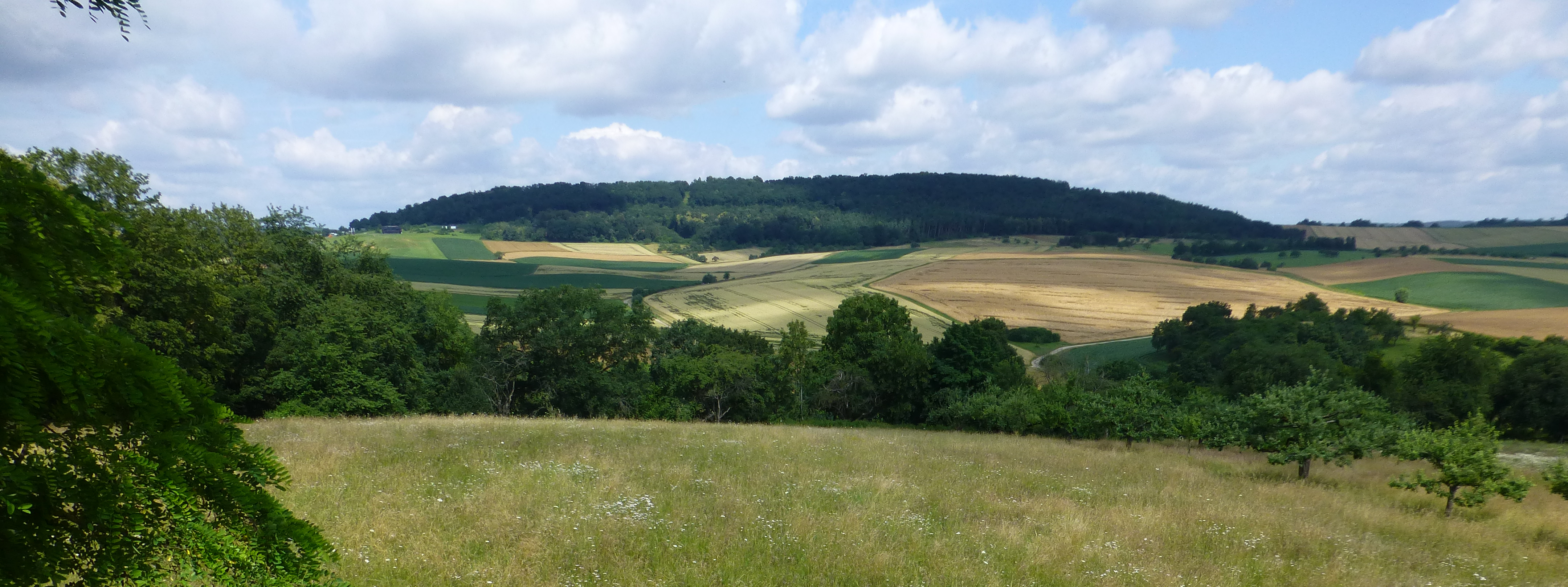
The Glauberg is a significant archaeological site located in Hesse, Germany, known for its rich Celtic history and remarkable archaeological finds. It features a Celtic hillfort, dating back to the late Hallstatt and early La Tène periods, with extensive fortifications and burial mounds. The site showcases a blend of defensive structures like ramparts and ditches, along with ritual features, including stelae and ceremonial platforms. Notably, the Glauberg harbors high-status burial mounds, known as 'princely' burials, adorned with valuable artifacts such as gold torcs and weapons. A life-sized sandstone statue of a Celtic warrior, discovered near these mounds, underscores its cultural and historical significance. The site also offers insights into the settlement patterns from the Neolithic era through the medieval period, revealing its continuous importance in different epochs. As a proto-urban center, Glauberg highlights the social hierarchies and trade networks of early Celtic Europe, making it a pivotal location for understanding prehistoric and early historic European societies.
Gallery
Explore photographs of ancient structures, artifacts, and archaeological excavations
Historical Timeline
Journey through time and discover key events in this site's history
Neolithic settlement
4500 BCE
Michelsberg culture settlement
4000 BCE
Urnfield culture settlement
1000 BCE
Celtic fortifications
600 BCE
Princely burial
500 BCE
Roman occupation avoidance
0 CE
Alamanni reoccupation
400 CE
Frankish fortification
600 CE
Staufer castle construction
1100 CE
Archaeological Features
Unique architectural and cultural elements found at this historical site
Defensive Structures
Water Management Features
Burial and Funerary Structures
Religious and Ritual Structures
Artistic and Decorative Features
Domestic and Habitation Structures
Astronomical and Timekeeping Structures
Frequently Asked Questions
Plan Your Visit
Tours, travel arrangements, and practical information
More Sites in Germany
Kyffhausen Castle
Medieval castle ruin with Neolithic origins
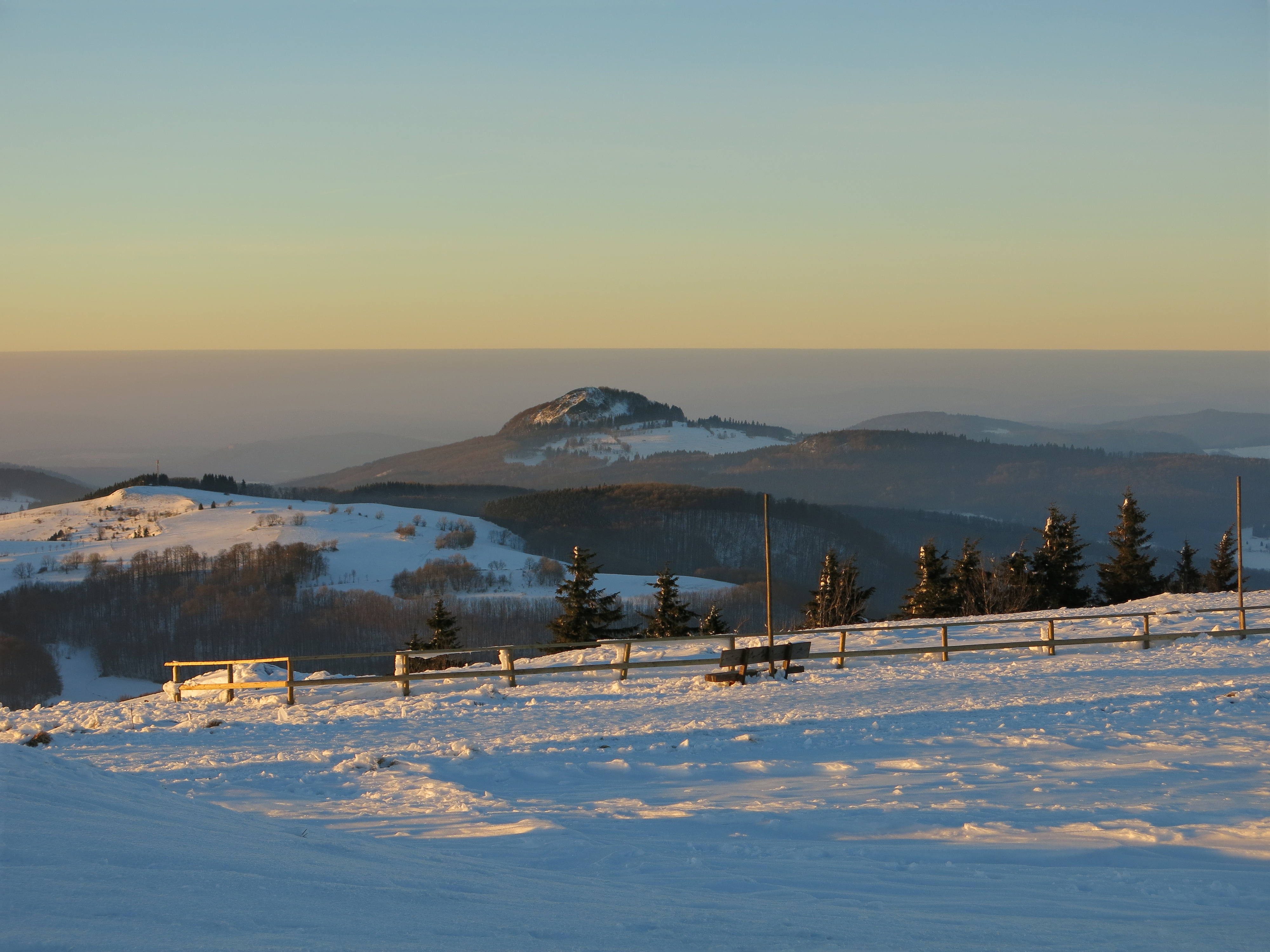
Milseburg
Extinct volcano with Celtic oppidum remains
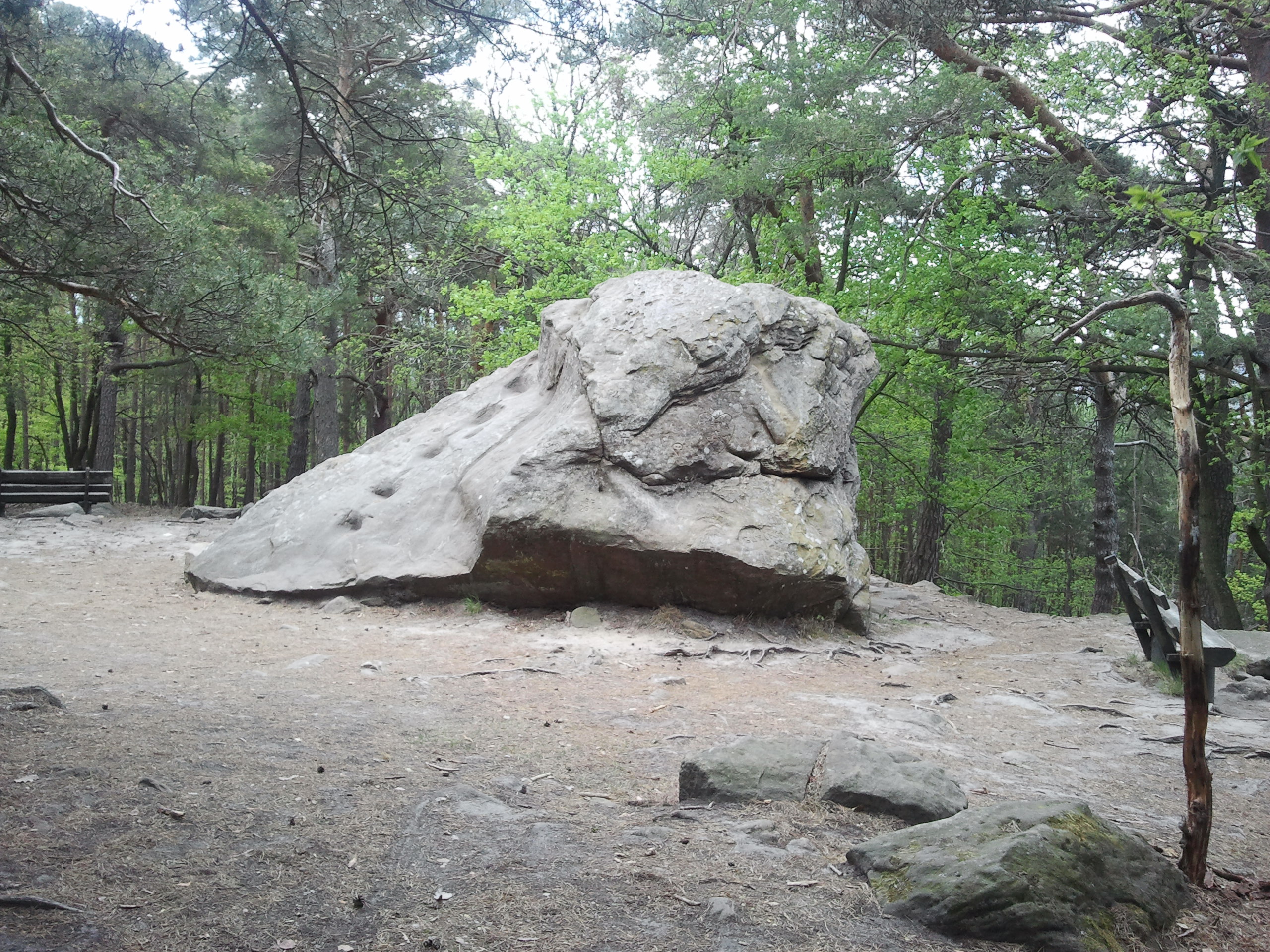
Teufelsstein (Haardt)
Monolith with Celtic and Roman carvings
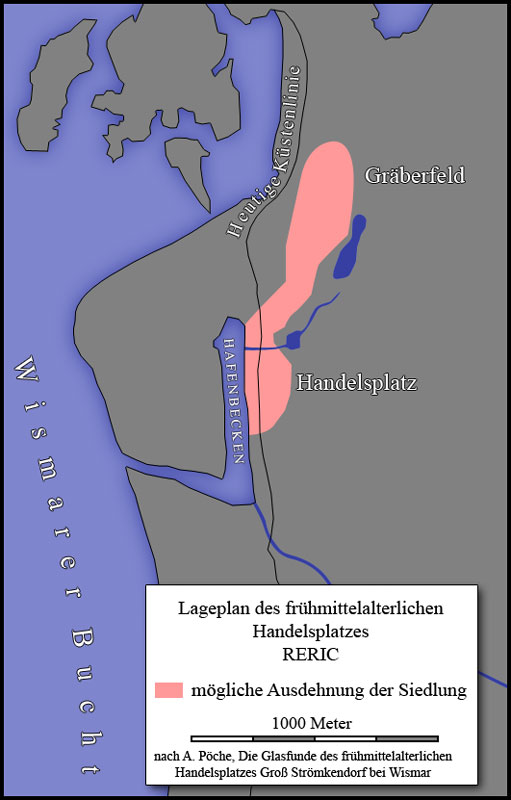
Reric
Slavic-Scandinavian Viking Age emporium remains
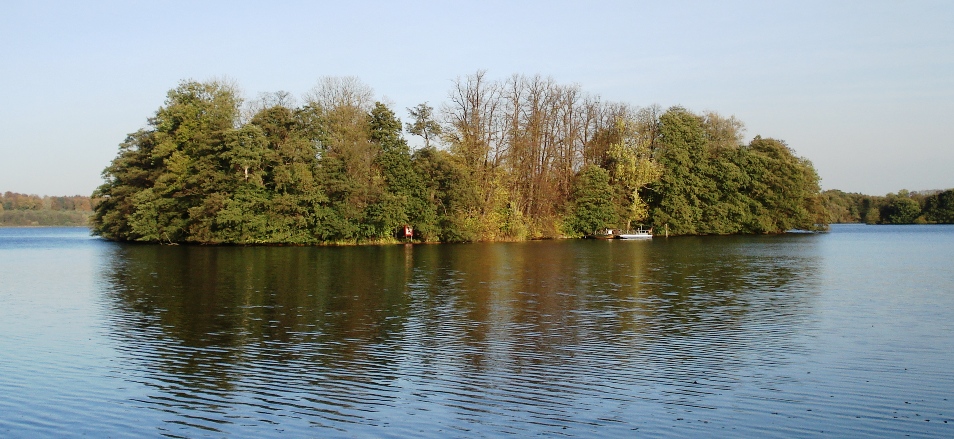
Utin (castle)
9th-century Wendish castle on island
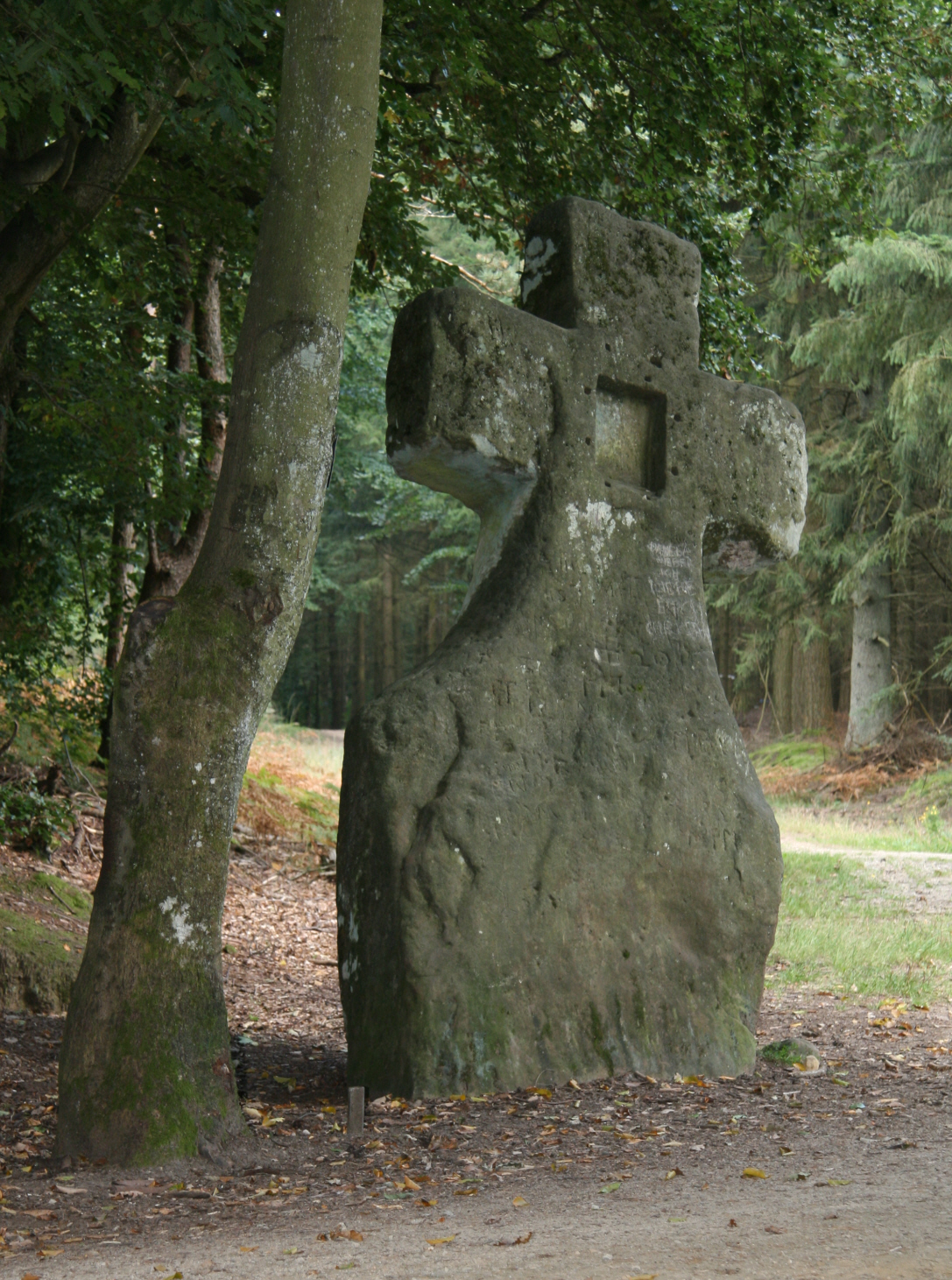
Fraubillen cross
Resculpted menhir into a Christian cross