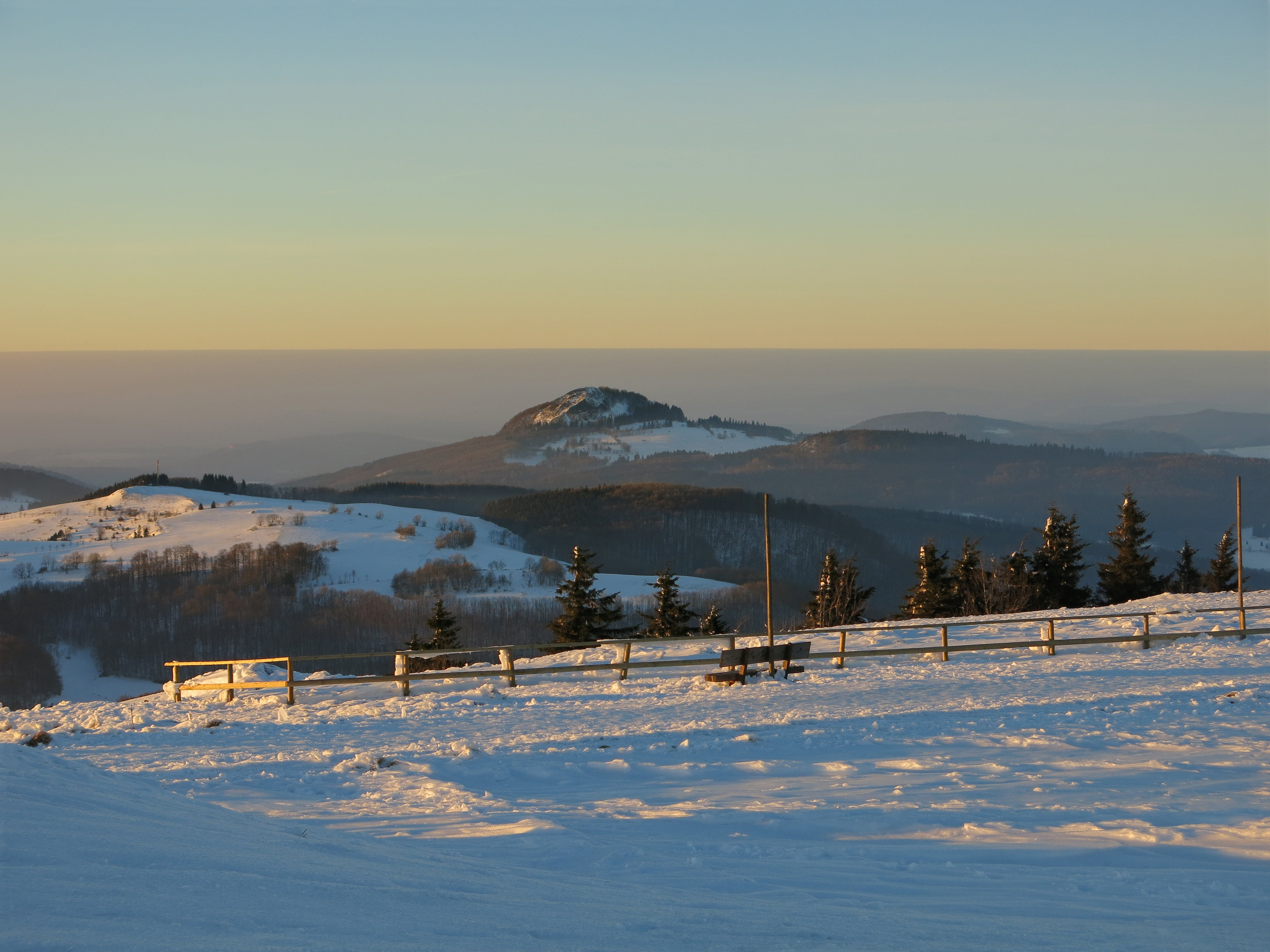
Explore the Map
Milseburg
50.5450° N, 9.8981° E
About
Milseburg, an extinct volcano in the Rhön Mountains of Germany, is archaeologically significant for its large Celtic oppidum. The site features a prominent hill fort with extensive ramparts and traces of a settlement dating from the Late Bronze Age through the Early and Middle Iron Ages. This oppidum was a nexus of Celtic and Germanic cultural interaction, evidenced by artifacts from both the Urnfield and Corded Ware cultures. The hill fort includes well-preserved defensive features and habitation structures, such as circular living pods. Additionally, the site holds religious significance, with a chapel dedicated to St. Gangulphus and a group of statues depicting a Crucifixion scene, reflecting its continued spiritual importance through the ages.
Gallery
Explore photographs of ancient structures, artifacts, and archaeological excavations

Historical Timeline
Journey through time and discover key events in this site's history
Corded Ware culture artifact
2500 BCE to 1800 BCE
Urnfield culture artifact
1200 BCE to 800 BCE
Celtic oppidum occupation
450 BCE to 1 BCE
Archaeological Features
Unique architectural and cultural elements found at this historical site
Defensive Structures
Religious and Ritual Structures
Domestic and Habitation Structures
Frequently Asked Questions
Plan Your Visit
Tours, travel arrangements, and practical information


More Sites in Germany
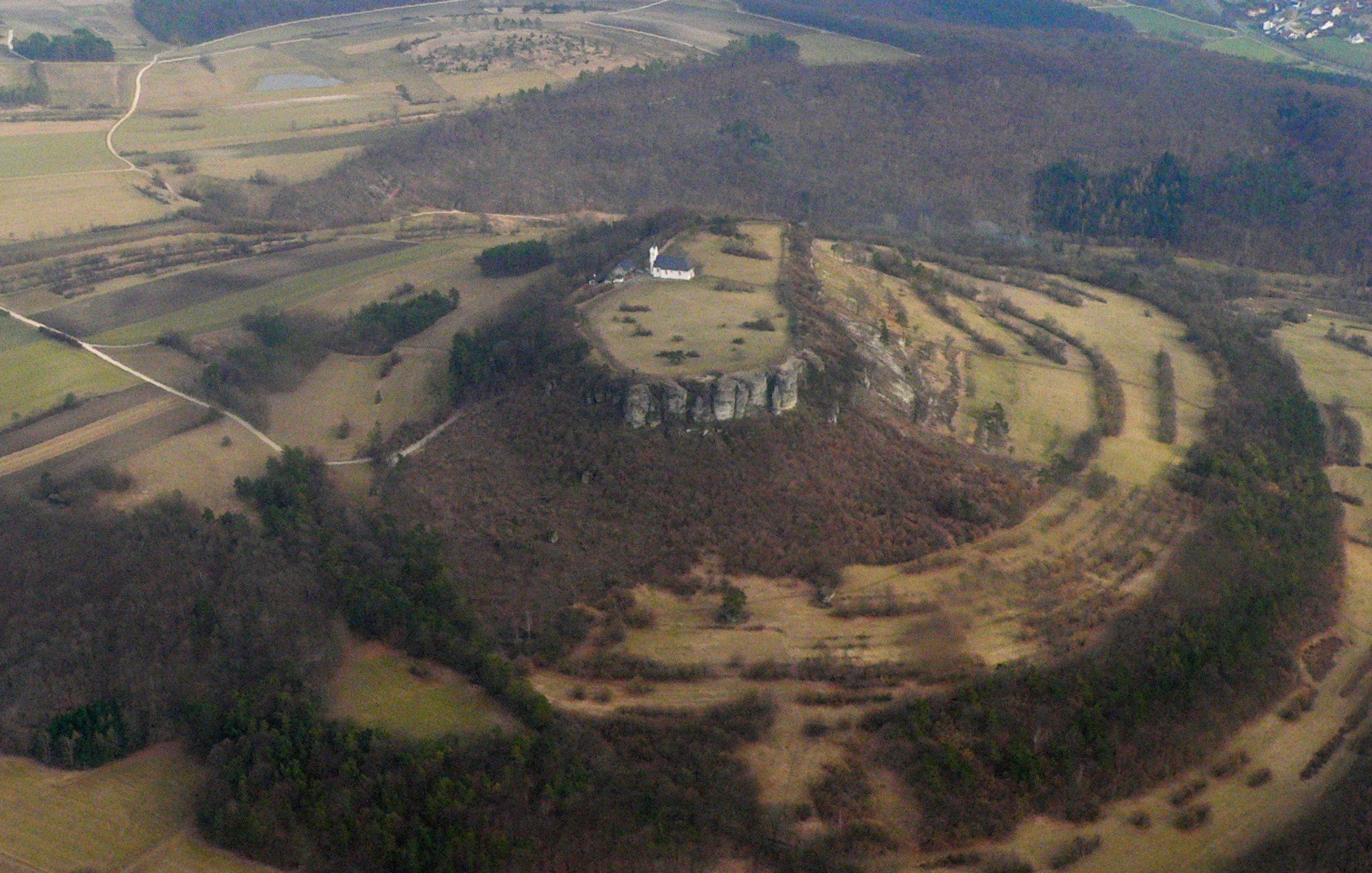
Menosgada
Celtic oppidum with defensive structures
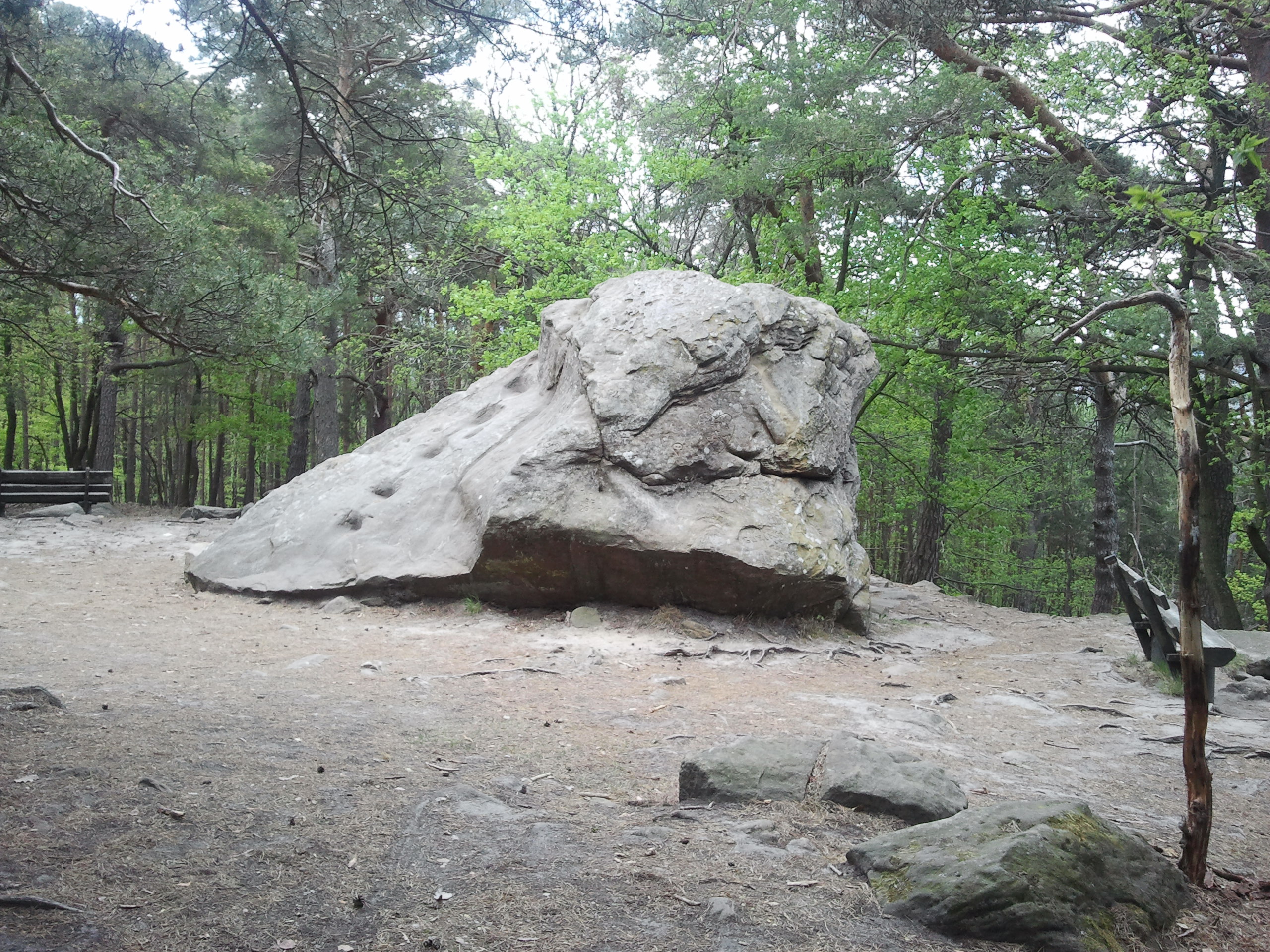
Teufelsstein (Haardt)
Monolith with Celtic and Roman carvings
Kyffhausen Castle
Medieval castle ruin with Neolithic origins
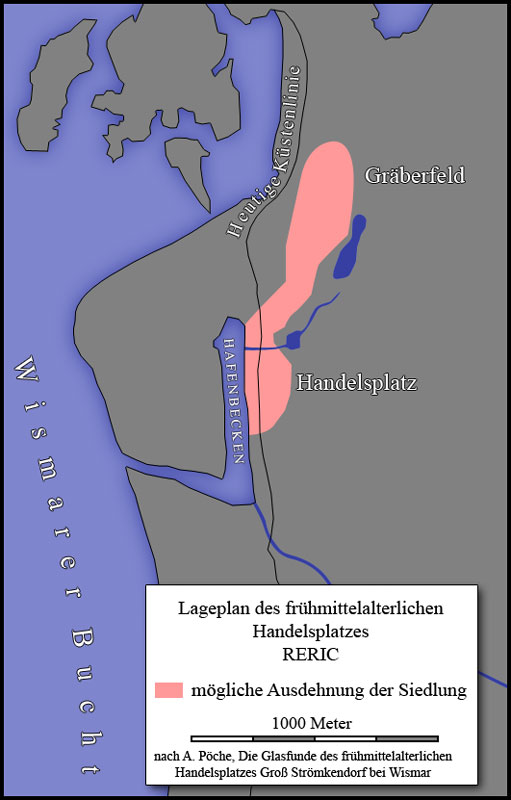
Reric
Slavic-Scandinavian Viking Age emporium remains
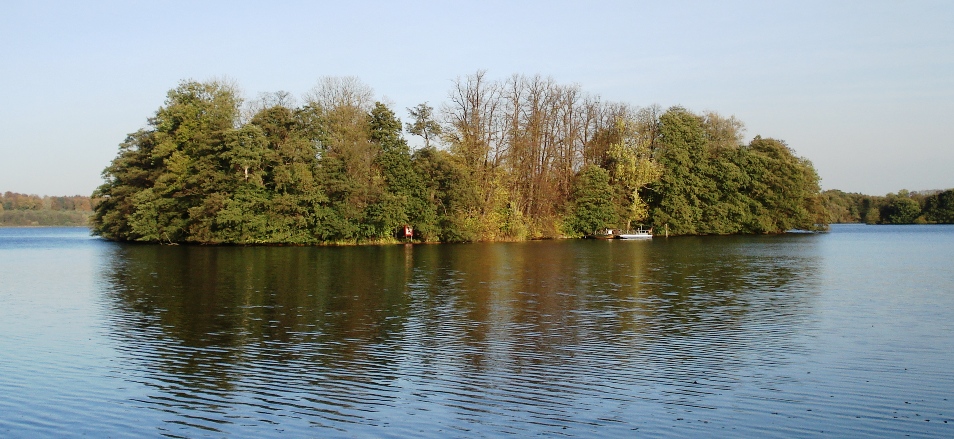
Utin (castle)
9th-century Wendish castle on island
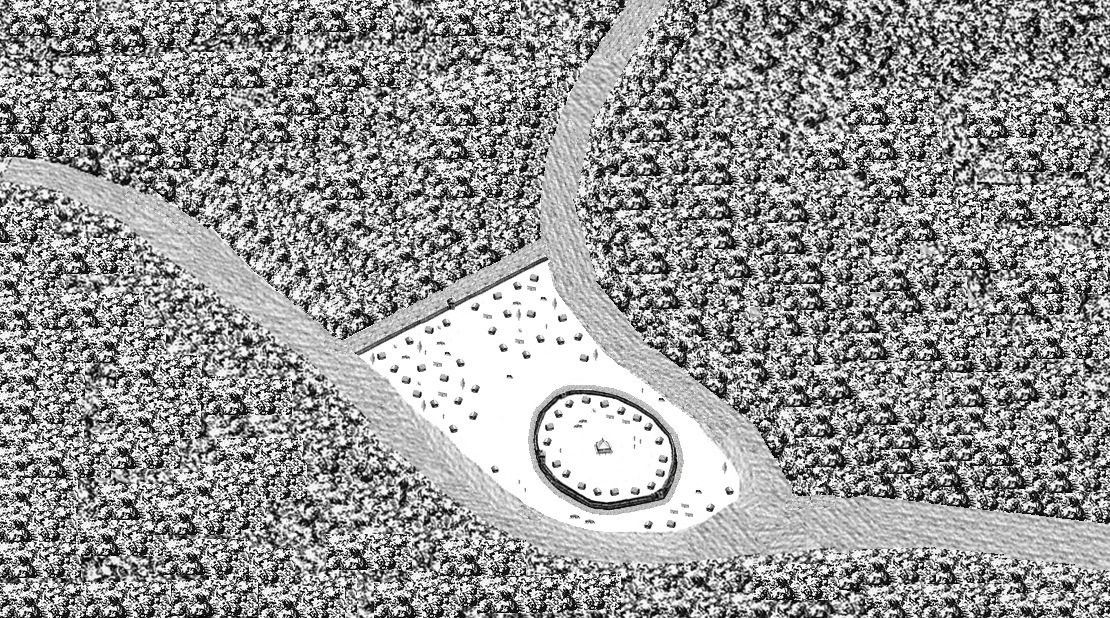
Liubice
Medieval Slavic settlement with fortifications.