Explore the Map
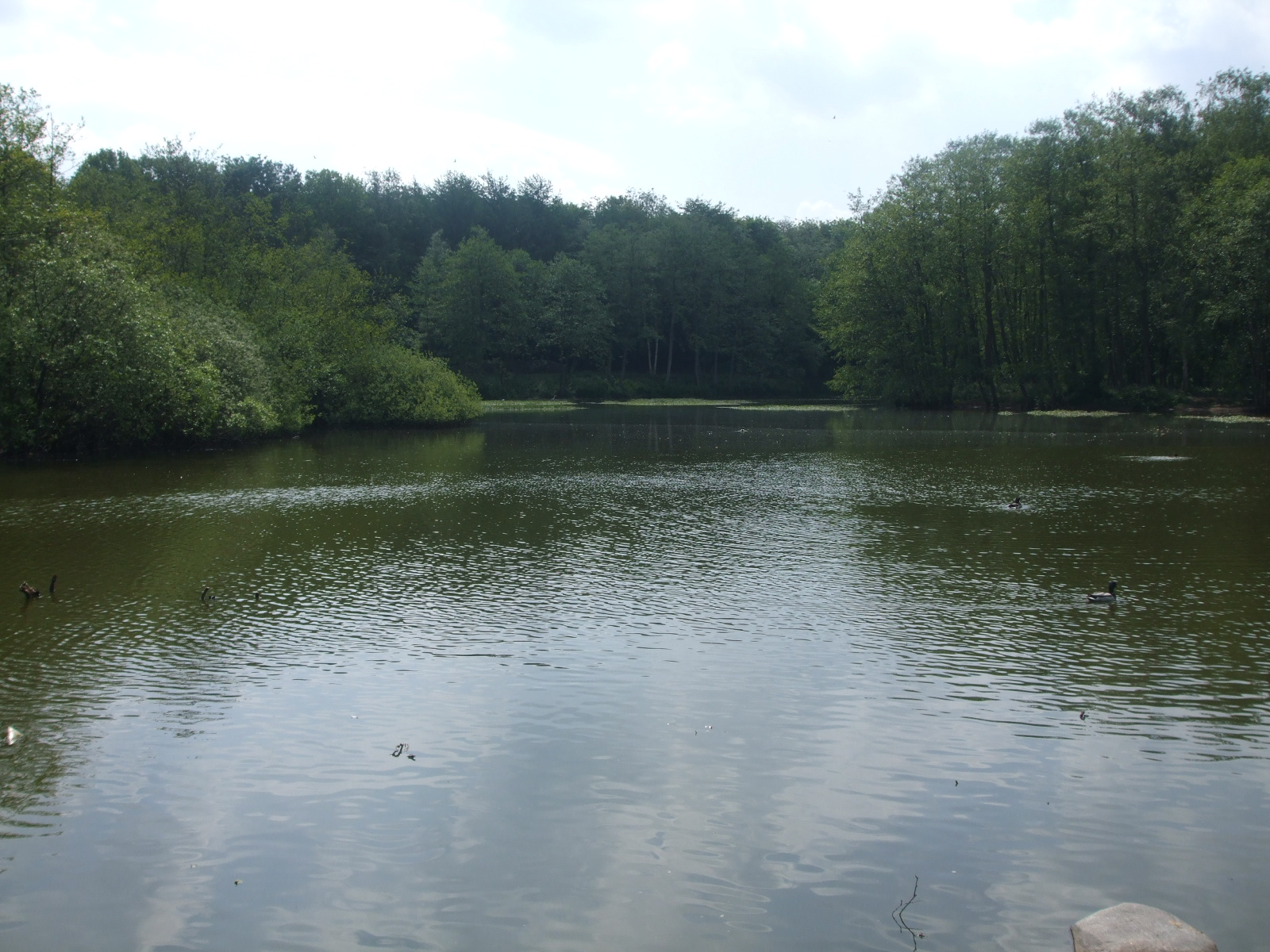
Thorsberg moor
54.6400° N, 9.7700° E
About
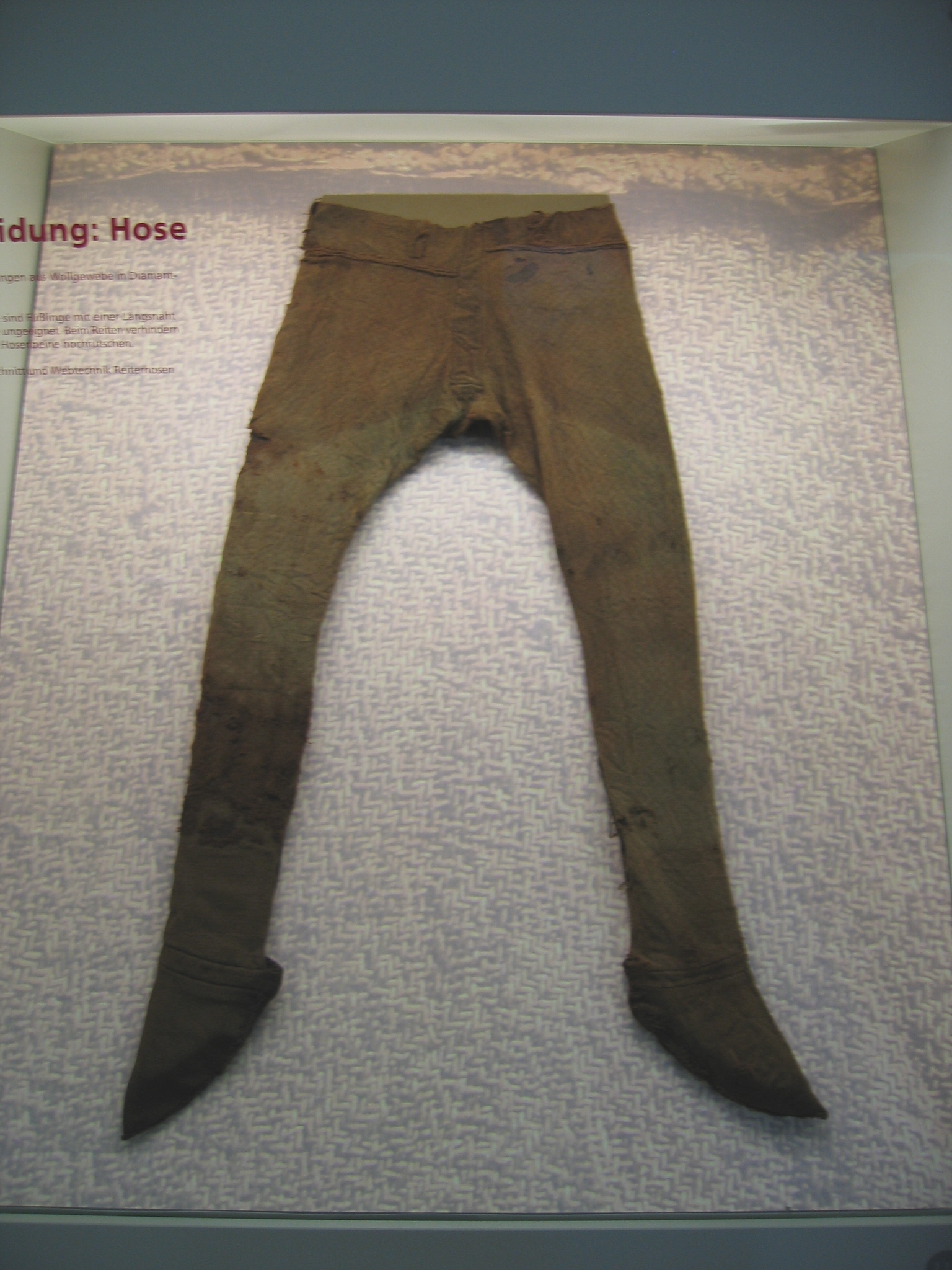
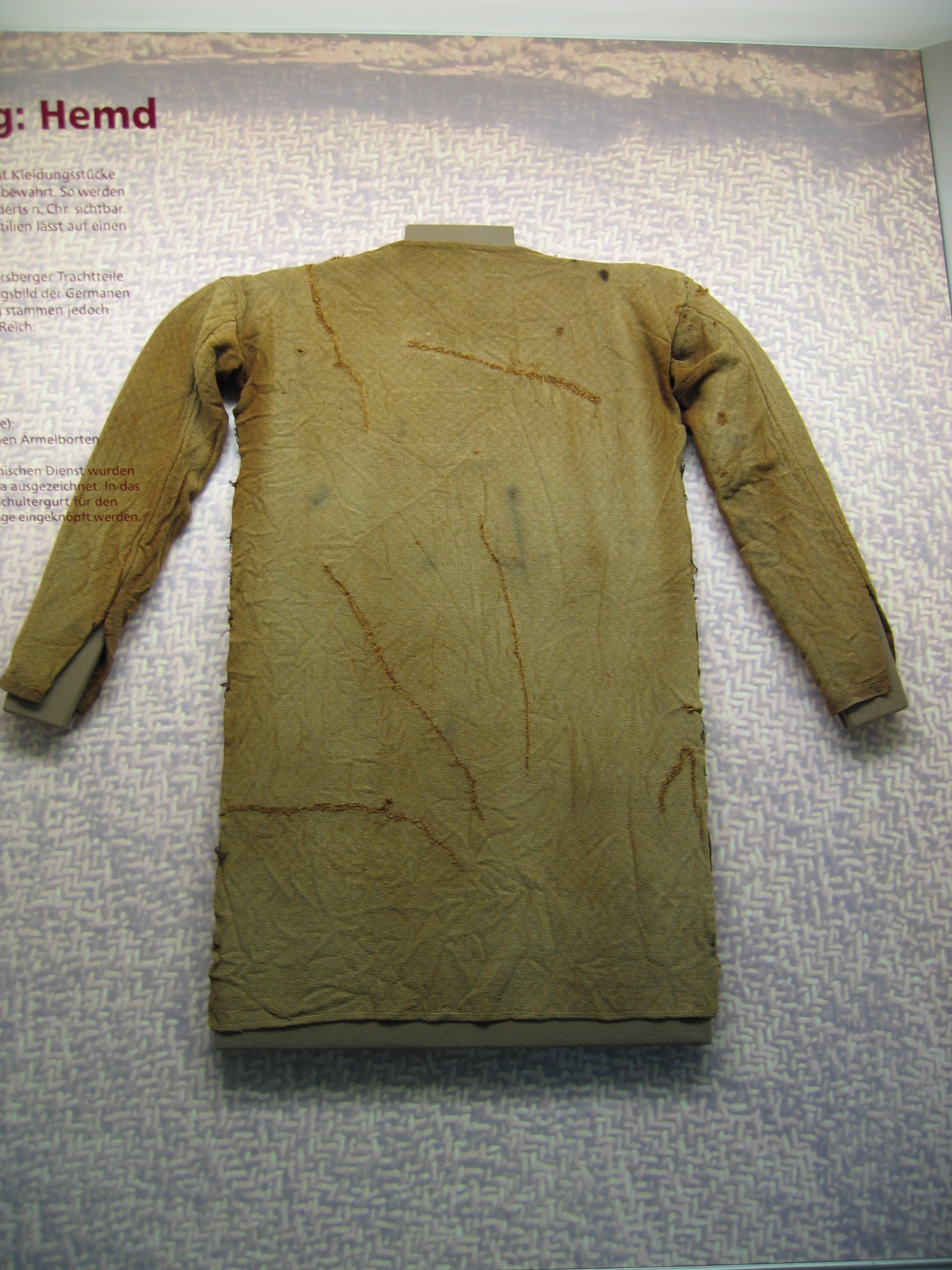
The Thorsberg moor, located near Süderbrarup in Schleswig-Holstein, Germany, is a significant archaeological site known for its Roman Iron Age votive offerings. Spanning from approximately 100 BCE to 500 CE, the site contains a rich array of artifacts, including Roman military decorations, runic inscriptions, and early examples of Germanic and Roman clothing. The site is notable for its sacrificial nature, with many weapons deliberately damaged in a ritualistic manner, reflecting practices common among Celtic peoples. The presence of early Elder Futhark runes and Roman artifacts illustrates the cultural exchanges between Roman and Germanic peoples. The Thorsberg moor provides crucial insights into the religious practices and material culture of the Angles and other Germanic tribes during the Late Iron Age and the Classical Period.
Gallery
Explore photographs of ancient structures, artifacts, and archaeological excavations
Historical Timeline
Journey through time and discover key events in this site's history
Votive Offerings Deposited
100 BCE to 500 CE
Roman and Germanic Artifacts
100 BCE to 300 CE
Increased Weapon Deposits
200 CE
Archaeological Features
Unique architectural and cultural elements found at this historical site
Miscellaneous Features
Burial and Funerary Structures
Religious and Ritual Structures
Frequently Asked Questions
Plan Your Visit
Tours, travel arrangements, and practical information
More Sites in Germany
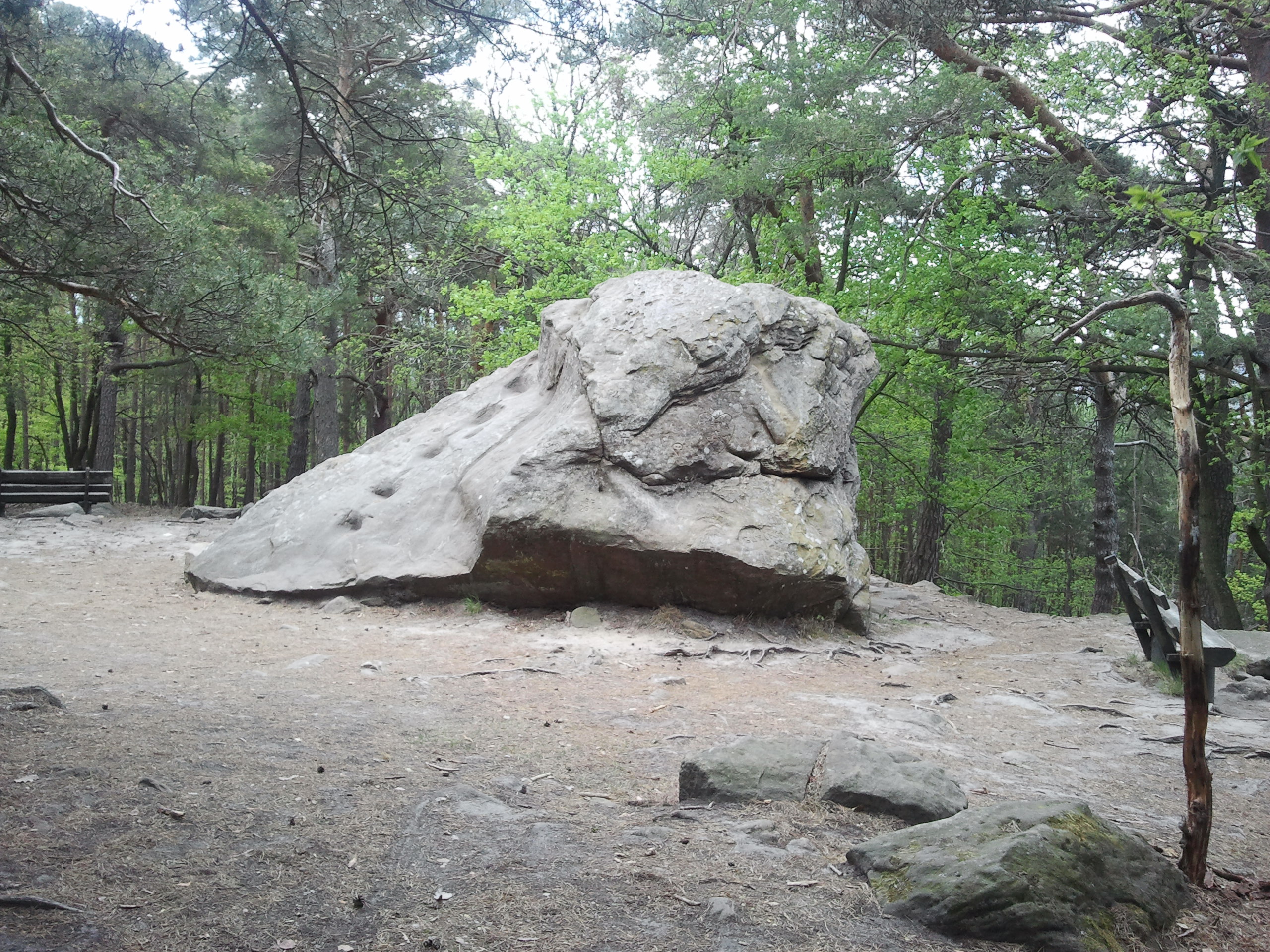
Teufelsstein (Haardt)
Monolith with Celtic and Roman carvings
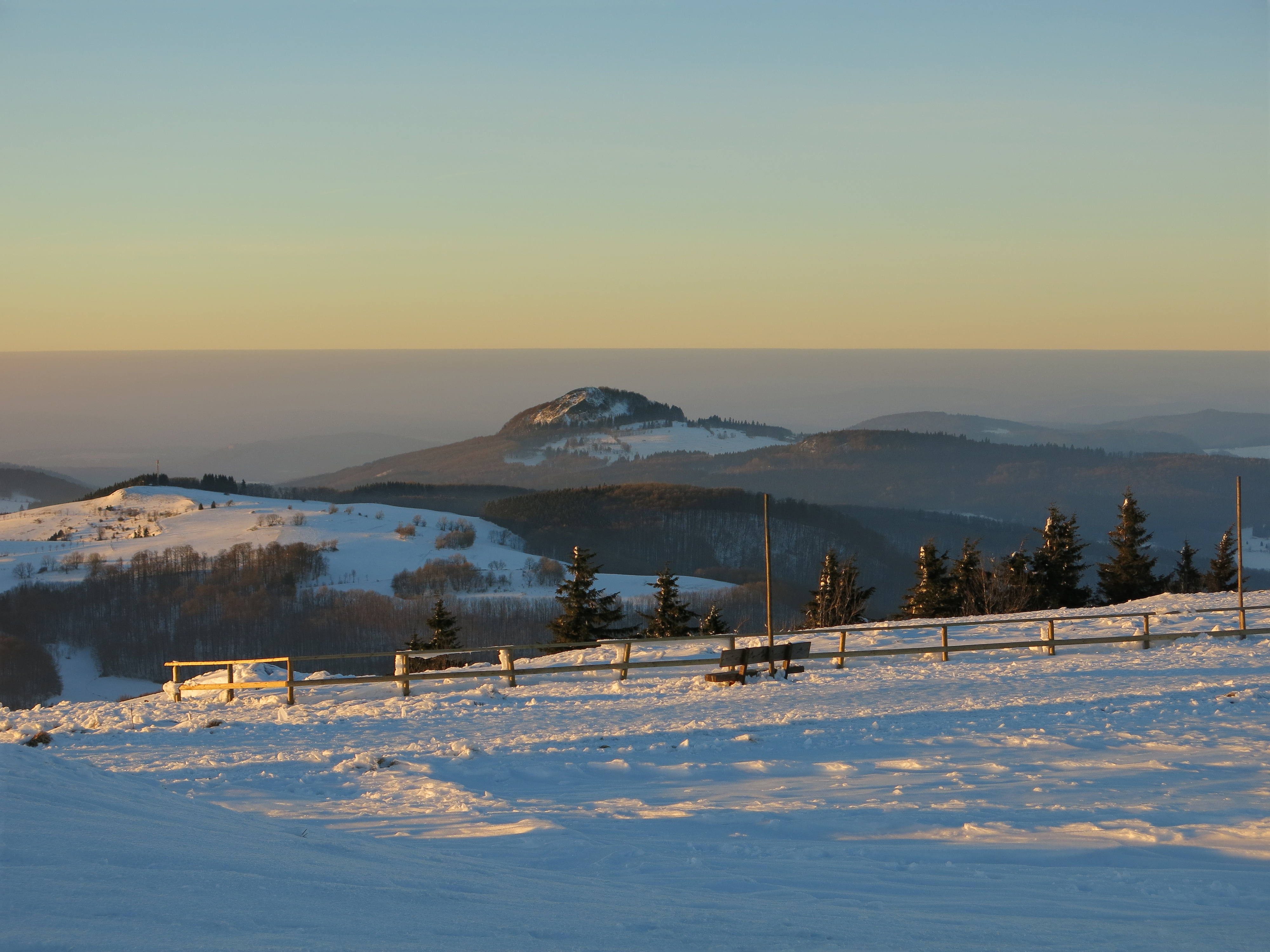
Milseburg
Extinct volcano with Celtic oppidum remains
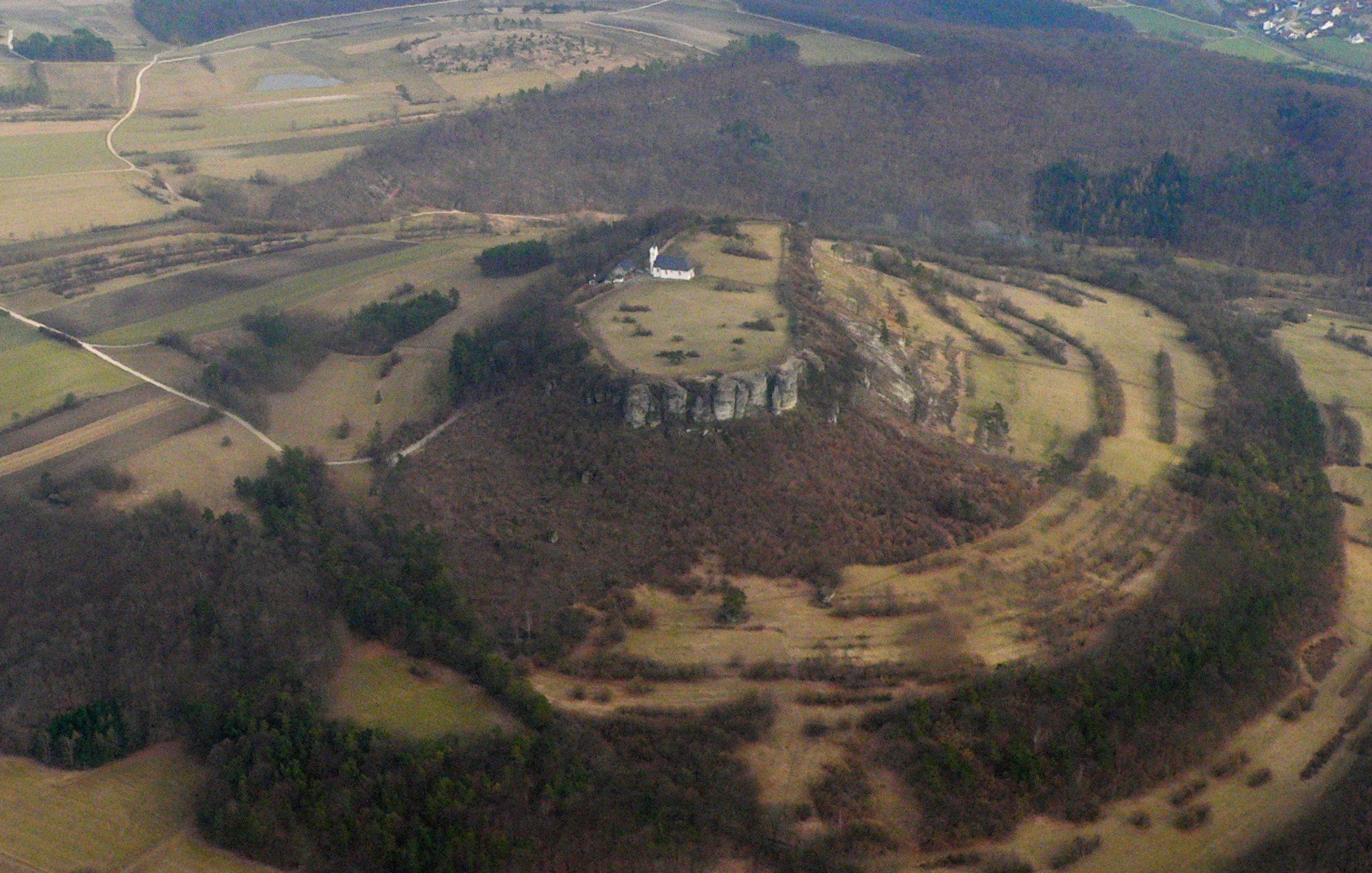
Menosgada
Celtic oppidum with defensive structures
Kyffhausen Castle
Medieval castle ruin with Neolithic origins
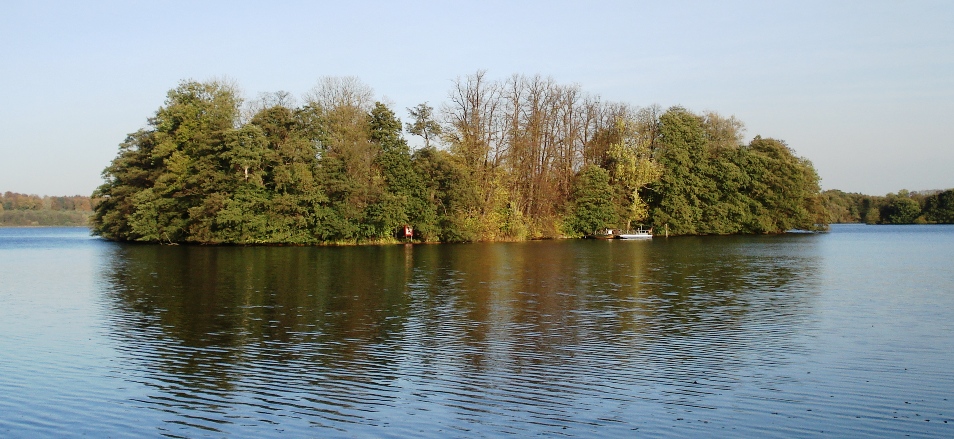
Utin (castle)
9th-century Wendish castle on island
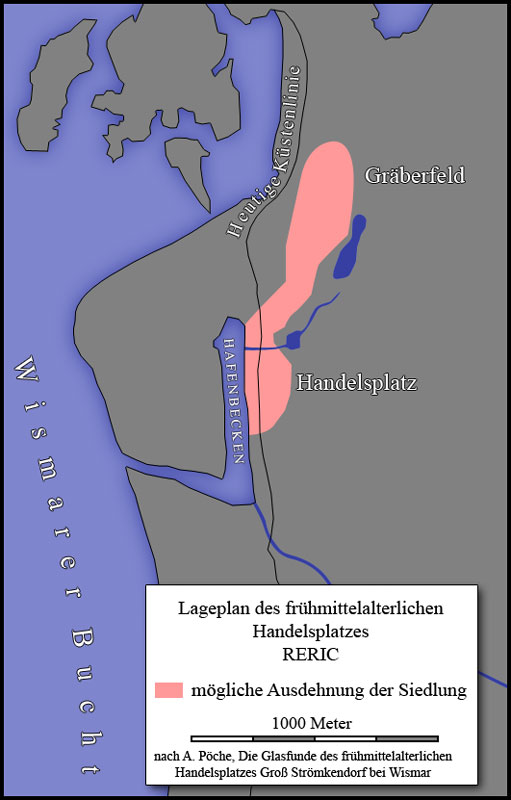
Reric
Slavic-Scandinavian Viking Age emporium remains