Explore the Map
Menosgada
50.0922° N, 11.0247° E
About
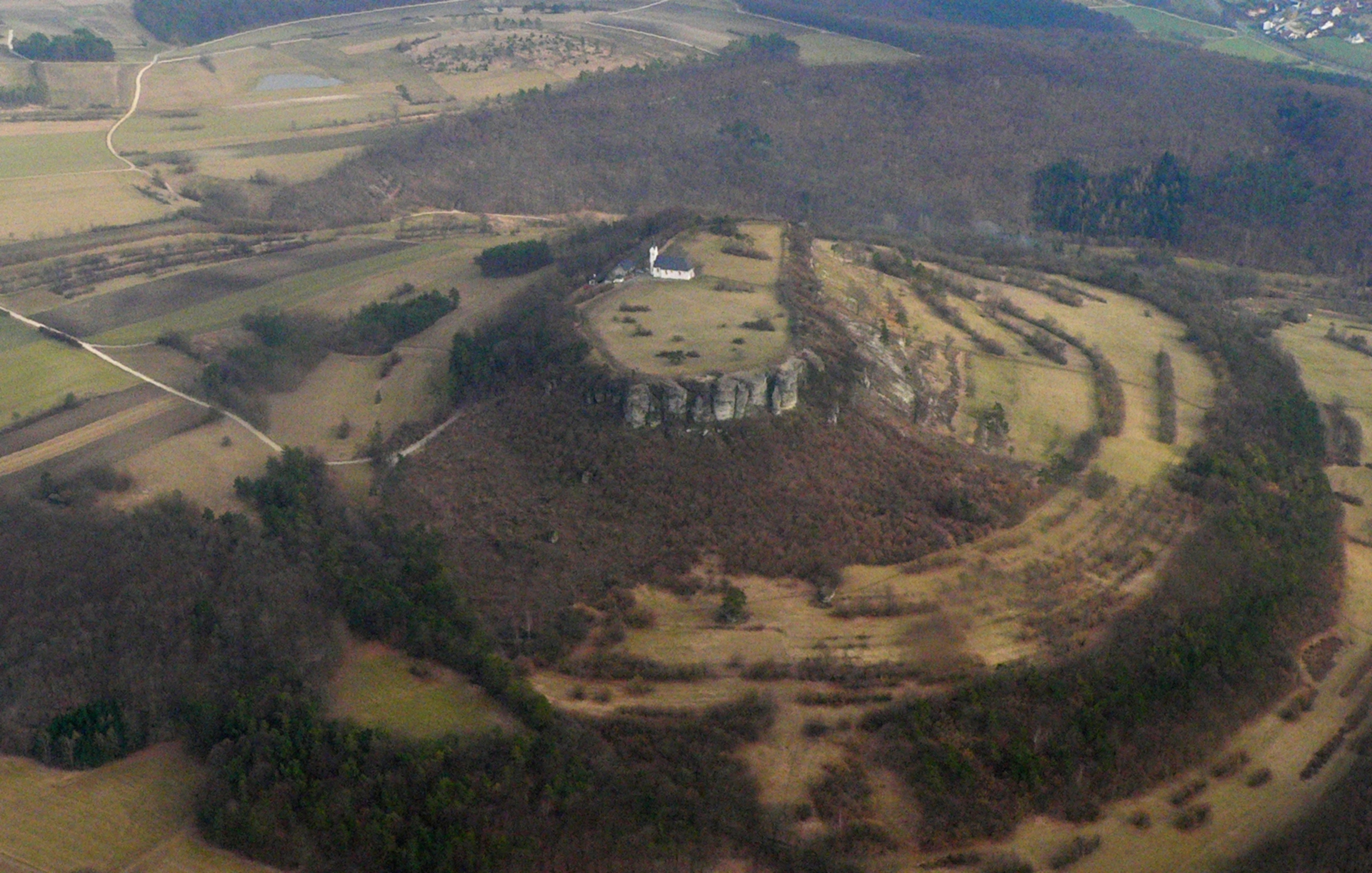
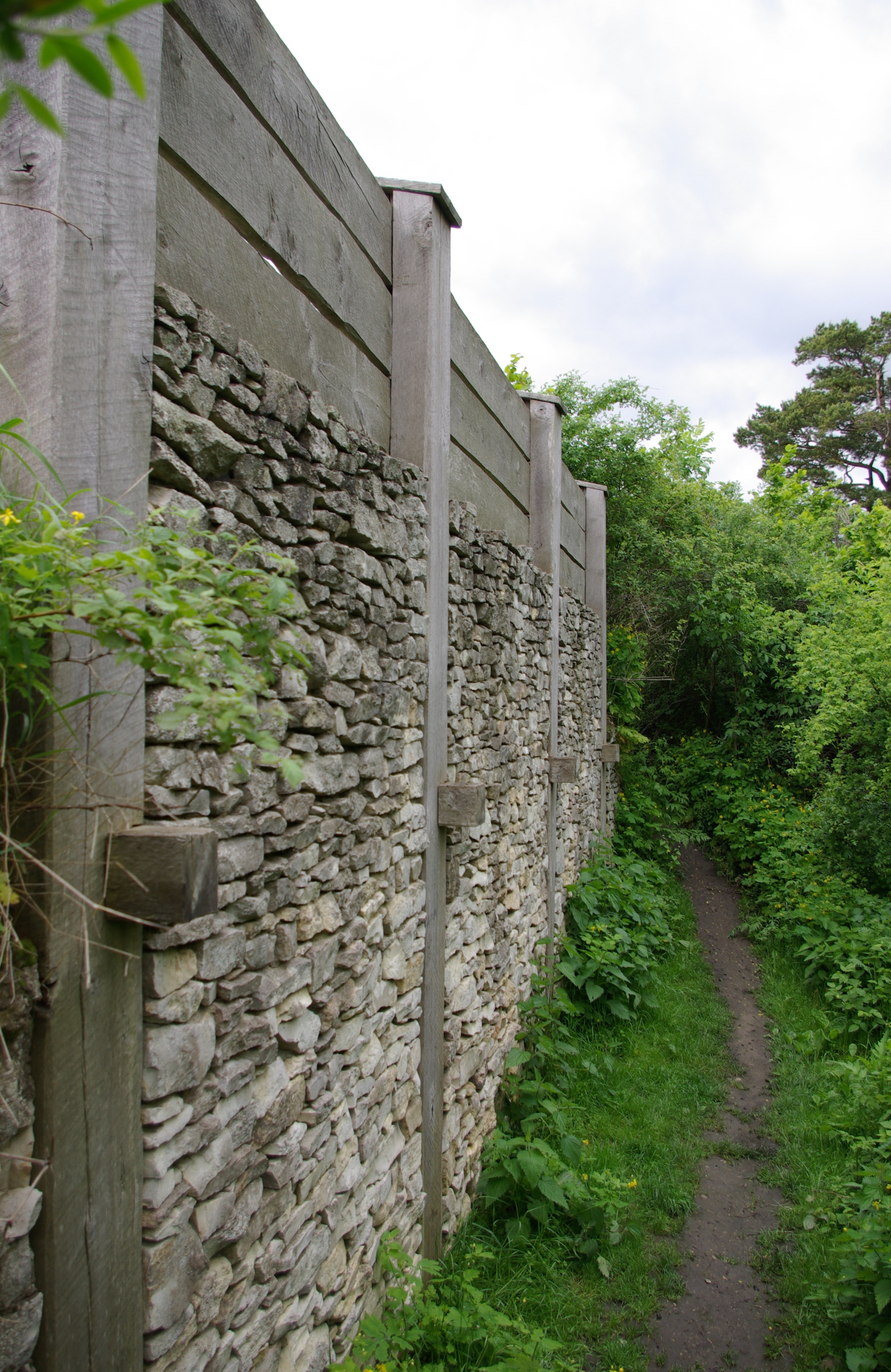
Menosgada was a significant Celtic oppidum located on the Staffelberg hill, referenced by the ancient geographer Ptolemy. This site, dating back to the 1st millennium BCE, represents a crucial settlement of the Celts in what is now Bavaria. Expanded around 200 BCE, it was fortified with a substantial 2,800-meter-long defensive wall and ditch, protecting an area of 49 hectares, with a central acropolis spanning 3 hectares. The site's strategic importance is underscored by its role as the northernmost Celtic oppidum in the region, facing threats from both neighboring Jura lands and later Roman incursions. It was ultimately abandoned around 50 BCE during Roman attempts to advance eastward, reflecting the turbulent interactions between Celts, Romans, and Germanic tribes during this period.
Gallery
Explore photographs of ancient structures, artifacts, and archaeological excavations
Historical Timeline
Journey through time and discover key events in this site's history
Oppidum Expansion
200 BCE
Site Abandonment
50 BCE
Celtic Settlement
No specific date available
Archaeological Features
Unique architectural and cultural elements found at this historical site
Defensive Structures
Domestic and Habitation Structures
Frequently Asked Questions
Plan Your Visit
Tours, travel arrangements, and practical information
More Sites in Germany
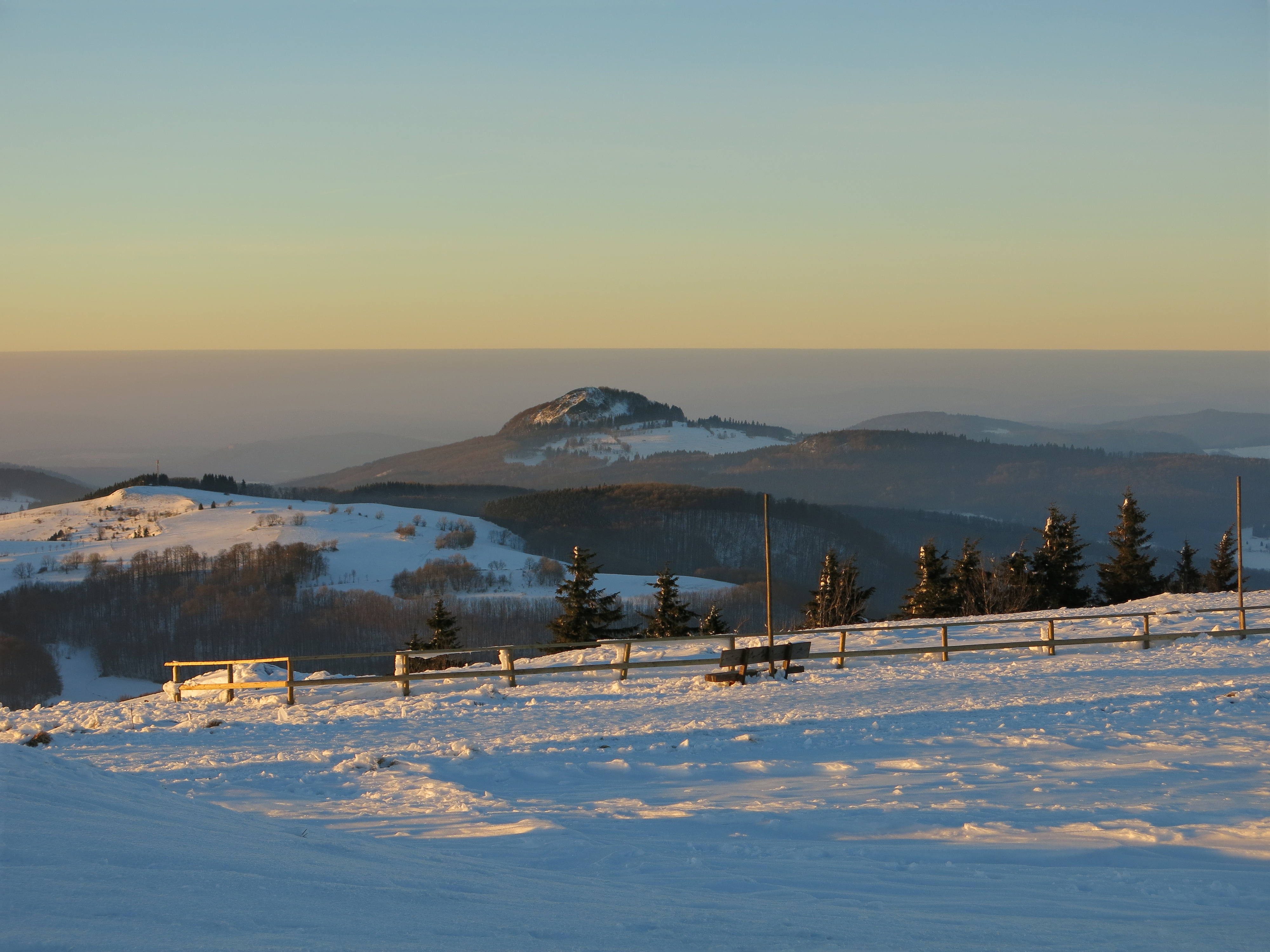
Milseburg
Extinct volcano with Celtic oppidum remains
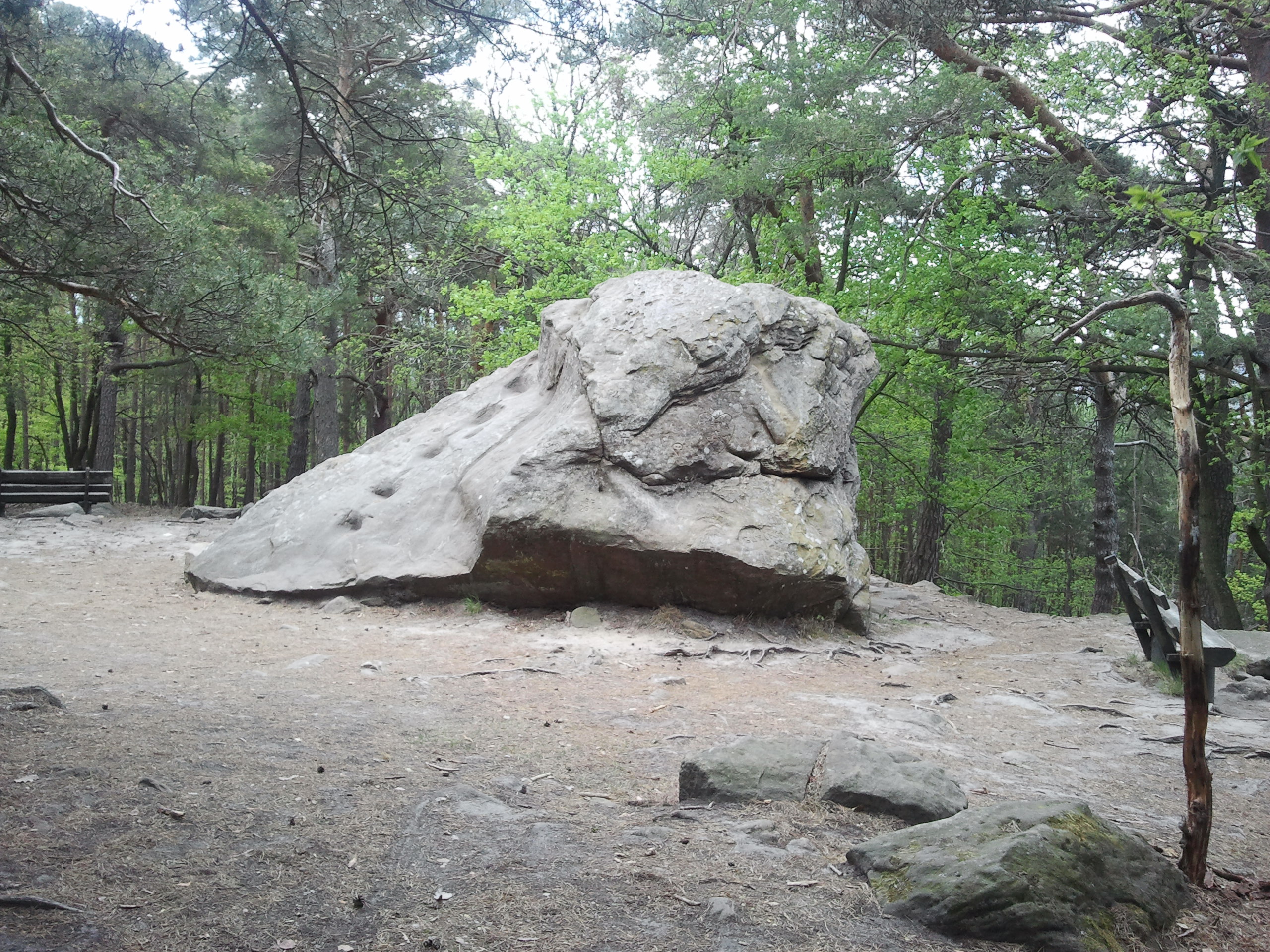
Teufelsstein (Haardt)
Monolith with Celtic and Roman carvings
Kyffhausen Castle
Medieval castle ruin with Neolithic origins
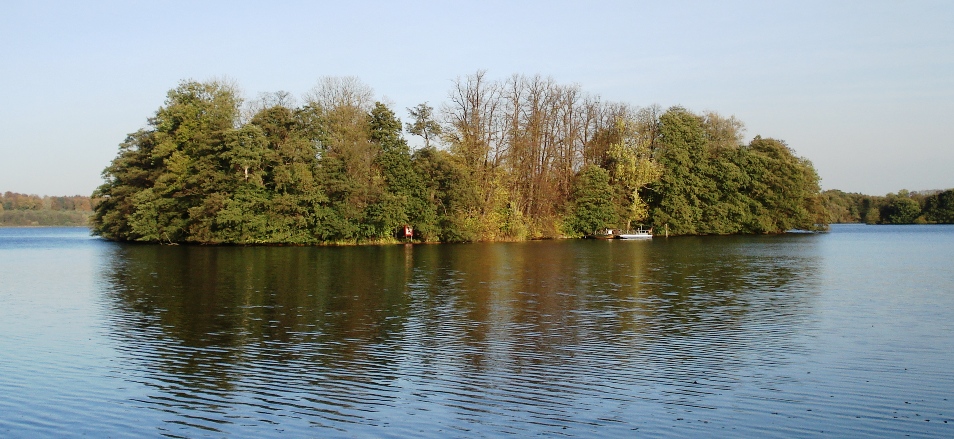
Utin (castle)
9th-century Wendish castle on island
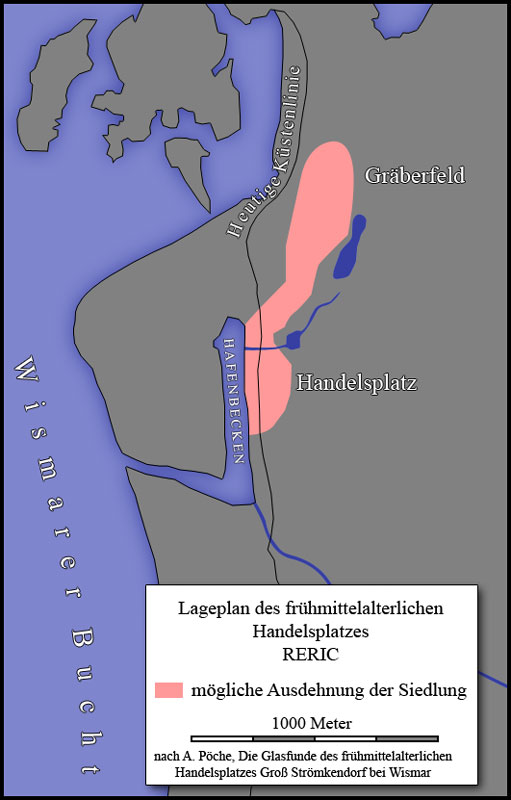
Reric
Slavic-Scandinavian Viking Age emporium remains
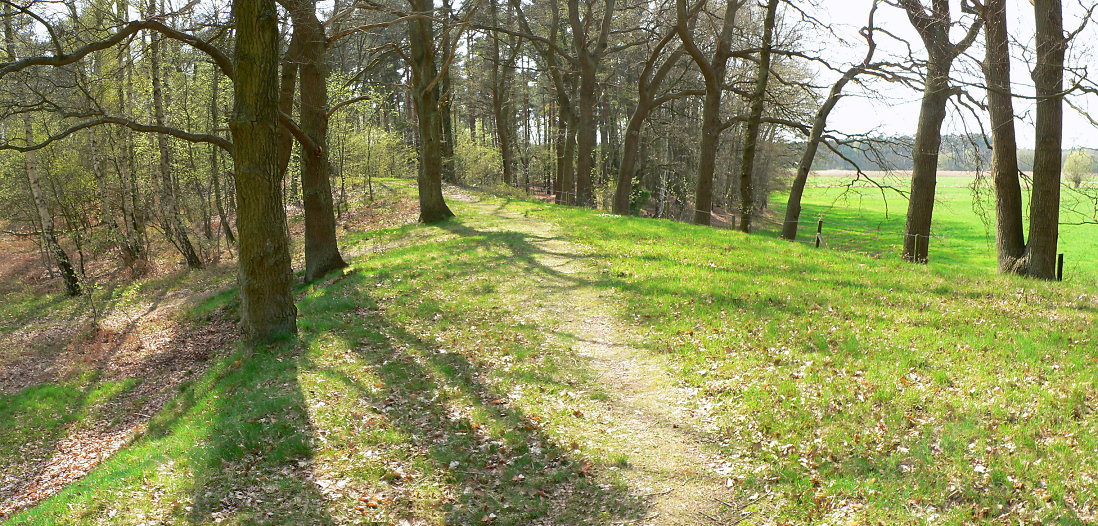
Circular rampart of Burg
10th-century circular earthwork defensive structure