Explore the Map
Heidenmauer (Palatinate)
49.4644° N, 8.1544° E
About
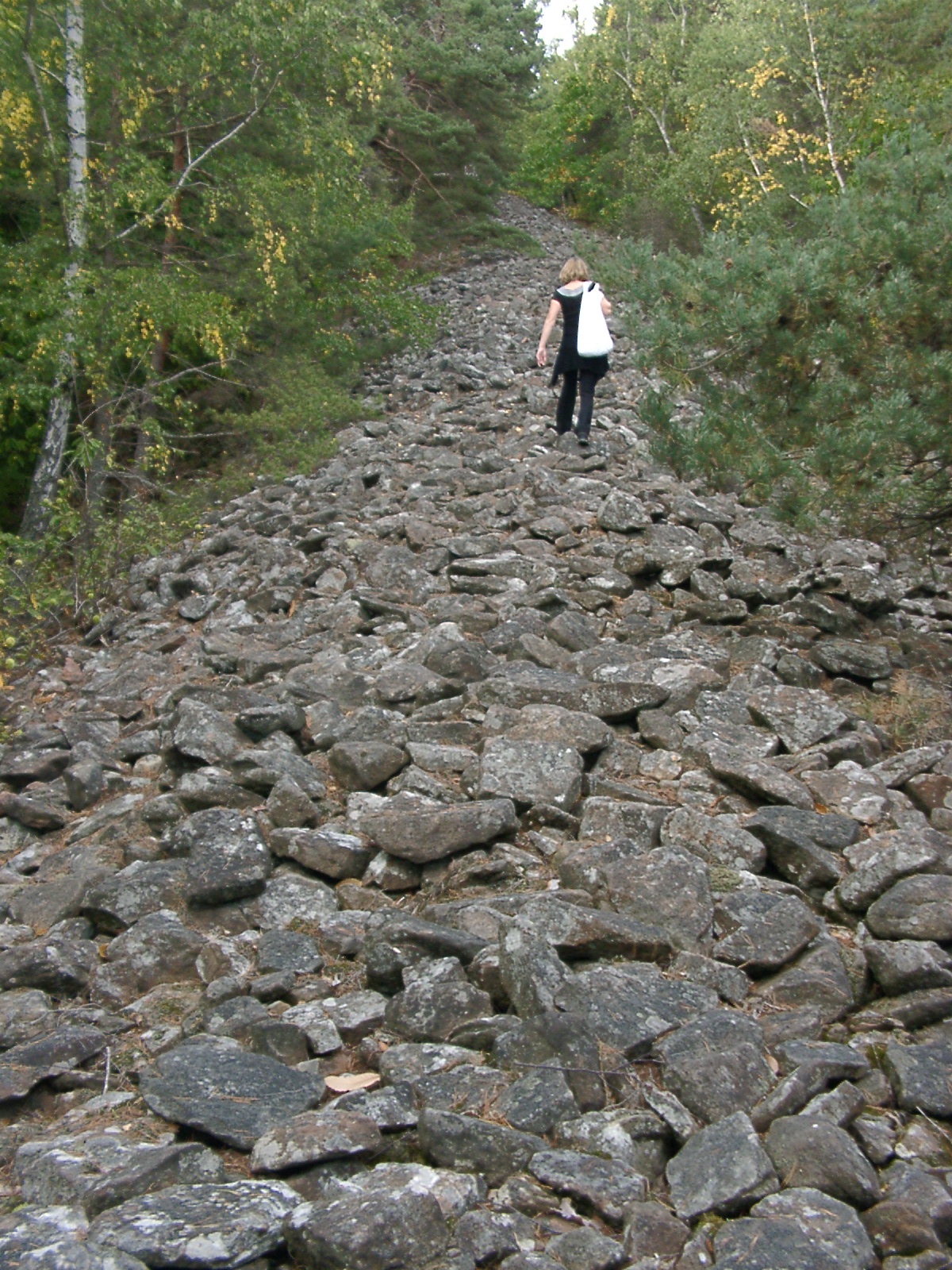
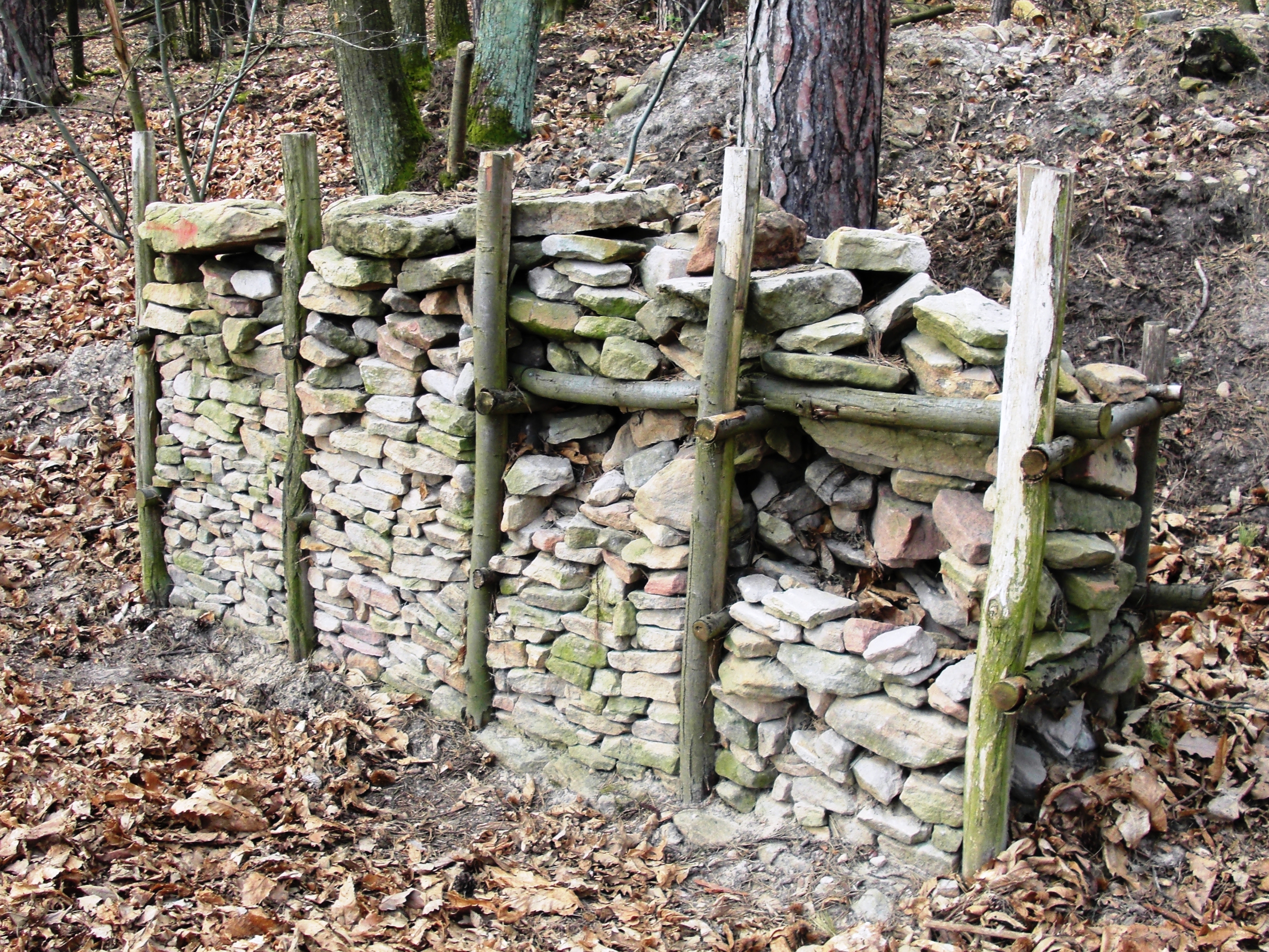
The Heidenmauer is a significant archaeological site located near Bad Dürkheim in Rhineland-Palatinate, Germany. This circular rampart, approximately 2.5 kilometers in length, was constructed by the Celts around 500 BCE as a type of Murus Gallicus. Although the wooden components have decayed over time, the stone elements remain, revealing insights into early Iron Age defensive structures. The site, which likely housed a small settlement, provides evidence of pottery and iron production, and trade connections with regions such as Upper Italy and Ancient Greece. Its brief occupation period suggests economic shifts prompting its abandonment. The Romans later utilized parts of the rampart and nearby quarries in the 4th century CE. The Heidenmauer stands as a testament to the Celtic presence and their architectural ingenuity.
Gallery
Explore photographs of ancient structures, artifacts, and archaeological excavations
Historical Timeline
Journey through time and discover key events in this site's history
Celtic Construction
500 BCE
Settlement Occupied
500 BCE - 460 BCE
Roman Quarry Use
300 CE
Archaeological Features
Unique architectural and cultural elements found at this historical site
Defensive Structures
Industrial and Craft Structures
Environmental and Natural Features
Frequently Asked Questions
Plan Your Visit
Tours, travel arrangements, and practical information
More Sites in Germany
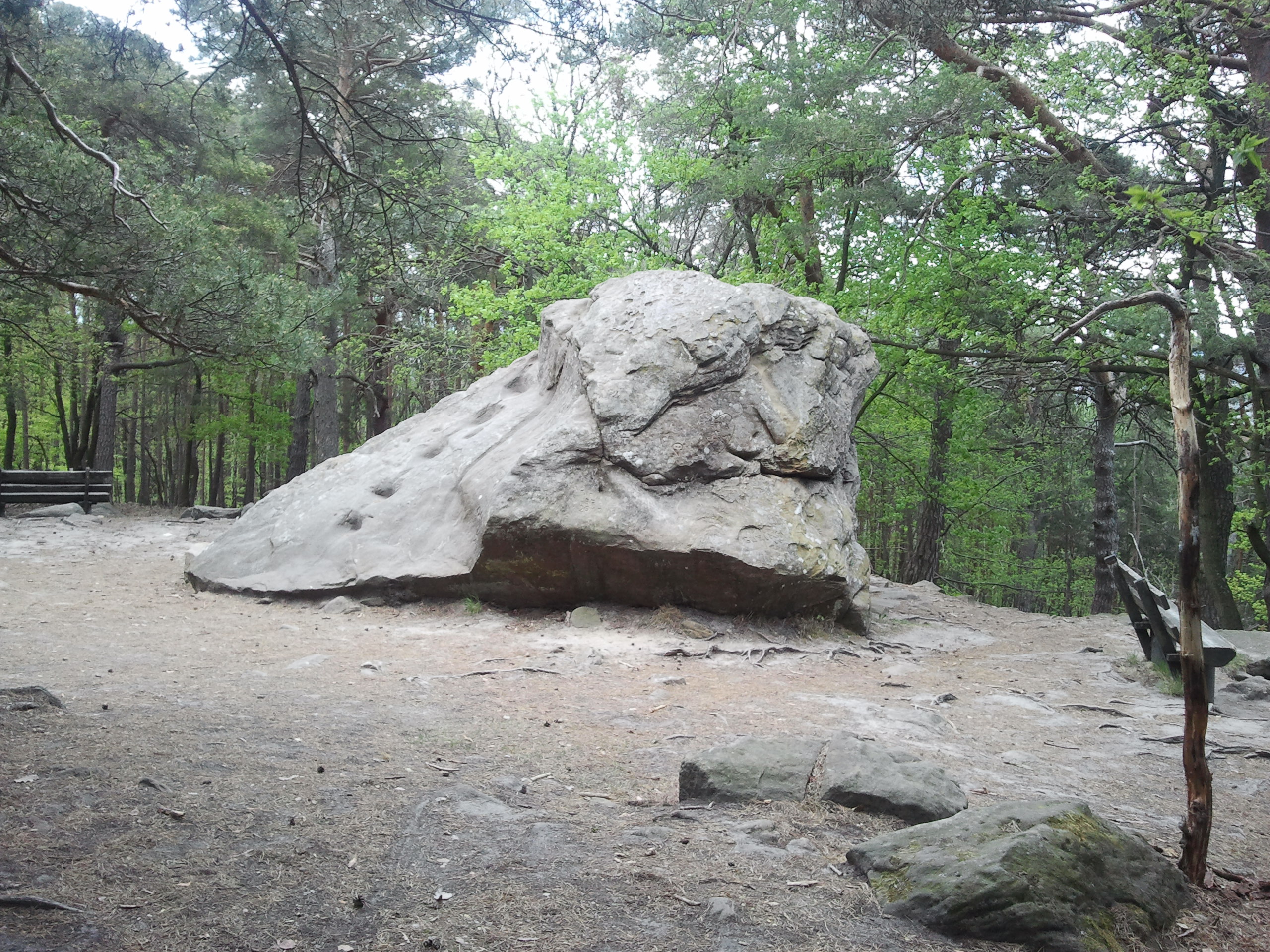
Teufelsstein (Haardt)
Monolith with Celtic and Roman carvings
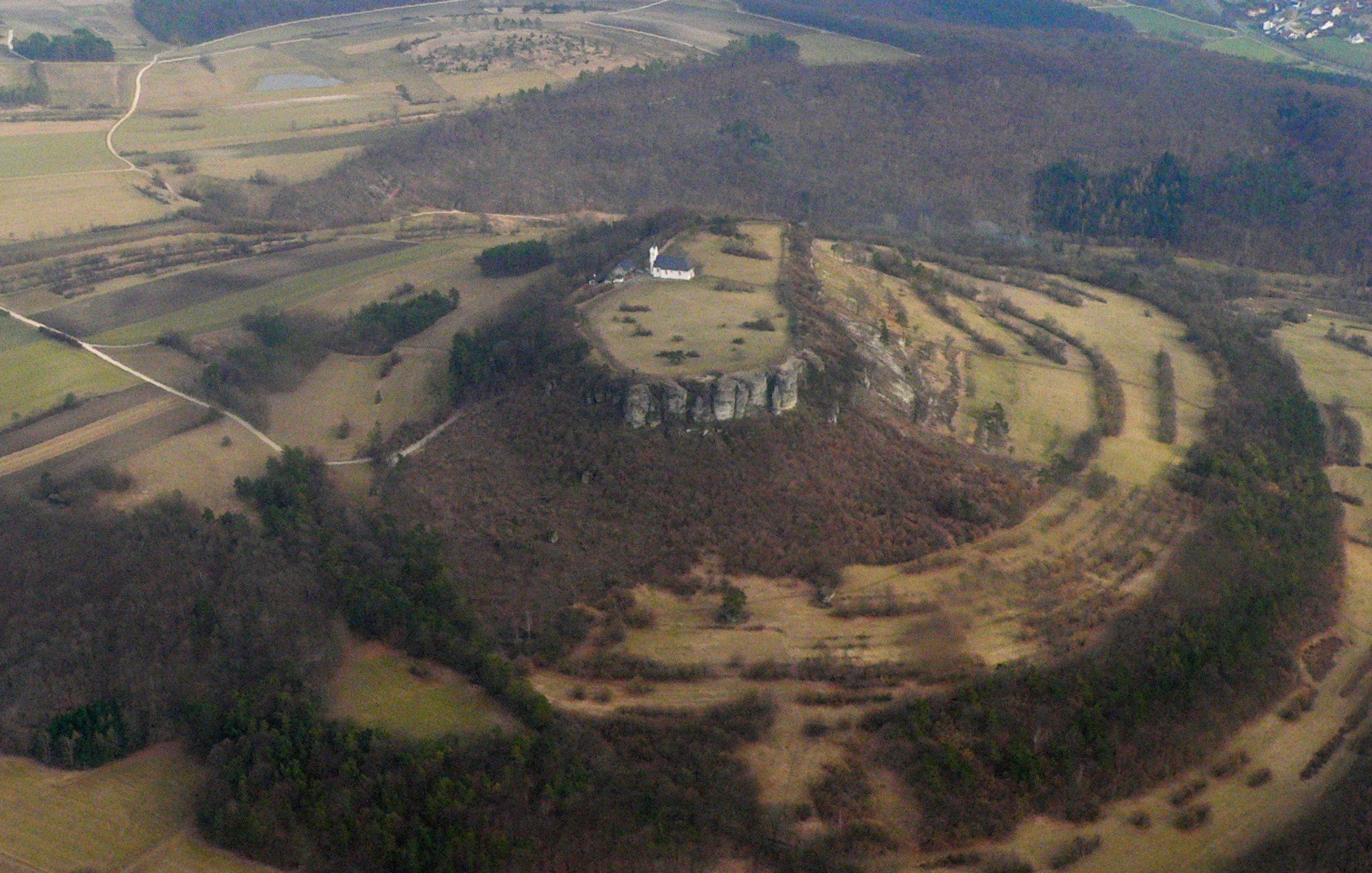
Menosgada
Celtic oppidum with defensive structures
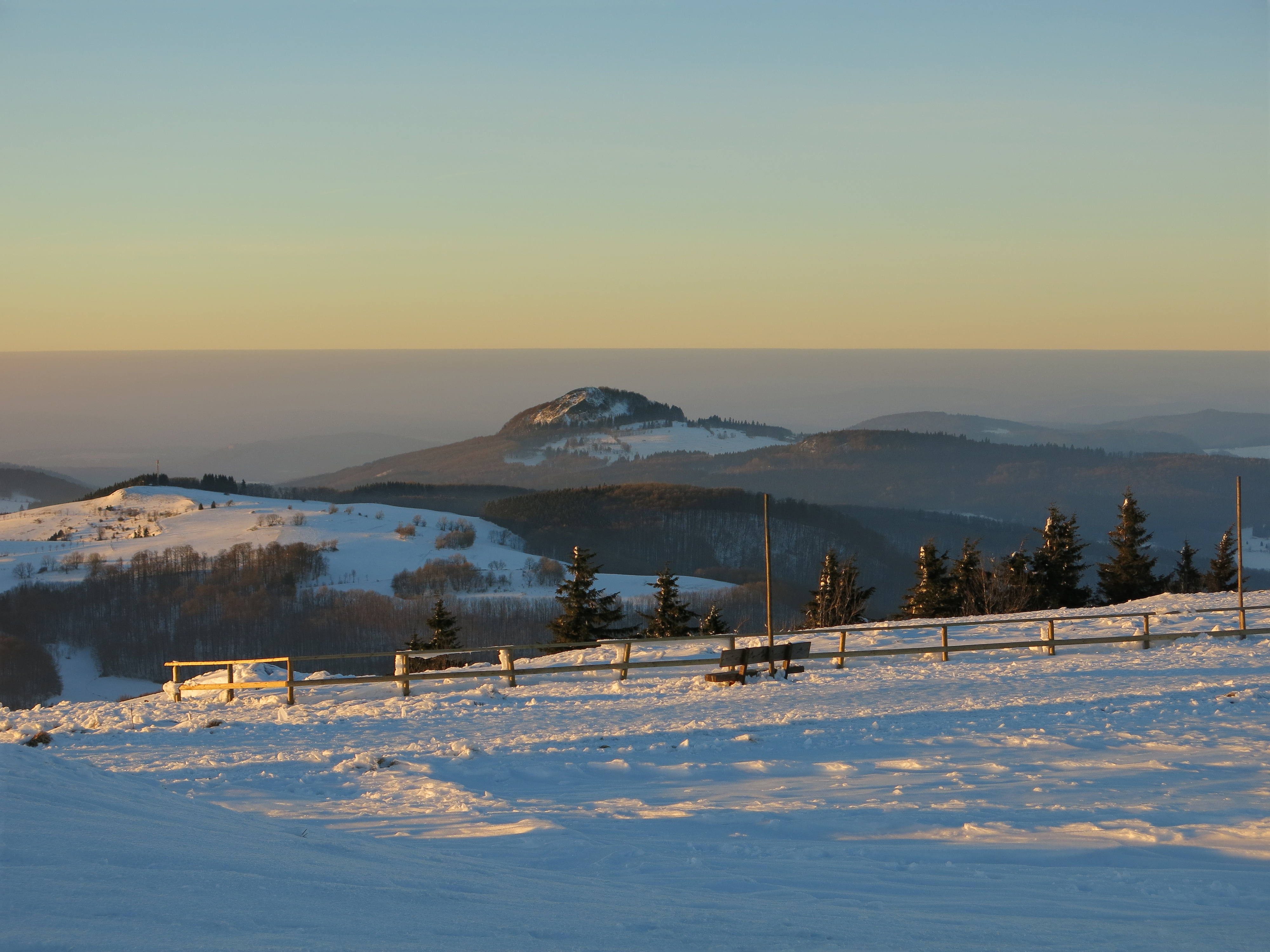
Milseburg
Extinct volcano with Celtic oppidum remains
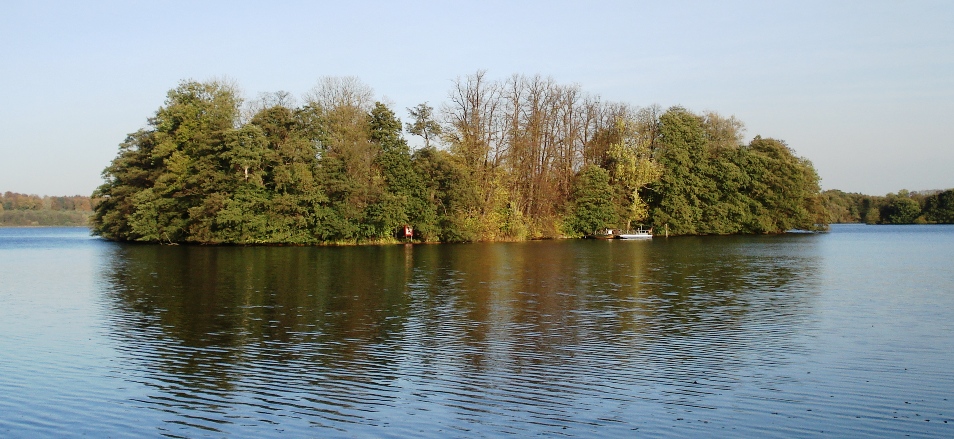
Utin (castle)
9th-century Wendish castle on island
Kyffhausen Castle
Medieval castle ruin with Neolithic origins
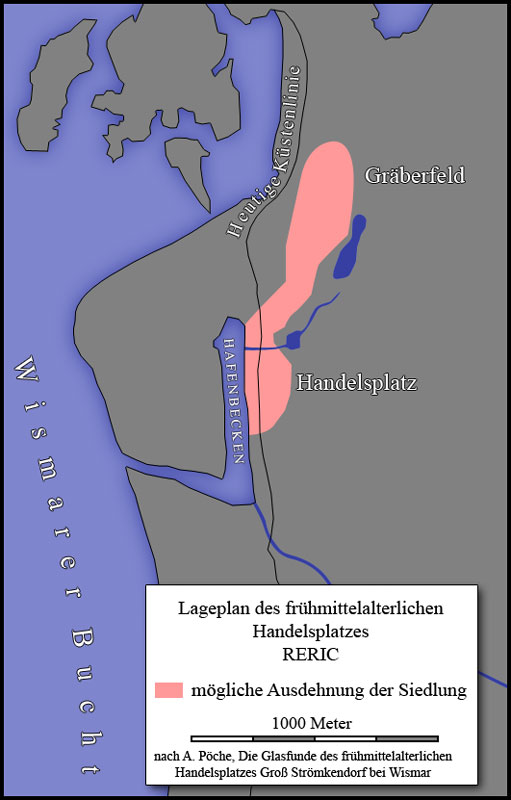
Reric
Slavic-Scandinavian Viking Age emporium remains