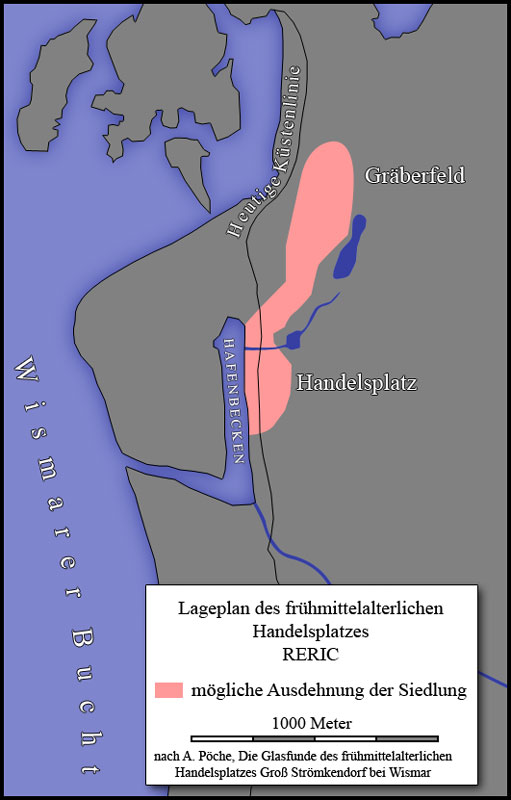
Explore the Map
Reric
53.9556° N, 11.4814° E
About
Reric, a significant Viking Age emporium, was a multi-ethnic trade center located on the southern coast of the Baltic Sea near present-day Wismar, Germany. Established around 735 CE by the Slavic Obodrite tribe, it was strategically positioned for trade, initially allying with Charlemagne to circumvent Saxon and Danish controls. This harbor town featured a planned layout with domestic structures and workshops, indicating localized production of goods like pottery and textiles. However, its prosperity was short-lived; in 808 CE, the Viking King Gudfred destroyed Reric, displacing its merchants to the Viking emporium Hedeby. This marked the beginning of the site's decline, culminating in its abandonment shortly after the murder of Duke Drasco in 810 CE. The archaeological findings, including workshops, harbor structures, and cemeteries, confirm Reric's historical significance as both a trade hub and a contested site during the Viking Age.
Gallery
Explore photographs of ancient structures, artifacts, and archaeological excavations
Historical Timeline
Journey through time and discover key events in this site's history
Establishment of Reric
735 CE
Alliance with Charlemagne
9th century CE
Destruction by King Gudfred
808 CE
Murder of Drasco
810 CE
Site Abandonment
811 CE
Archaeological Features
Unique architectural and cultural elements found at this historical site
Water Management Features
Burial and Funerary Structures
Industrial and Craft Structures
Domestic and Habitation Structures
Frequently Asked Questions
Plan Your Visit
Tours, travel arrangements, and practical information
More Sites in Germany
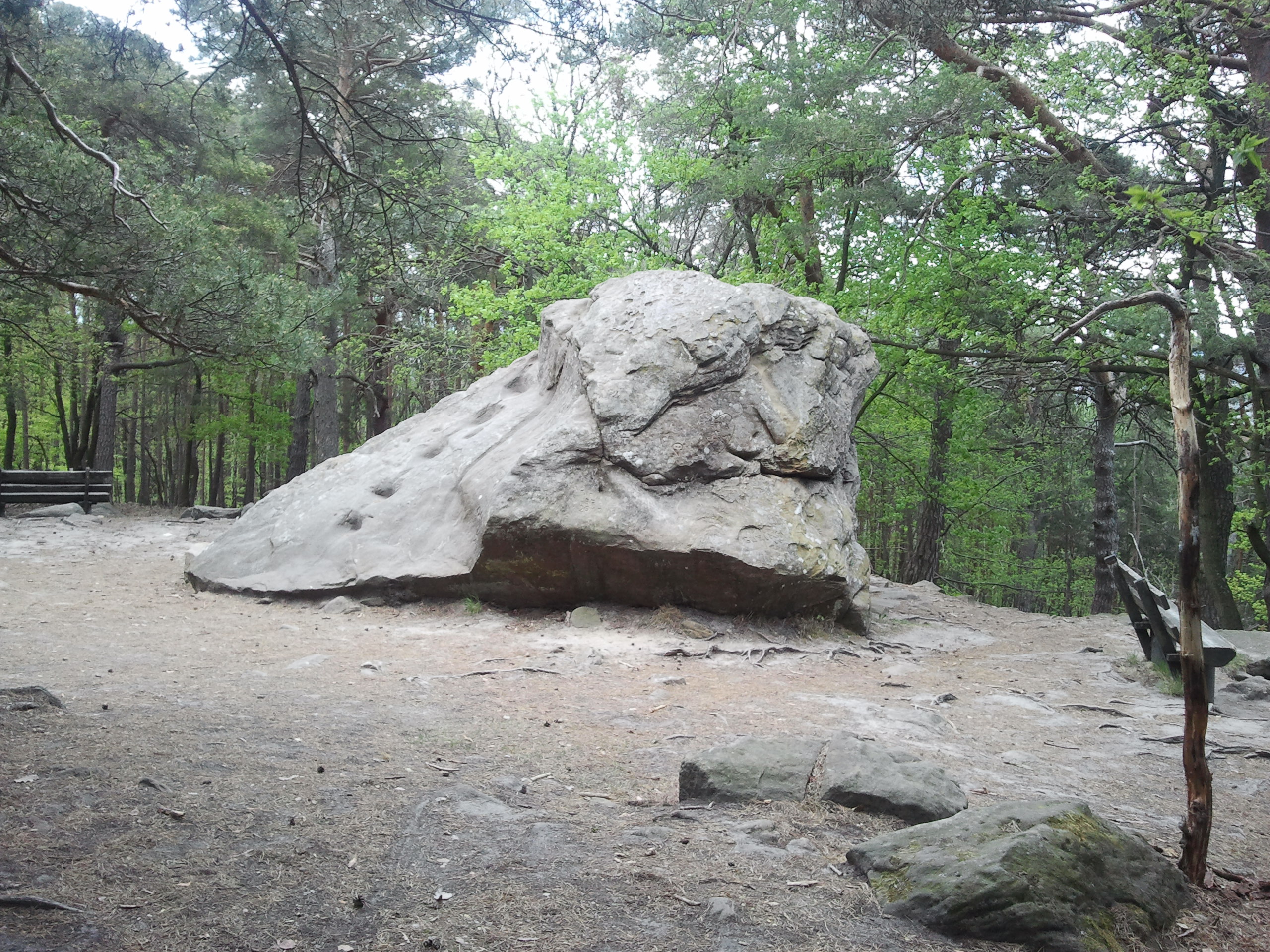
Teufelsstein (Haardt)
Monolith with Celtic and Roman carvings
Kyffhausen Castle
Medieval castle ruin with Neolithic origins
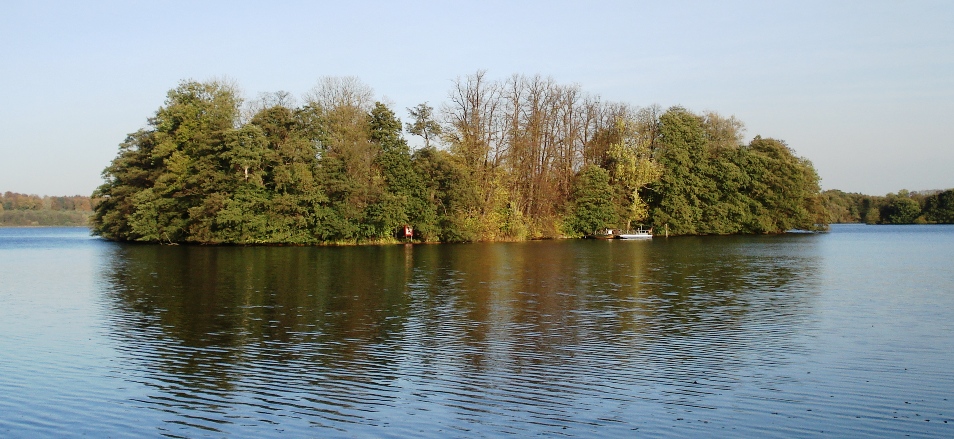
Utin (castle)
9th-century Wendish castle on island
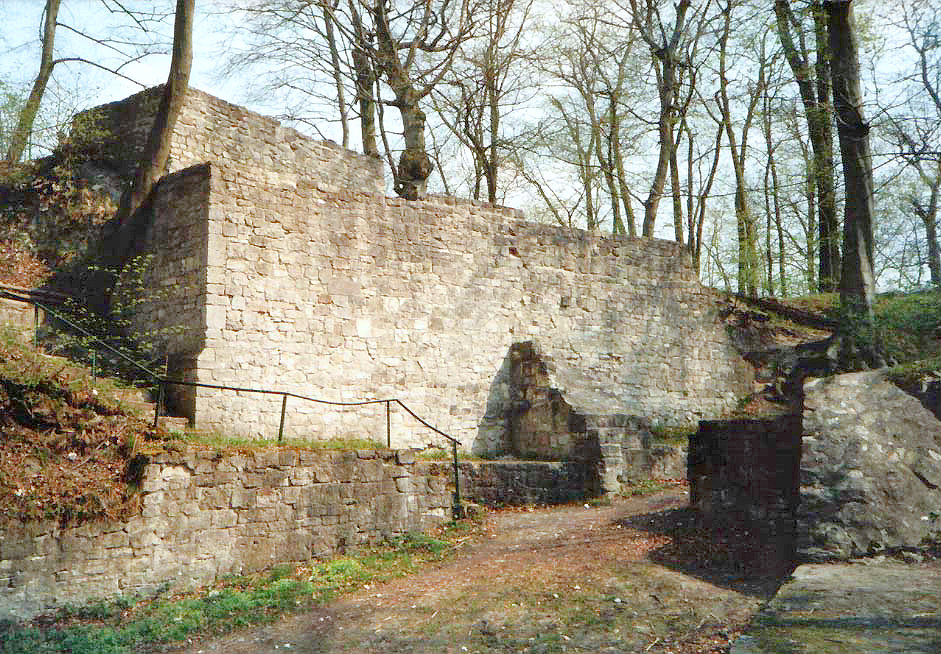
Asseburg (castle)
Largest hill castle in North Germany
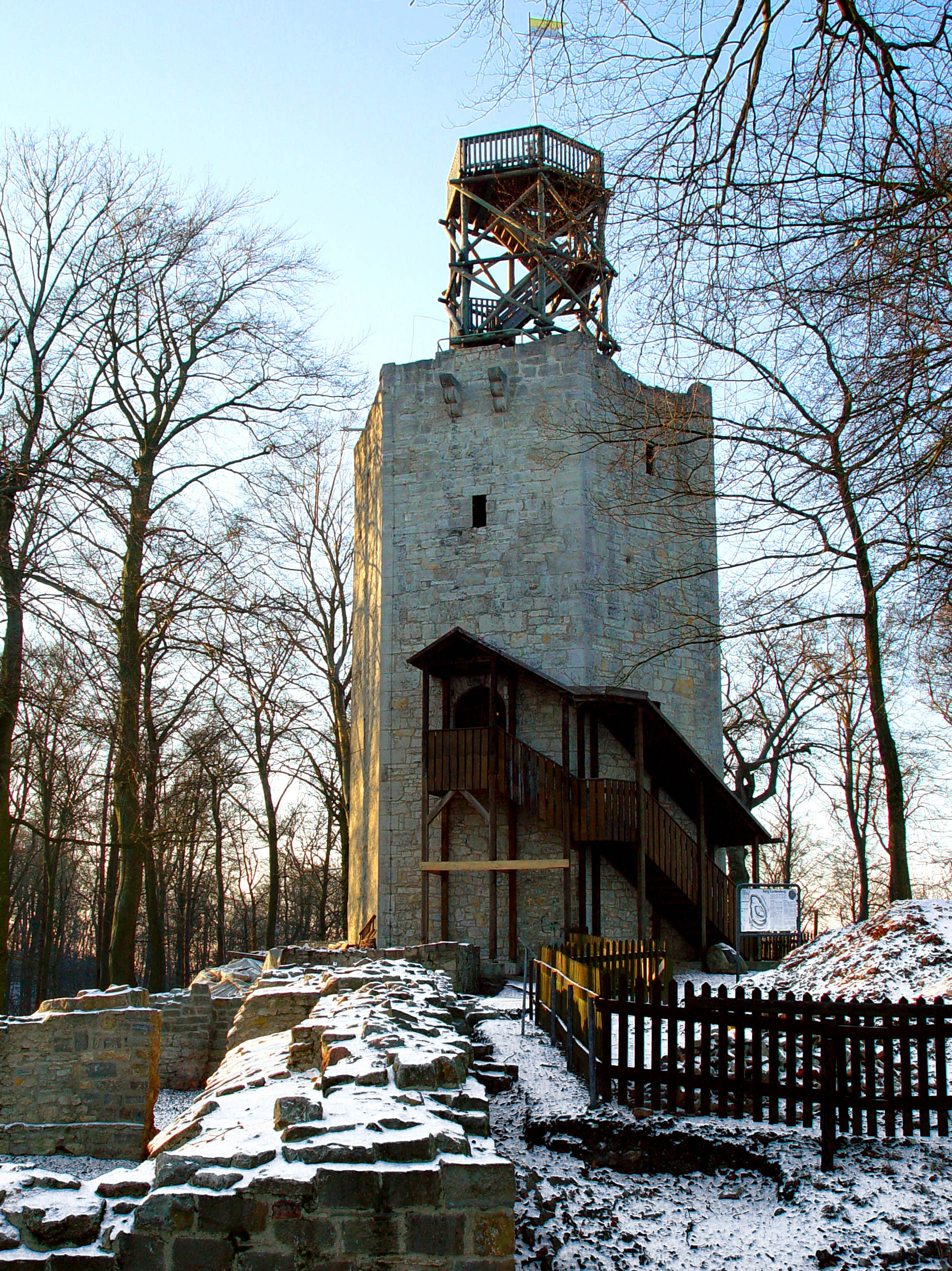
Lichtenberg Castle (Salzgitter)
12th-century hill castle ruins in Germany
Burgstall Schlosshügel
Early medieval motte (burgstall), Upper Franconia, Germany