

Explore the Map
Abu Simbel
22.3369° N, 31.6256° E
About
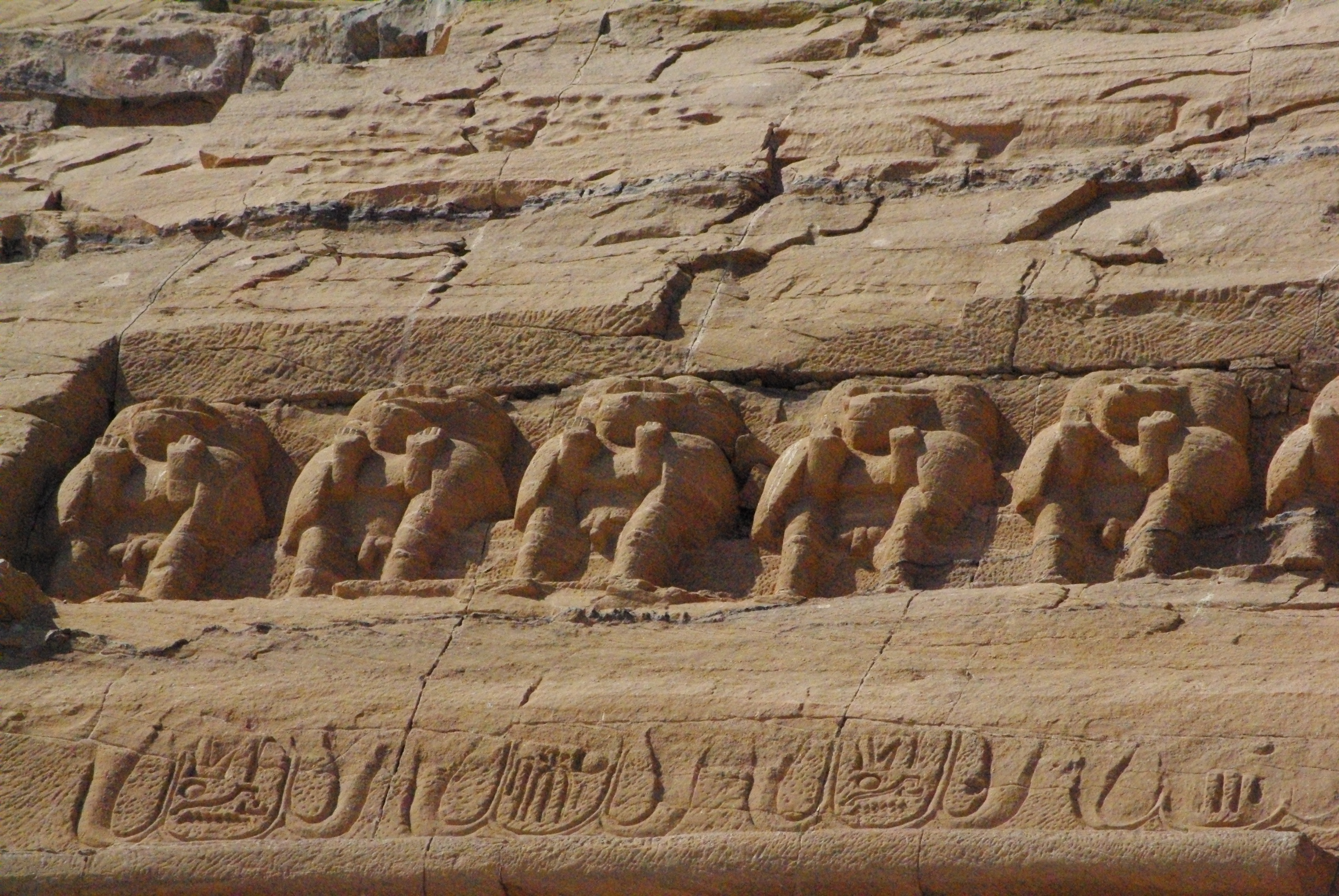
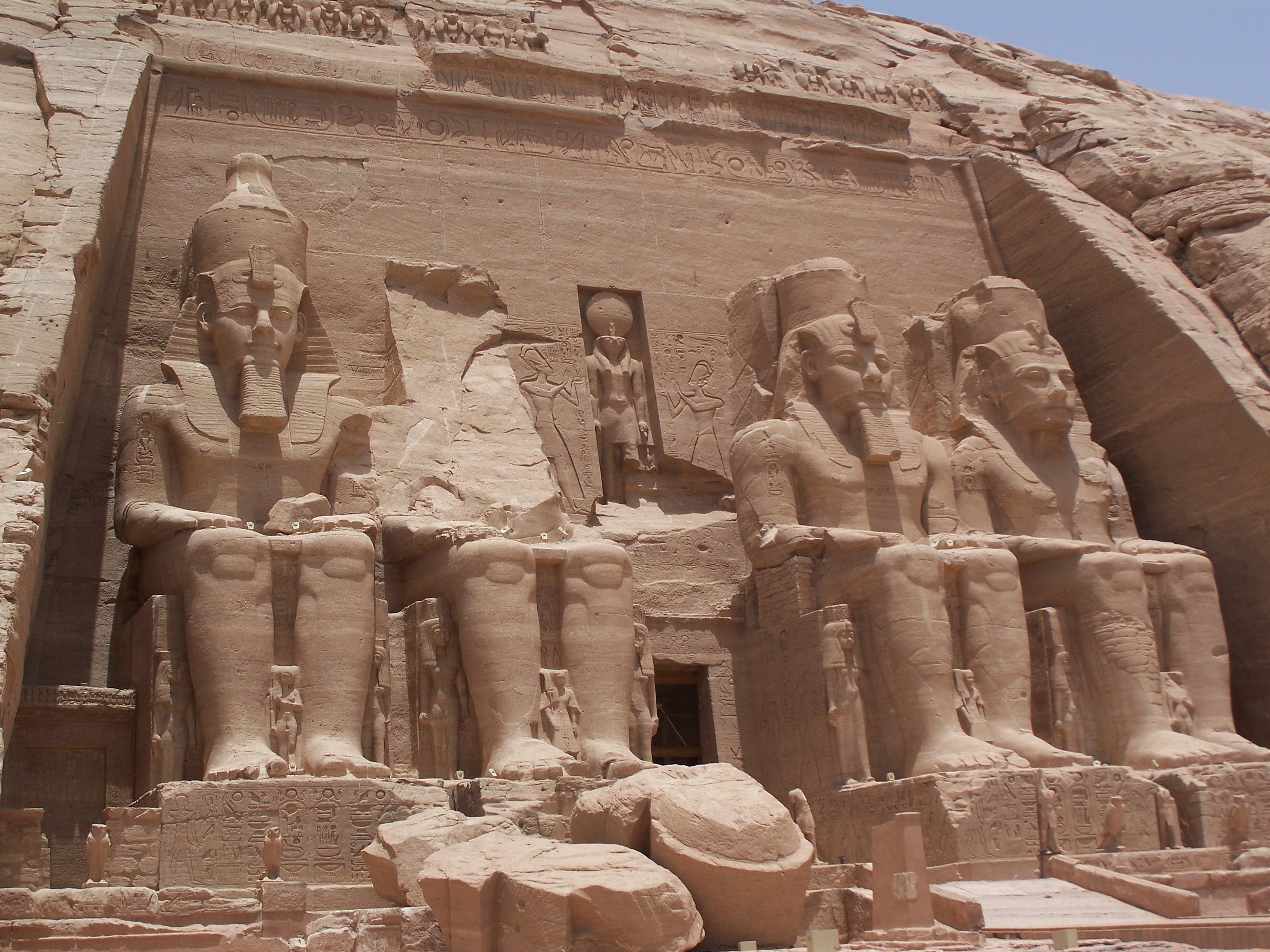
Abu Simbel is an archaeological site of immense significance, featuring two monumental rock-cut temples constructed during the reign of Pharaoh Ramesses II in the 13th century BCE. Located in Upper Egypt near the modern border with Sudan, these temples were intended to showcase Egypt's power and promote the Egyptianization of Nubia. The Great Temple, dedicated to the gods Amun, Ra-Horakhty, and Ptah, as well as to the deified Ramesses II, is renowned for its colossal statues of the pharaoh and intricate reliefs depicting his military triumphs, especially the Battle of Kadesh. The smaller temple honors the goddess Hathor and Ramesses's chief wife, Nefertari. Both temples were relocated in the 1960s to prevent submersion by Lake Nasser, a result of the Aswan High Dam, showcasing one of the greatest feats in archaeological engineering.
Gallery
Explore photographs of ancient structures, artifacts, and archaeological excavations

Historical Timeline
Journey through time and discover key events in this site's history
Construction of Abu Simbel
1264 BCE - 1244 BCE
Archaeological Features
Unique architectural and cultural elements found at this historical site
Religious and Ritual Structures
Artistic and Decorative Features
Frequently Asked Questions
Plan Your Visit
Tours, travel arrangements, and practical information
More Sites in Egypt
Mendes
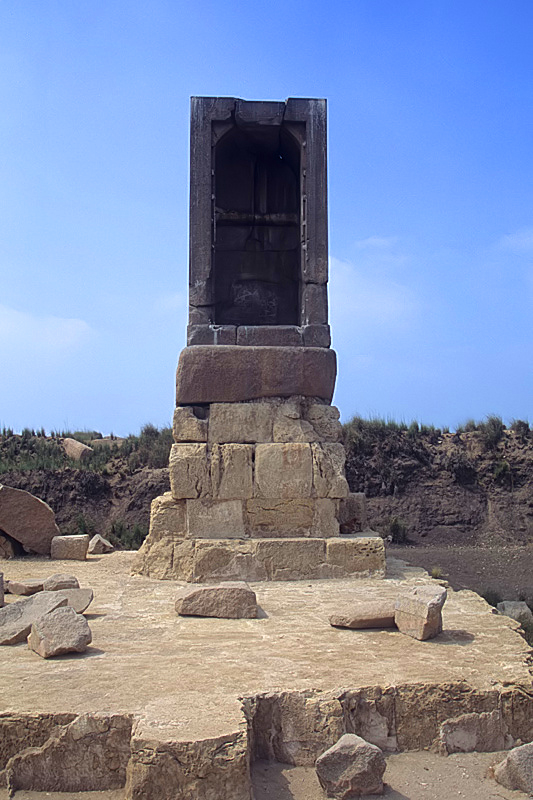
Ancient city with significant religious structures.
Bubastis
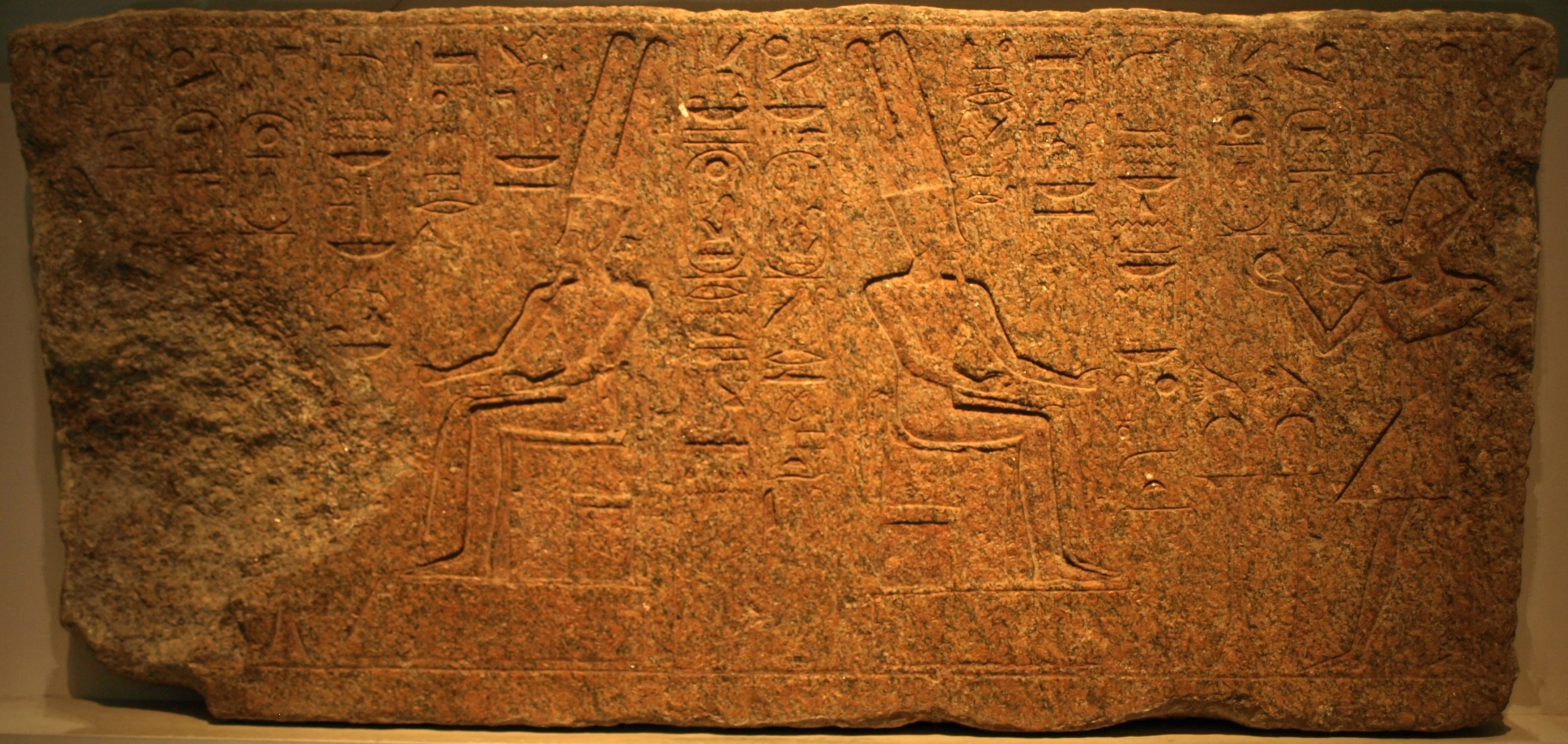
Ancient Egyptian city with Bastet temple
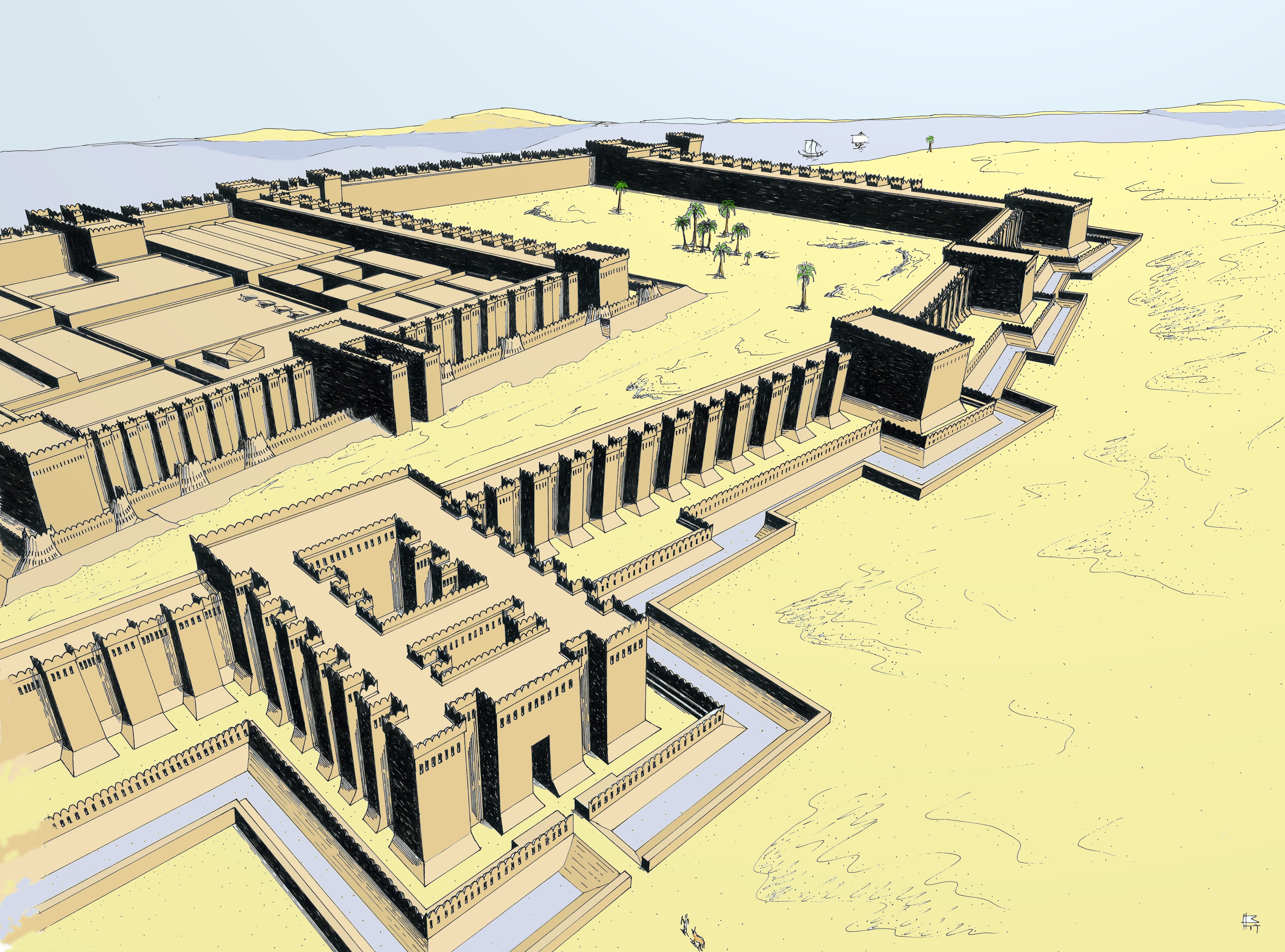
Buhen
Ancient Egyptian fortress with copper smelting.
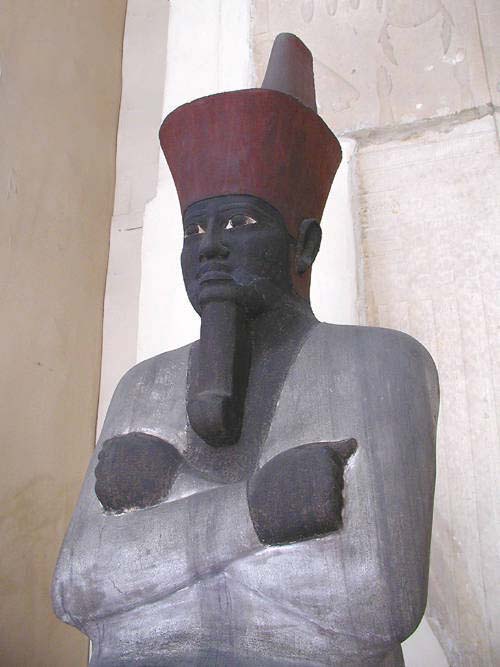
Thinis
Ancient Upper Egypt's undiscovered capital city.

Leontopolis (Heliopolis)
Ancient city with fortifications and a temple.
Cemetery GIS
Stone mastabas in Giza Plateau cemetery