
Explore the Map
Luxor
25.6967° N, 32.6444° E
About
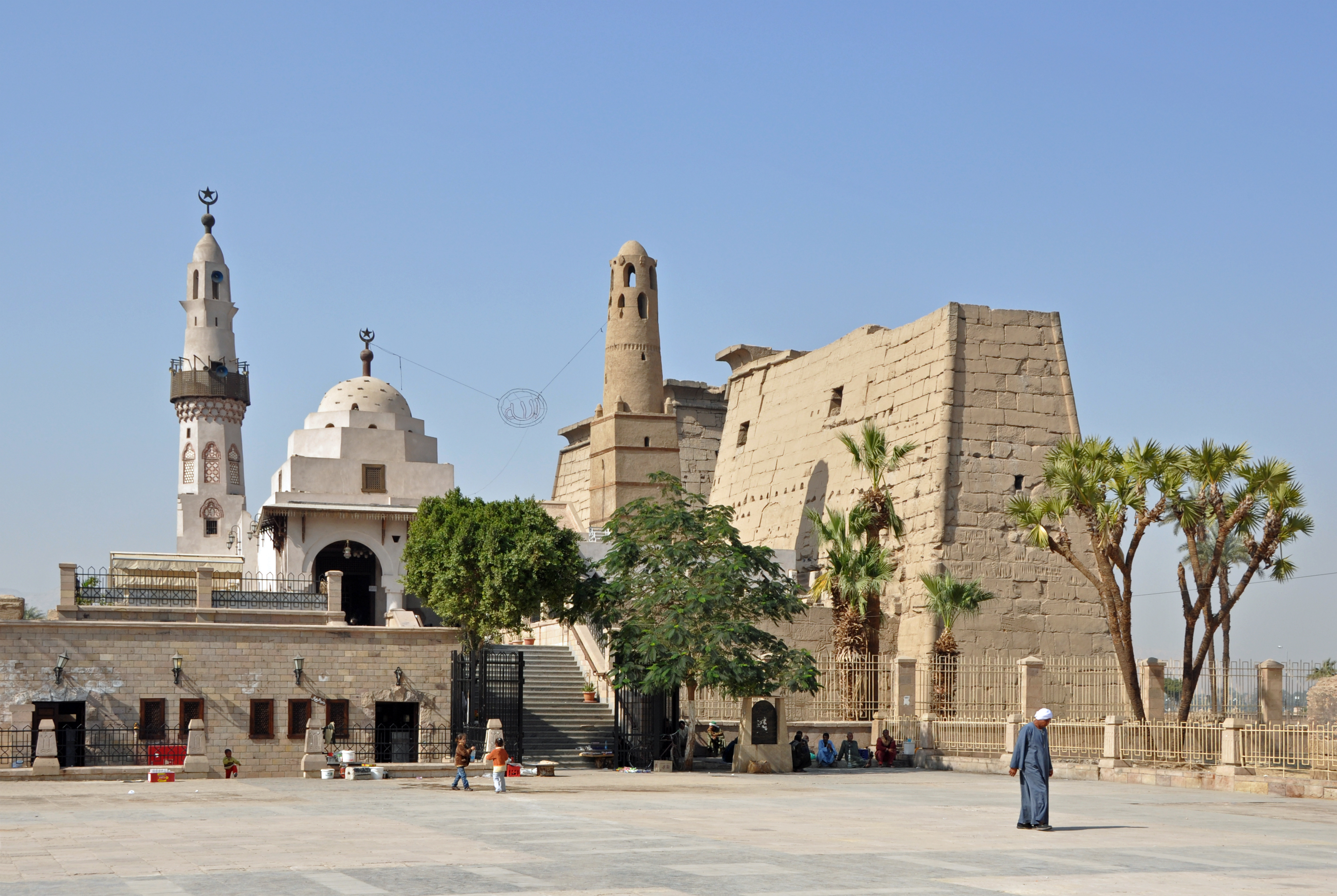
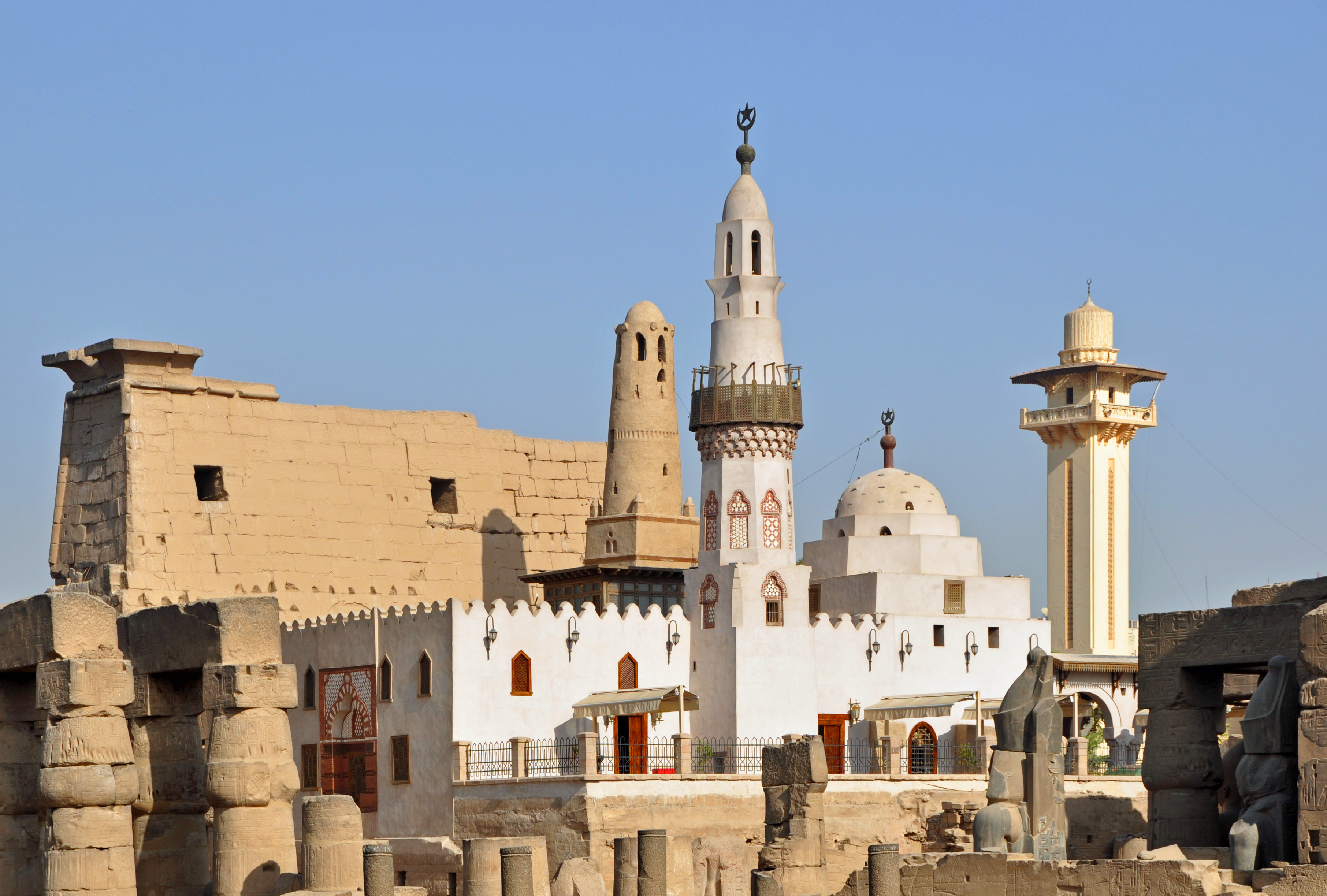
Luxor, historically known as Thebes, is an important archaeological site in Upper Egypt, renowned for its wealth of ancient Egyptian monuments. The city served as the capital during the New Kingdom, marking it as a major center of political, religious, and economic power. The temples of Karnak and Luxor are outstanding examples of ancient Egyptian temple architecture, while the Theban Necropolis on the west bank of the Nile contains the Valley of the Kings and the Valley of the Queens, key burial sites of pharaohs and nobles. Luxor's significance continued through the Classical and Post-Classical periods, remaining a religious hub even as its political importance declined. Modern archaeological discoveries continue to reveal the complexity and grandeur of this ancient city, emphasizing its role in ancient Egyptian civilization.
Gallery
Explore photographs of ancient structures, artifacts, and archaeological excavations

Historical Timeline
Journey through time and discover key events in this site's history
Growth in 11th Dynasty
2055 BCE
Hyksos Expulsion
1550 BCE
New Kingdom Capital
1550 BCE
Religious Capital
1070 BCE
Assyrian Attack
667 BCE
Christian Monasticism
300 CE
Archaeological Features
Unique architectural and cultural elements found at this historical site
Public and Civic Structures
Burial and Funerary Structures
Industrial and Craft Structures
Religious and Ritual Structures
Domestic and Habitation Structures
Transportation and Communication Structures
Plan Your Visit
Tours, travel arrangements, and practical information


More Sites in Egypt
Bubastis
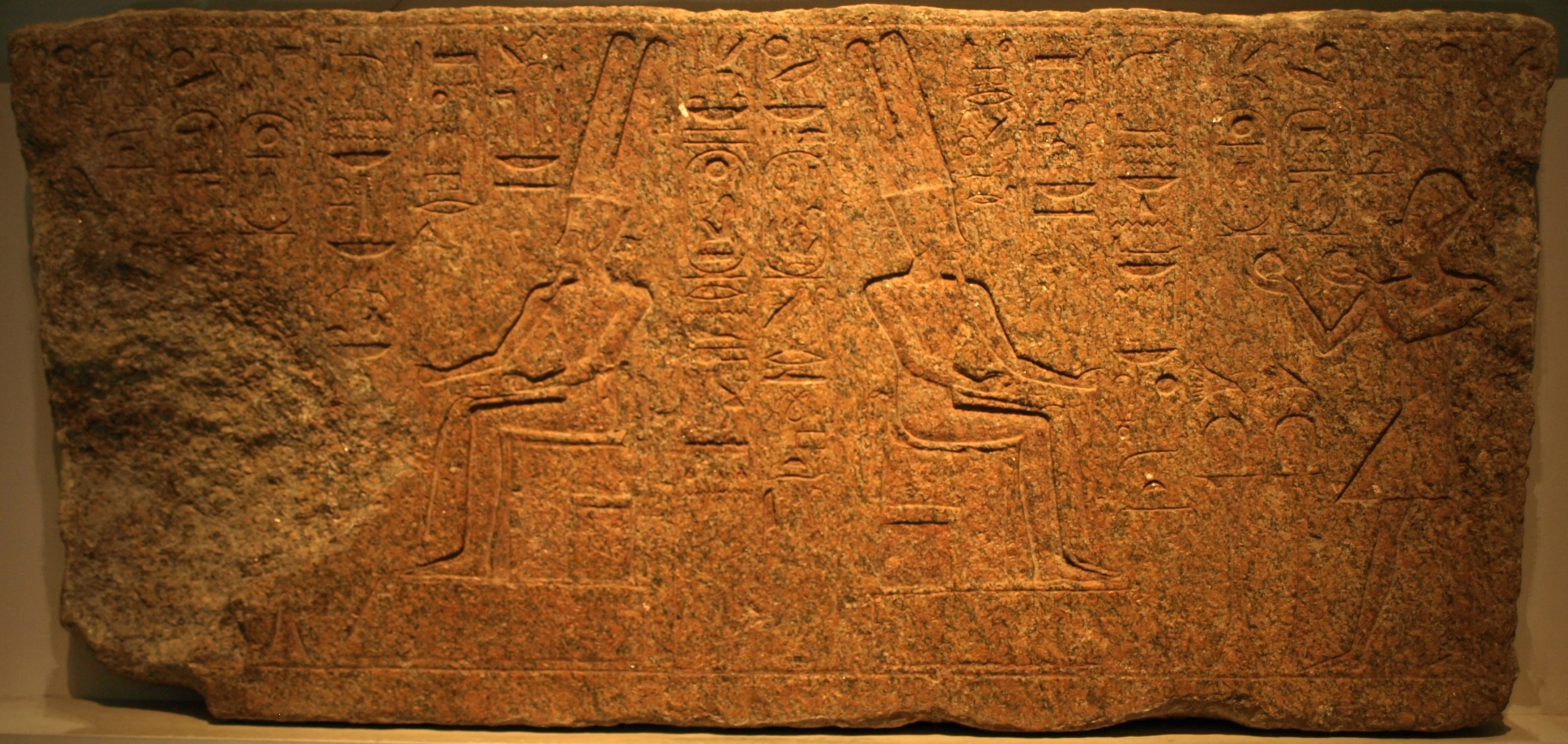
Ancient Egyptian city with Bastet temple
Canopus, Egypt
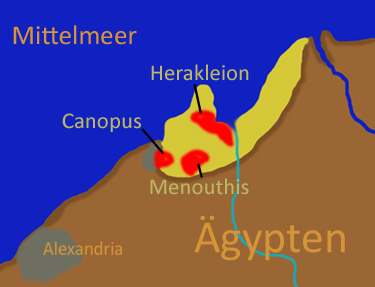
Submerged ancient Egyptian coastal town ruins
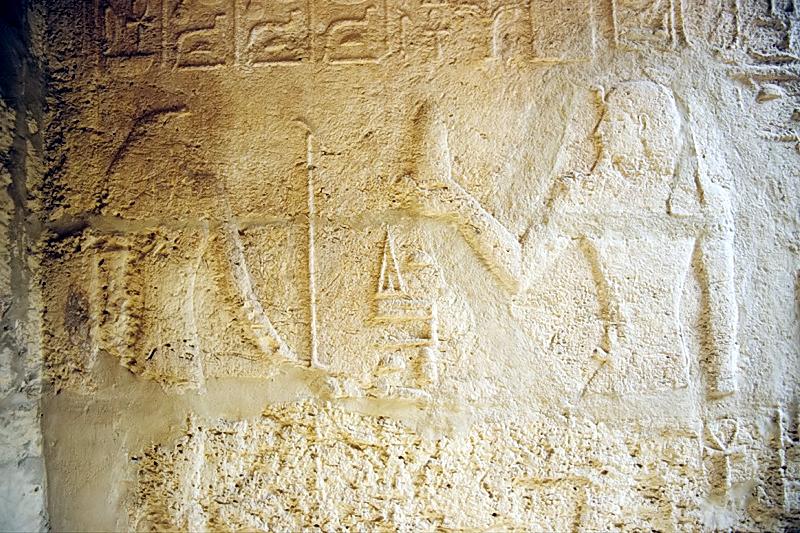
Medinet Madi
Greco-Roman town with Middle Kingdom temple

Leontopolis (Heliopolis)
Ancient city with fortifications and a temple.
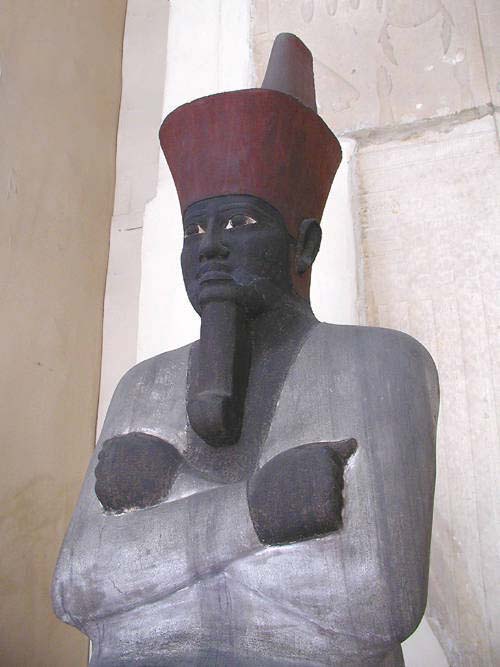
Thinis
Ancient Upper Egypt's undiscovered capital city.
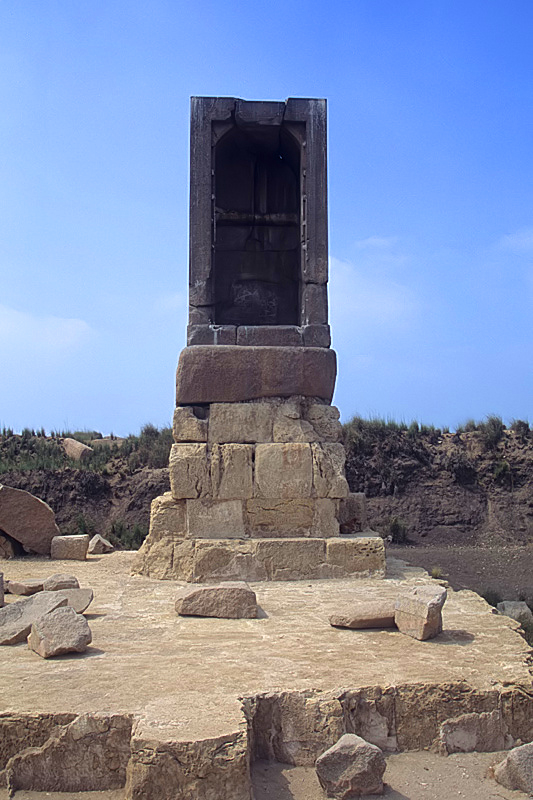
Mendes
Ancient city with significant religious structures.