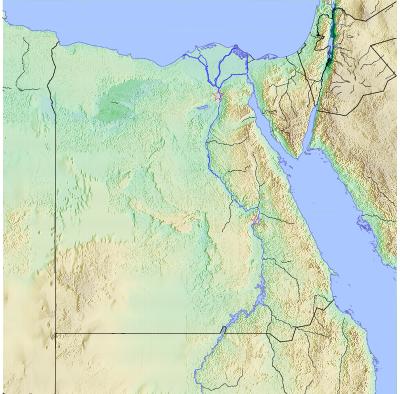
Explore the Map
Elkab
25.1189° N, 32.7978° E
About
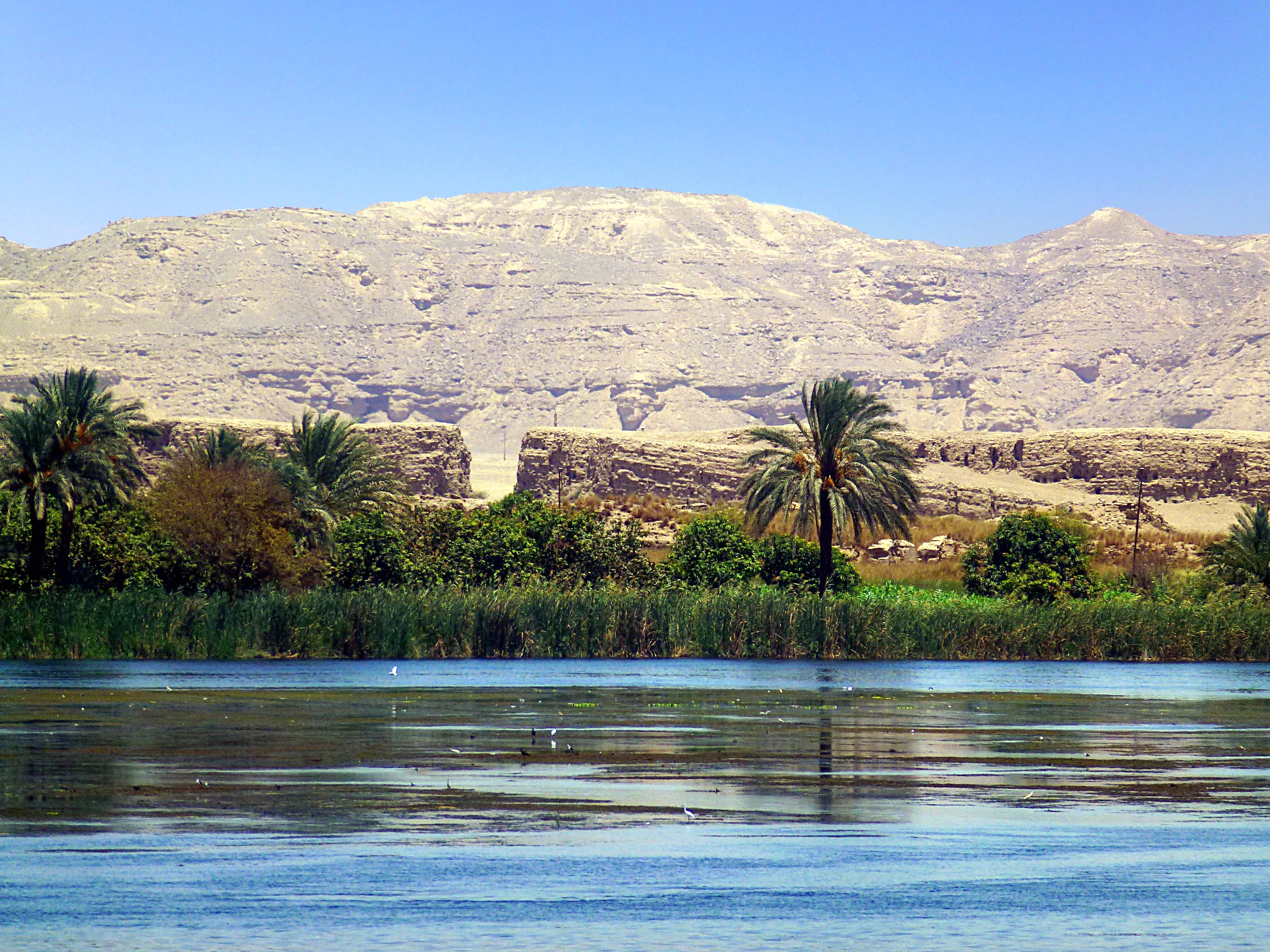
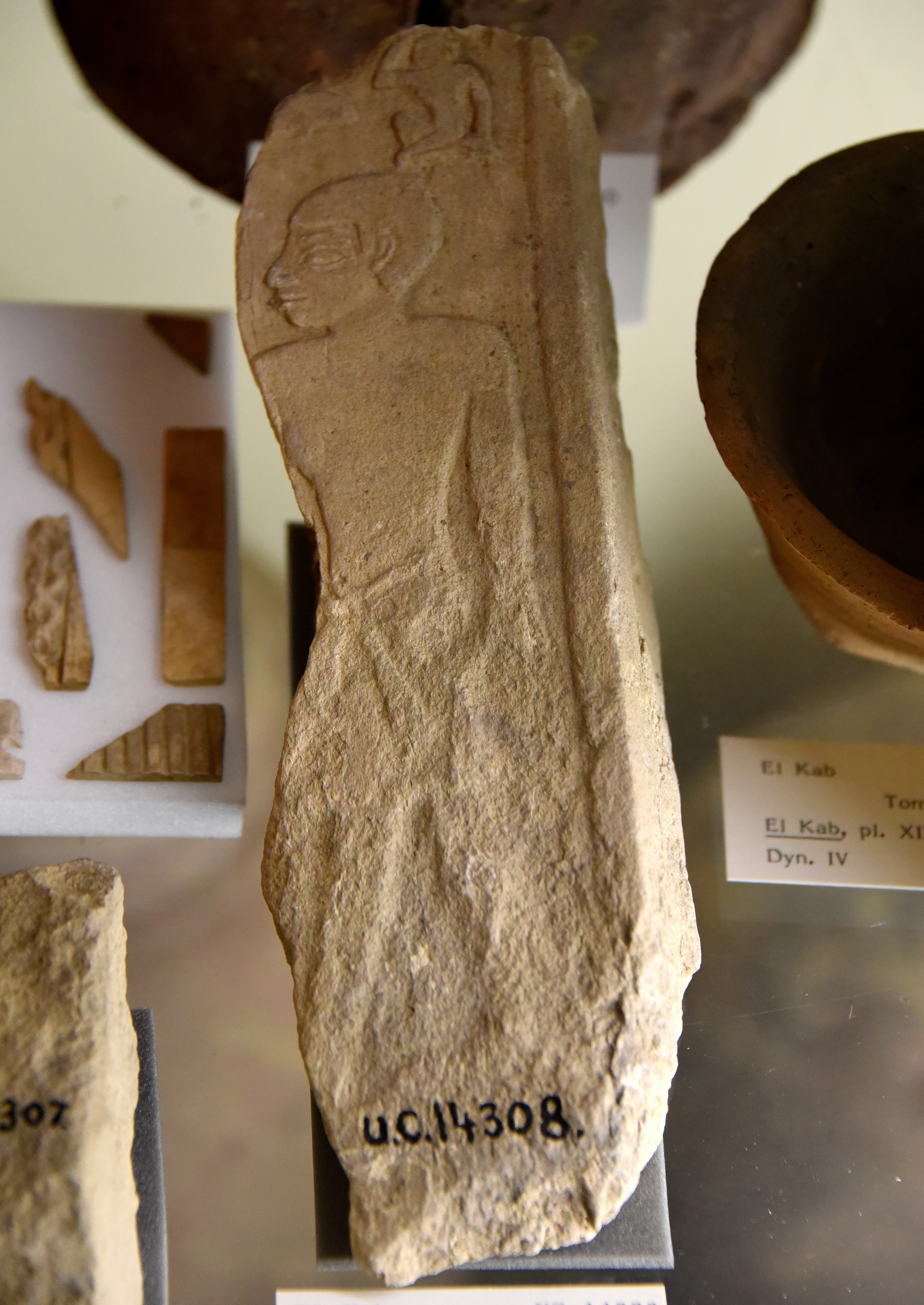
Elkab, known in ancient times as Nekheb, is a significant archaeological site in Upper Egypt, positioned strategically on the east bank of the Nile. The site boasts a rich history, serving as an urban center from the Early Dynastic period through the Ptolemaic and Roman eras. It contains a variety of archaeological features, including ancient towns, defensive walls, temples, and rock-cut tombs, which highlight its significance as a religious and political hub. Notably, the site features massive mudbrick defensive walls attributed to Nectanebo II. The necropolis at Elkab is notable for its early Eighteenth Dynasty tombs, which reflect the art and governance of the time. The presence of petroglyphs and inscriptions adds to the site's historical depth, offering insights into the cultural and social milieu of ancient Egypt. Elkab is a testament to the continuous human occupation and architectural evolution over millennia.
Gallery
Explore photographs of ancient structures, artifacts, and archaeological excavations
Historical Timeline
Journey through time and discover key events in this site's history
Temple Construction
3100 BCE to 30 BCE
Early Dynastic Urban Center
3100 BCE
New Kingdom Capital
1550 BCE
Nectanebo II's Defensive Walls
360 BCE
Ptolemaic and Roman Era
300 BCE to 380 CE
Archaeological Features
Unique architectural and cultural elements found at this historical site
Defensive Structures
Burial and Funerary Structures
Religious and Ritual Structures
Artistic and Decorative Features
Domestic and Habitation Structures
Frequently Asked Questions
Plan Your Visit
Tours, travel arrangements, and practical information
More Sites in Egypt
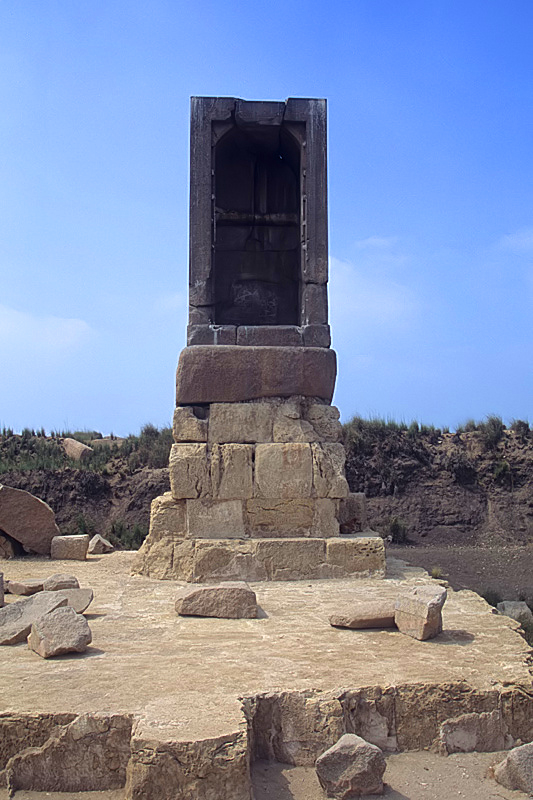
Mendes
Ancient city with significant religious structures.
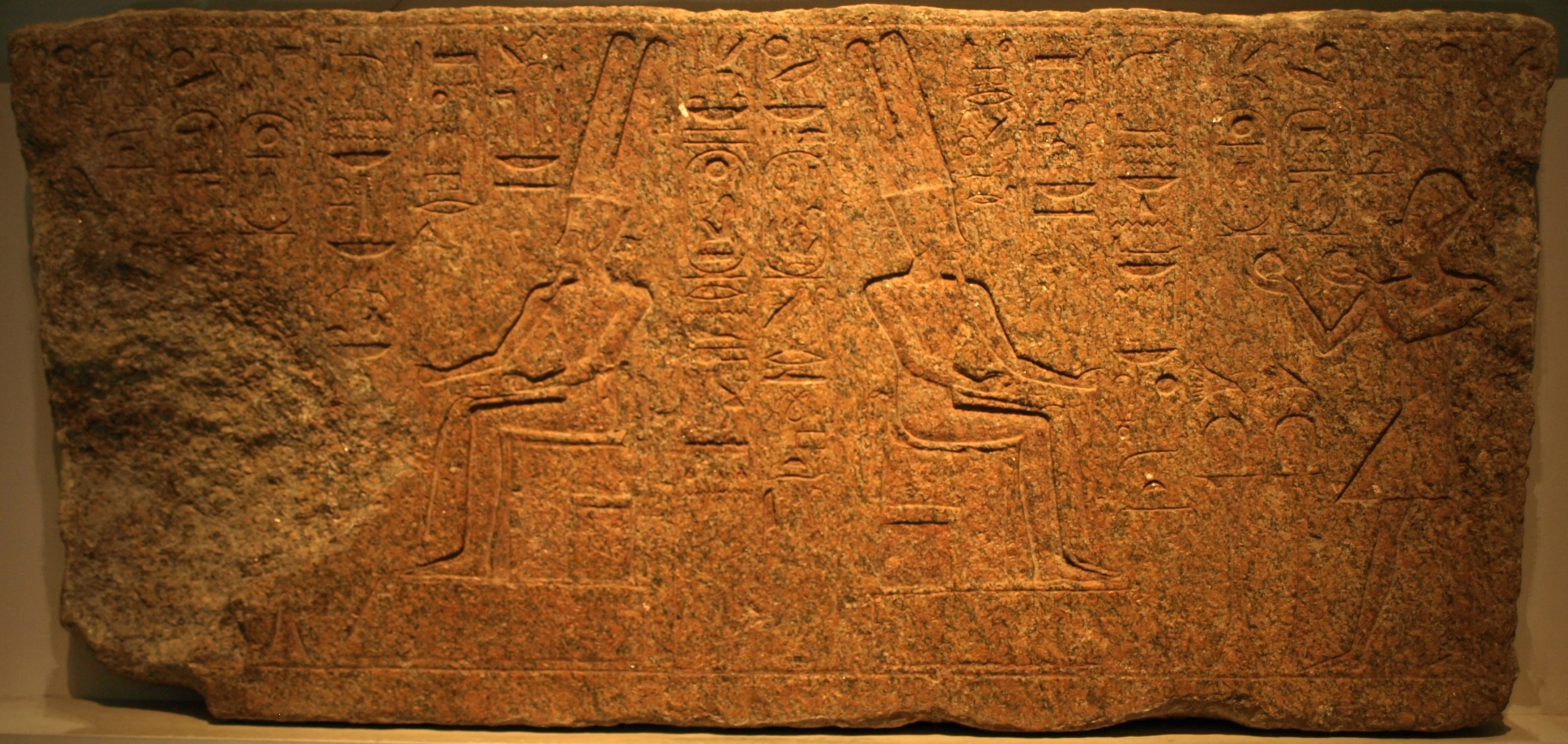
Bubastis
Ancient Egyptian city with Bastet temple
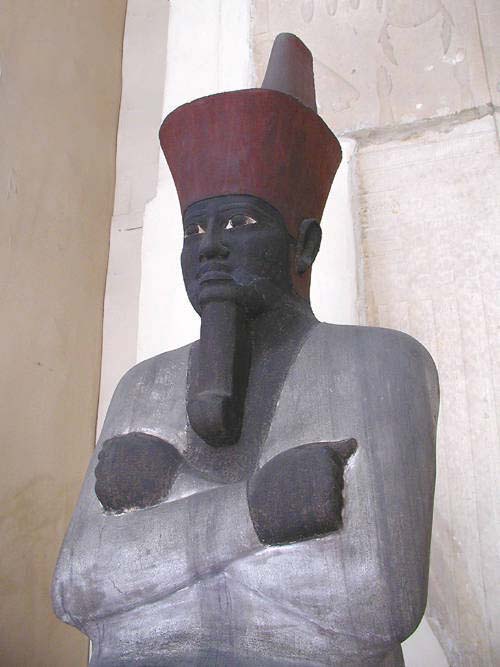
Thinis
Ancient Upper Egypt's undiscovered capital city.
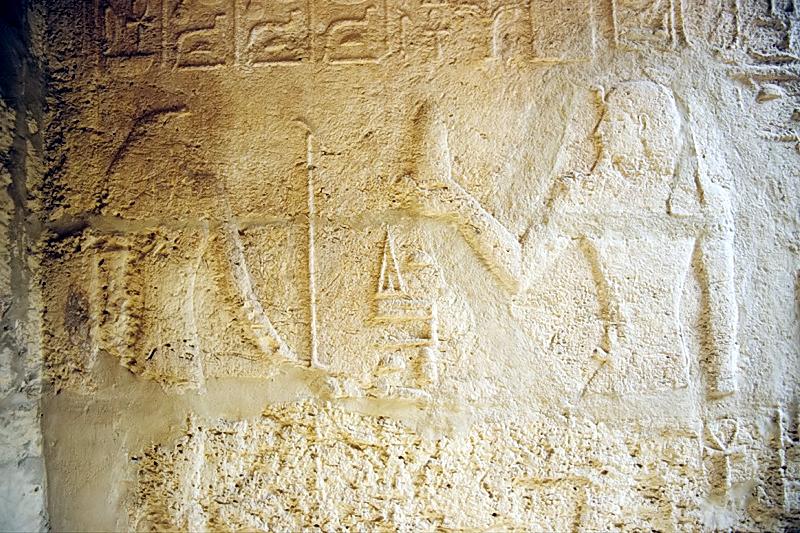
Medinet Madi
Greco-Roman town with Middle Kingdom temple
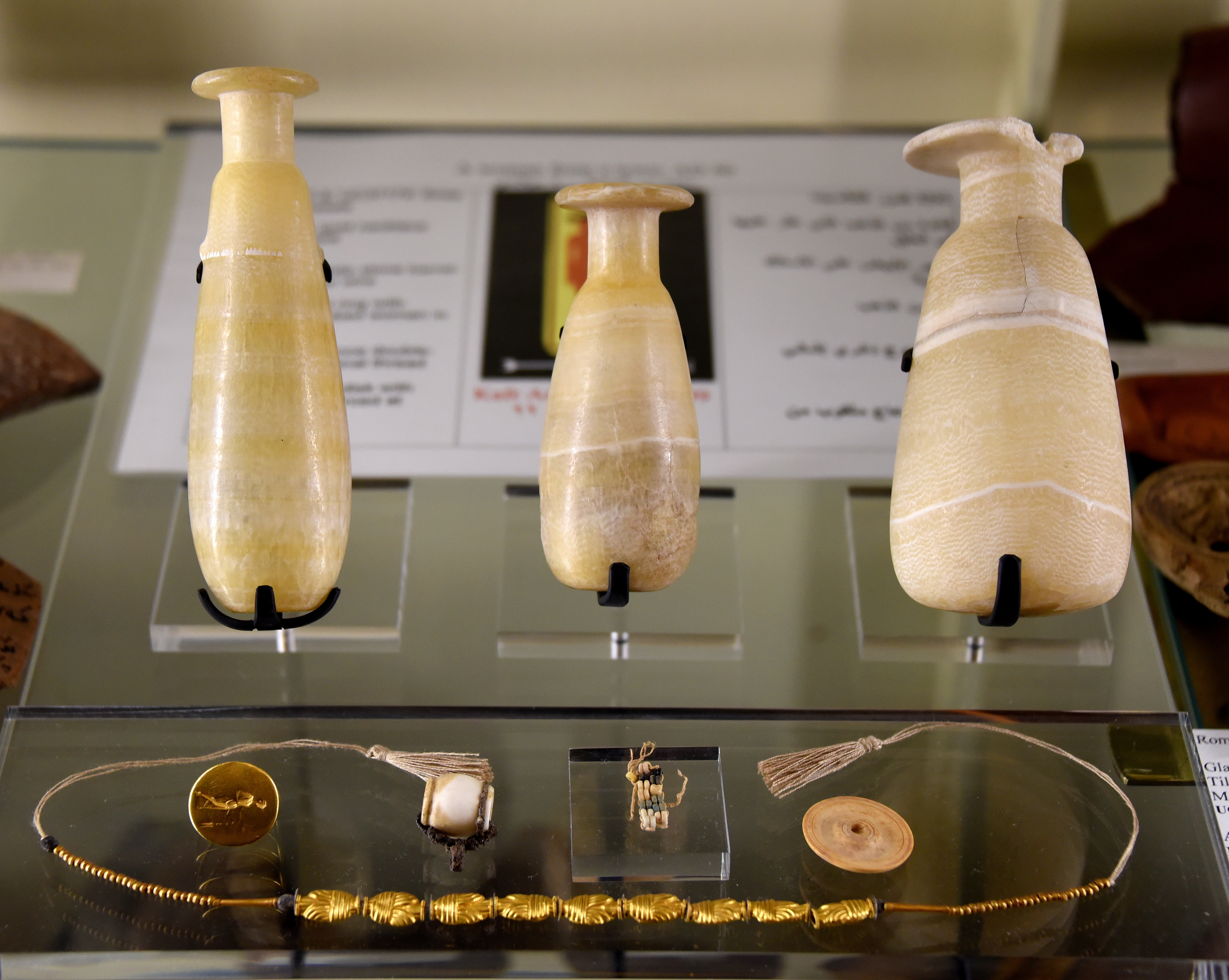
Tarkhan (Egypt)
Ancient Egyptian necropolis with mastabas and tombs.
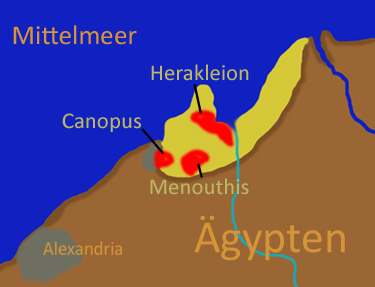
Canopus, Egypt
Submerged ancient Egyptian coastal town ruins