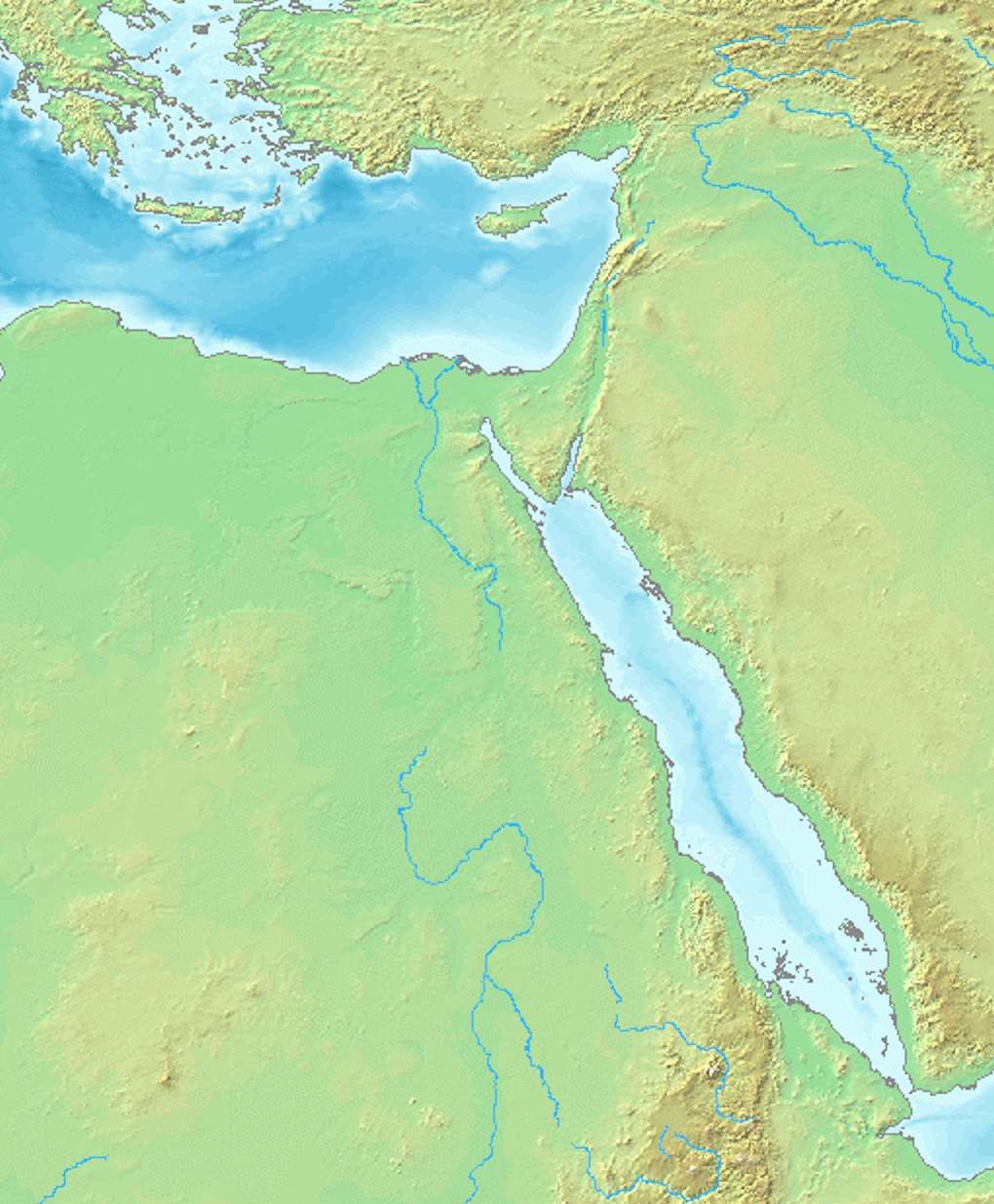
Explore the Map
Gebelein
25.4833° N, 32.4833° E
About
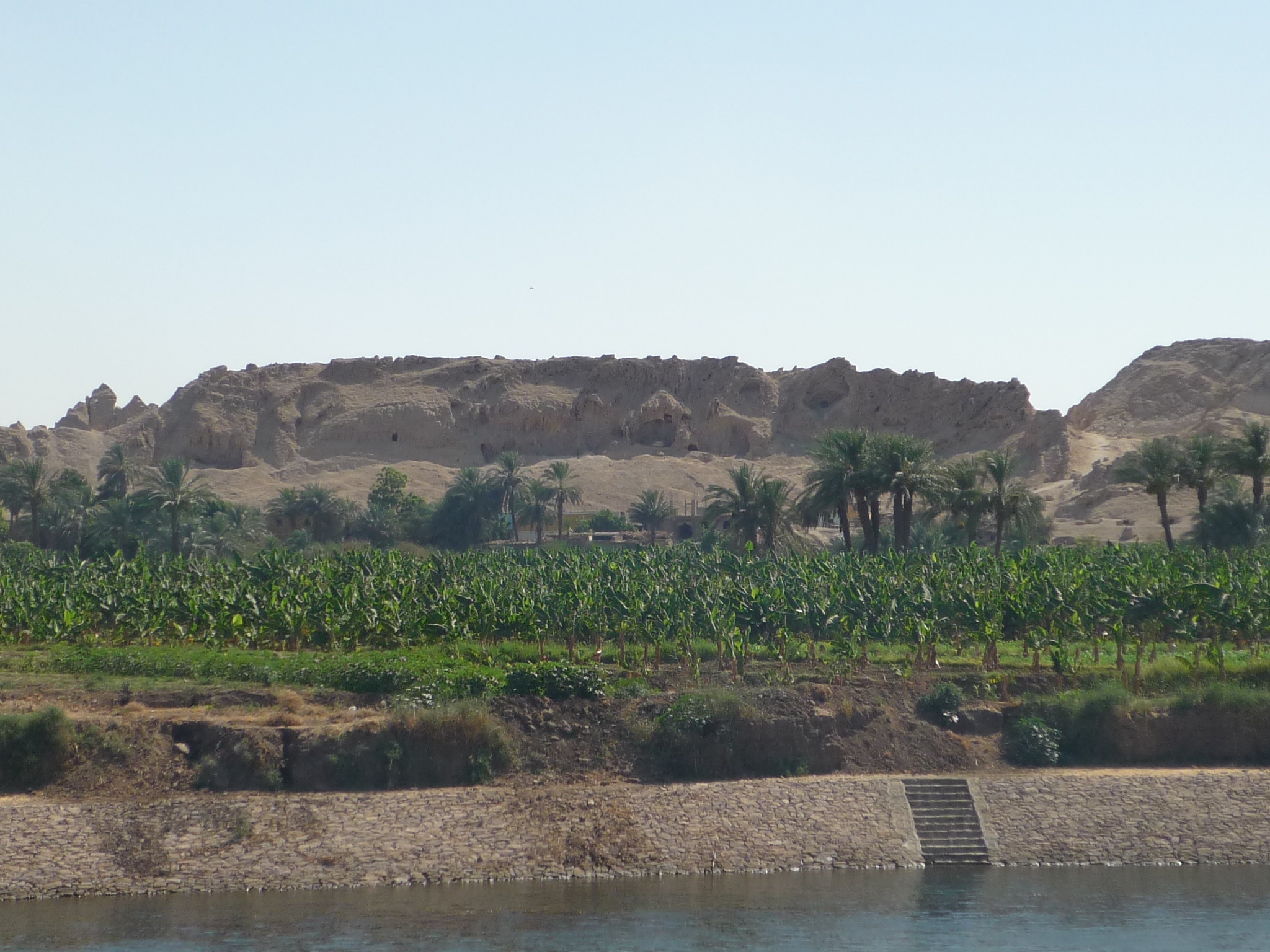
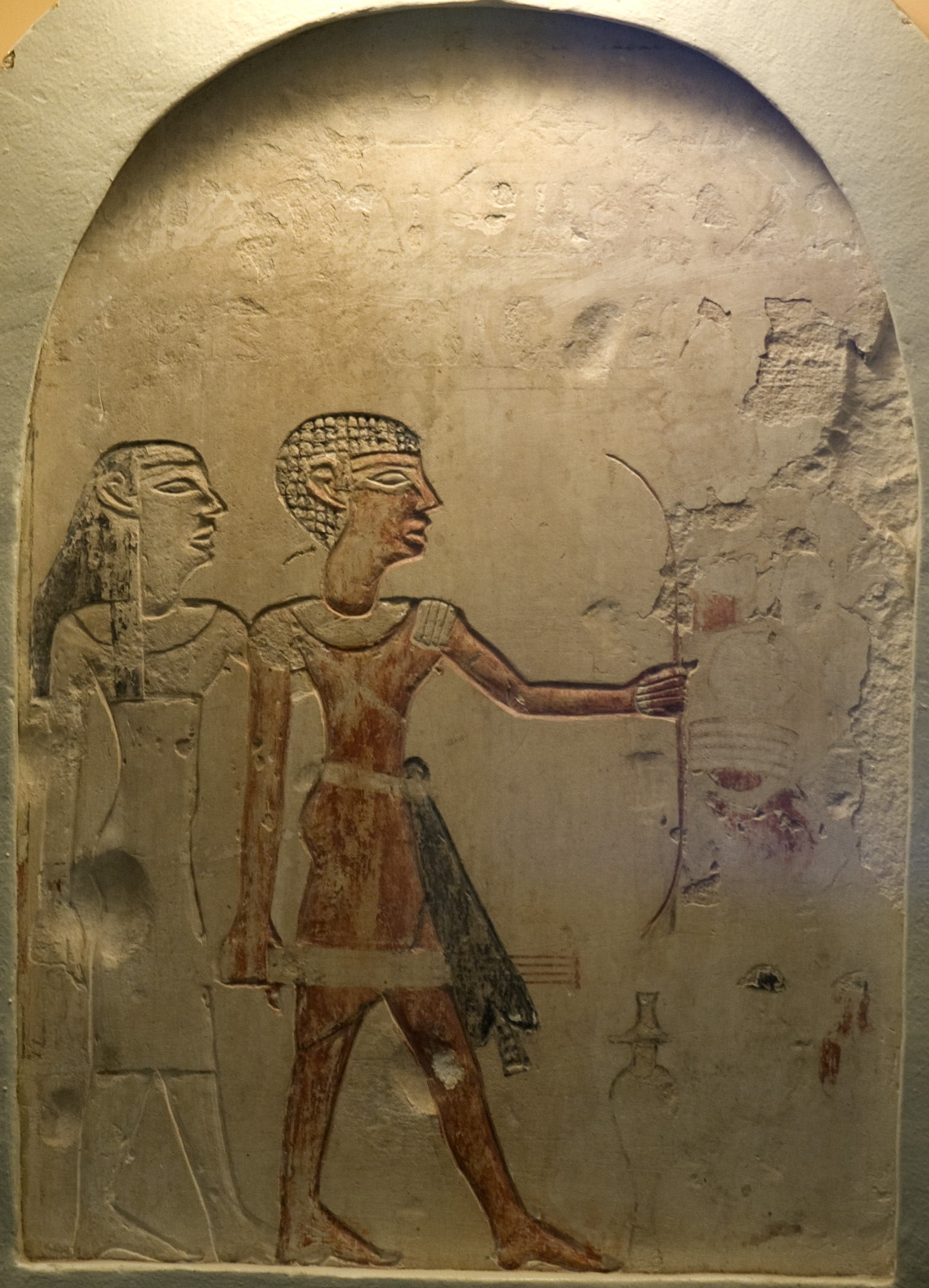
Gebelein is an archaeological site located near the Nile in Egypt, known for its historical significance from the Predynastic Period to the Ptolemaic era. The site is notable for its cemetery, where six naturally mummified bodies from around 3400 BCE were found, marking some of the earliest pre-dynastic mummies discovered. Additionally, the site contains remains of a temple dedicated to Hathor, featuring artifacts from the Second and Third Dynasties, including cartouches and stelae. A military camp was established during the Ptolemaic period after a local rebellion but was later destroyed in 88 BCE. Artifacts from Gebelein are spread across various global museums, highlighting its archaeological importance.
Gallery
Explore photographs of ancient structures, artifacts, and archaeological excavations
Historical Timeline
Journey through time and discover key events in this site's history
Late Predynastic mummification
3400 BCE
Second to Third Dynasties temple
29th to 27th century BCE
Ptolemaic military camp establishment
186 BCE
Destruction of Ptolemaic camp
88 BCE
Archaeological Features
Unique architectural and cultural elements found at this historical site
Burial and Funerary Structures
Religious and Ritual Structures
Frequently Asked Questions
Plan Your Visit
Tours, travel arrangements, and practical information
![[Private]Valley of The Kings, Hatshepsut, Habu & Lunch](/_next/image?url=https%3A%2F%2Fmedia-cdn.tripadvisor.com%2Fmedia%2Fattractions-splice-spp-720x480%2F06%2Ff9%2Fd9%2F65.jpg&w=828&q=75)


More Sites in Egypt
Thinis
Ancient Upper Egypt's undiscovered capital city.
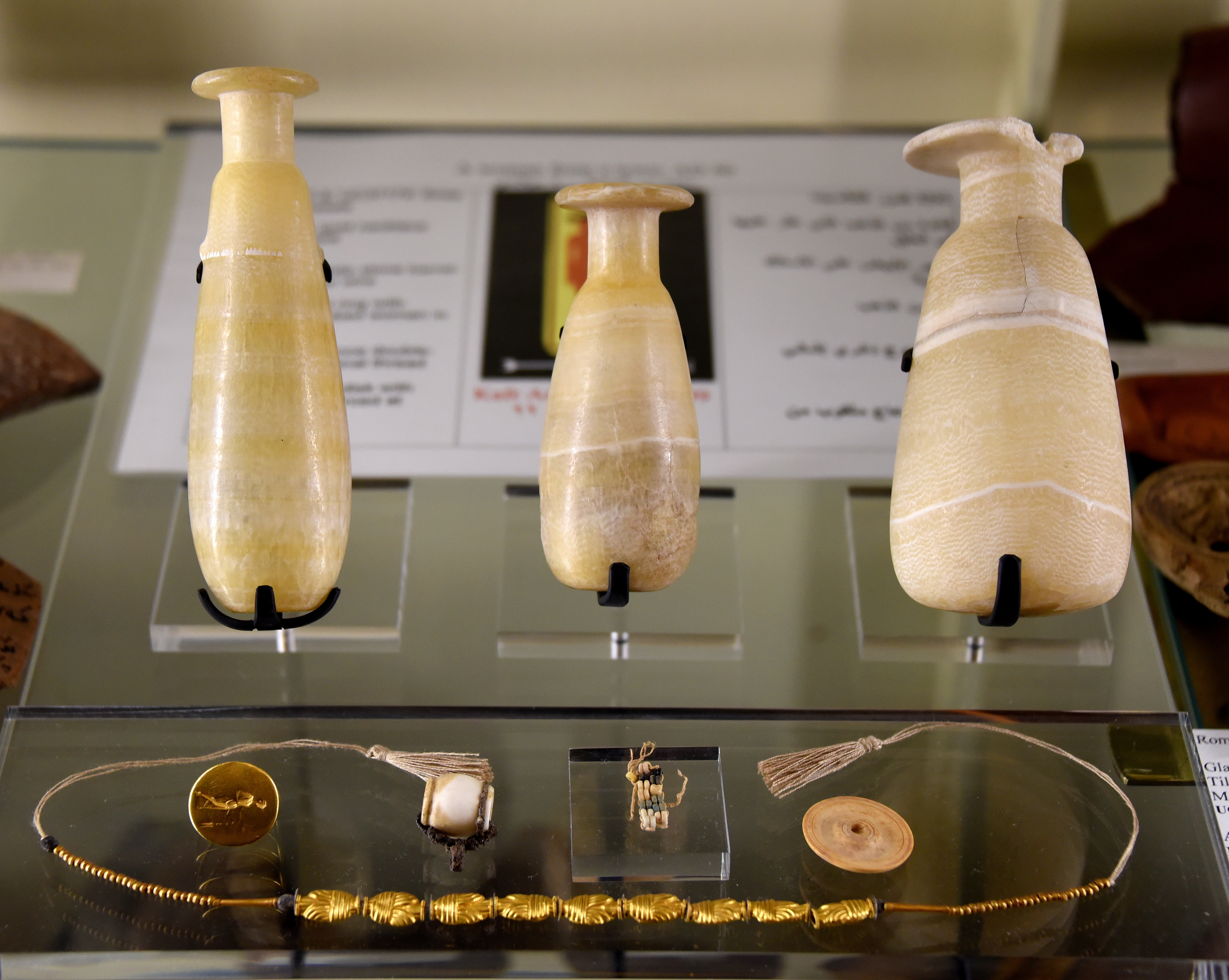
Tarkhan (Egypt)
Ancient Egyptian necropolis with mastabas and tombs.
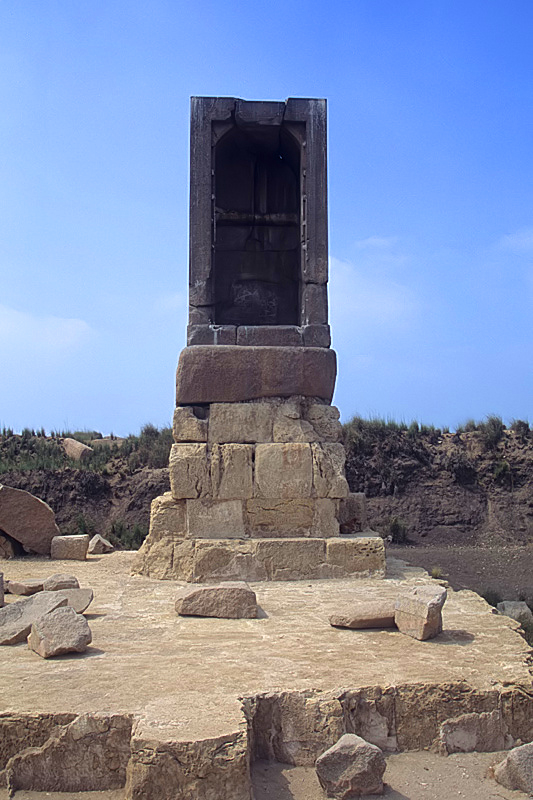
Mendes
Ancient city with significant religious structures.
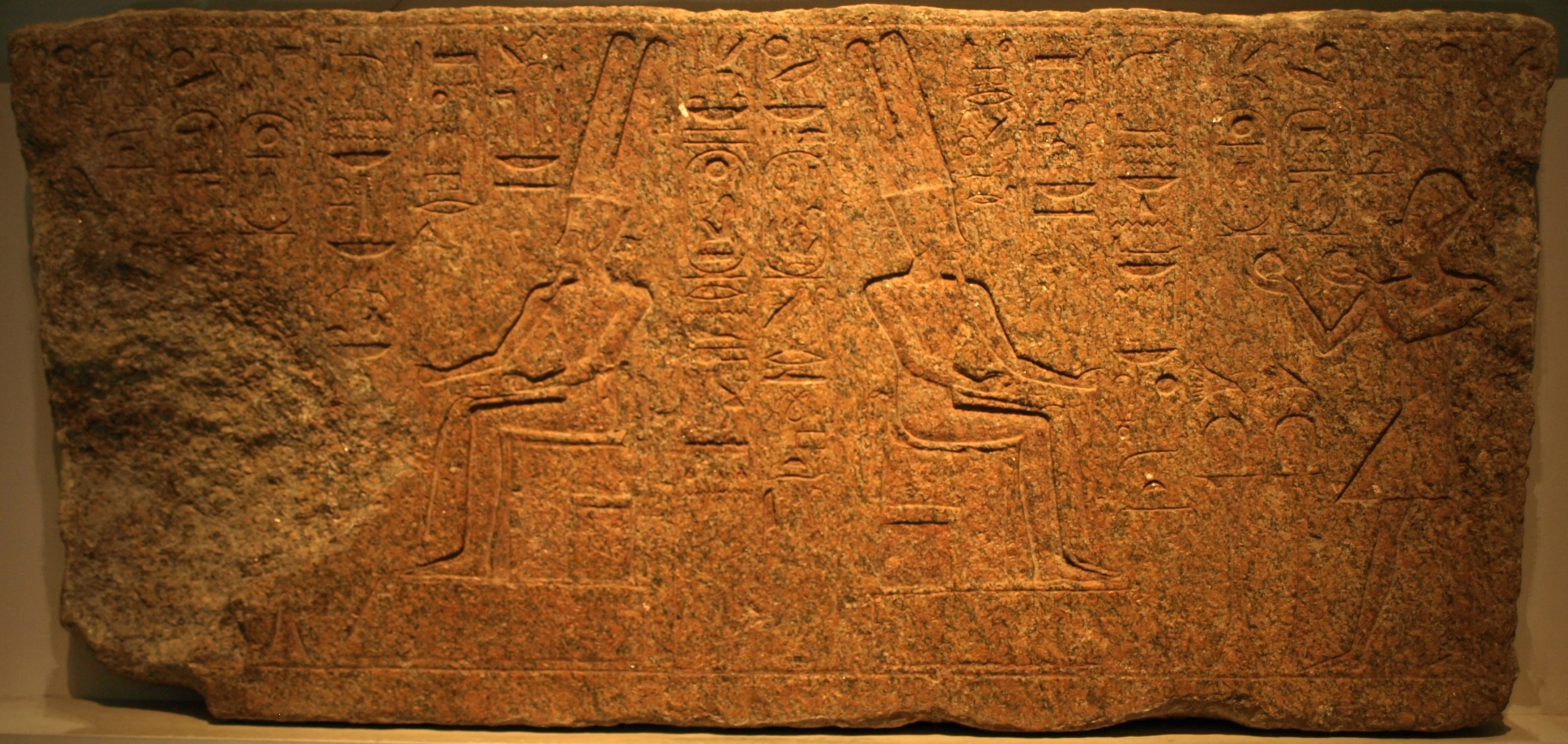
Bubastis
Ancient Egyptian city with Bastet temple
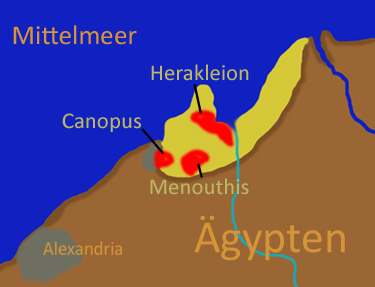
Canopus, Egypt
Submerged ancient Egyptian coastal town ruins

Leontopolis (Heliopolis)
Ancient city with fortifications and a temple.