Explore the Map
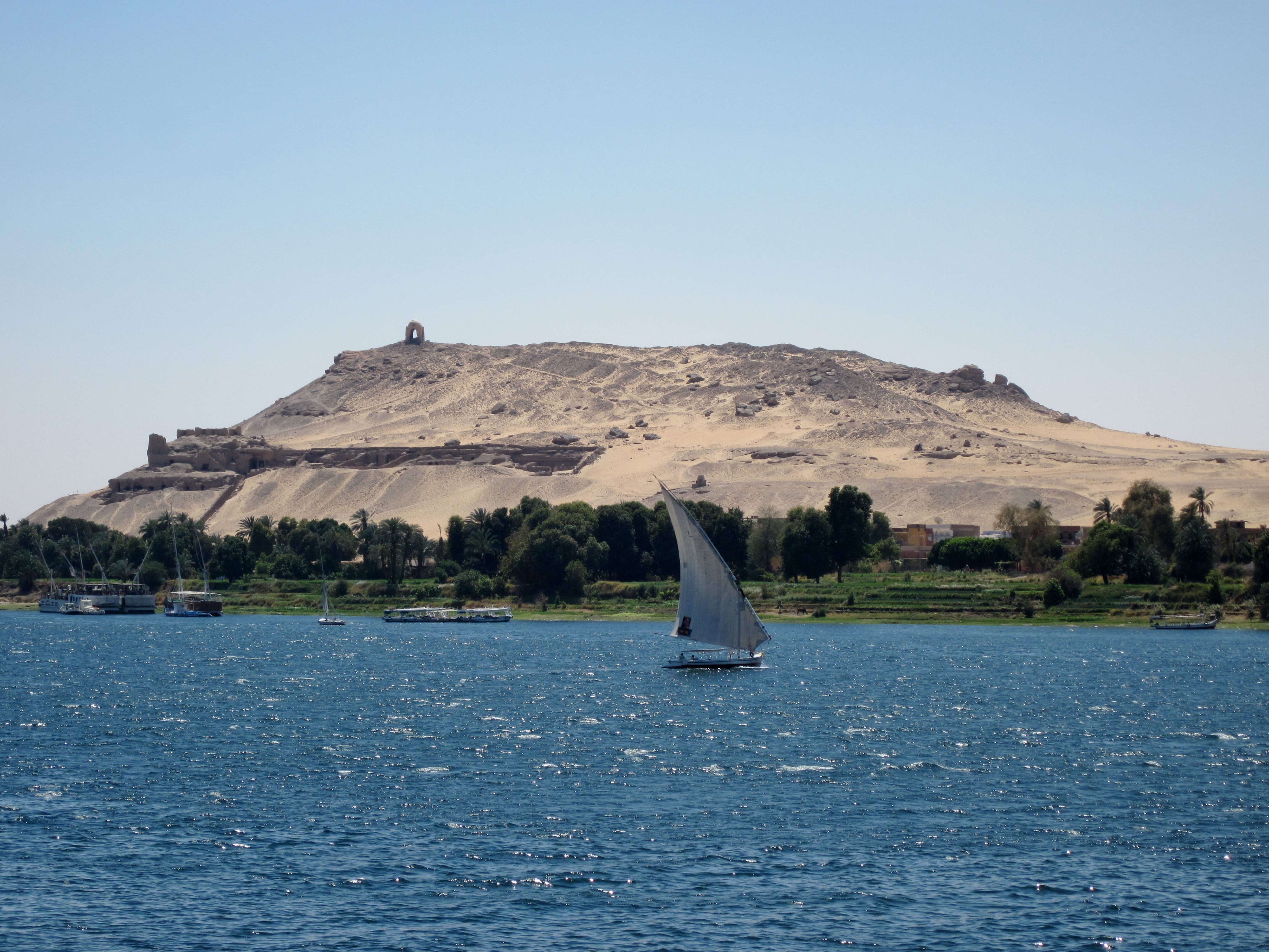
Qubbet el-Hawa
24.1018° N, 32.8892° E
About
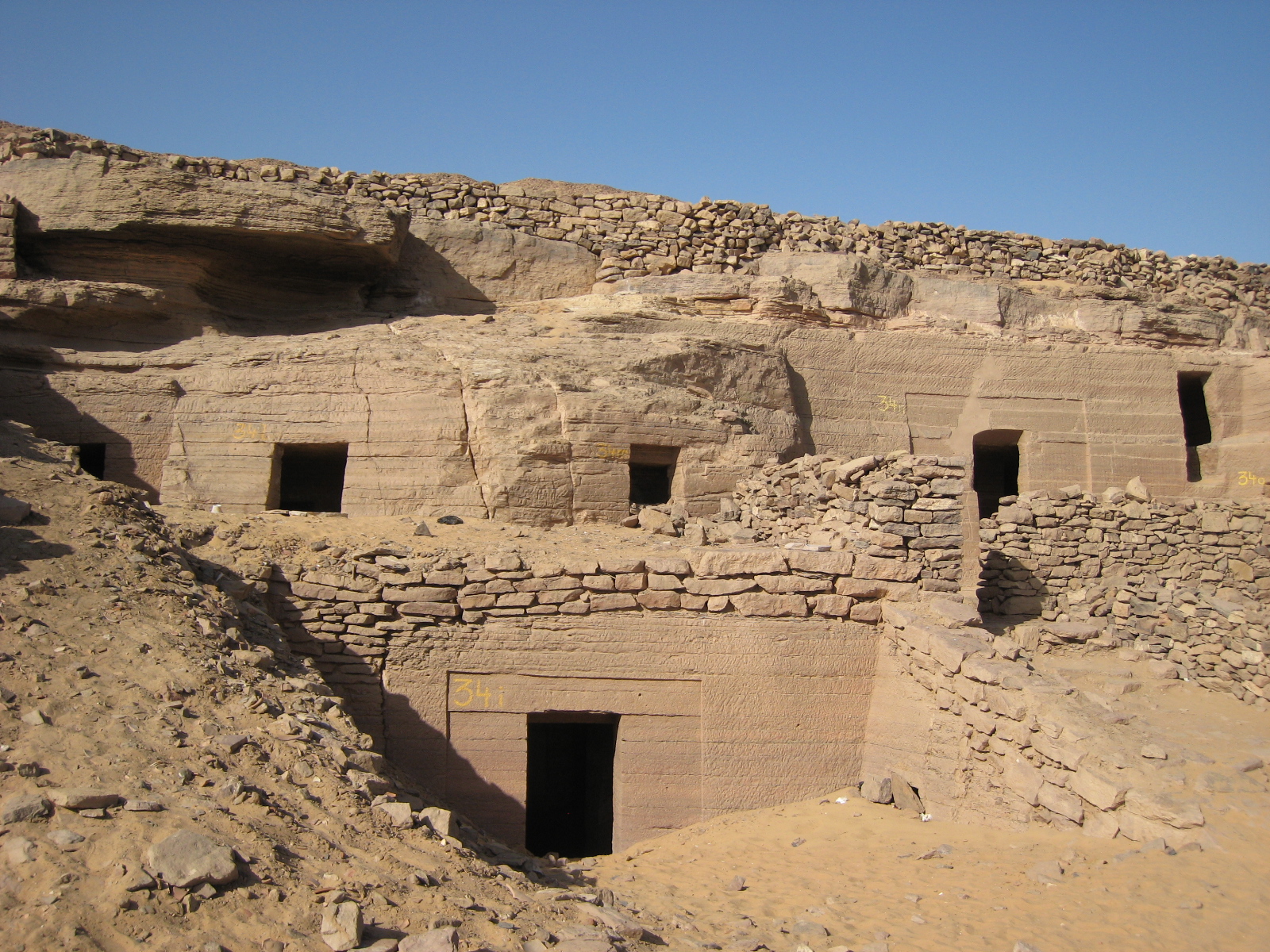
Qubbet el-Hawa is an ancient necropolis situated on the west bank of the Nile, directly across from Aswan. This archaeological site is renowned for its collection of over 100 tombs belonging to nobility and priests from Egypt's Old and Middle Kingdoms, extending through the Roman Period. The necropolis reveals valuable insights into the burial traditions of Upper Egypt, showcasing the roles these individuals played in exploratory missions, trade, and military campaigns. Notable tombs include those from the Sixth Dynasty, such as those of Mekhu and Sabni. Excavations have uncovered a variety of tomb types, including mastabas and rock-cut tombs, and even crocodile mummies, reflecting the site's long and varied history. Additionally, the hill hosts a Coptic monastery, highlighting its continued religious significance through time.
Gallery
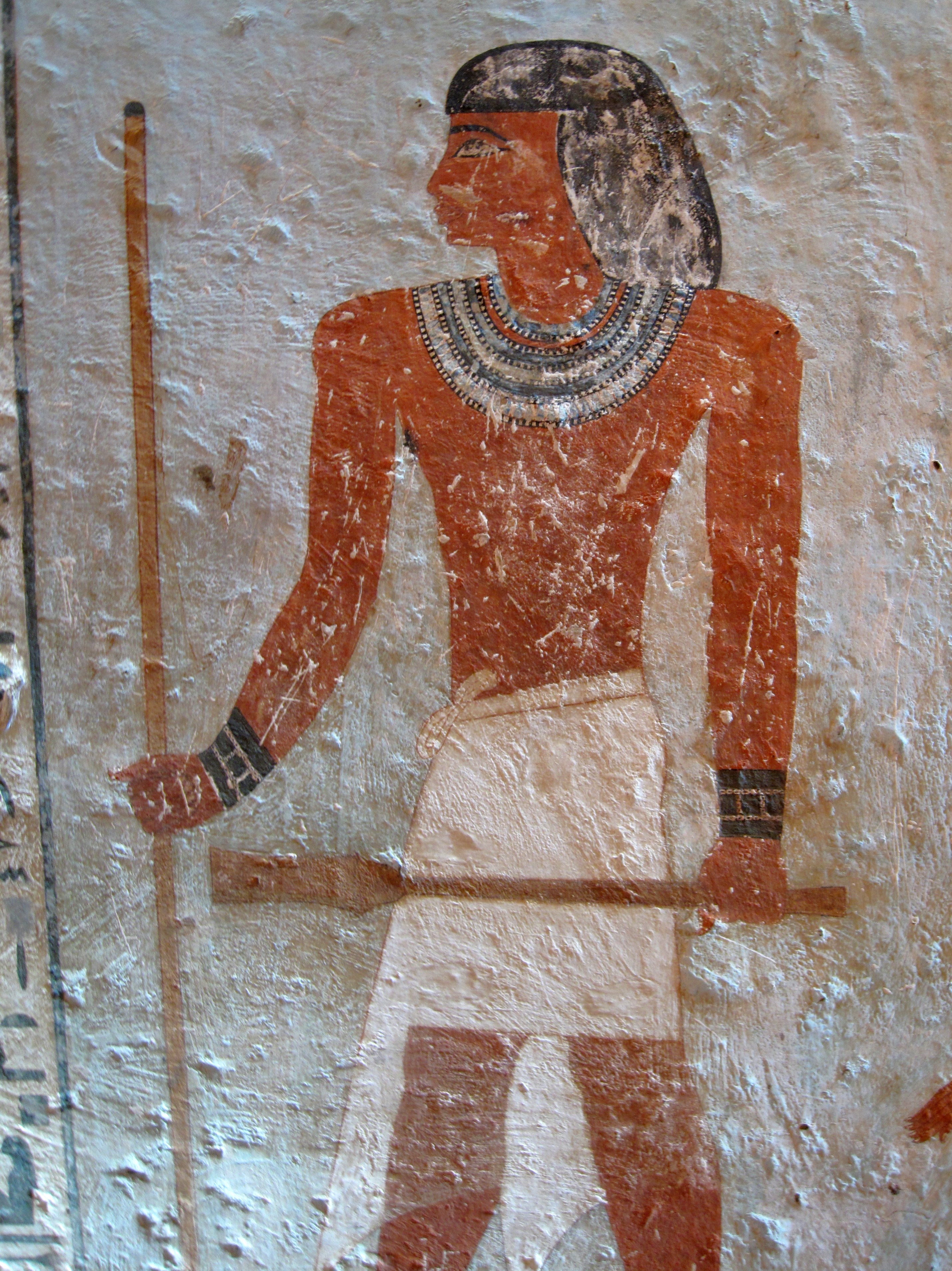
Explore photographs of ancient structures, artifacts, and archaeological excavations
Historical Timeline
Journey through time and discover key events in this site's history
Old Kingdom Tombs
c. 2575 BCE - 2134 BCE
Middle Kingdom Tombs
c. 2055 BCE - 1650 BCE
New Kingdom Tombs
c. 1550 BCE - 1070 BCE
Roman Period Tombs
c. 30 BCE - 250 CE
Archaeological Features
Unique architectural and cultural elements found at this historical site
Burial and Funerary Structures
Religious and Ritual Structures
Astronomical and Timekeeping Structures
Frequently Asked Questions
Plan Your Visit
Tours, travel arrangements, and practical information


More Sites in Egypt
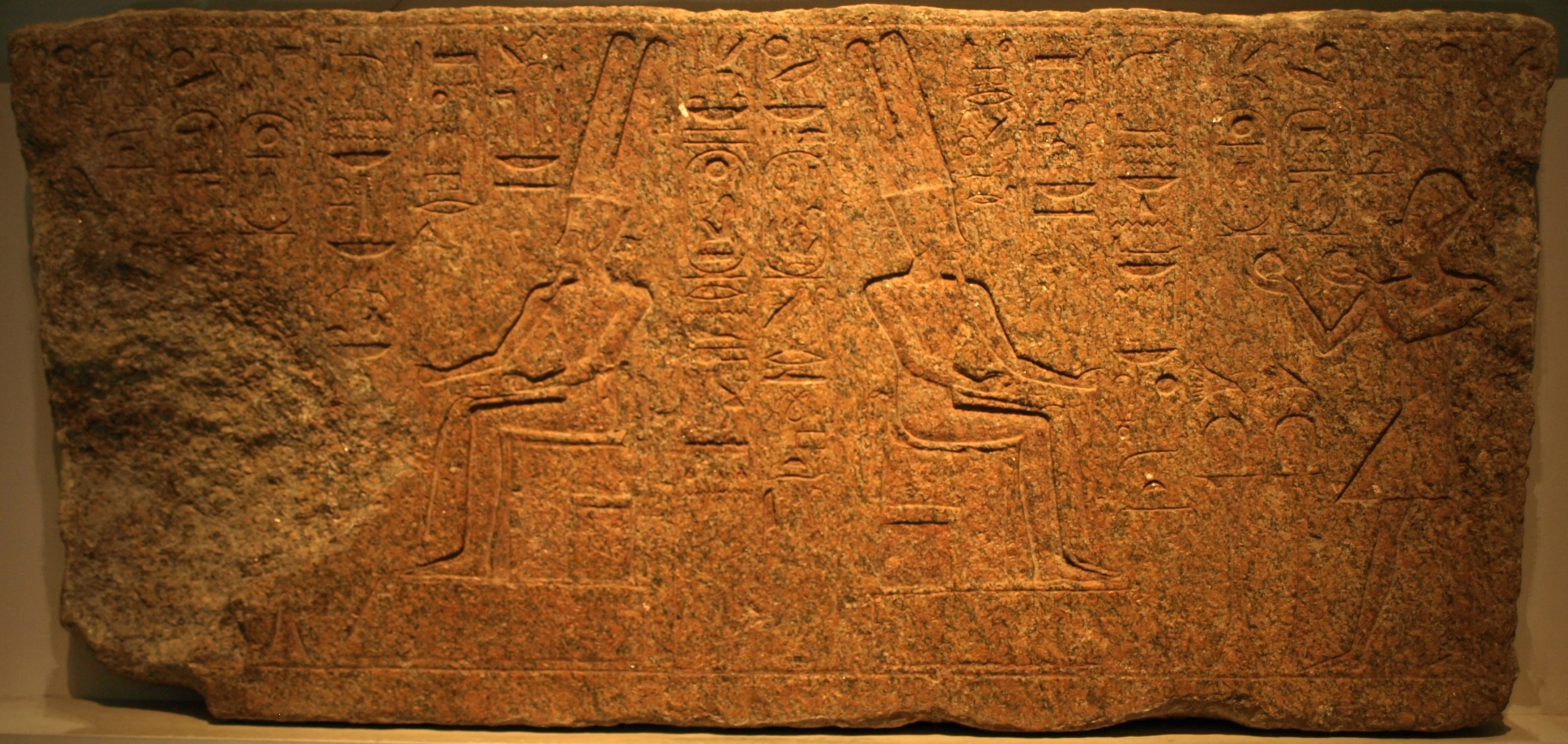
Bubastis
Ancient Egyptian city with Bastet temple
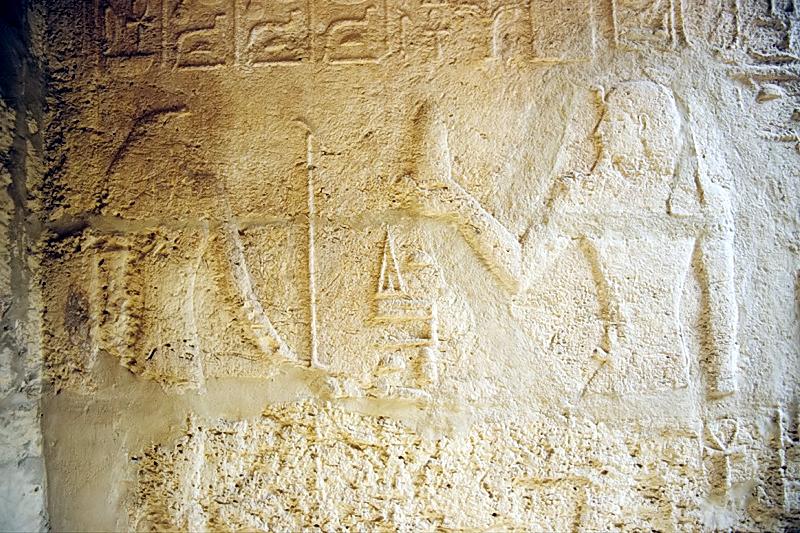
Medinet Madi
Greco-Roman town with Middle Kingdom temple
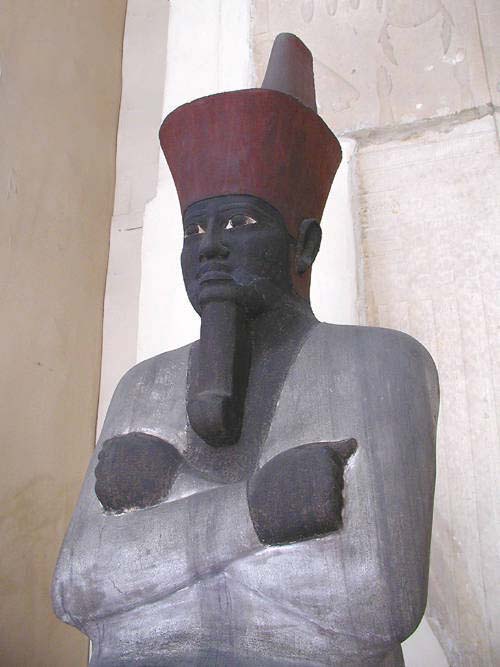
Thinis
Ancient Upper Egypt's undiscovered capital city.
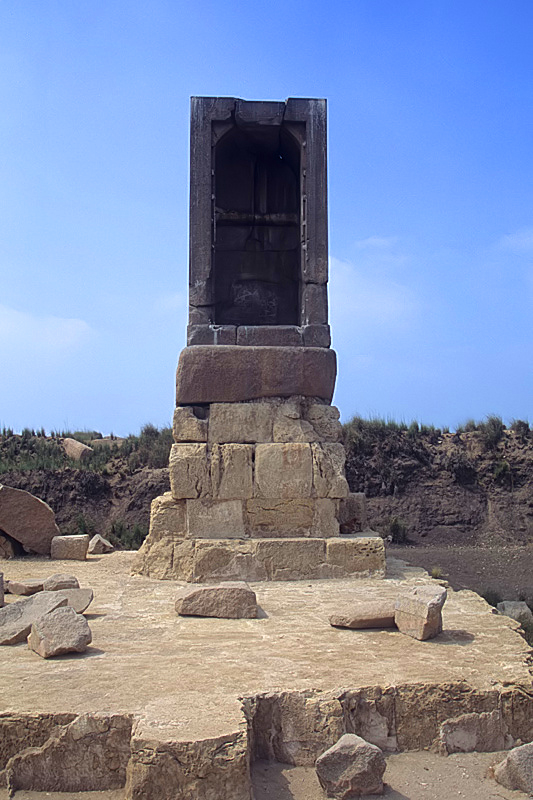
Mendes
Ancient city with significant religious structures.

Leontopolis (Heliopolis)
Ancient city with fortifications and a temple.
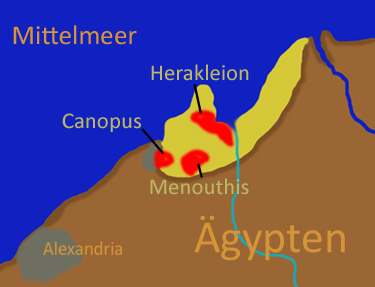
Canopus, Egypt
Submerged ancient Egyptian coastal town ruins