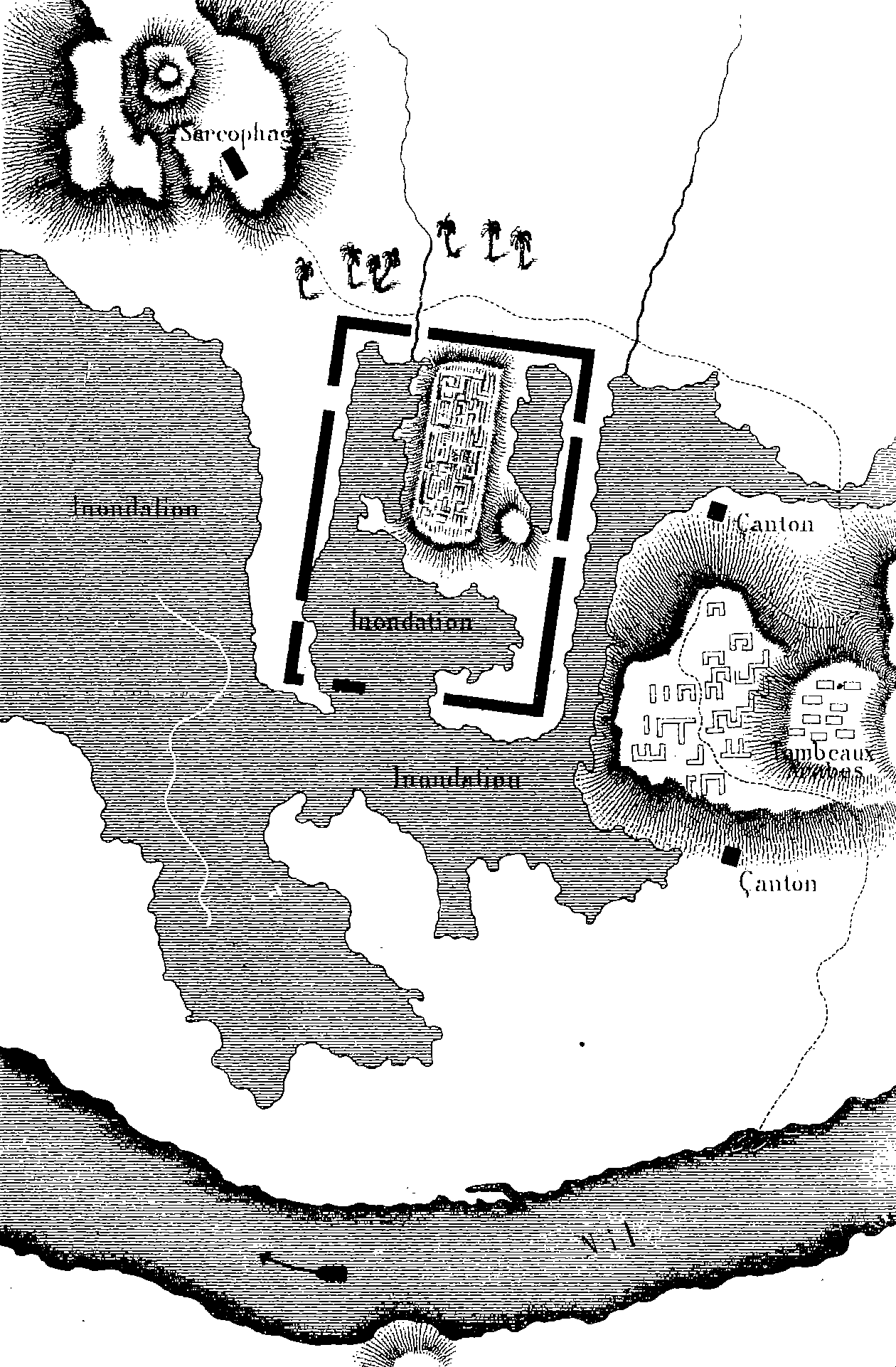
Explore the Map
Sais, Egypt
30.9647° N, 30.7683° E
About
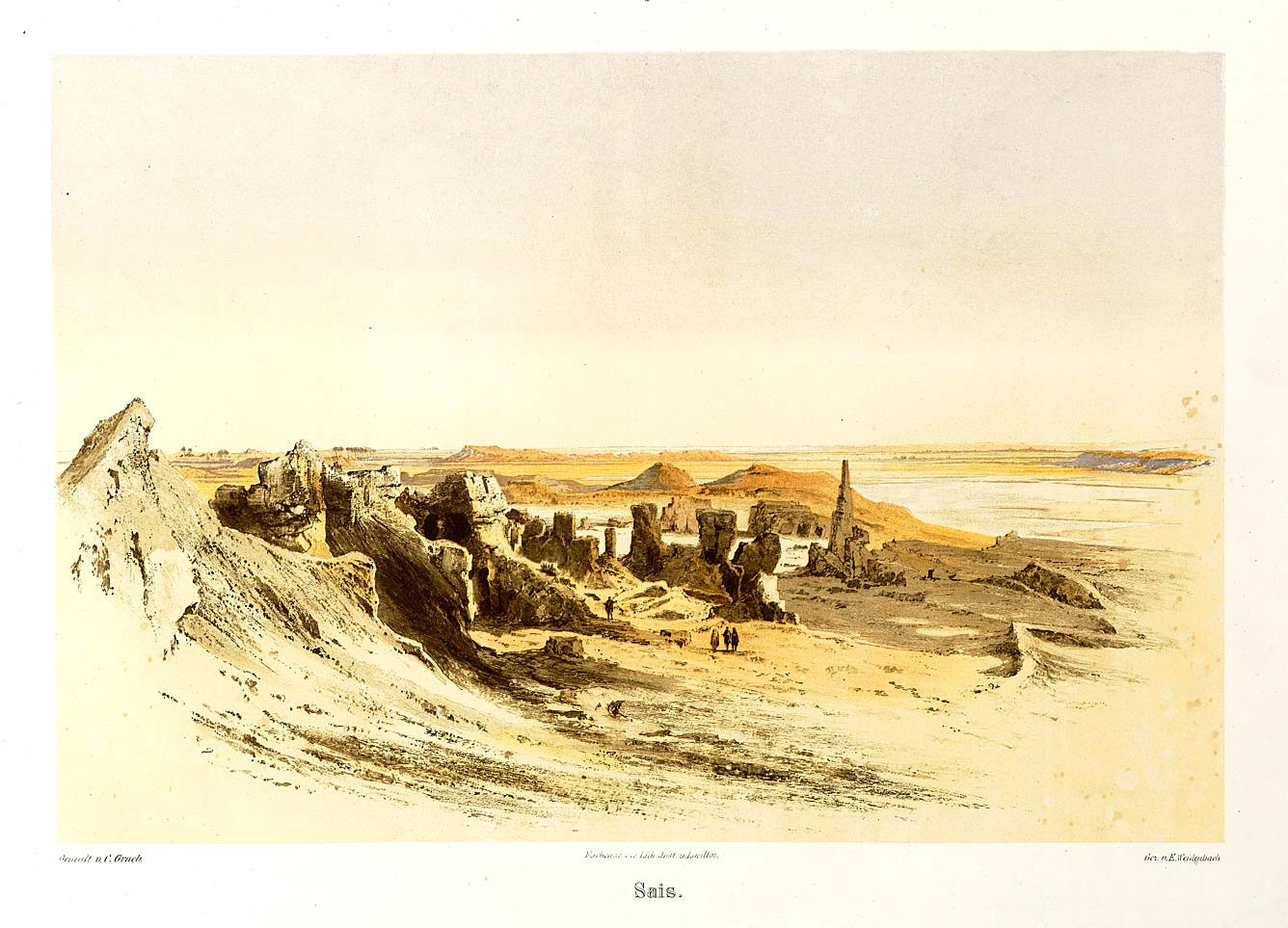
Sais, located on the Canopic branch of the Nile in the Western Nile Delta, was a significant city in ancient Egypt. It has origins stretching back to the Neolithic period, around 5000 BCE, where it started as a fishing camp and evolved into an agricultural settlement. The city became prominent as the seat of power during the Twenty-fourth and Saite Twenty-sixth Dynasties, highlighting its political and religious significance. The patron goddess of Sais was Neith, whose worship dates back to the First Dynasty around 3100 BCE. Despite extensive destruction over time, remnants like temple relief blocks and accounts by historians like Herodotus and Plato highlight its historical and cultural importance. Sais also housed a notable medical school, emphasizing its role in education and health in ancient Egypt.
Gallery
Explore photographs of ancient structures, artifacts, and archaeological excavations
Historical Timeline
Journey through time and discover key events in this site's history
Neolithic Settlement
5000 BCE
First Dynasty Neith Cult
3100 BCE
Twenty-fourth Dynasty Seat
732 BCE
Saite Twenty-sixth Dynasty
664 BCE
Solon's Visit
590 BCE
Archaeological Features
Unique architectural and cultural elements found at this historical site
Public and Civic Structures
Burial and Funerary Structures
Religious and Ritual Structures
Domestic and Habitation Structures
Frequently Asked Questions
Plan Your Visit
Tours, travel arrangements, and practical information


More Sites in Egypt
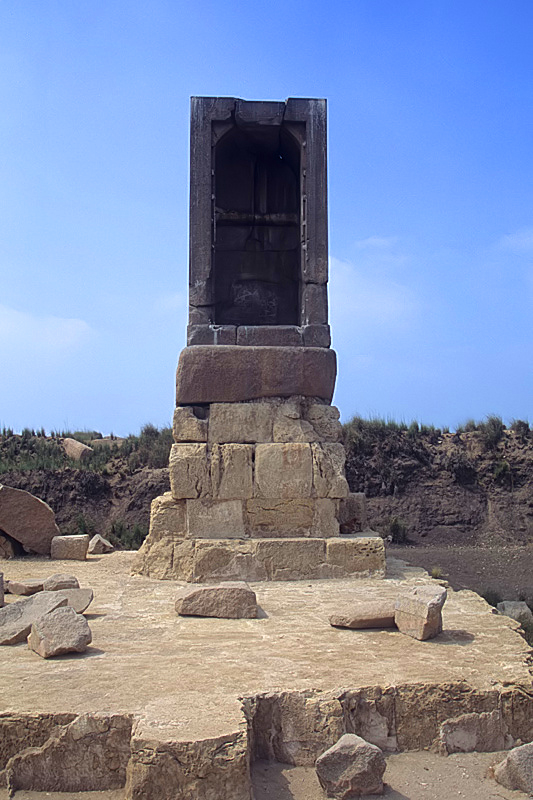
Mendes
Ancient city with significant religious structures.
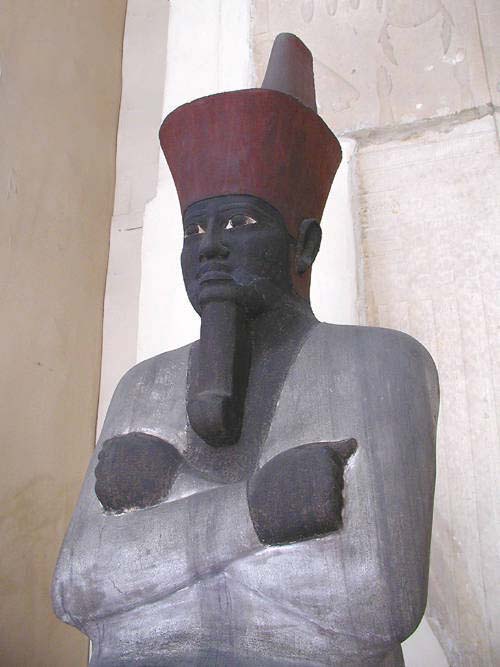
Thinis
Ancient Upper Egypt's undiscovered capital city.
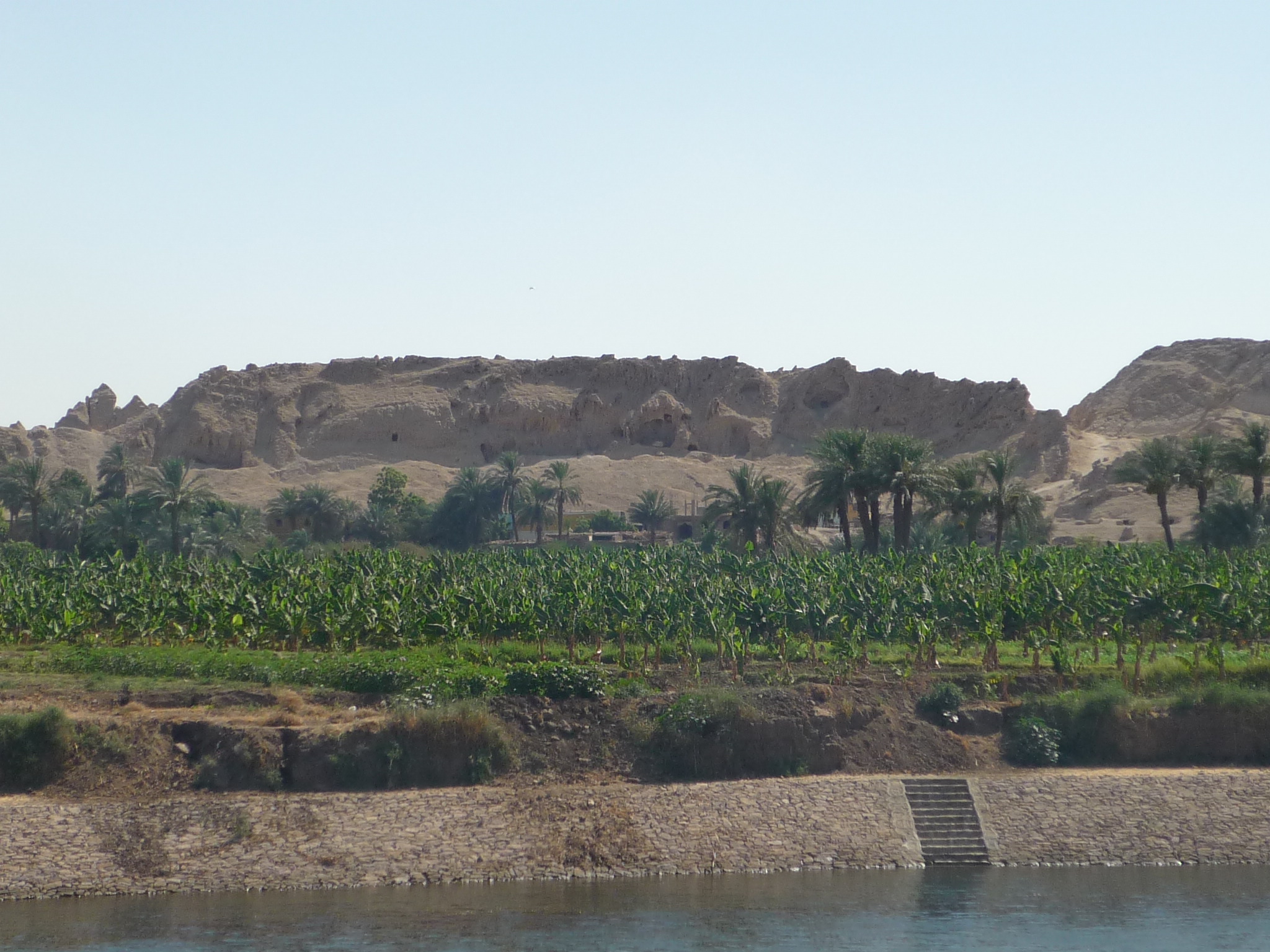
Gebelein
Archaeological site with mummies and temple ruins
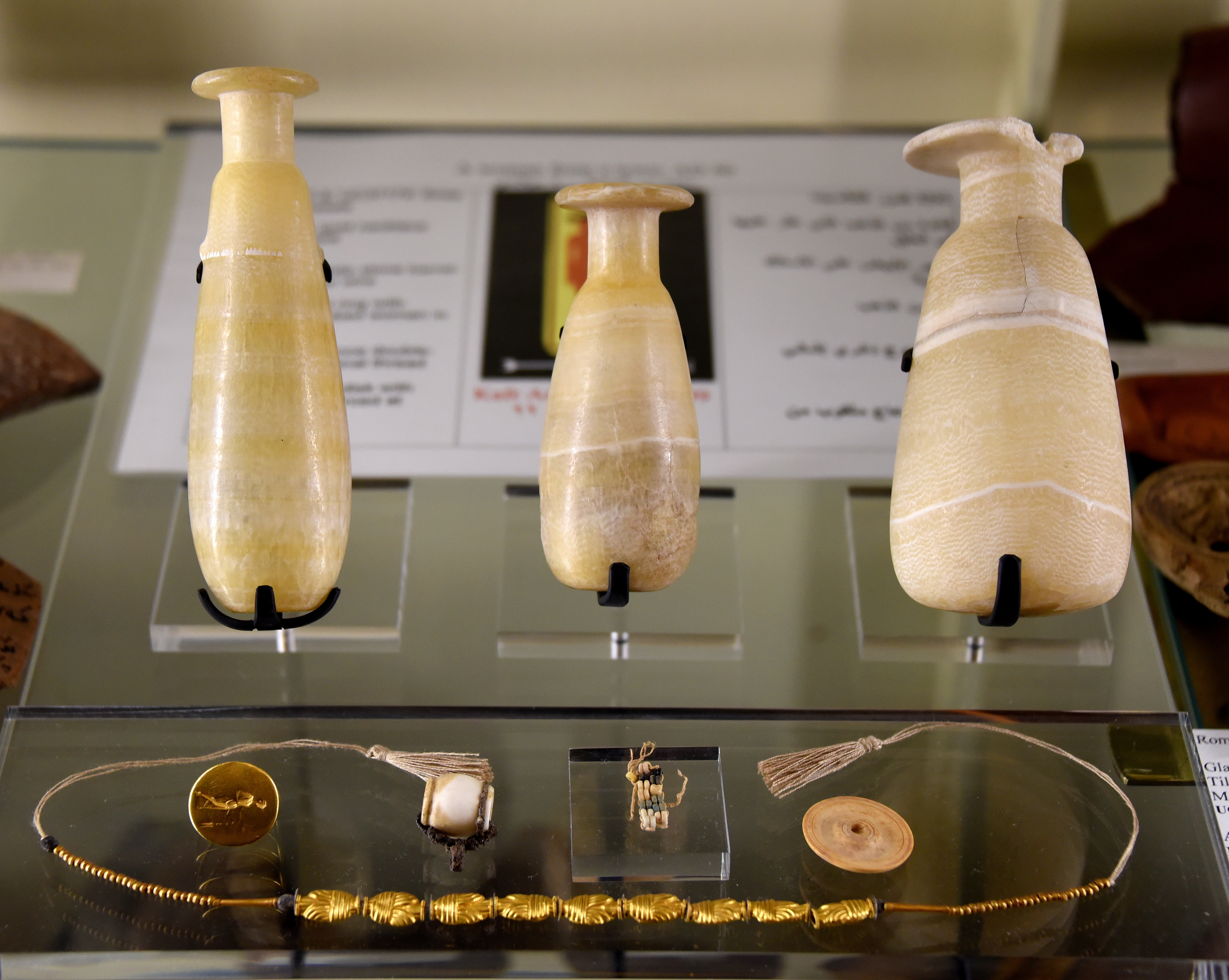
Tarkhan (Egypt)
Ancient Egyptian necropolis with mastabas and tombs.

Leontopolis (Heliopolis)
Ancient city with fortifications and a temple.
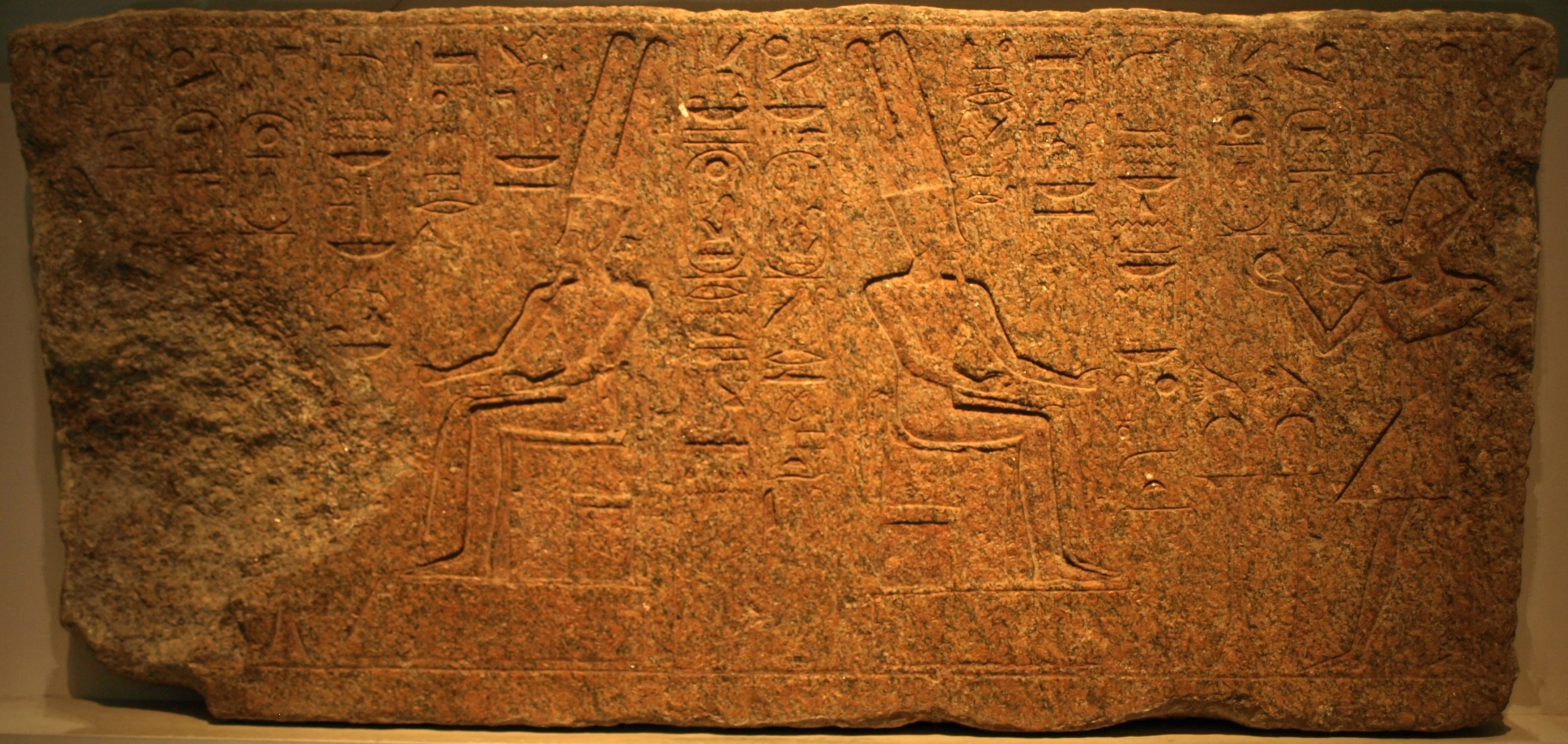
Bubastis
Ancient Egyptian city with Bastet temple