
Explore the Map
Machu Picchu
-13.1633° N, -72.5456° E
About
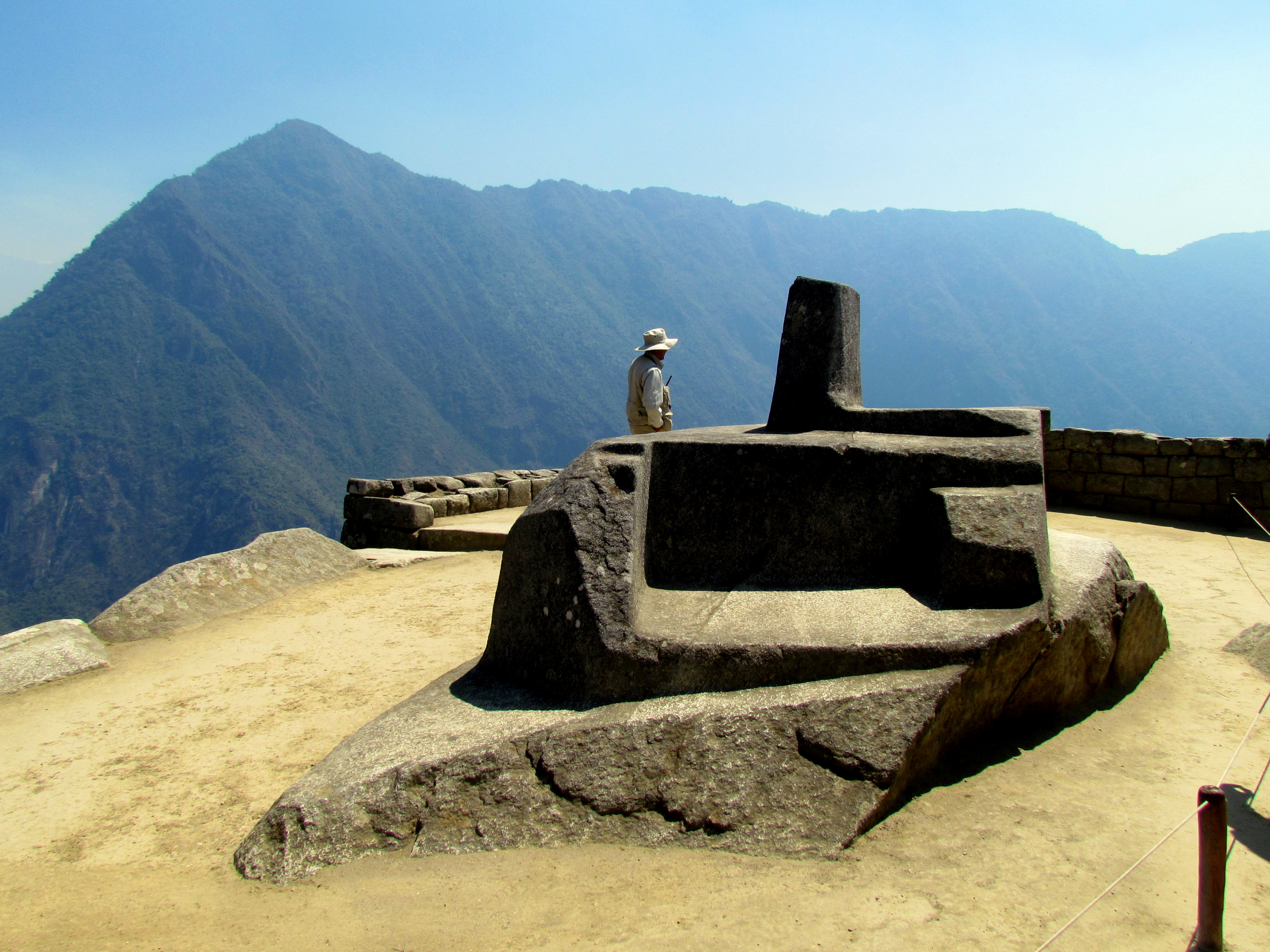
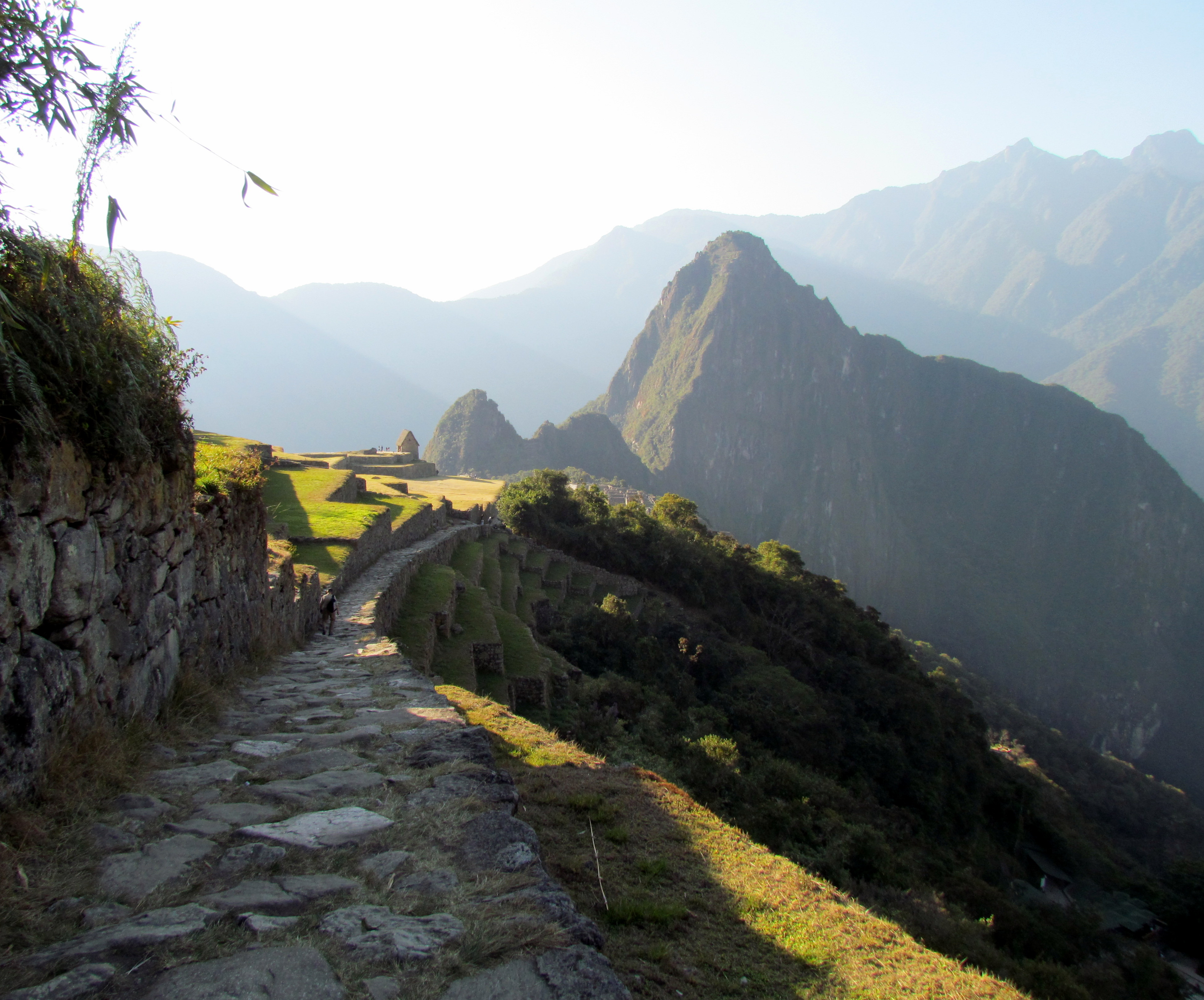
Machu Picchu, a 15th-century Inca citadel, is renowned for its remarkable architecture and strategic location high in the Andes Mountains of Peru. Constructed in the classical Inca style with polished dry-stone walls, it features essential structures like the Temple of the Sun and the Intihuatana stone, reflecting its religious and astronomical significance. The site's agricultural terraces, ingeniously designed for efficient drainage and crop cultivation, demonstrate the Incas' advanced engineering skills. Although initially built as an estate for Emperor Pachacuti, it was likely abandoned during the Spanish conquest. Today, Machu Picchu stands as a testament to Inca ingenuity and is a UNESCO World Heritage Site, attracting scholars and tourists alike.
Gallery
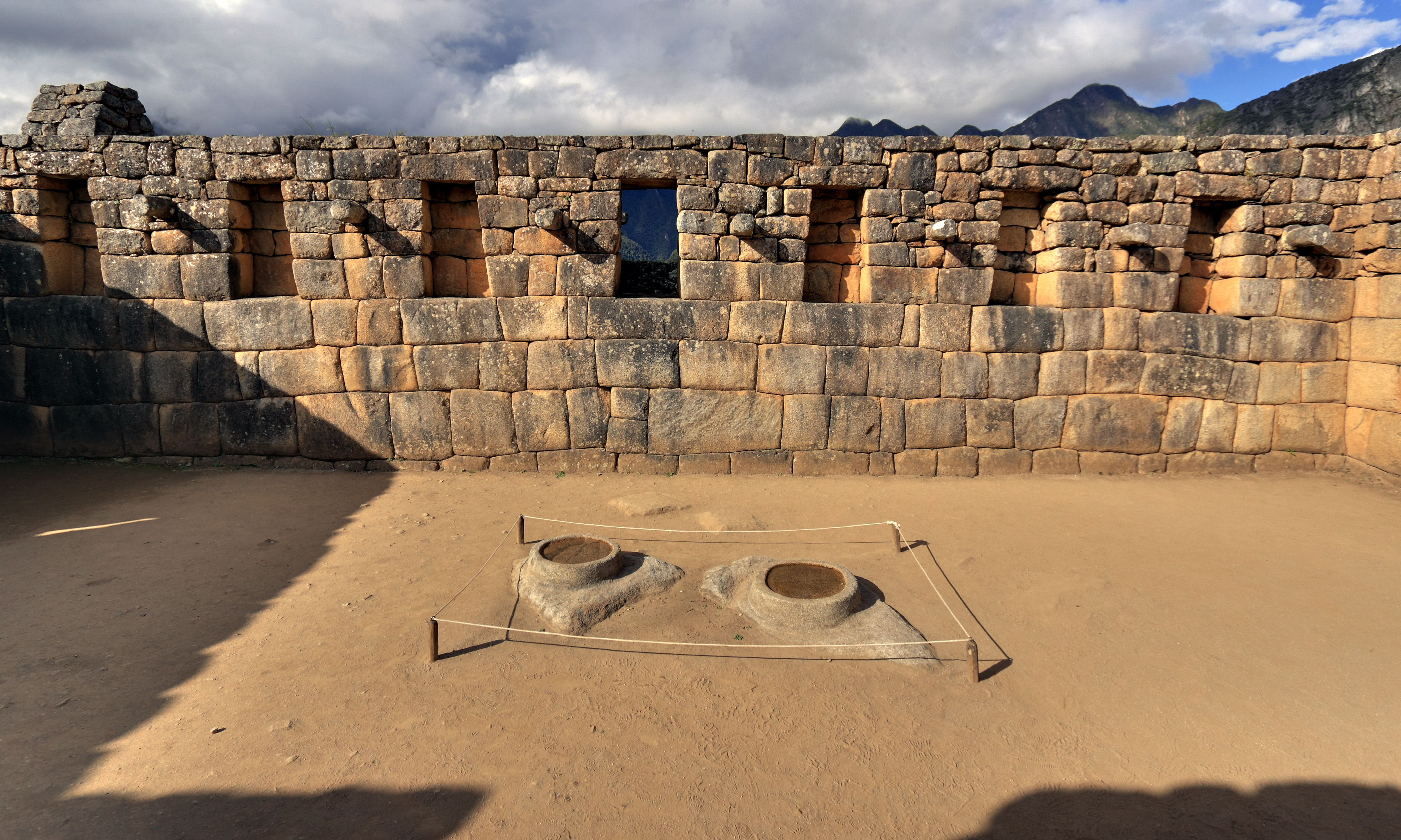
Explore photographs of ancient structures, artifacts, and archaeological excavations
Historical Timeline
Journey through time and discover key events in this site's history
Construction of Machu Picchu
c. 1450 CE
Abandonment due to Spanish Conquest
c. 1532 CE
Archaeological Features
Unique architectural and cultural elements found at this historical site
Defensive Structures
Religious and Ritual Structures
Agricultural and Land Use Features
Domestic and Habitation Structures
Astronomical and Timekeeping Structures
Frequently Asked Questions
Plan Your Visit
Tours, travel arrangements, and practical information


More Sites in Peru
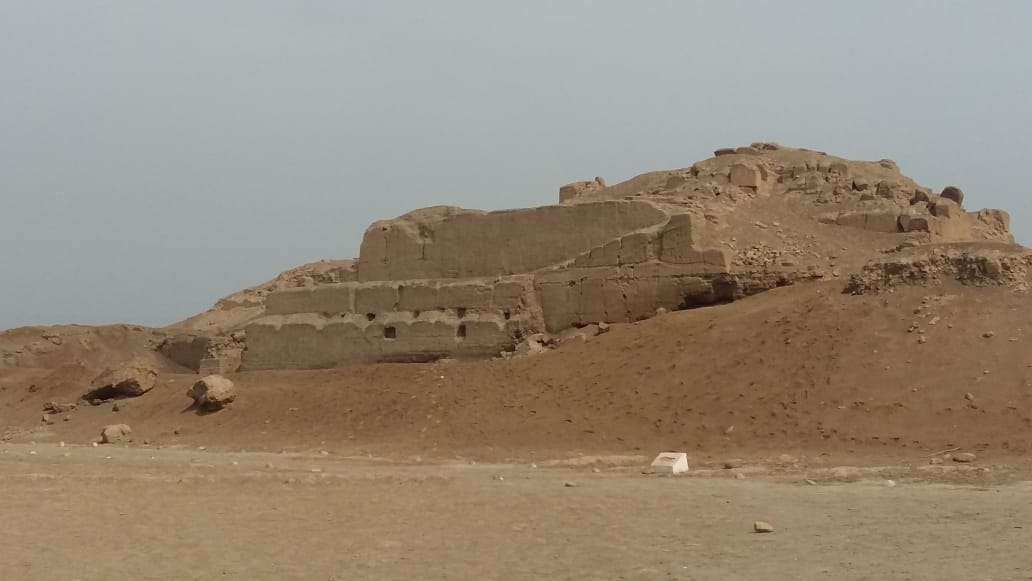
La Centinela
Adobe pyramids in Chincha Valley, Peru.
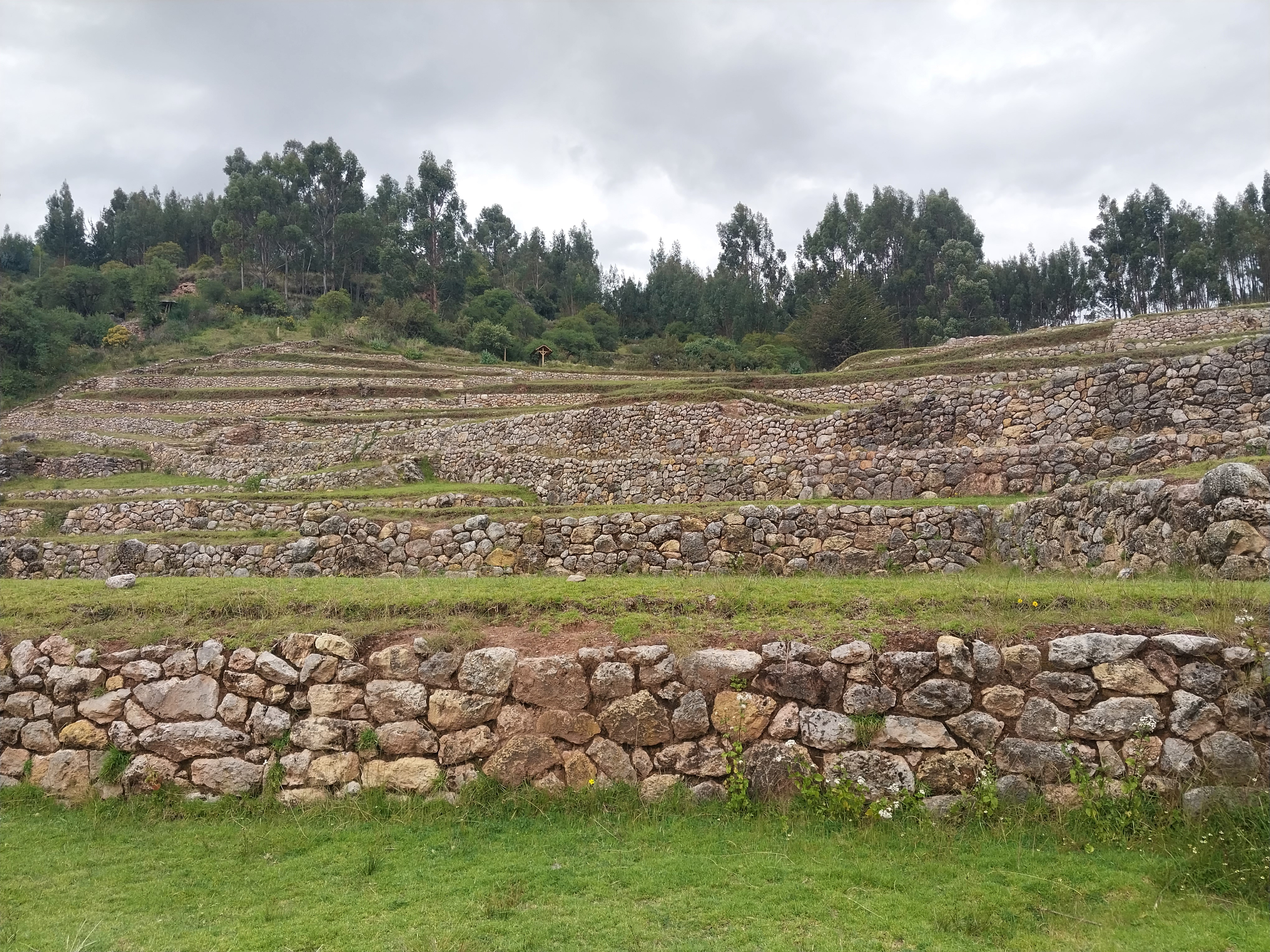
Inkilltambo
Ancient Peruvian site with cultivated terrain.
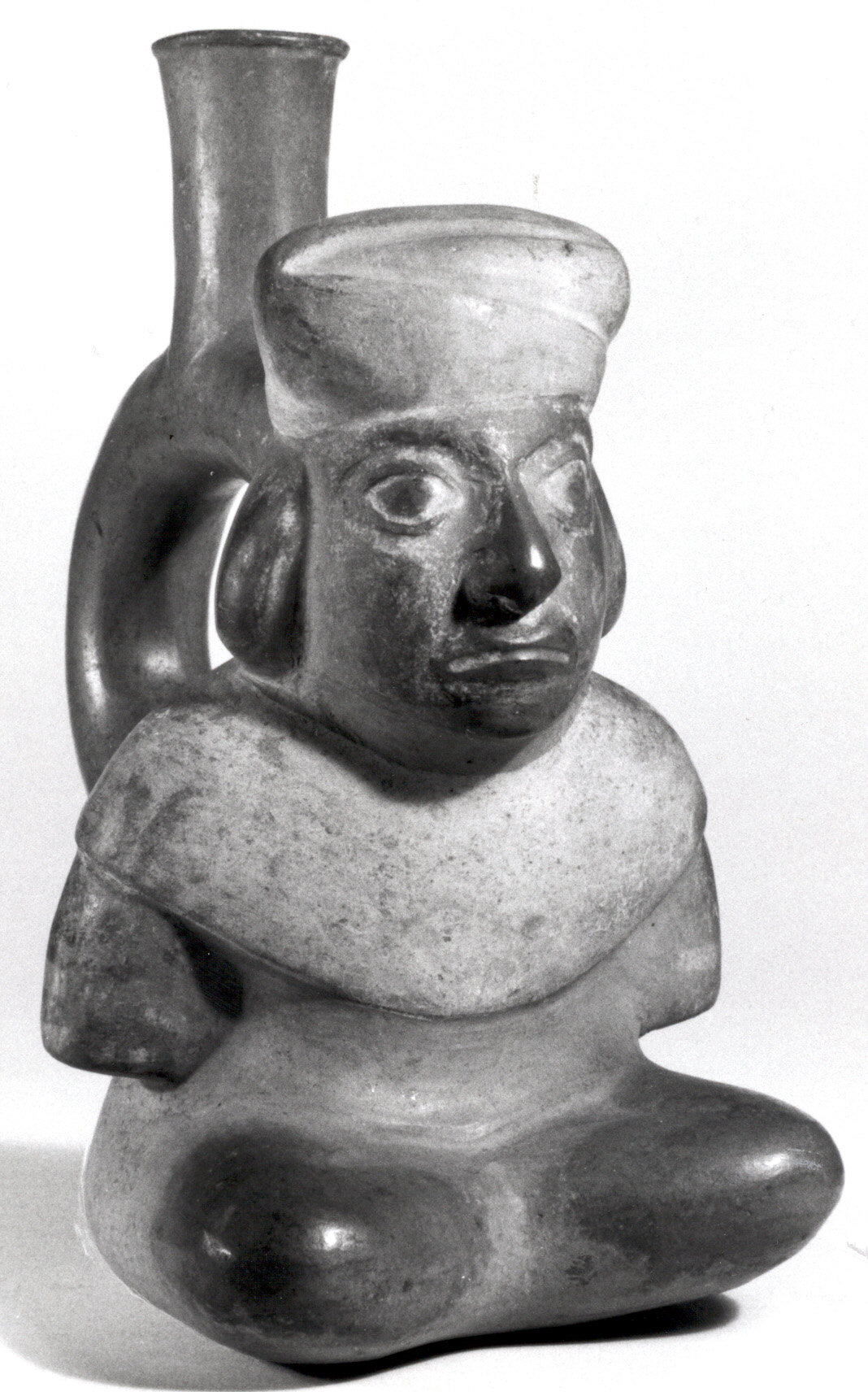
Machu Pirqa
Ancient Chachapoyas wall in Peru.
Huaca Pucllana
Adobe pyramid with ceremonial and administrative areas
Tunanmarca
Hilltop archaeological site with ancient structures
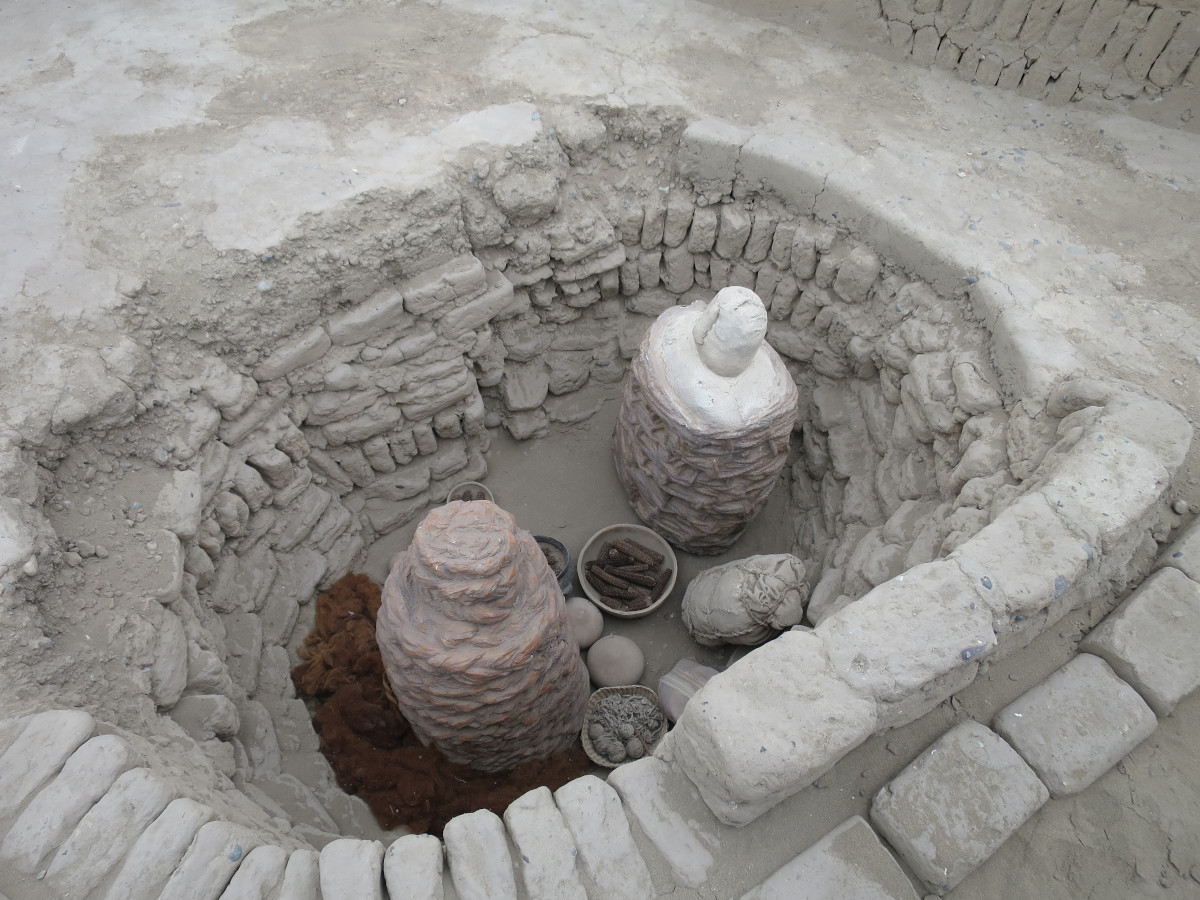
Tikra
Circular buildings and burial towers in Peru