Explore the Map
Huaca Pucllana
-12.1111° N, -77.0339° E
About
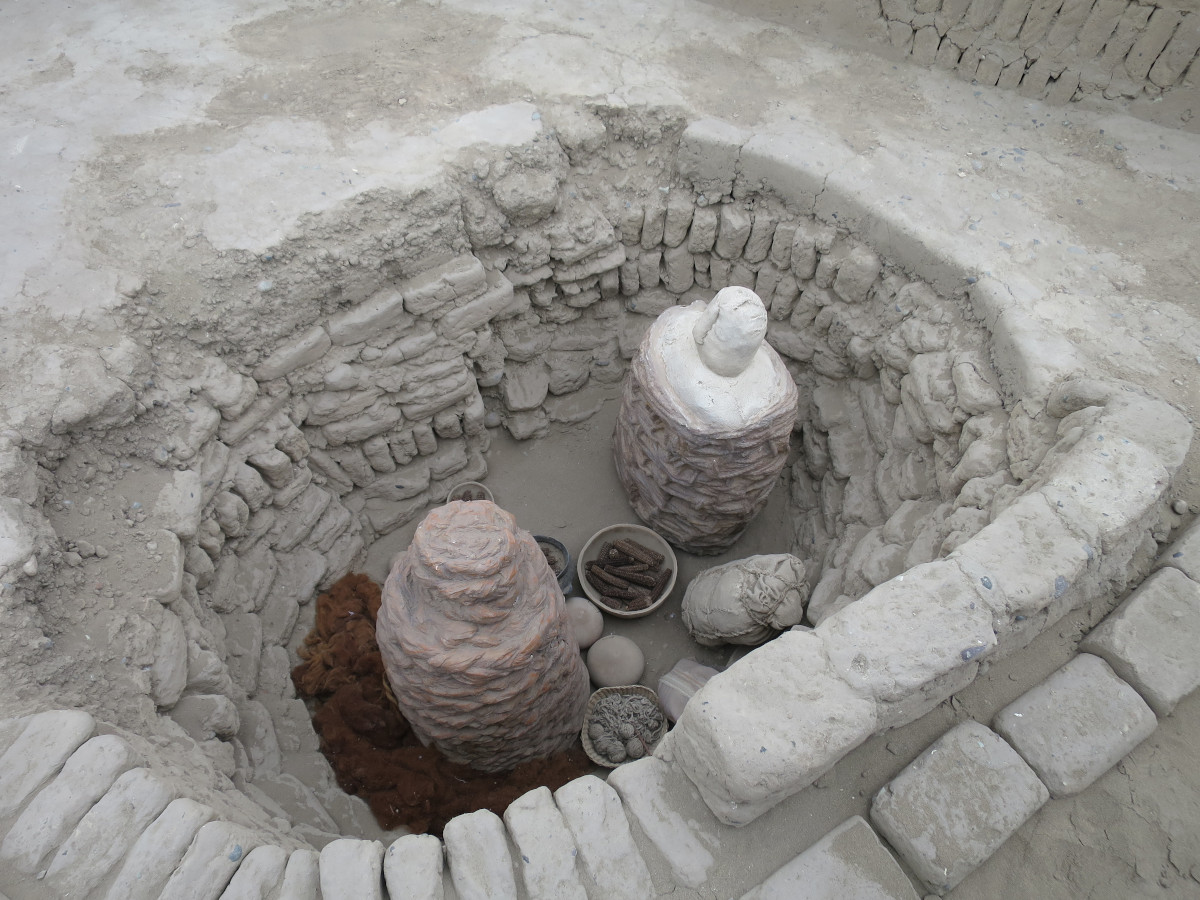
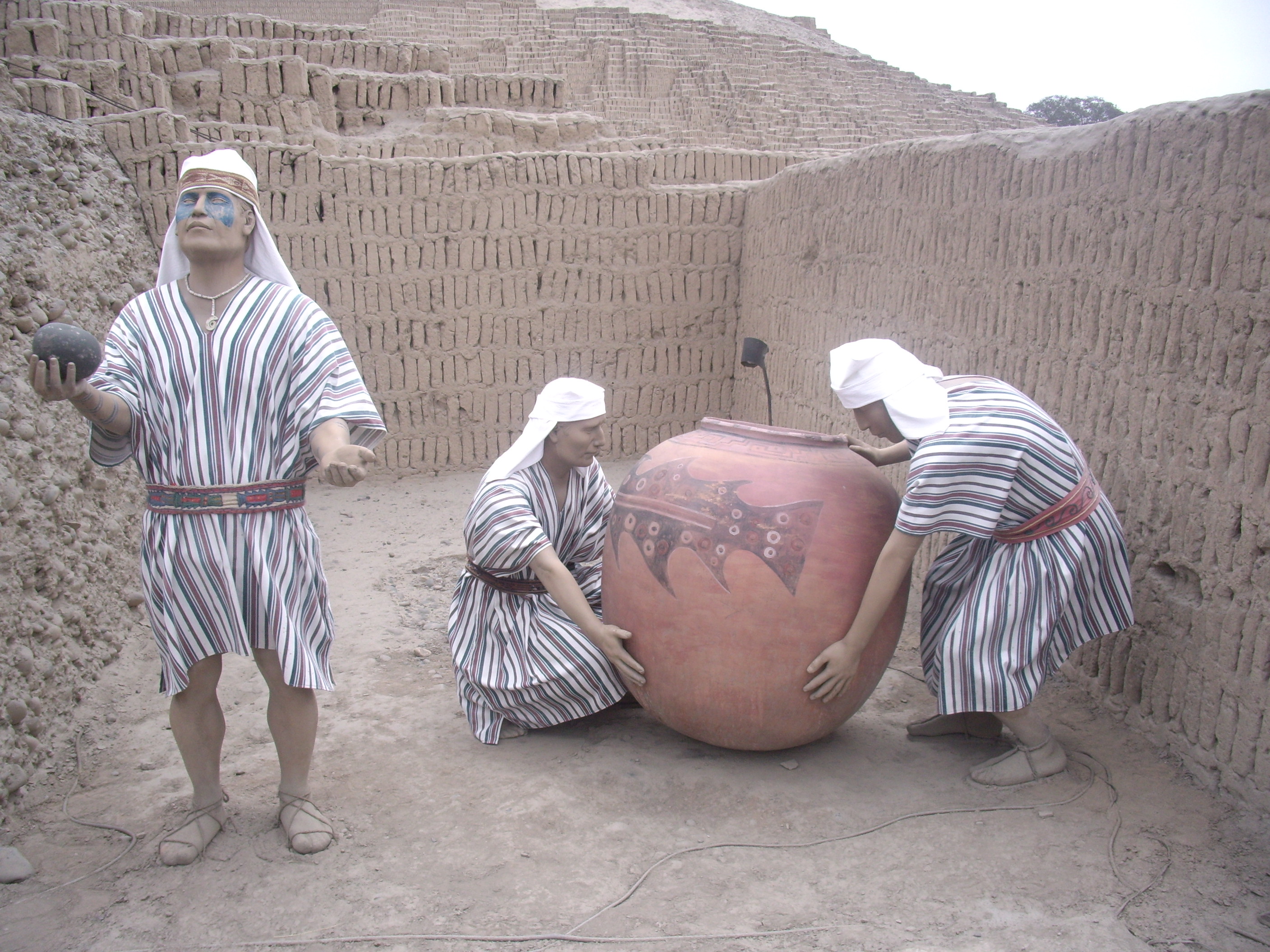
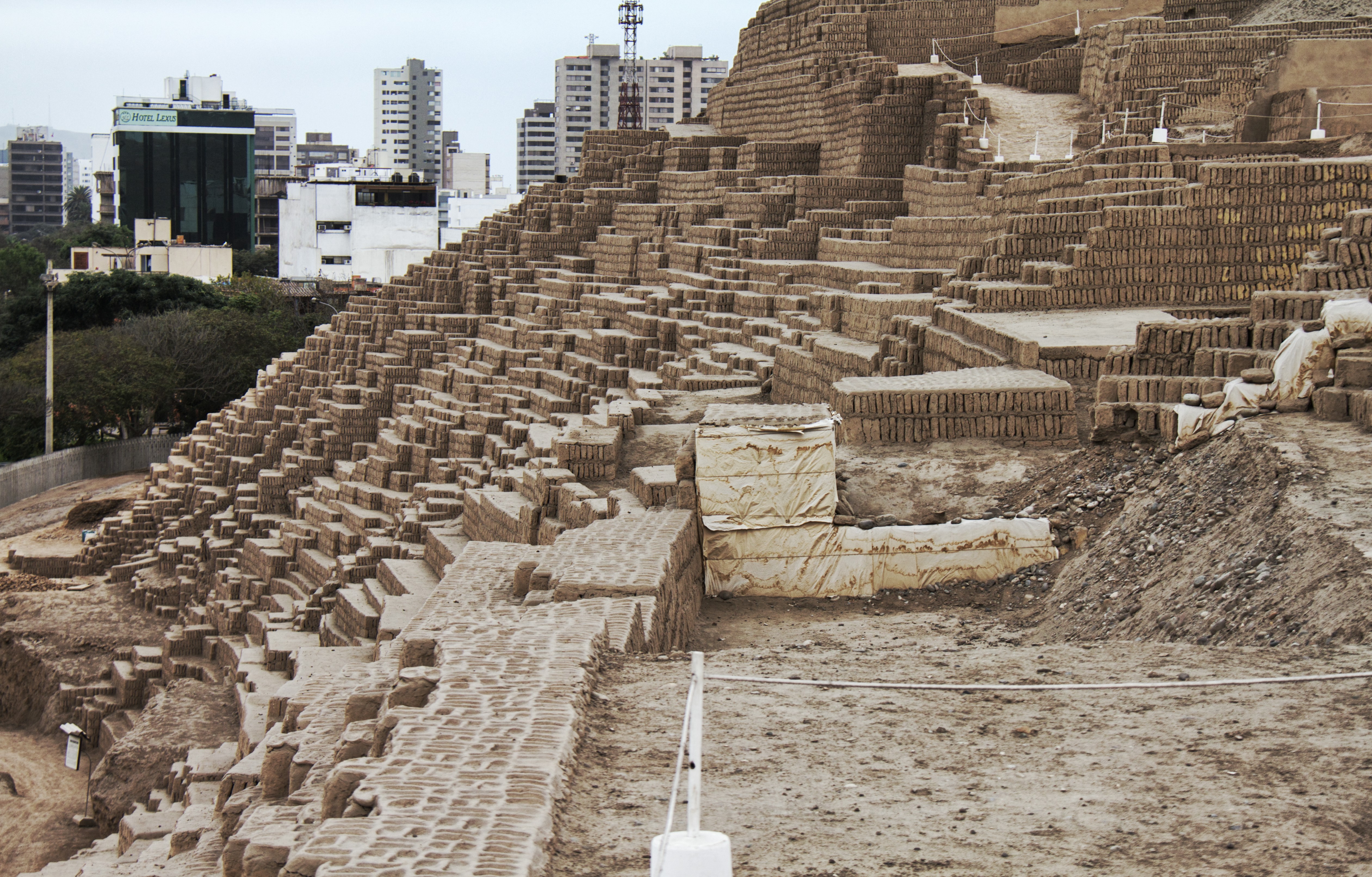
Huaca Pucllana, located in the Miraflores district of Lima, Peru, is an impressive adobe and clay pyramid built by the Lima Culture between 200 CE and 700 CE. This ceremonial and administrative center is composed of seven staggered platforms and is surrounded by a plaza and a large structured wall. Its religious significance is underscored by evidence of offerings to deities, particularly marine life, to gain divine favor. The site also functioned administratively, with small clay structures serving as courtyards and patios. Notably, Huaca Pucllana reveals a Wari Culture influence, with intact tombs, including the 'Señor de los Unkus,' discovered within its confines, marking a significant phase of cultural transition. The site's architectural complexity and ceremonial importance underscore its significance in pre-Columbian Peru.
Gallery
Explore photographs of ancient structures, artifacts, and archaeological excavations
Historical Timeline
Journey through time and discover key events in this site's history
Lima Culture Pyramid Construction
200 CE
Wari Influence and Tombs
500 CE
Archaeological Features
Unique architectural and cultural elements found at this historical site
Public and Civic Structures
Burial and Funerary Structures
Religious and Ritual Structures
Frequently Asked Questions
Plan Your Visit
Tours, travel arrangements, and practical information


More Sites in Peru
Mawk'allaqta, Paruro
Ancient site in Cusco Region, Peru.
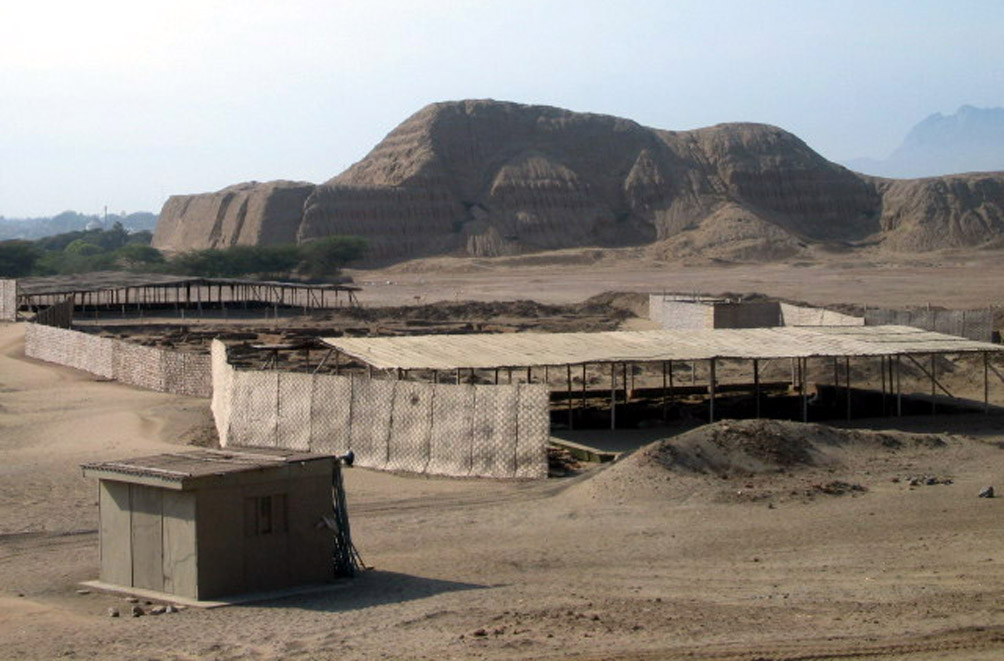
Huaca del Sol
Largest pre-Columbian adobe pyramid in Peru
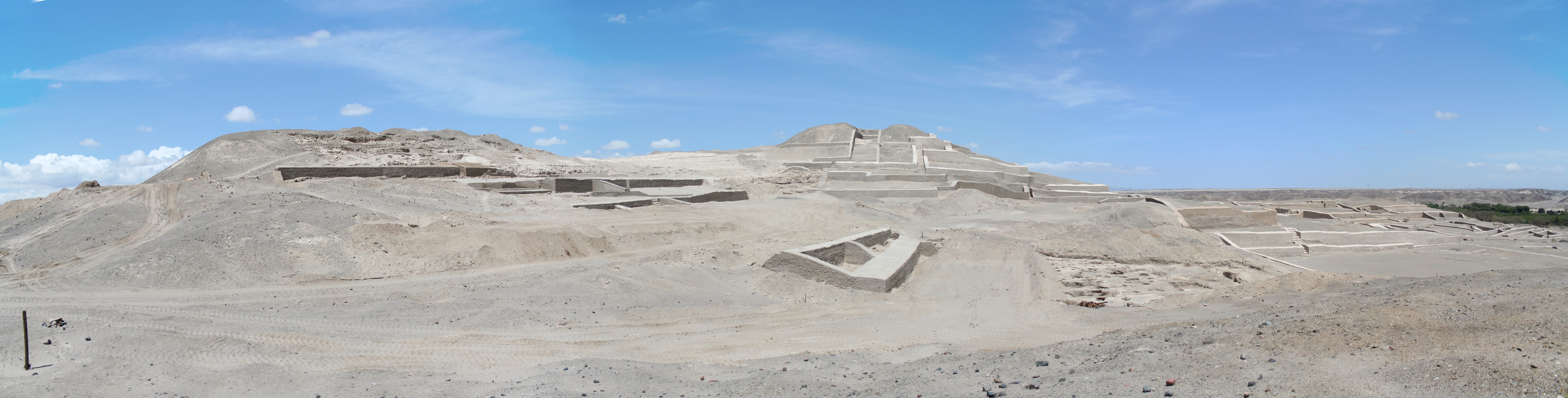
Cahuachi
Nasca ceremonial center with adobe mounds
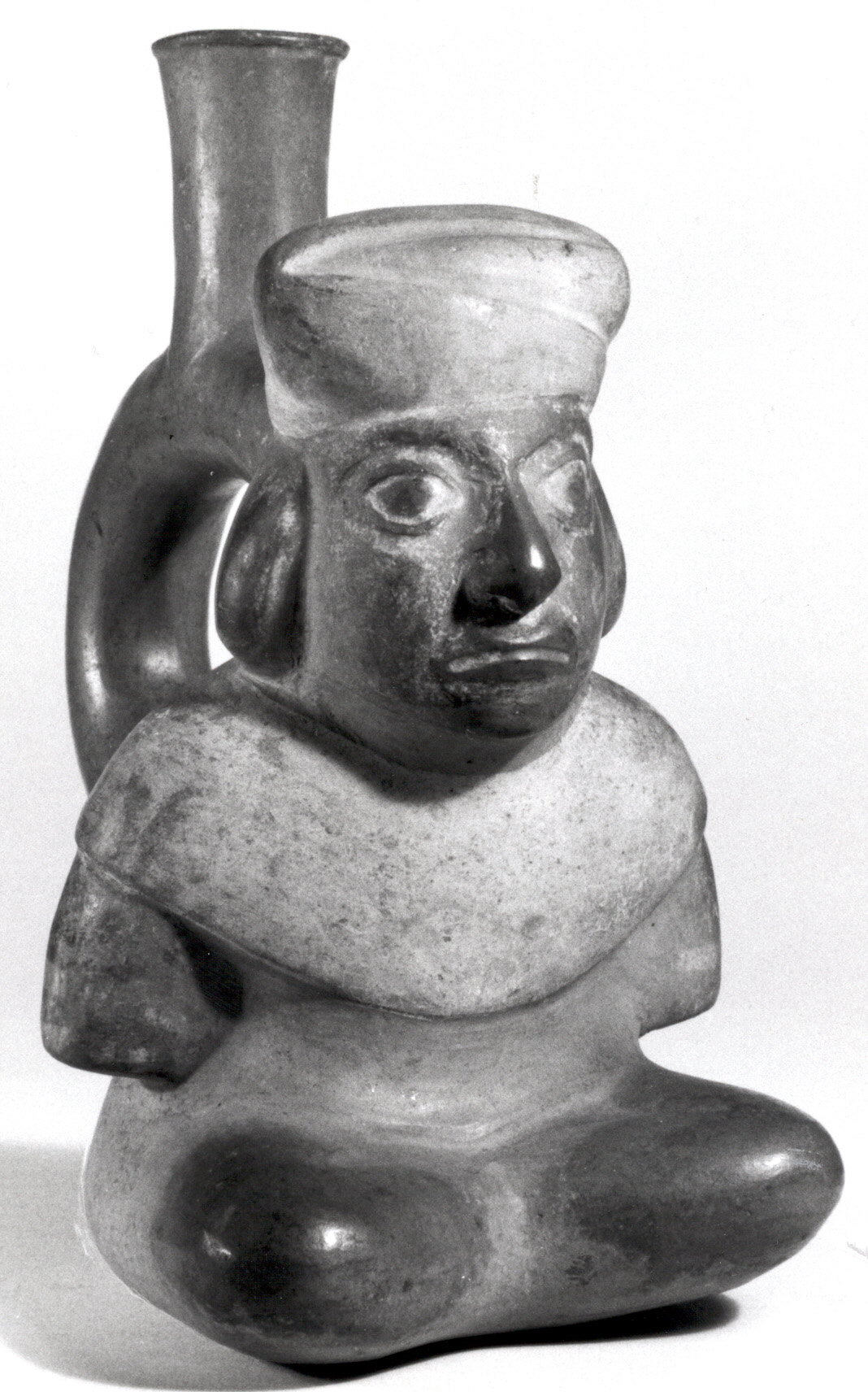
Tunanmarca
Hilltop archaeological site with ancient structures
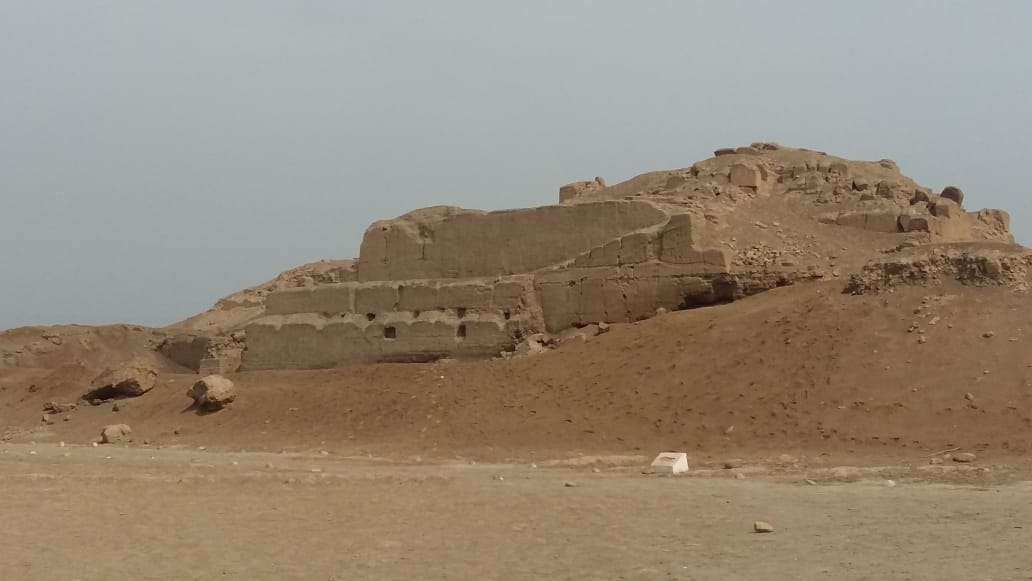
La Centinela
Adobe pyramids in Chincha Valley, Peru.
Tinyaq
Inca period storehouses on a mountain