

Explore the Map
Kingdom of Mapungubwe
-22.1925° N, 29.2389° E
About
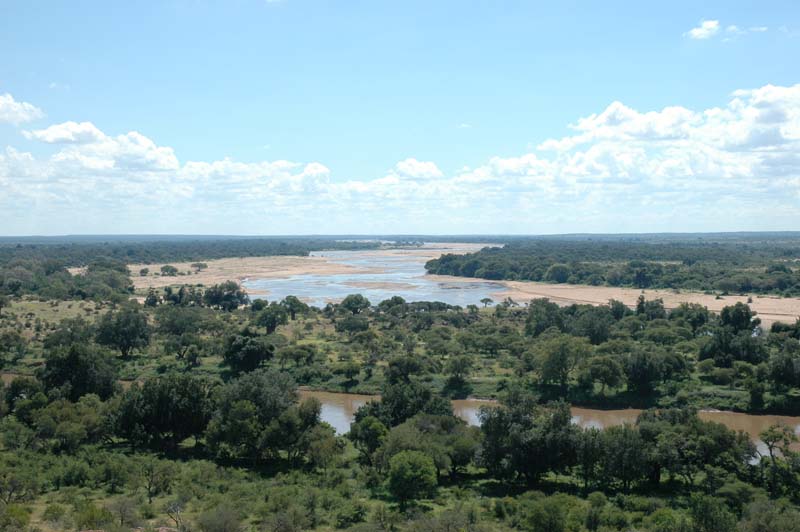
The Kingdom of Mapungubwe was a significant medieval state located at the confluence of the Shashe and Limpopo rivers in South Africa. Flourishing between approximately 1075 and 1220 CE, it marked the early stages of societal complexity in southern Africa. The kingdom is noted for its development of a class-based social system and the use of stone masonry for demarcating significant areas, demonstrating early forms of sacred leadership. The Mapungubwe Hill served as the political and spiritual center, with evidence of elite burials adorned with gold artifacts. The society's economy was bolstered by controlling the gold and ivory trade, linking it to other prominent regions along the African east coast. The site is recognized as a UNESCO World Heritage Site, reflecting its cultural and historical importance.
Gallery
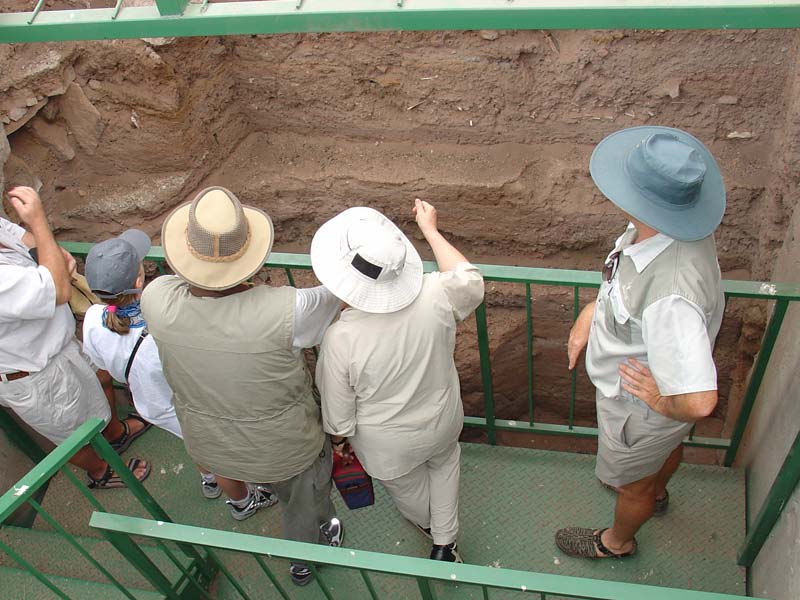
Explore photographs of ancient structures, artifacts, and archaeological excavations
Historical Timeline
Journey through time and discover key events in this site's history
Settlement of the Kingdom
1075 CE
Relocation to Mapungubwe Hill
1075 CE
End of the Kingdom
1220 CE
Archaeological Features
Unique architectural and cultural elements found at this historical site
Defensive Structures
Miscellaneous Features
Burial and Funerary Structures
Artistic and Decorative Features
Agricultural and Land Use Features
Domestic and Habitation Structures
Plan Your Visit
Tours, travel arrangements, and practical information
More Sites in South Africa
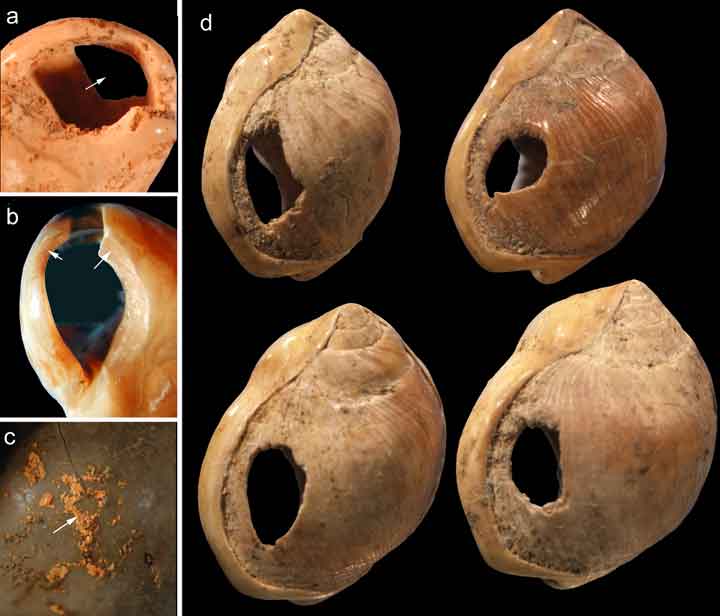
Blombos Cave
Stone Age cave with symbolic artifacts
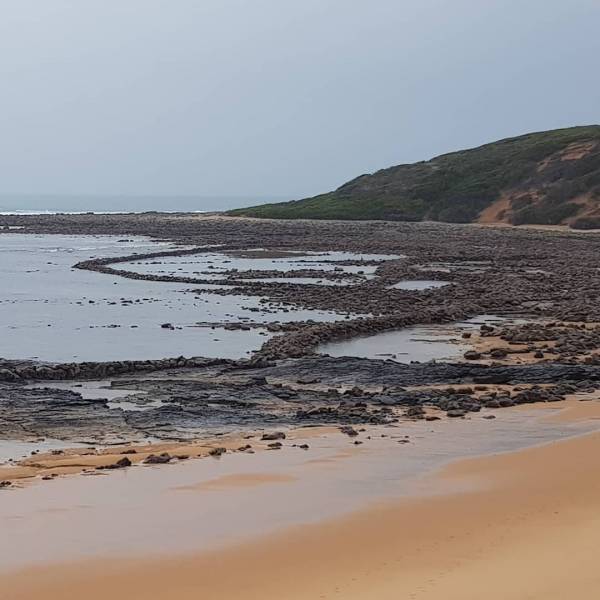
Stilbaai Tidal Fish Traps
Ancient intertidal stonewall fish traps

Tlokwe Ruins
Remains of Sotho-Tswana settlements in Gauteng
Bokoni
Stone-walled agro-pastoral society in South Africa.
Boomplaas Cave
Stratified cave with ancient human occupation
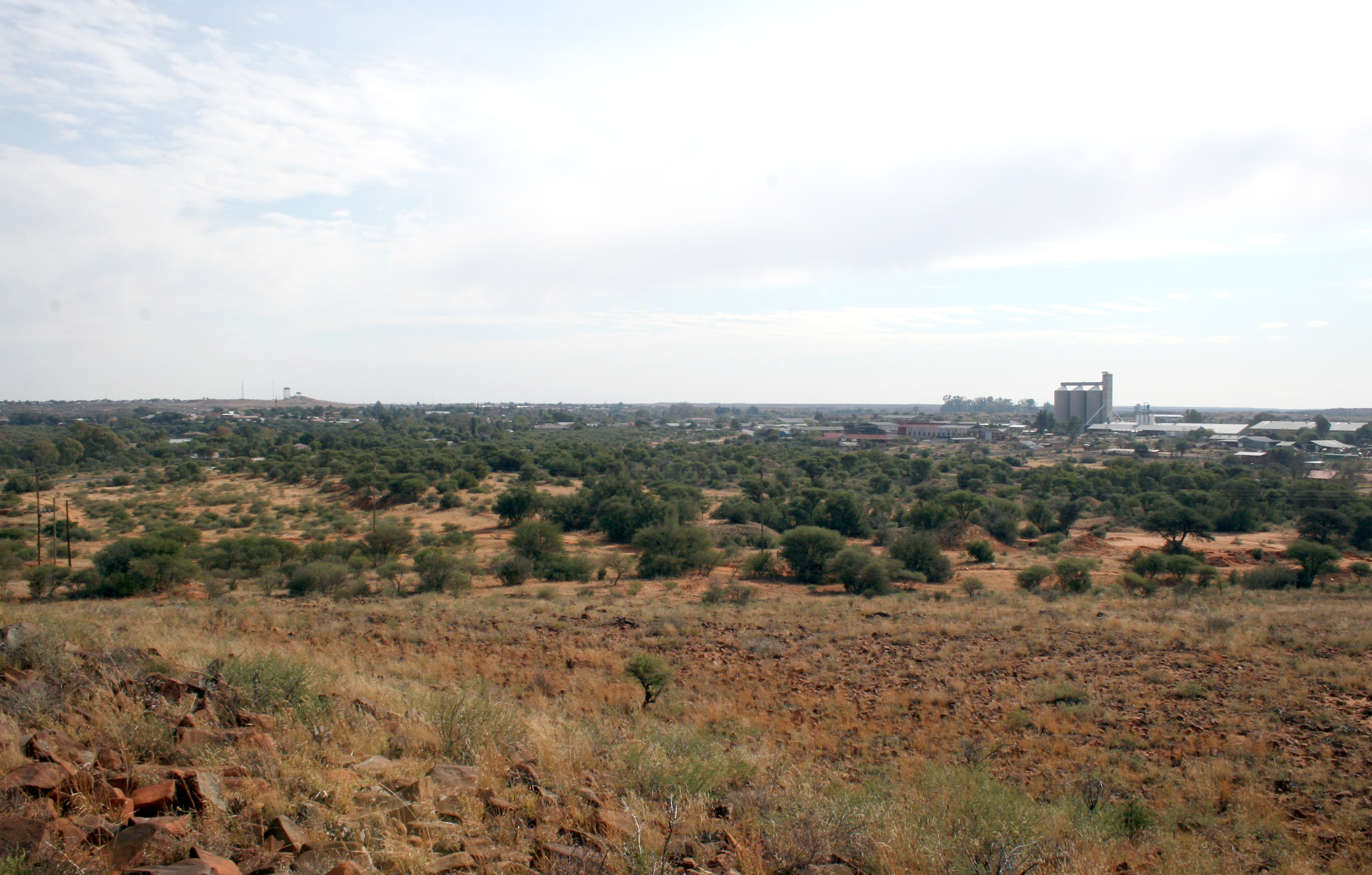
Canteen Kopje
Rich Stone Age archaeological sequence in South Africa