
Explore the Map
Valley of the Kings
25.7408° N, 32.6022° E
About
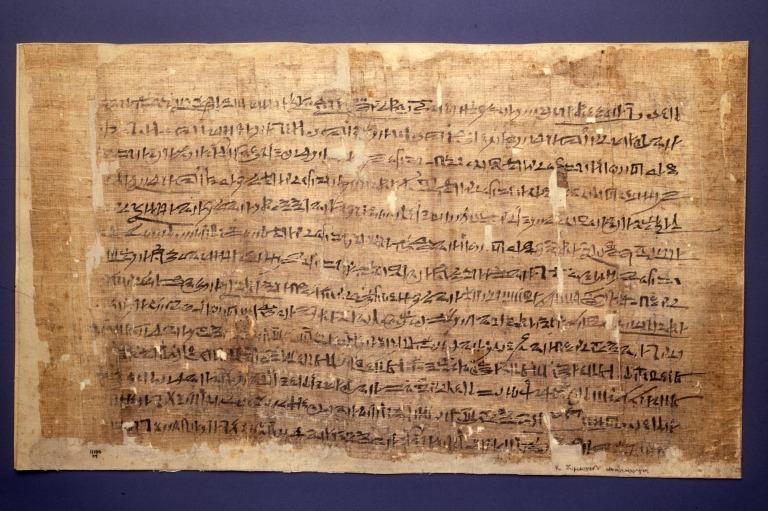
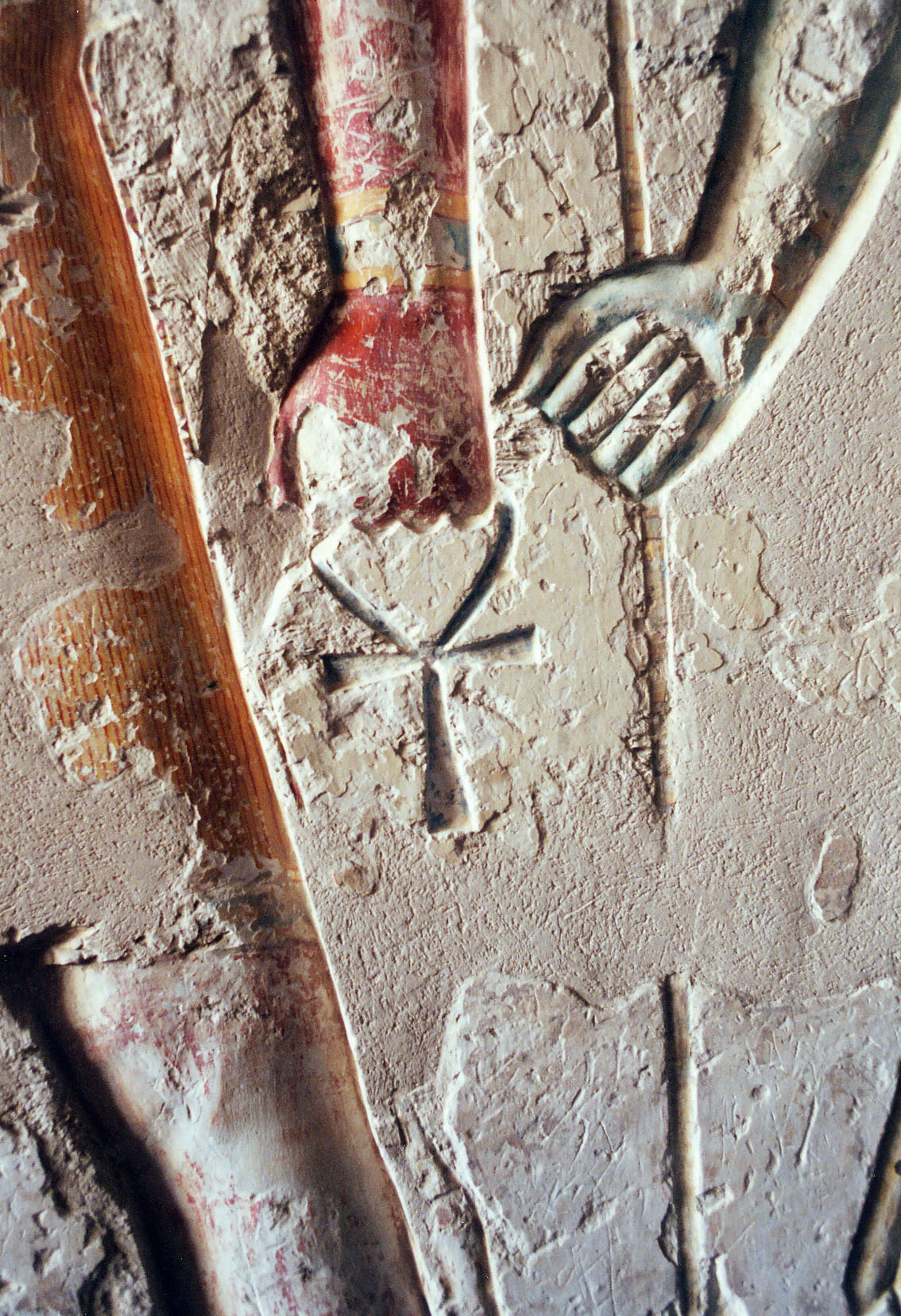
The Valley of the Kings is a renowned archaeological site located on the west bank of the Nile in Egypt, serving as the burial ground for pharaohs and powerful nobles of the New Kingdom from the 16th to the 11th centuries BCE. This site is characterized by its rock-cut tombs, which are adorned with intricate murals and inscriptions depicting Egyptian mythology and funerary practices. The valley is divided into the East and West Valleys, with the former containing the majority of royal tombs. The tombs, such as the famous KV5 and KV62, highlight the opulence and religious beliefs of ancient Egypt. Despite historical tomb robberies, the site remains a vital source of information about ancient Egyptian civilization and continues to be a focus for archaeological research and exploration.
Gallery
Explore photographs of ancient structures, artifacts, and archaeological excavations
Historical Timeline
Journey through time and discover key events in this site's history
First royal tombs
1539 BCE
Construction of KV5
circa 1301 BCE
End of primary burials
1075 BCE
Archaeological Features
Unique architectural and cultural elements found at this historical site
Burial and Funerary Structures
Artistic and Decorative Features
Environmental and Natural Features
Frequently Asked Questions
Plan Your Visit
Tours, travel arrangements, and practical information


More Sites in Egypt
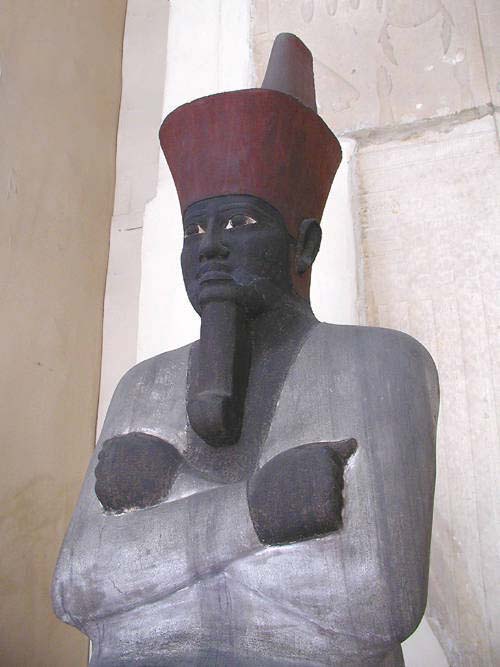
Thinis
Ancient Upper Egypt's undiscovered capital city.
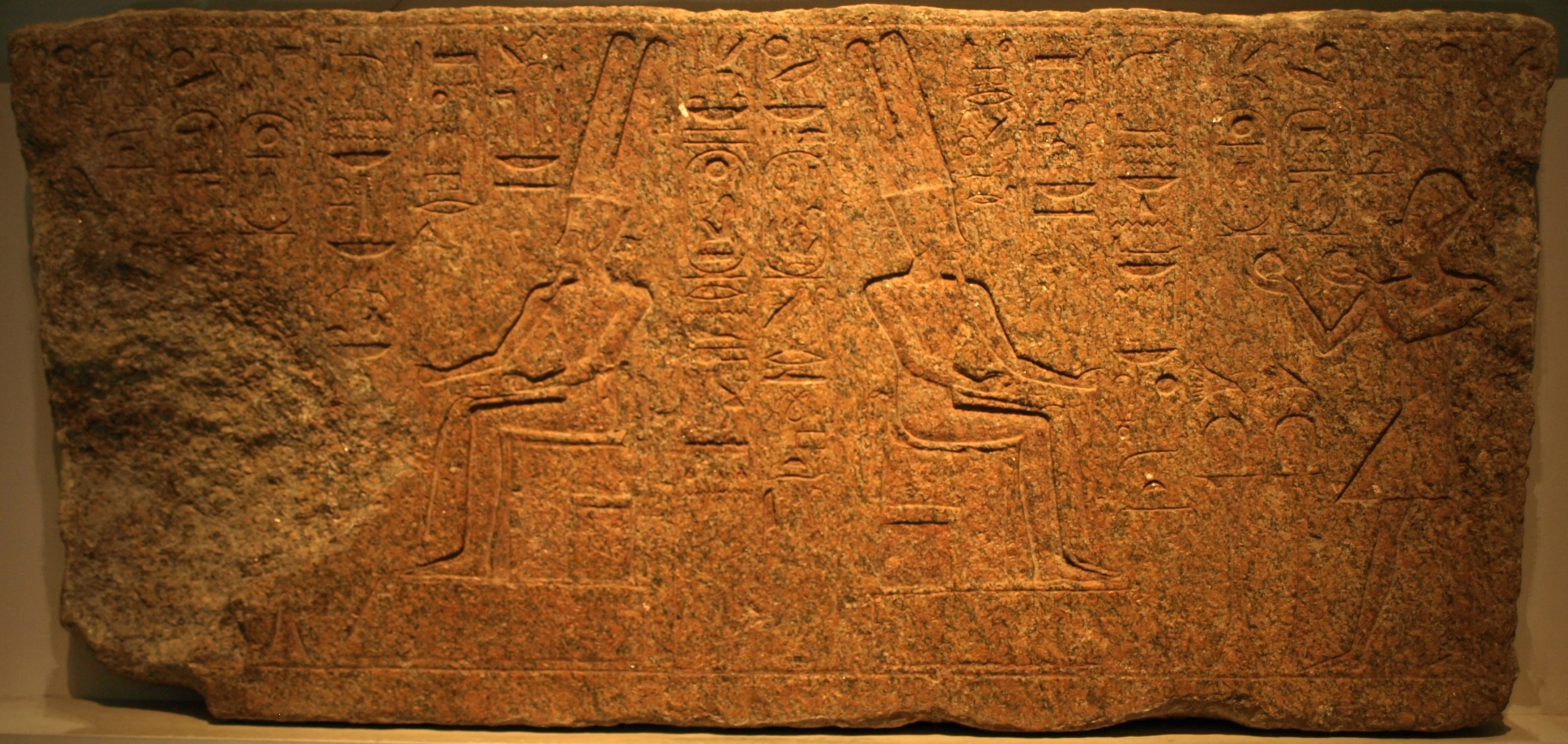
Bubastis
Ancient Egyptian city with Bastet temple
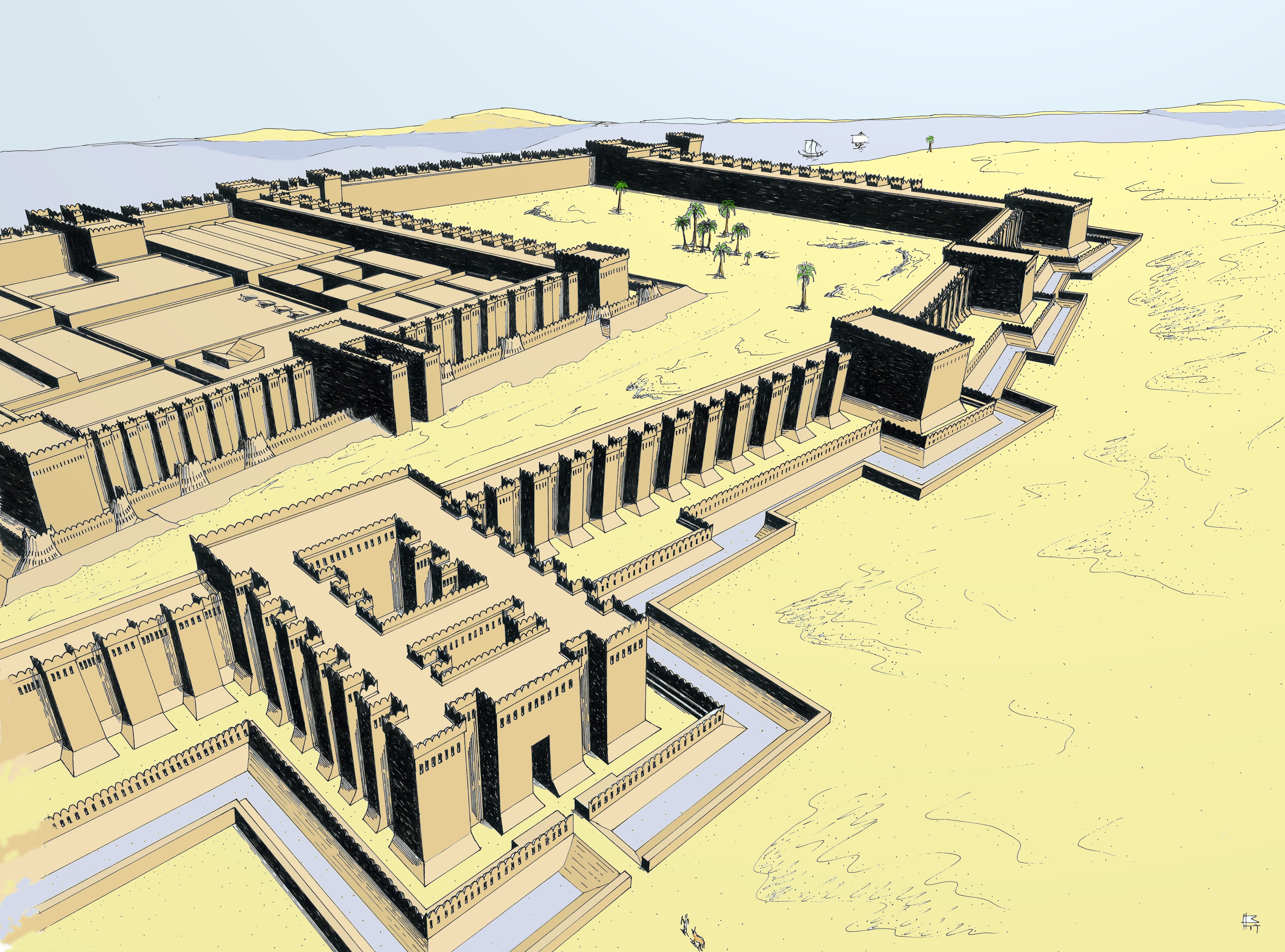
Buhen
Ancient Egyptian fortress with copper smelting.

Leontopolis (Heliopolis)
Ancient city with fortifications and a temple.
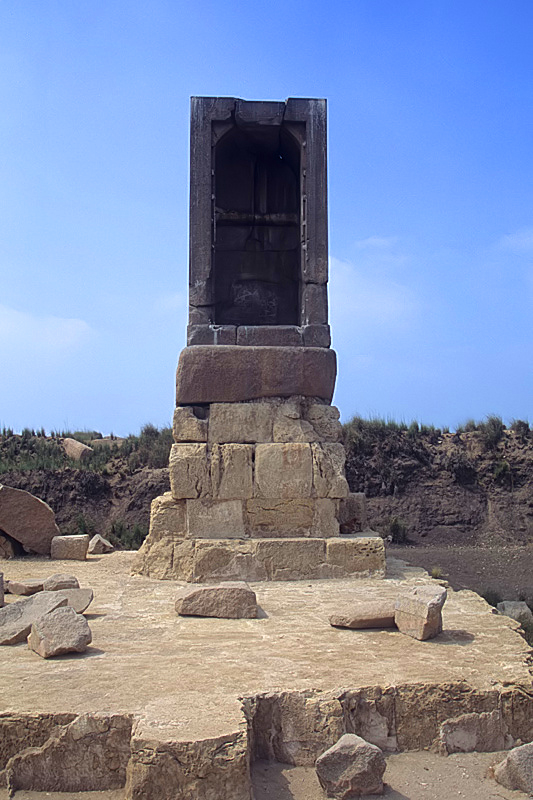
Mendes
Ancient city with significant religious structures.
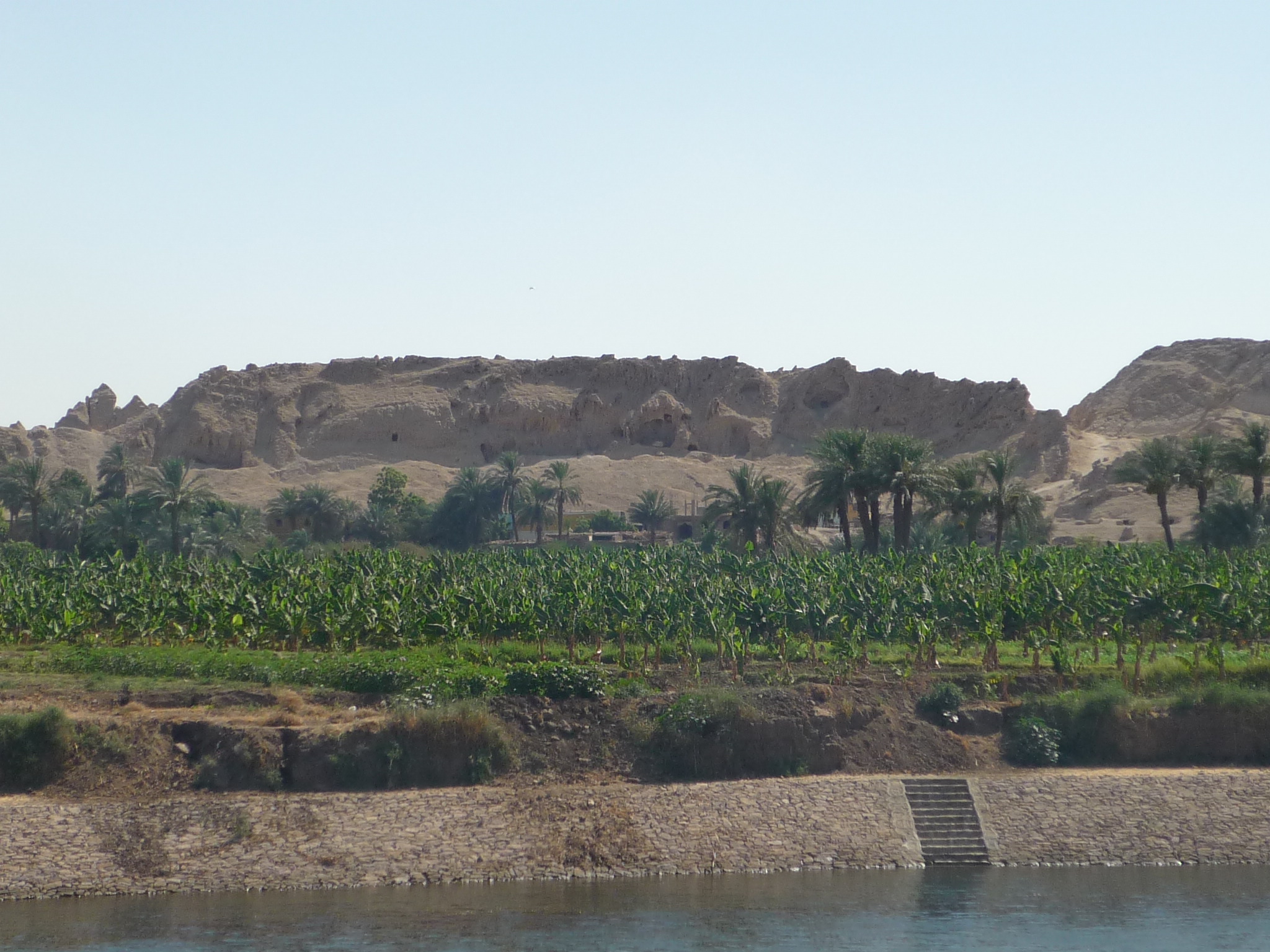
Gebelein
Archaeological site with mummies and temple ruins