
Explore the Map
Aniba (Nubia)
22.7167° N, 32.0000° E
About
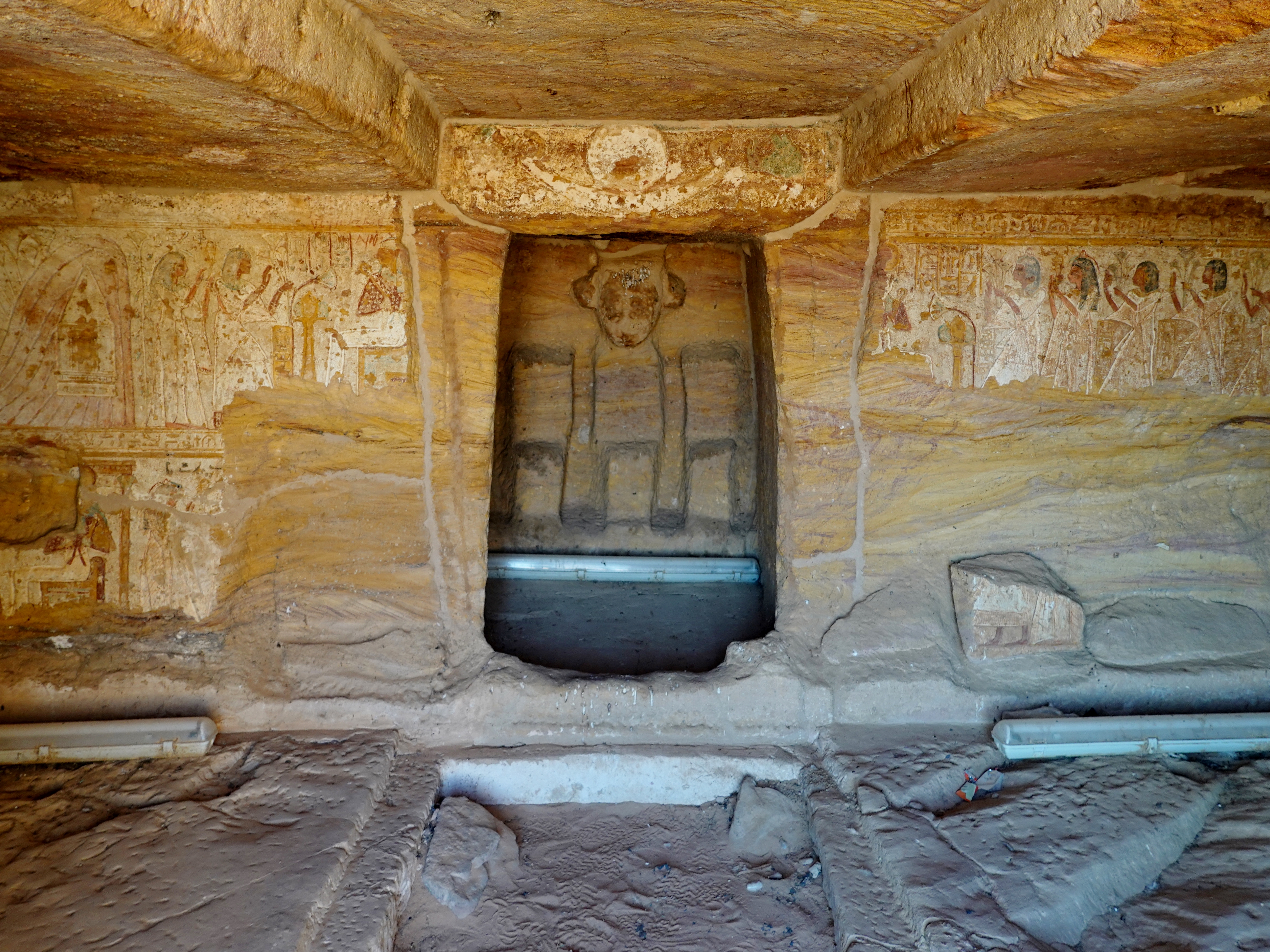
Aniba, an ancient town in Nubia, located about 230 km south of Aswan, was a significant settlement known for its fertile lands and strategic location. Originally inhabited by the A-Group culture around 3000 BCE, the site later came under Egyptian control during the Middle Kingdom, around 2000 BCE, when a fortress was constructed to assert dominance. The town further expanded in the New Kingdom, approximately 1550 BCE, with the construction of a wall and gates, and included suburbs and a temple dedicated to Horus of Miam. The presence of both Nubian and Egyptian-style burials indicates a cultural blend or transition. Metalwork analysis reveals connections with distant regions like Cyprus, highlighting Aniba's role in broader trade networks.
Gallery
Explore photographs of ancient structures, artifacts, and archaeological excavations

Historical Timeline
Journey through time and discover key events in this site's history
A-Group Culture Settlement
3000 BCE
Middle Kingdom Egyptian Control
2000 BCE
New Kingdom Town Expansion
1550 BCE
Archaeological Features
Unique architectural and cultural elements found at this historical site
Defensive Structures
Burial and Funerary Structures
Religious and Ritual Structures
Domestic and Habitation Structures
Frequently Asked Questions
Plan Your Visit
Tours, travel arrangements, and practical information
More Sites in Egypt
Buhen
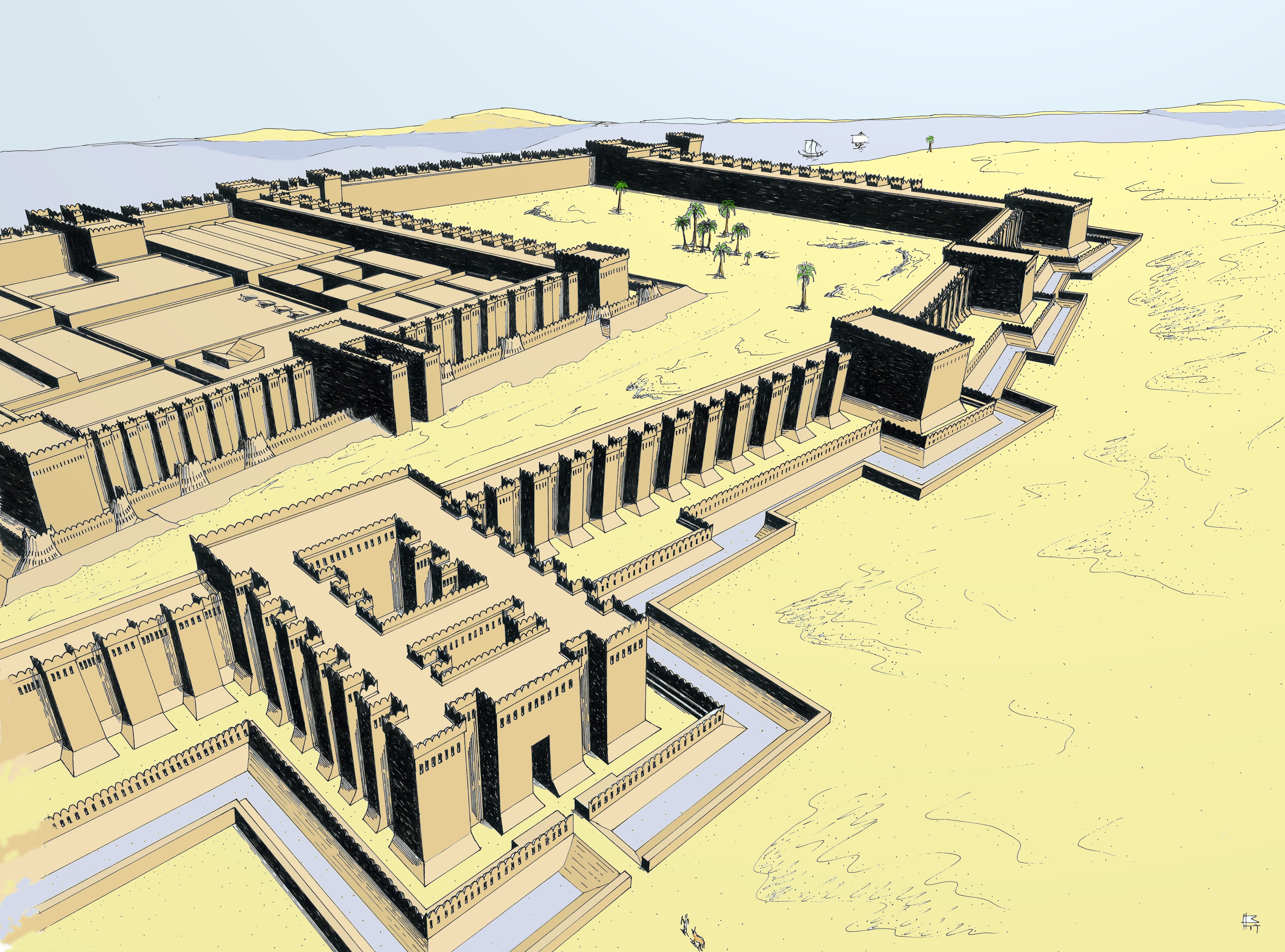
Ancient Egyptian fortress with copper smelting.

Leontopolis (Heliopolis)
Ancient city with fortifications and a temple.
Bubastis
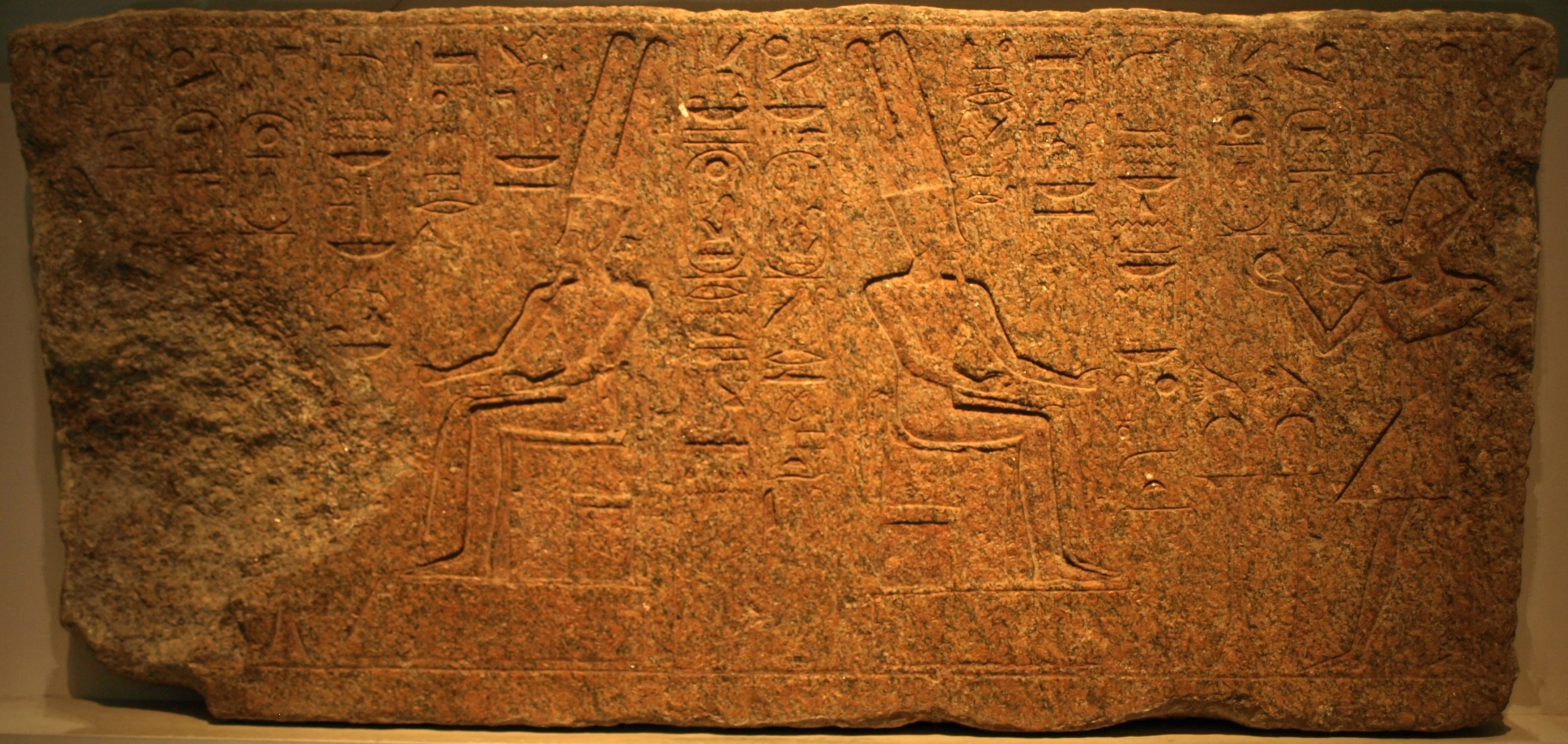
Ancient Egyptian city with Bastet temple
Thinis
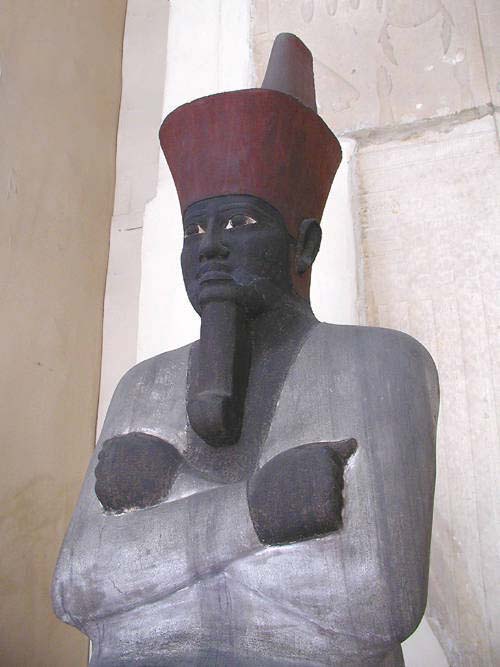
Ancient Upper Egypt's undiscovered capital city.
Mendes
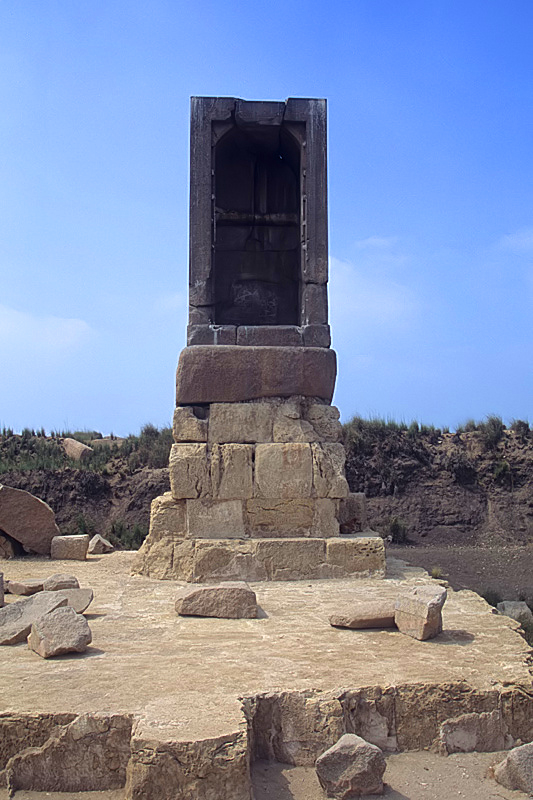
Ancient city with significant religious structures.
Gebelein
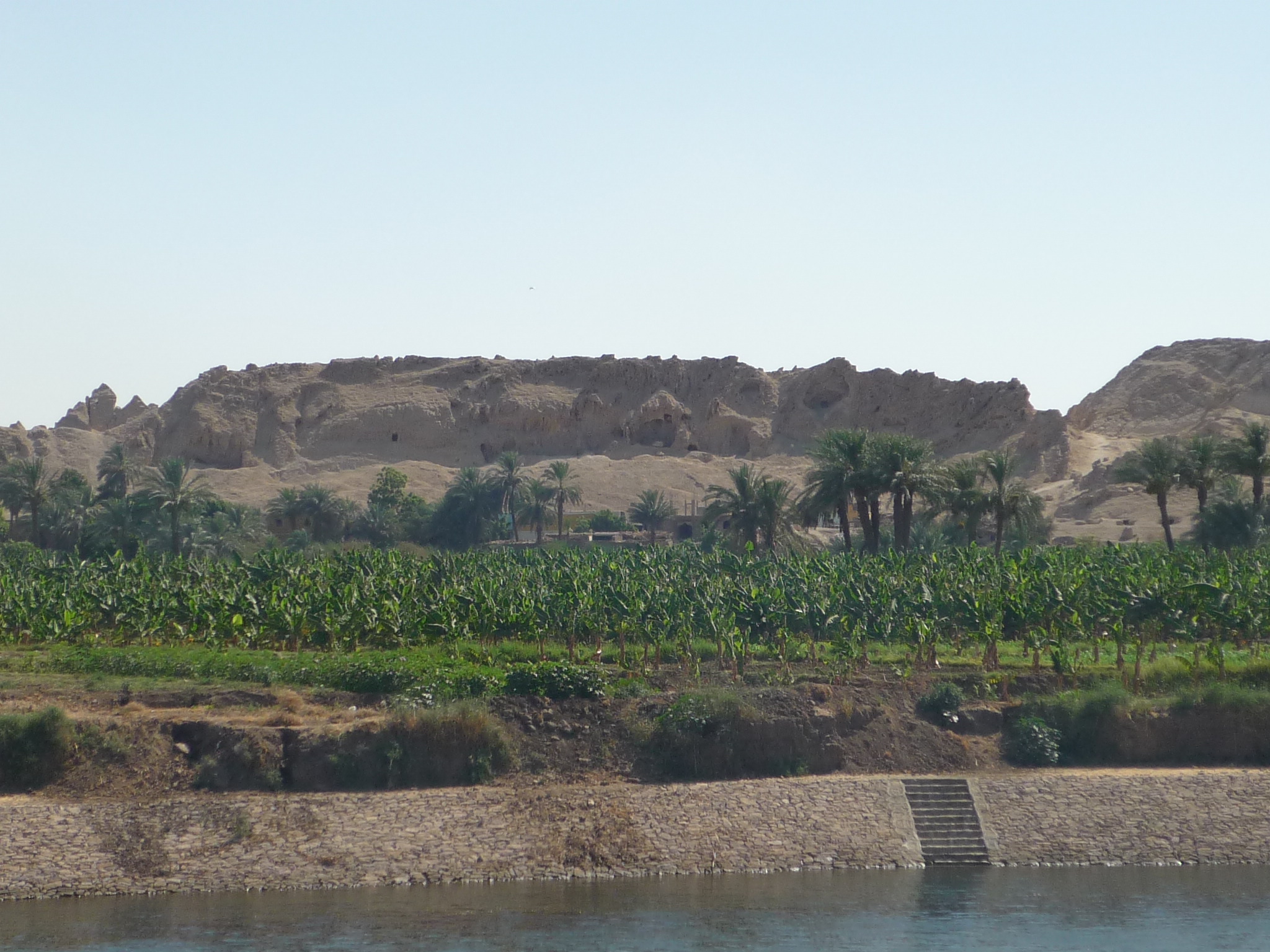
Archaeological site with mummies and temple ruins