Explore the Map
Nekhen
25.0972° N, 32.7794° E
About
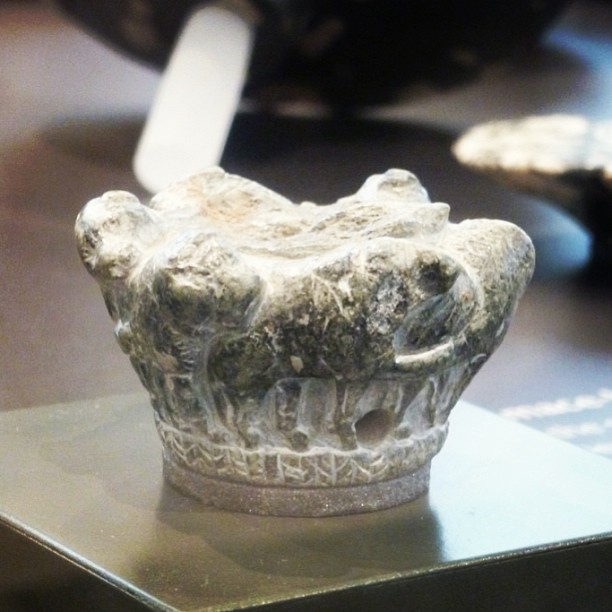
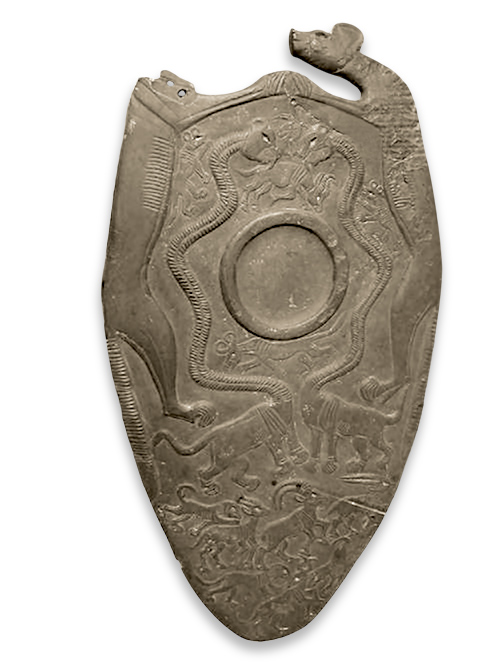
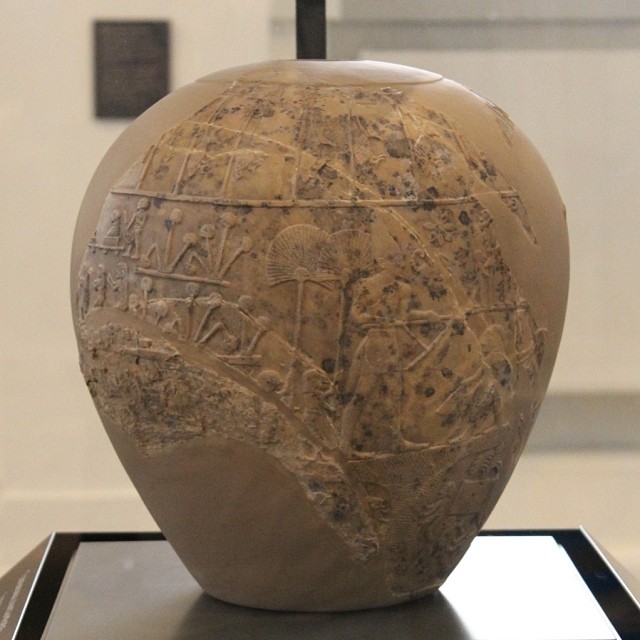
Nekhen, also known as Hierakonpolis, was an influential ancient Egyptian city that served as the religious and political capital of Upper Egypt around 3200–3100 BCE, continuing its significance into the Early Dynastic Period. The site is renowned for its temple dedicated to Horus, reflecting its importance as a cult center. Archaeological findings include the oldest known painted tomb, Tomb 100, featuring a mural with religious iconography dating to c. 3500–3200 BCE. Additionally, Nekhen housed the oldest known zoological collection, dating back to c. 3500 BCE, which included a variety of animals like leopards and elephants. Despite its decline due to the rise of Abydos, Nekhen remained a significant religious site for millennia, underlining its enduring cultural and archaeological importance.
Gallery
Explore photographs of ancient structures, artifacts, and archaeological excavations
Historical Timeline
Journey through time and discover key events in this site's history
First settlement at Nekhen
c. 5000 BCE
Oldest known zoo
c. 3500 BCE
Nekhen at its height
c. 3400 BCE
Naqada III period
3200–3000 BCE
Religious and political capital
c. 3200–3100 BCE
Oldest painted tomb
c. 3500–3200 BCE
Archaeological Features
Unique architectural and cultural elements found at this historical site
Burial and Funerary Structures
Religious and Ritual Structures
Artistic and Decorative Features
Frequently Asked Questions
Plan Your Visit
Tours, travel arrangements, and practical information
More Sites in Egypt
Tarkhan (Egypt)
Ancient Egyptian necropolis with mastabas and tombs.
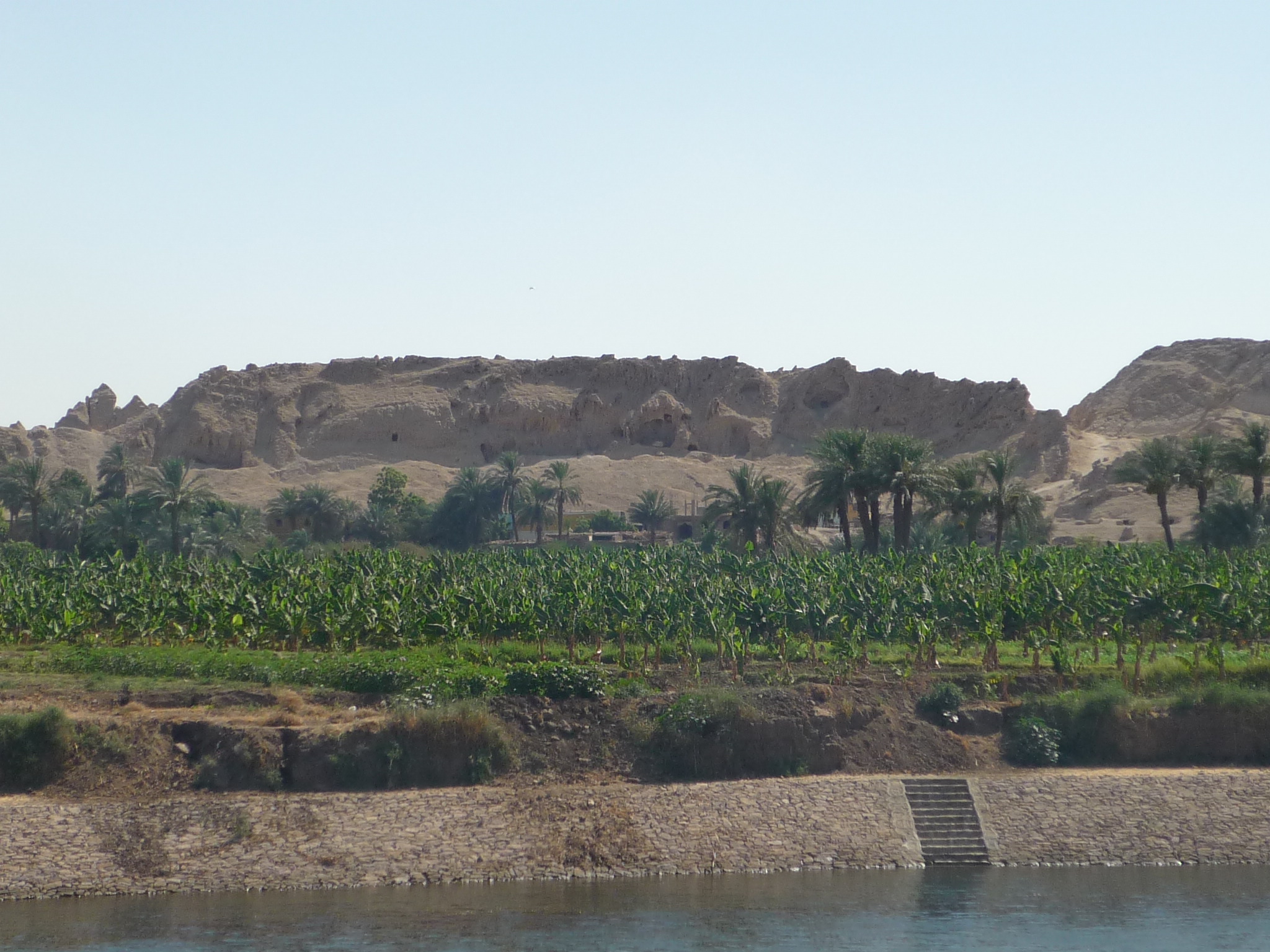
Gebelein
Archaeological site with mummies and temple ruins
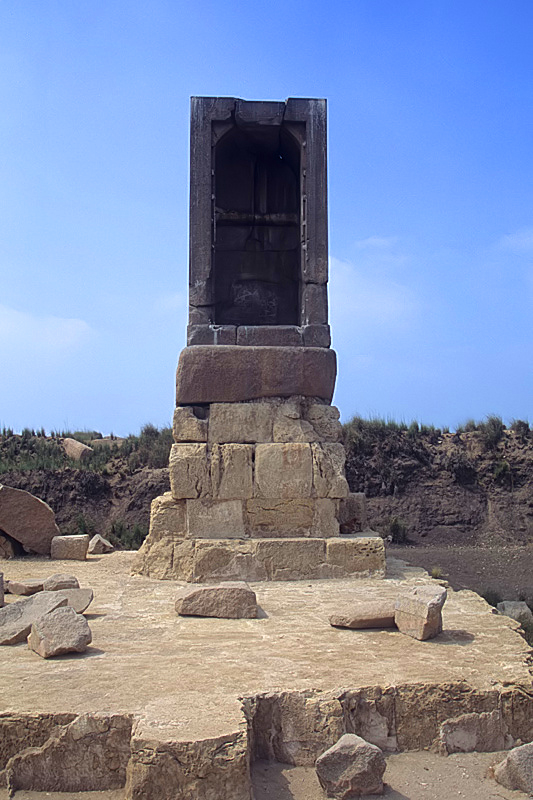
Mendes
Ancient city with significant religious structures.
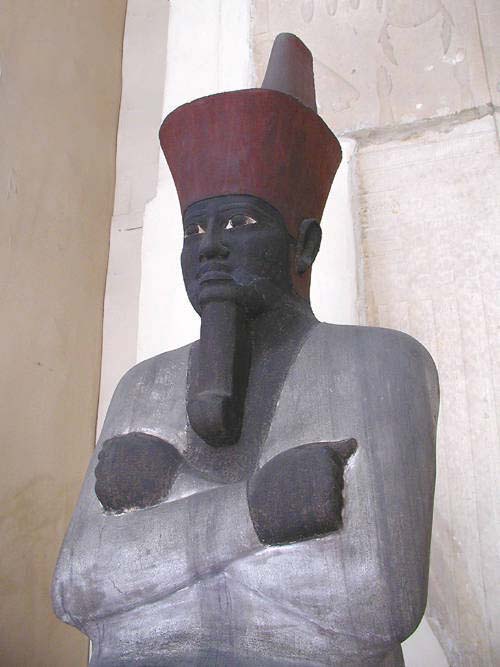
Thinis
Ancient Upper Egypt's undiscovered capital city.
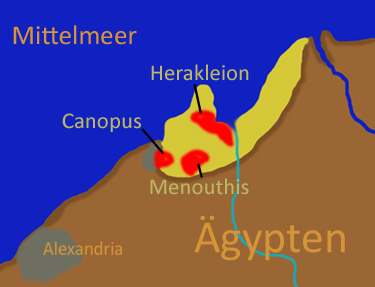
Canopus, Egypt
Submerged ancient Egyptian coastal town ruins

Leontopolis (Heliopolis)
Ancient city with fortifications and a temple.