Explore the Map
Sepphoris
32.7456° N, 35.2786° E
About
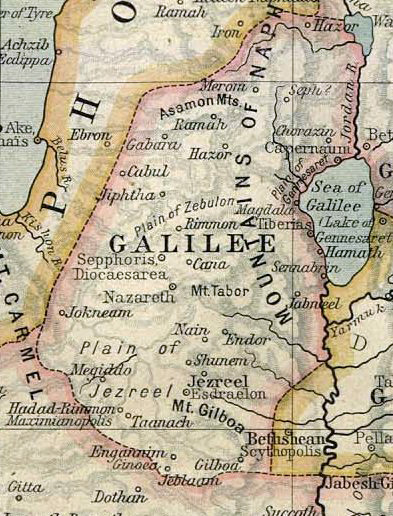
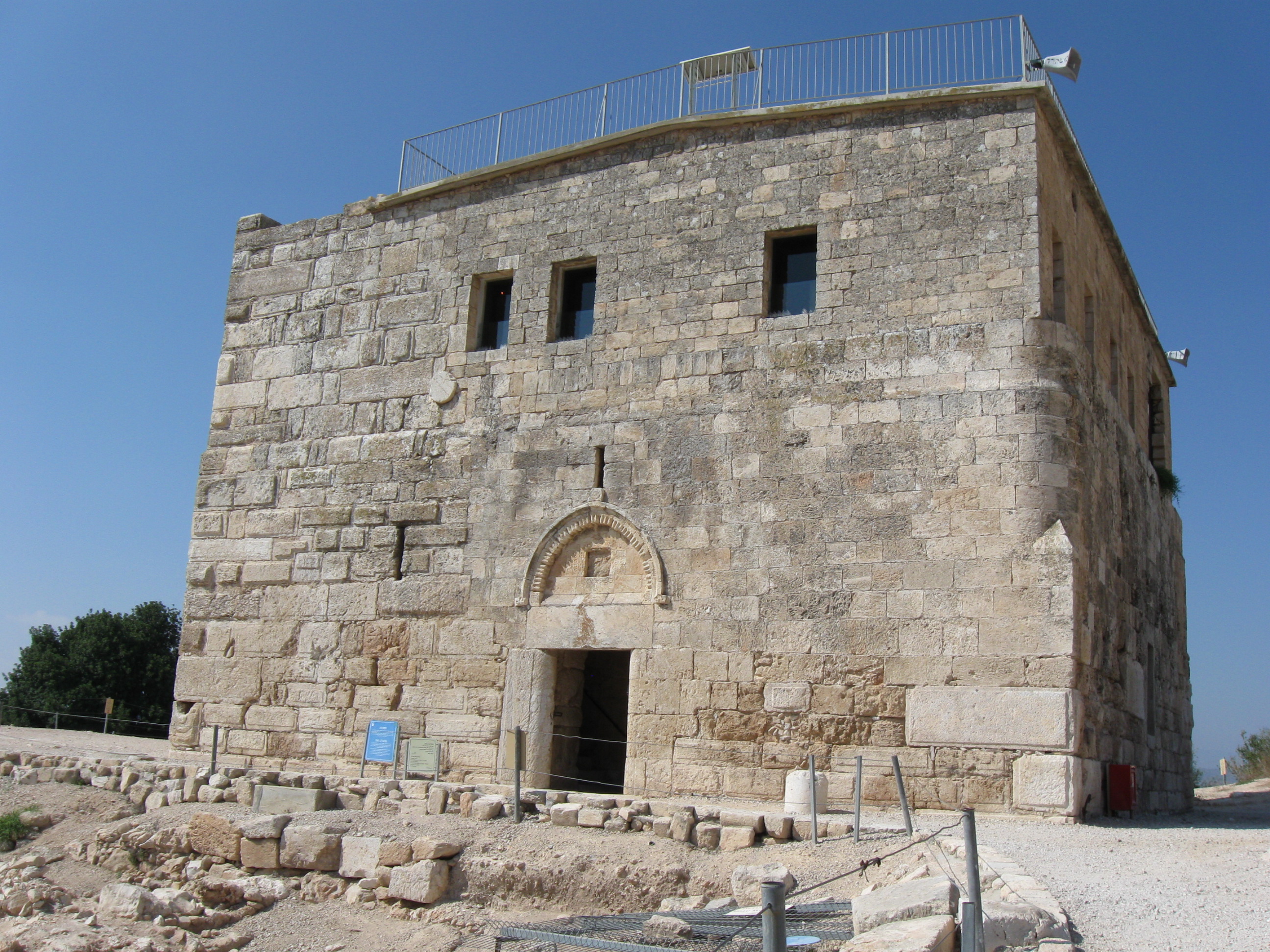
Sepphoris, also known as Tzipori, is an archaeological site in the central Galilee region of Israel, renowned for its rich historical legacy spanning multiple periods. The site features structures from the Hellenistic, Roman, Byzantine, and early Islamic periods, including domestic buildings, defensive walls, and religious structures like synagogues and churches. Notably, Sepphoris houses a Roman theatre and numerous intricate mosaics, such as the famous 'Mona Lisa of the Galilee.' It served as a significant Jewish cultural and spiritual center, especially post-Bar Kokhba revolt, and later became home to a Christian bishopric. The site's diverse architectural and artistic artifacts illustrate a blend of cultural influences over centuries, making it a crucial location for understanding the region's historical dynamics.
Gallery
Explore photographs of ancient structures, artifacts, and archaeological excavations
Historical Timeline
Journey through time and discover key events in this site's history
Hellenistic occupation
300s BCE
Roman theatre construction
1st century CE
Jewish religious center
132-135 CE
Christian bishopric establishment
300s CE
Umayyad control
630s CE
Iron Age habitation
1000-586 BCE
Crusader fort construction
1100s CE
Archaeological Features
Unique architectural and cultural elements found at this historical site
Defensive Structures
Water Management Features
Public and Civic Structures
Religious and Ritual Structures
Artistic and Decorative Features
Domestic and Habitation Structures
Transportation and Communication Structures
Frequently Asked Questions
Plan Your Visit
Tours, travel arrangements, and practical information
More Sites in Israel
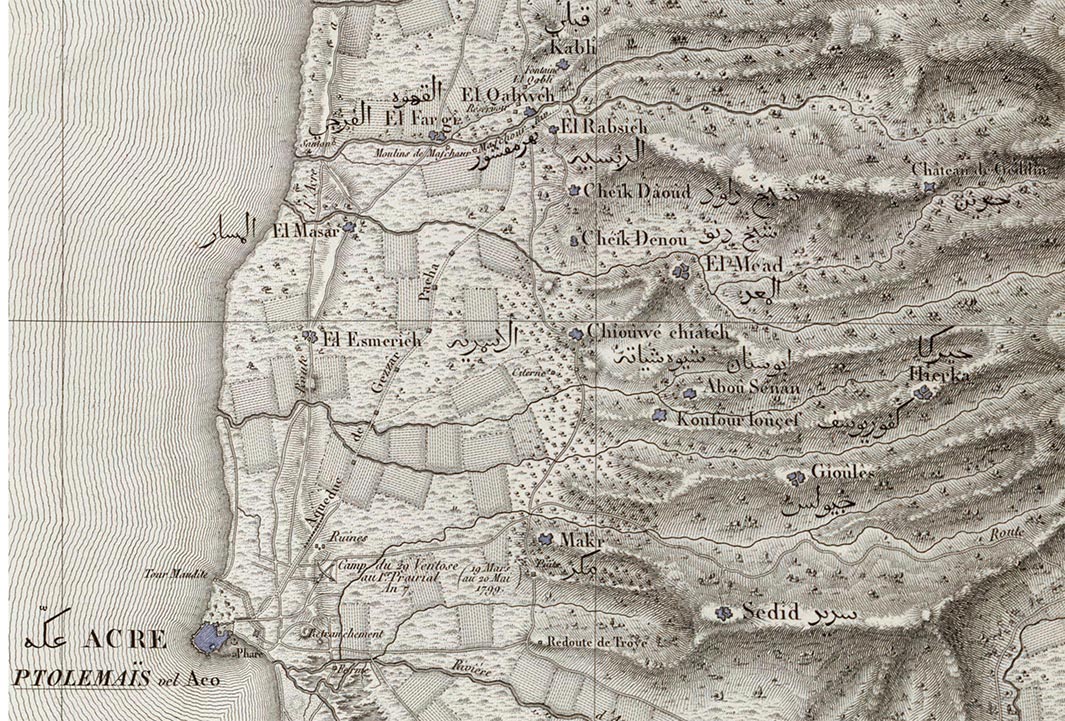
Tel Kabri
Bronze Age Canaanite palace and settlement
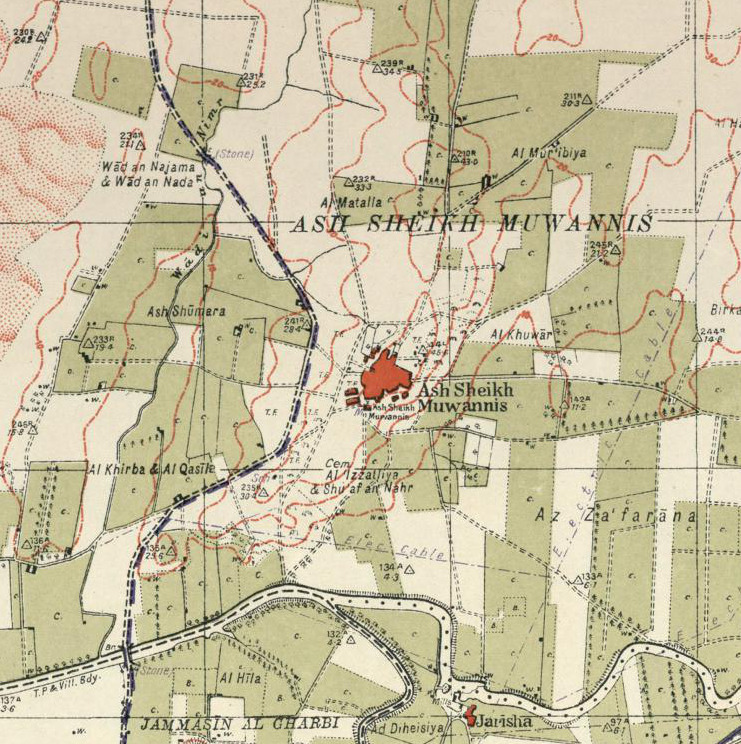
Tell Qasile
Philistine port city with temples and houses
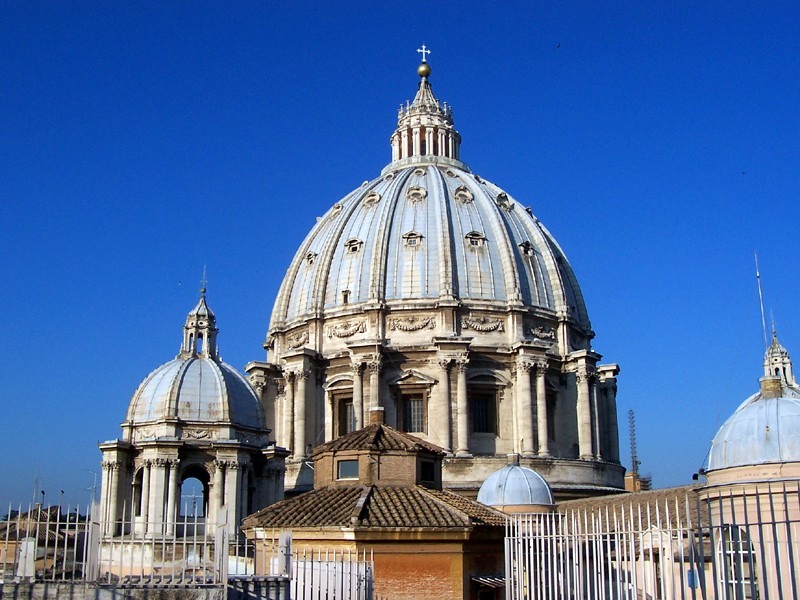
Tel Tanninim
Ancient tell near Mediterranean with Byzantine remains
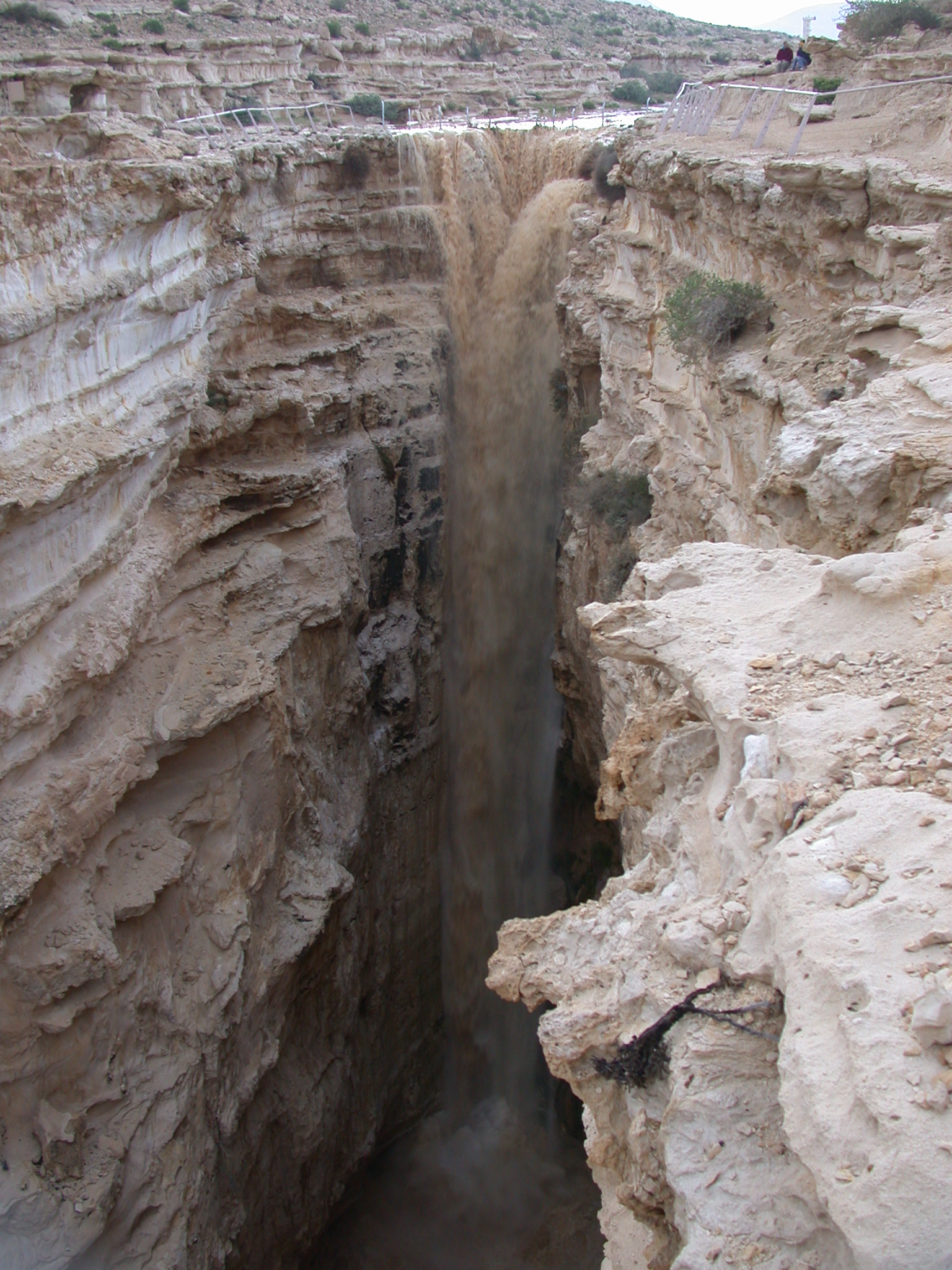
Ein Avdat
Desert canyon with springs and ancient habitations.
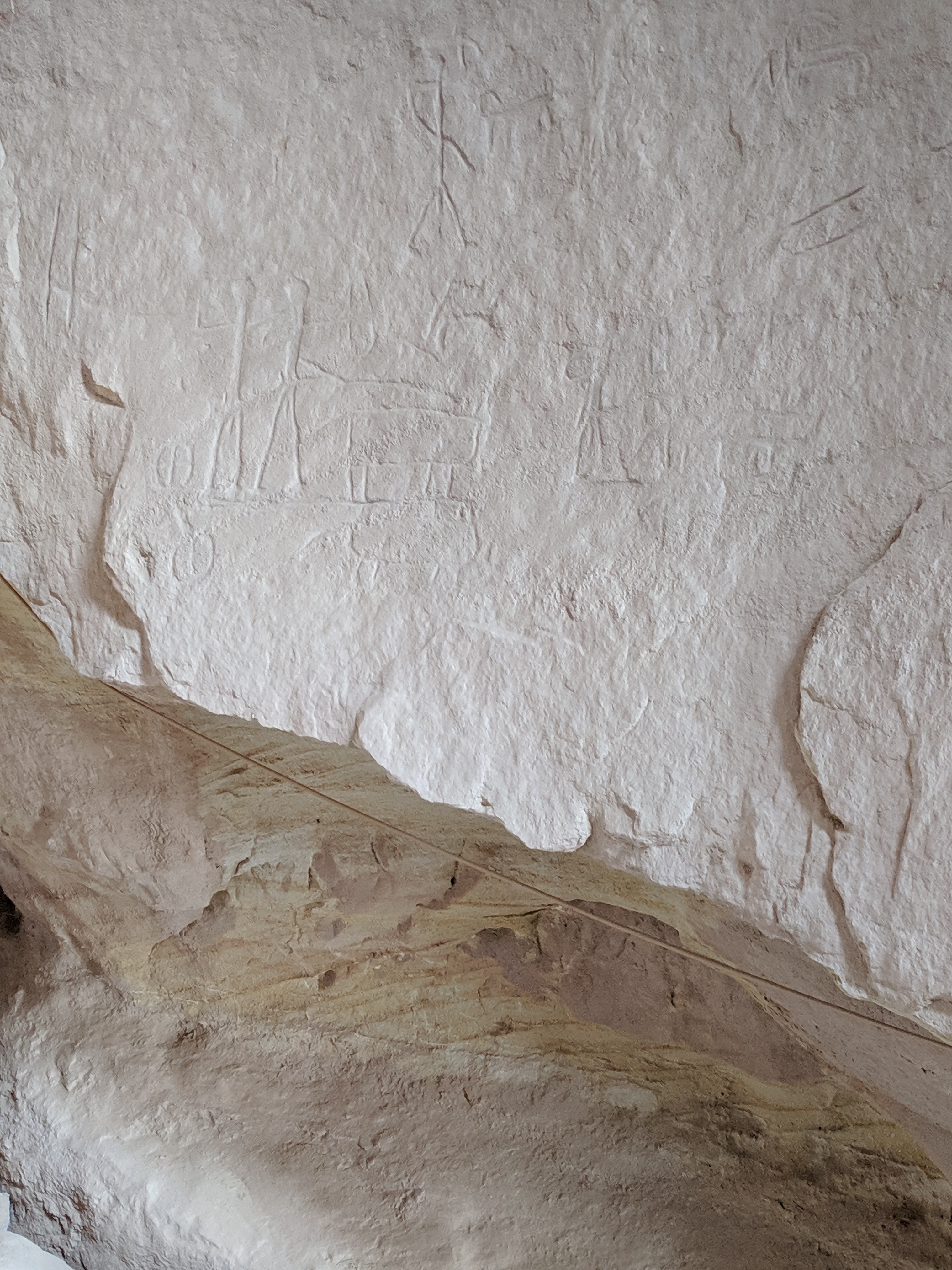
Timna Valley
Copper mining and unique sandstone formations
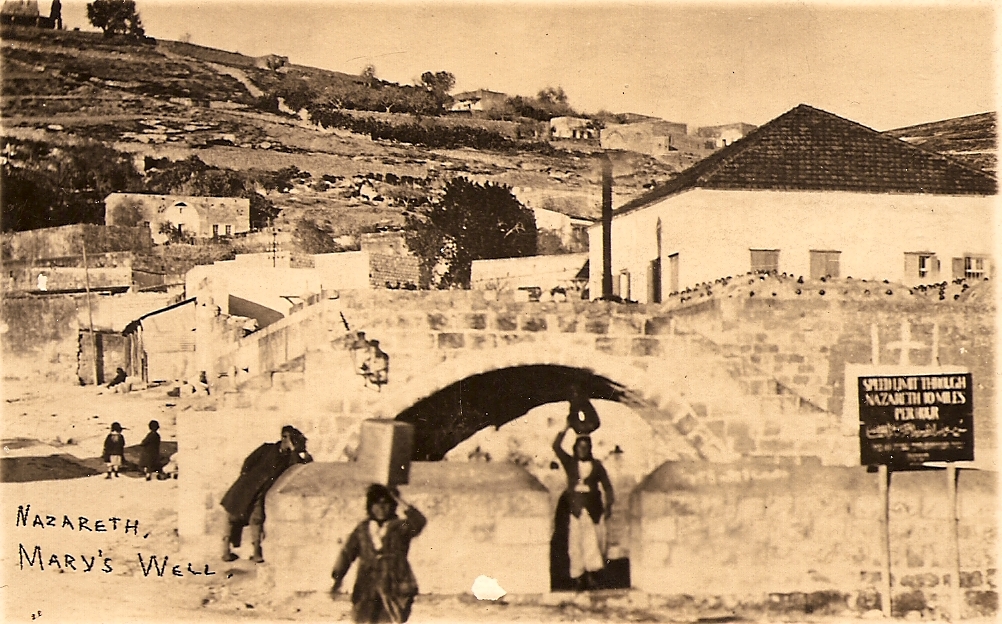
Mary's Well
Ancient water supply with religious significance