
Explore the Map
Beikthano
20.0039° N, 95.3794° E
About
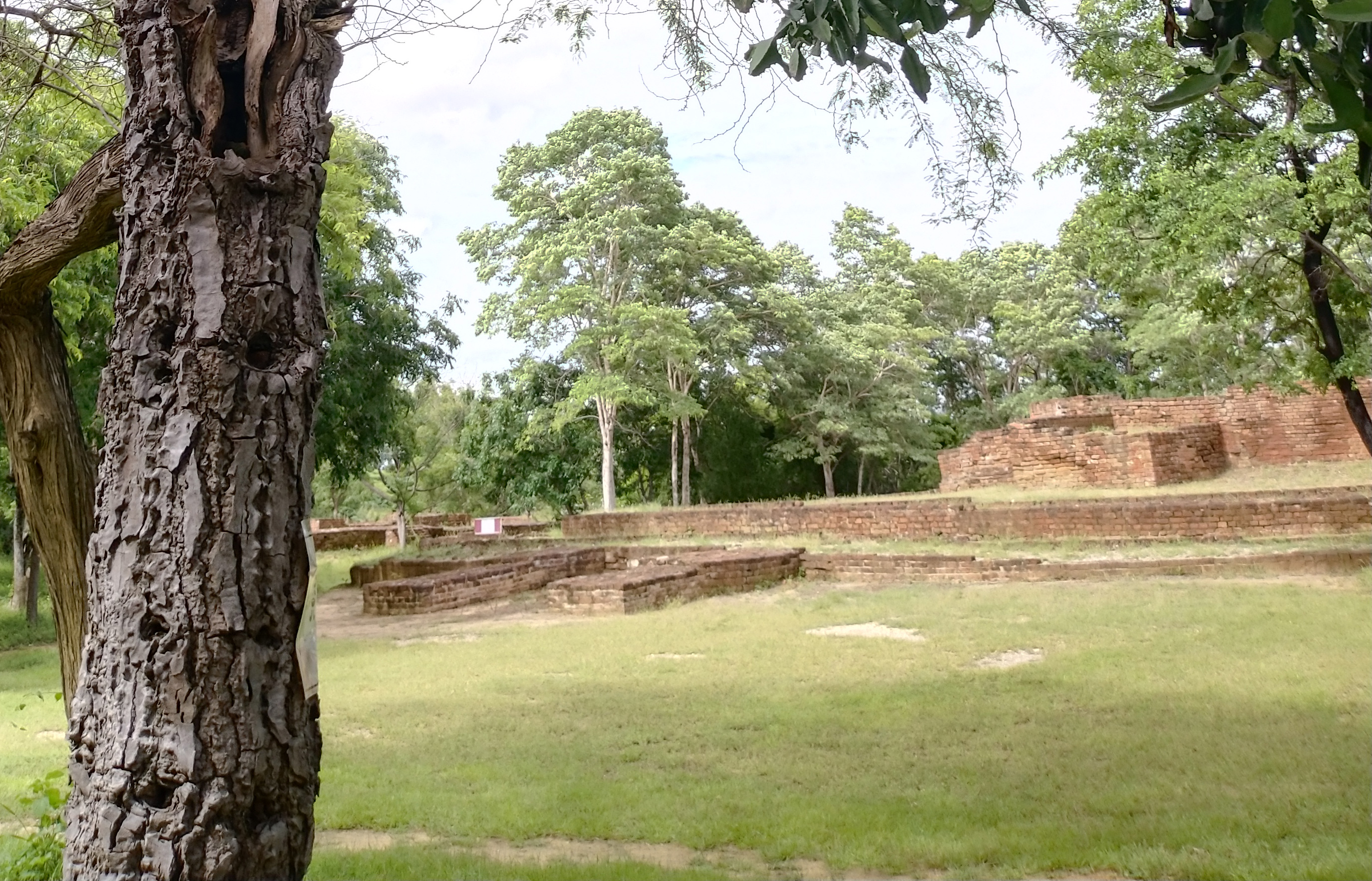
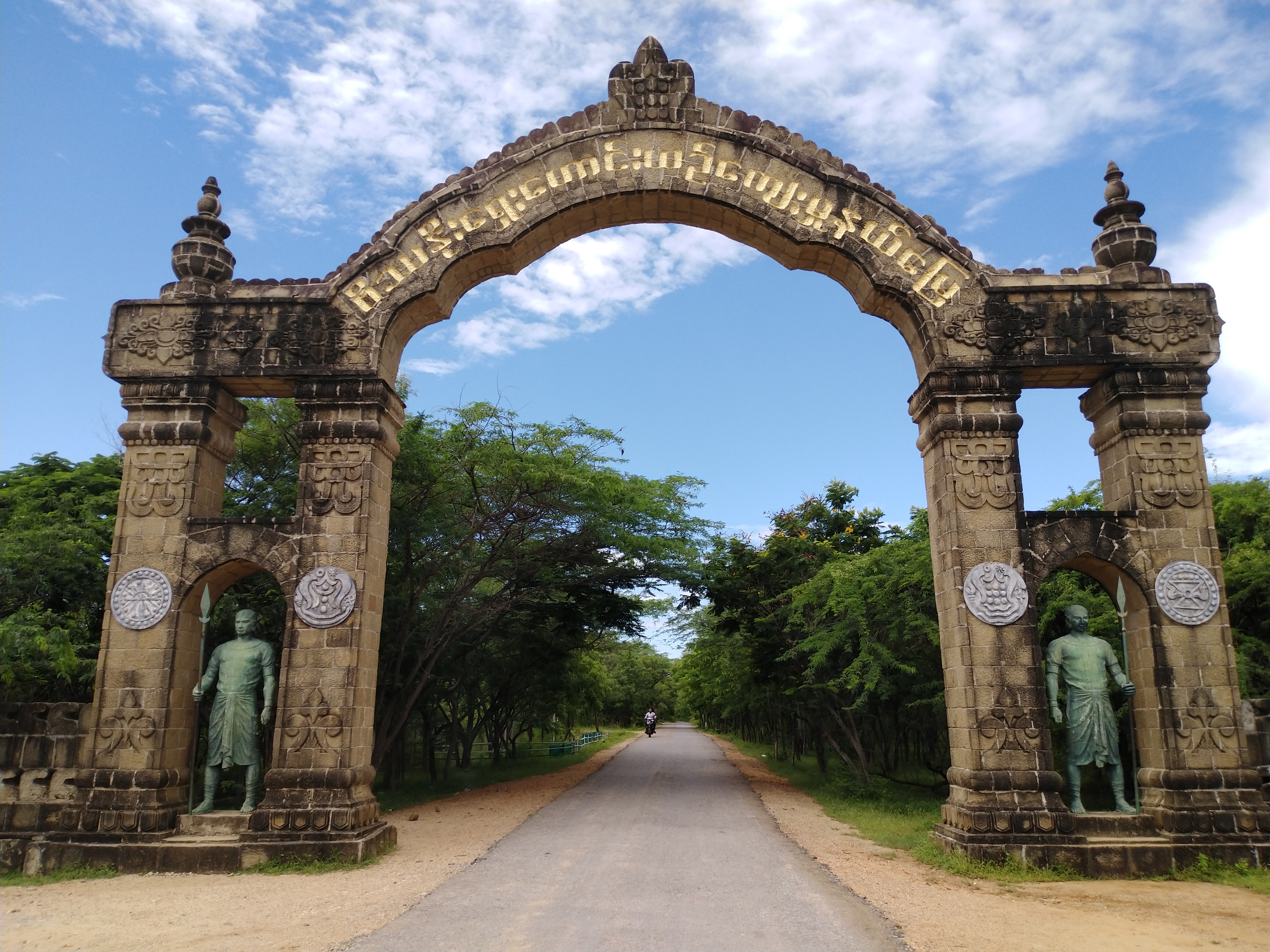
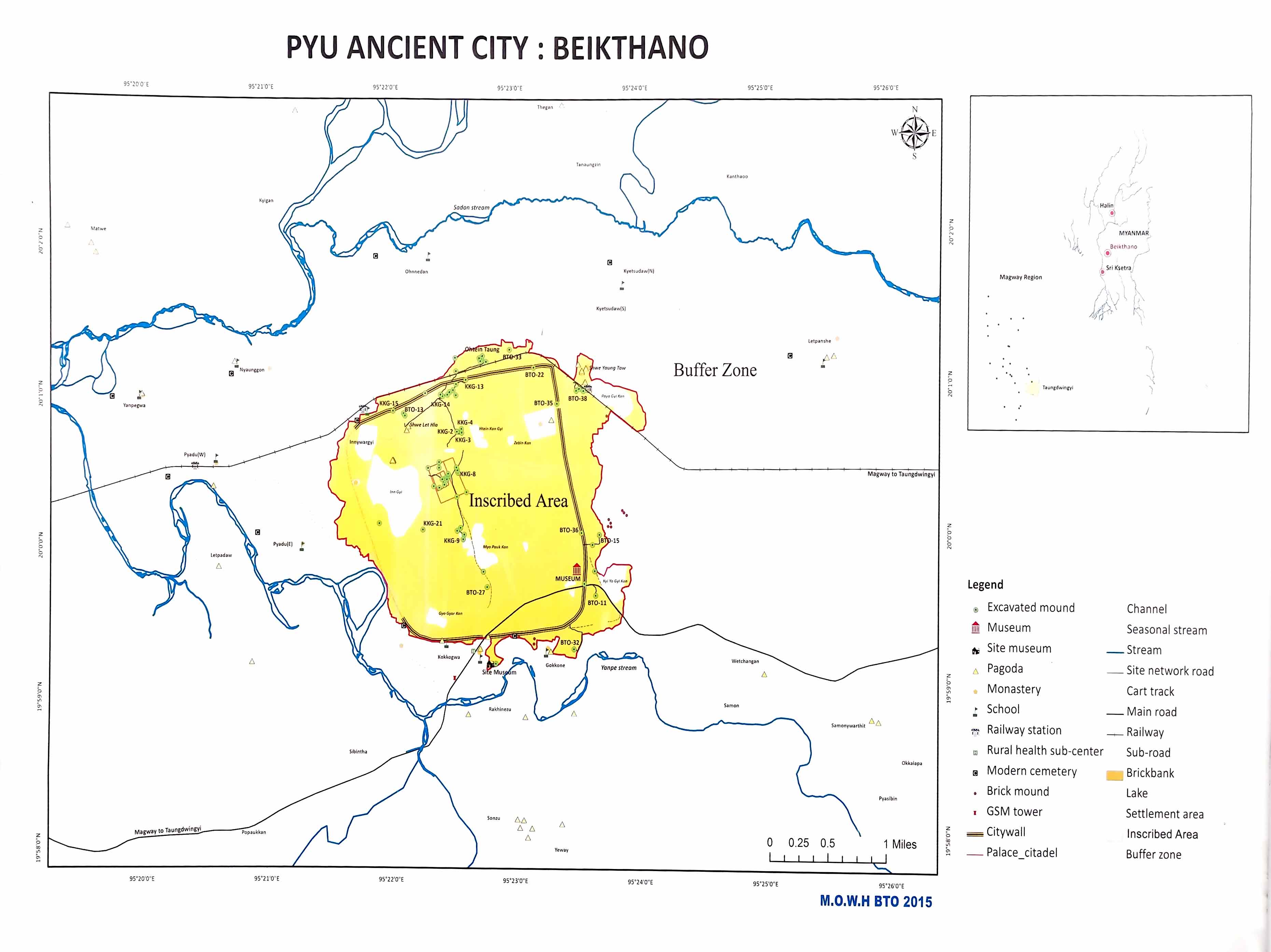
Beikthano, an ancient city in Myanmar, signifies the early urbanization and cultural development in the Pyu city-states. Situated near Taungdwingyi in the Magway Region, it was a significant fortified settlement spanning 300 hectares. This site, dating from 200 BCE to 100 CE, showcases extensive defensive walls and fortifications, with structures, pottery, and human remains evidencing its historical importance. Named after the Hindu god Vishnu, Beikthano may have been the first capital of a unified state in Burma's history. Its archaeological significance is further highlighted by the presence of stupas and monastic buildings. In 2014, UNESCO recognized it as part of the Pyu Ancient Cities World Heritage Site, underlining its contribution to understanding the region's history from 200 BCE to 900 CE.
Gallery
Explore photographs of ancient structures, artifacts, and archaeological excavations
Historical Timeline
Journey through time and discover key events in this site's history
Beikthano establishment
200 BCE
Fortification and development
180 BCE
Urban and cultural peak
100 CE
Pyu Kingdom prominence
200 CE
Archaeological Features
Unique architectural and cultural elements found at this historical site
Defensive Structures
Religious and Ritual Structures
Domestic and Habitation Structures
Frequently Asked Questions
Plan Your Visit
Tours, travel arrangements, and practical information
More Sites in Myanmar
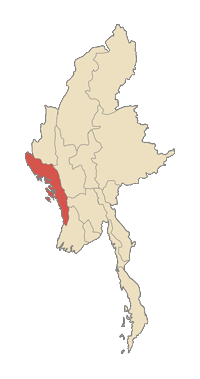
Dhanyawadi
Arakanese capital ruins, 1st–6th century CE, Myanmar
Pyu Ancient Cities
<p>Pyu Ancient Cities includes the remains of three brick, walled and moated cities of Halin, Beikthano and Sri Ksetra located in vast irrigated landscapes…
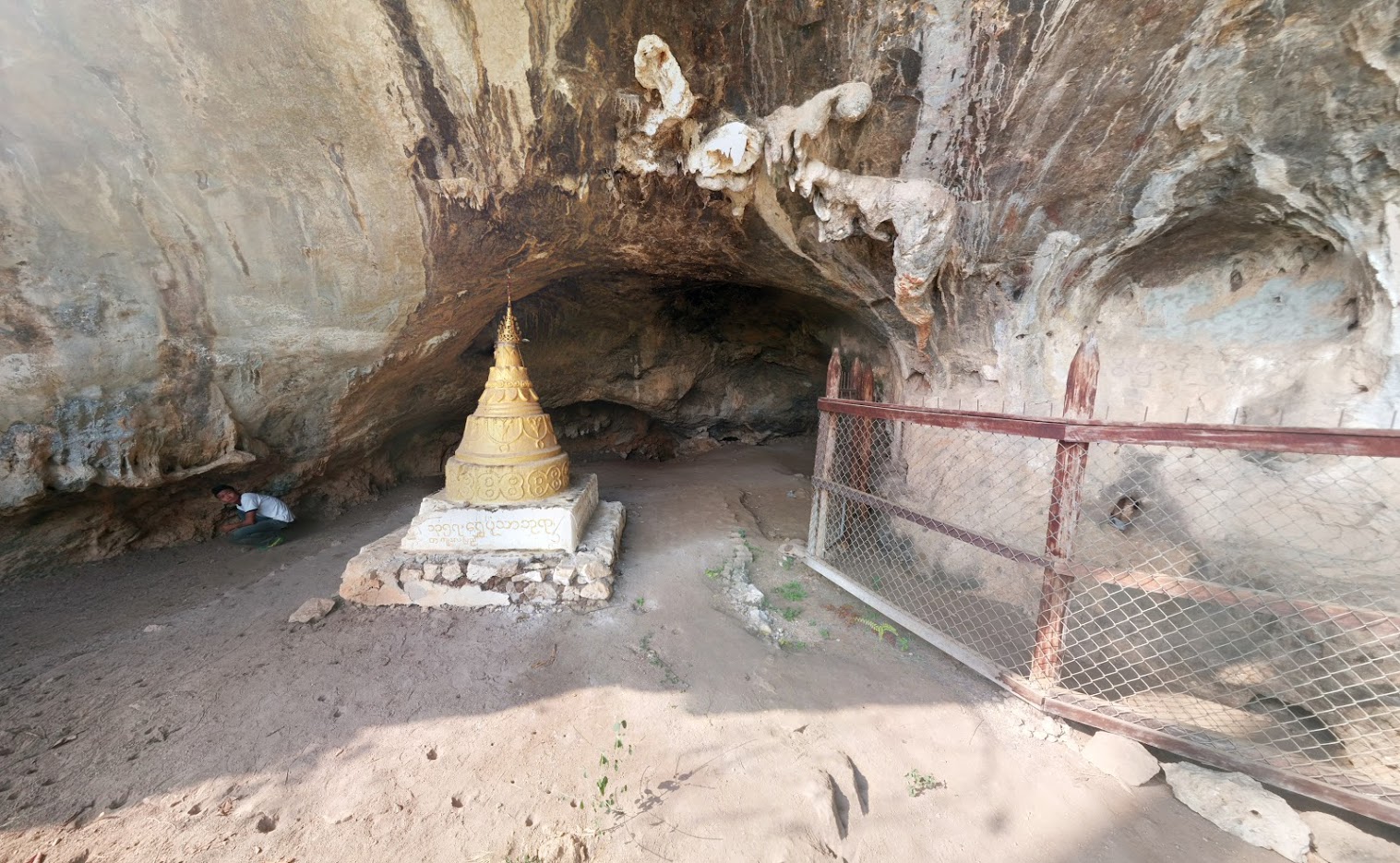
Padah-Lin Caves
Limestone caves with ancient paintings and artifacts
Waithali
Ruined capital city with Hindu influences.
Bagan
Lying on a bend of the Ayeyarwady River in the central plain of Myanmar, Bagan is a sacred landscape, featuring an exceptional range of Buddhist art and…