Explore the Map
Kiri Vehera
6.7000° N, 81.5500° E
About
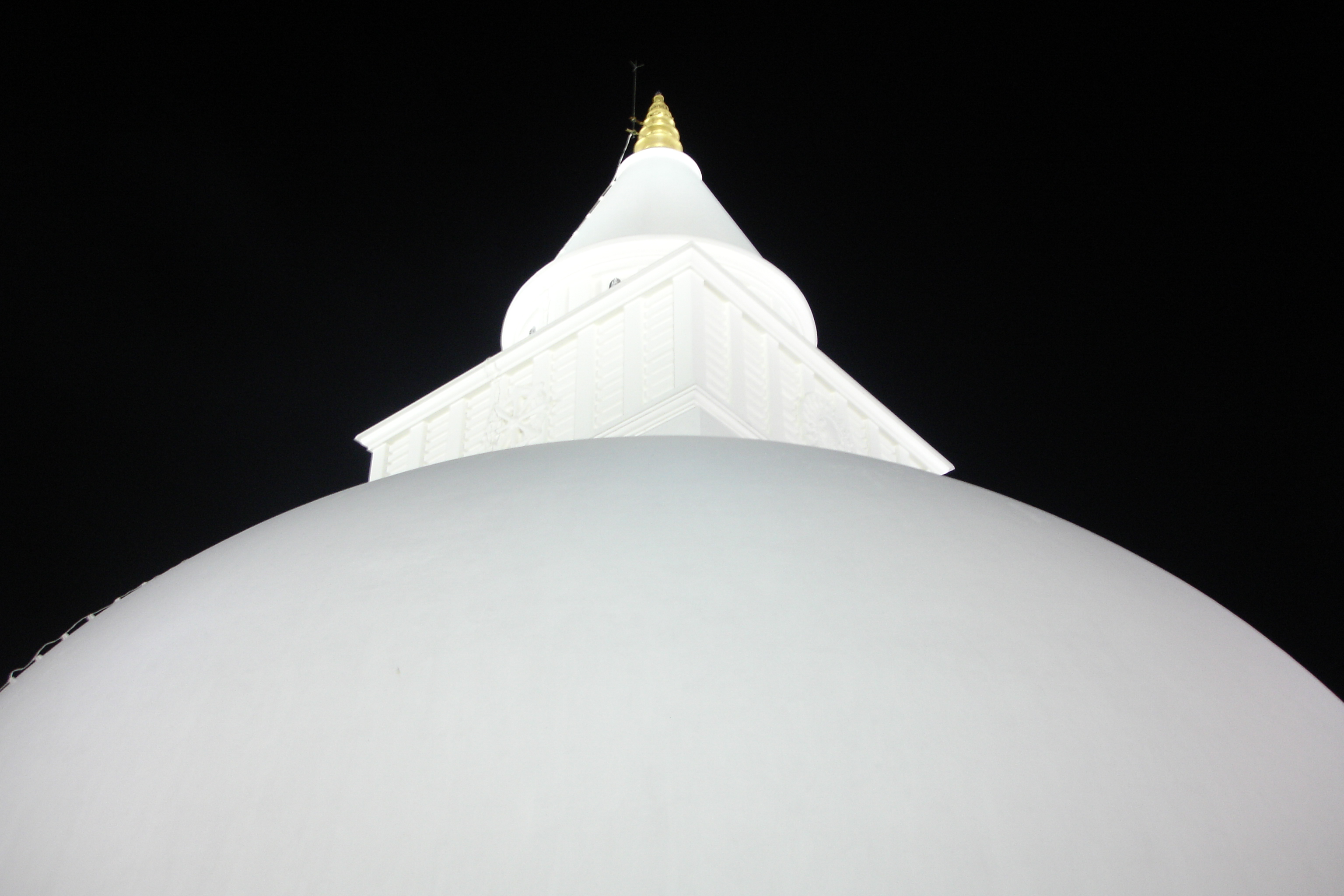
Kiri Vehera is an ancient stupa located in Kataragama, Sri Lanka, believed to have been constructed in the 3rd century BCE by King Mahanaga. This site is a significant Buddhist pilgrimage destination, recognized as one of the Solosmasthana, the sixteen sacred sites in ancient Sri Lanka. The stupa stands 95 feet tall with a circumference of 280 feet, and it is situated near the Ruhunu Maha Kataragama Devalaya. Notably, two inscriptions from the 2nd century CE have been found at the site, one of which mentions a donor named Mahadali Mahana raja, a local ruler of the Ruhuna Principality. These elements highlight the site's historical and religious importance over centuries.
Gallery
Explore photographs of ancient structures, artifacts, and archaeological excavations
Historical Timeline
Journey through time and discover key events in this site's history
Construction of Kiri Vehera
3rd century BCE
Inscriptions by Mahadali Mahana raja
2nd century CE
Archaeological Features
Unique architectural and cultural elements found at this historical site
Religious and Ritual Structures
Artistic and Decorative Features
Frequently Asked Questions
Plan Your Visit
Tours, travel arrangements, and practical information
More Sites in Sri Lanka
Sampur Stupa
Ruined stupa of early Anuradhapura period.
Kuragala
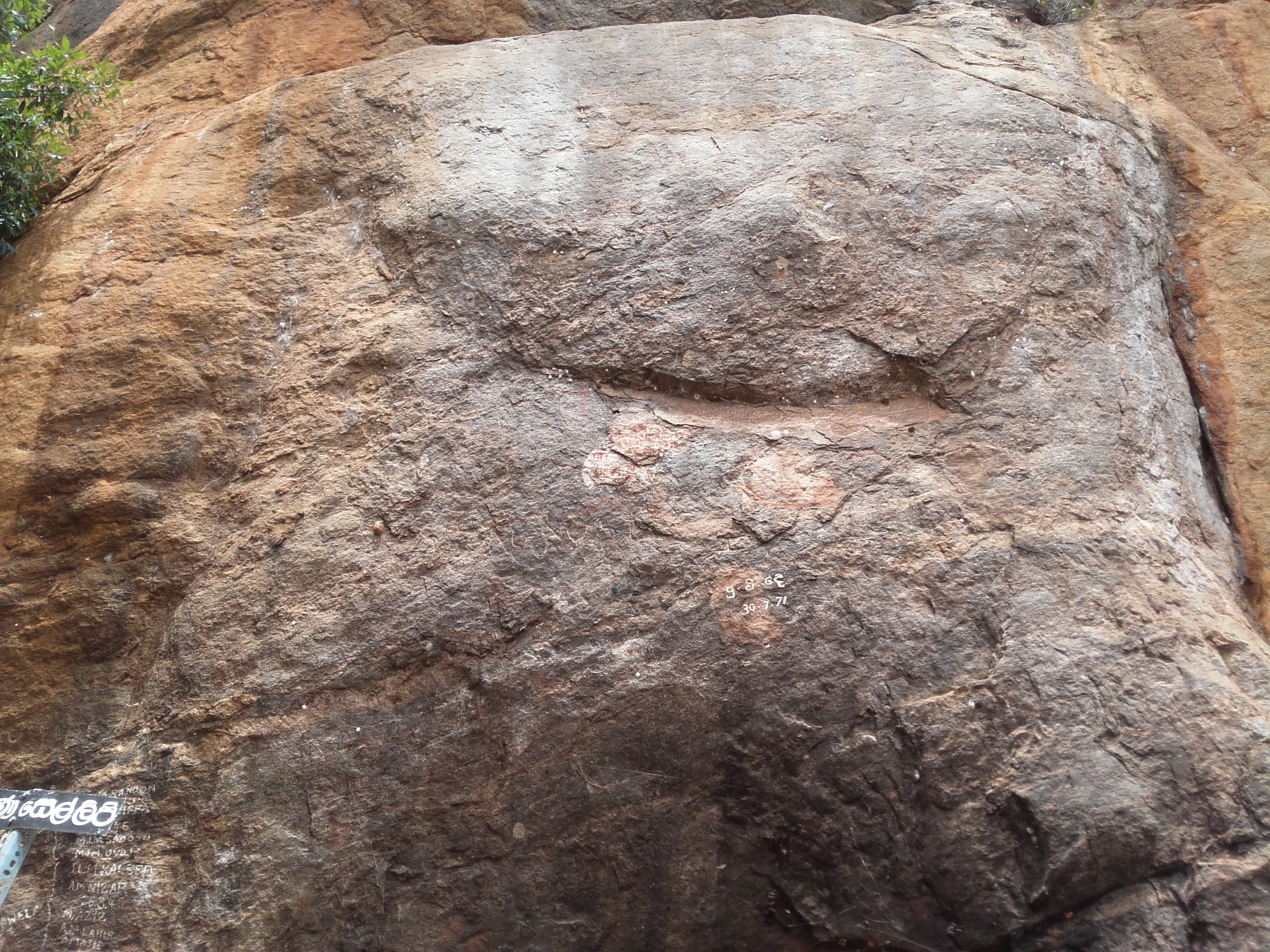
Prehistoric site with Buddhist and Muslim structures
Mirisawetiya Vihara
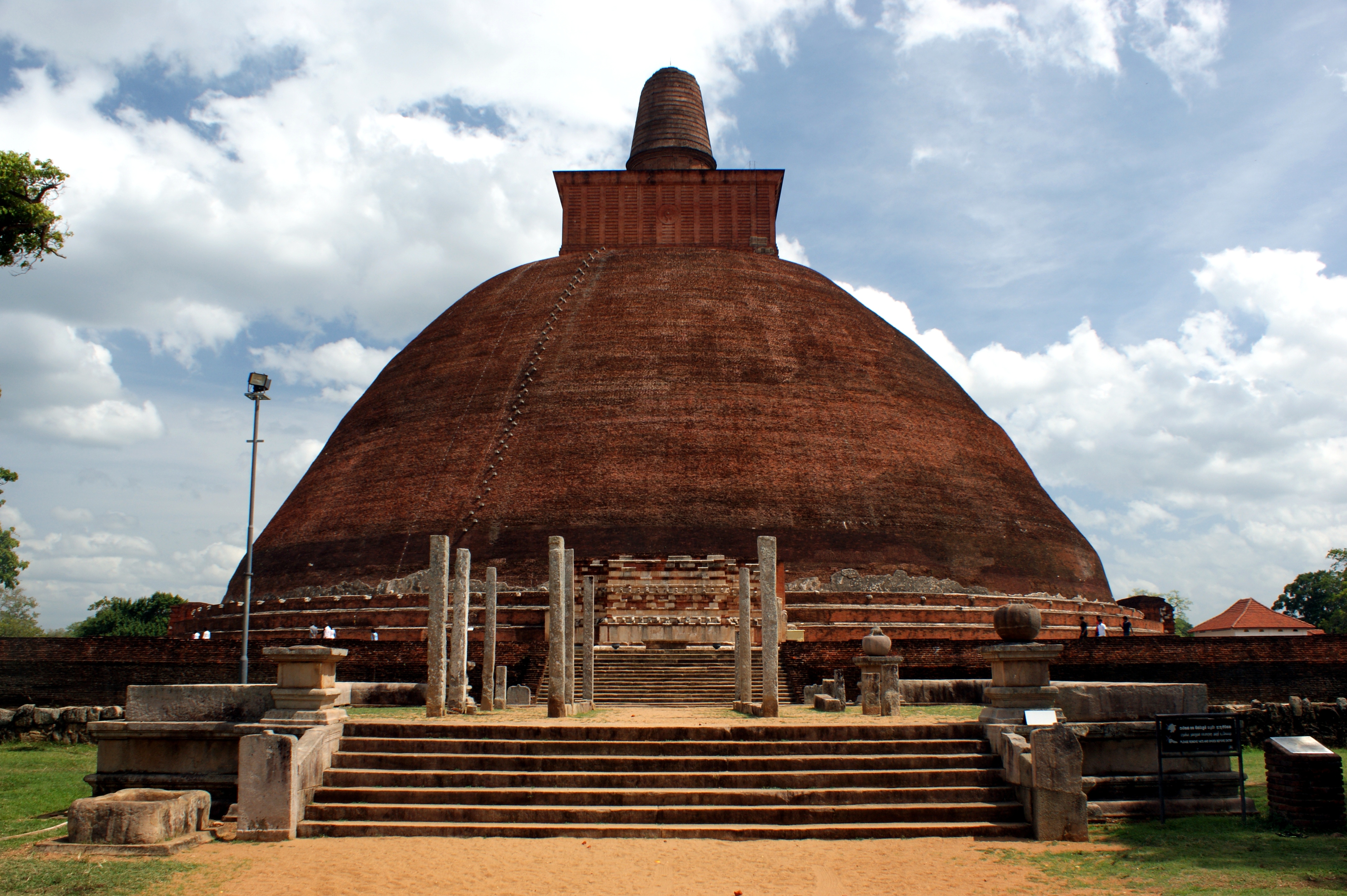
Ancient stupa with multiple restorations
Fa Hien Cave
Largest natural stone cave in South Asia.
Rangiri Dambulla Cave Temple
<p>A sacred pilgrimage site for 22 centuries, this cave monastery, with its five sanctuaries, is the largest, best-preserved cave-temple complex in Sri…
Ancient City of Sigiriya
<p>The ruins of the capital built by the parricidal King Kassapa I (477–95) lie on the steep slopes and at the summit of a granite peak standing some…