Time Periods
Paleolithic
Mesolithic
Neolithic
Chalcolithic
Bronze Age
Iron Age
Classical Period
Post-Classical Period
Early Modern Period
Industrial Period
Contemporary Period
Time Periods
Paleolithic
Mesolithic
Neolithic
Chalcolithic
Bronze Age
Iron Age
Classical Period
Post-Classical Period
Early Modern Period
Industrial Period
Contemporary Period
Location
About
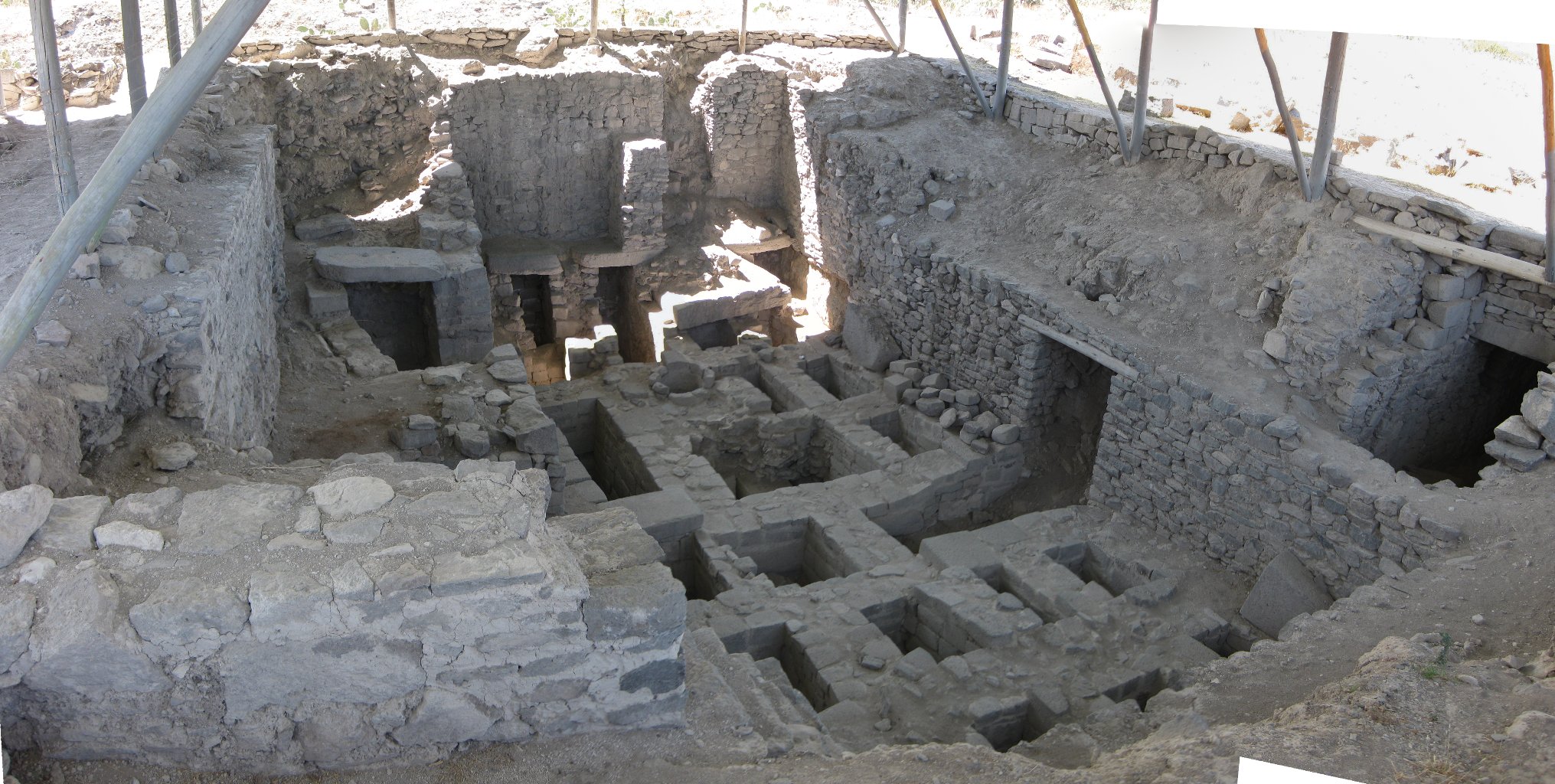
The Huari archaeological site, located near Quinua in the Ayacucho Region of Peru, stands as a testament to the Huari Empire's significant urban and cultural developments. Established around 400 CE and reaching its zenith by 550 CE, Huari became a major urban center in ancient Peru, housing approximately 70,000 inhabitants from various cultural backgrounds. This convergence of diverse peoples fostered the emergence of a new religion and a vibrant community. The site covers a sprawling 2000 hectares, featuring stone and mudbrick structures painted in red and white, with buildings serving residential, administrative, and religious functions. The site was ultimately abandoned around 1000 CE. Huari's archaeological significance lies in its role as a major urban and cultural hub during the Late Classical and Early Post-Classical periods.
Gallery
Explore photographs of ancient structures, artifacts, and archaeological excavations at Huari (archaeological site)
Archaeological Features
Explore the unique architectural and cultural elements found at this historical site
Public and Civic Structures
Religious and Ritual Structures
Domestic and Habitation Structures
Historical Timeline
Journey through time and discover key events in this site's archaeological history
Plan Your Visit
Details
- Country
- Ayacucho Region
- Source
- Wikipedia
More Sites in Ayacucho Region
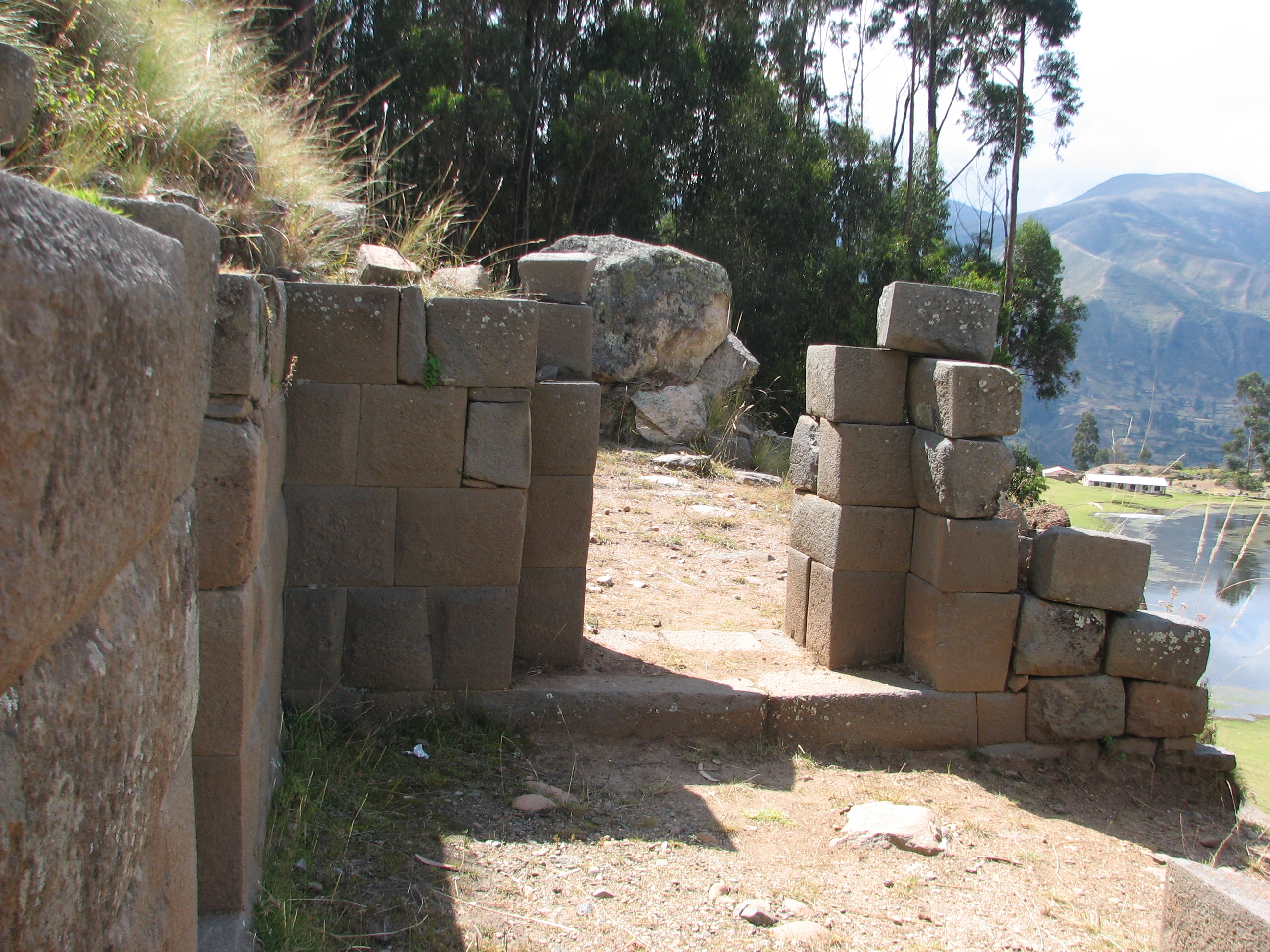
Inti Watana, Ayacucho
Archaeological site near Pumaqucha Lake, Peru.
Hatun Usnu
Mountain-top platform for significant celebrations
Tinyaq
Inca period storehouses on a mountain
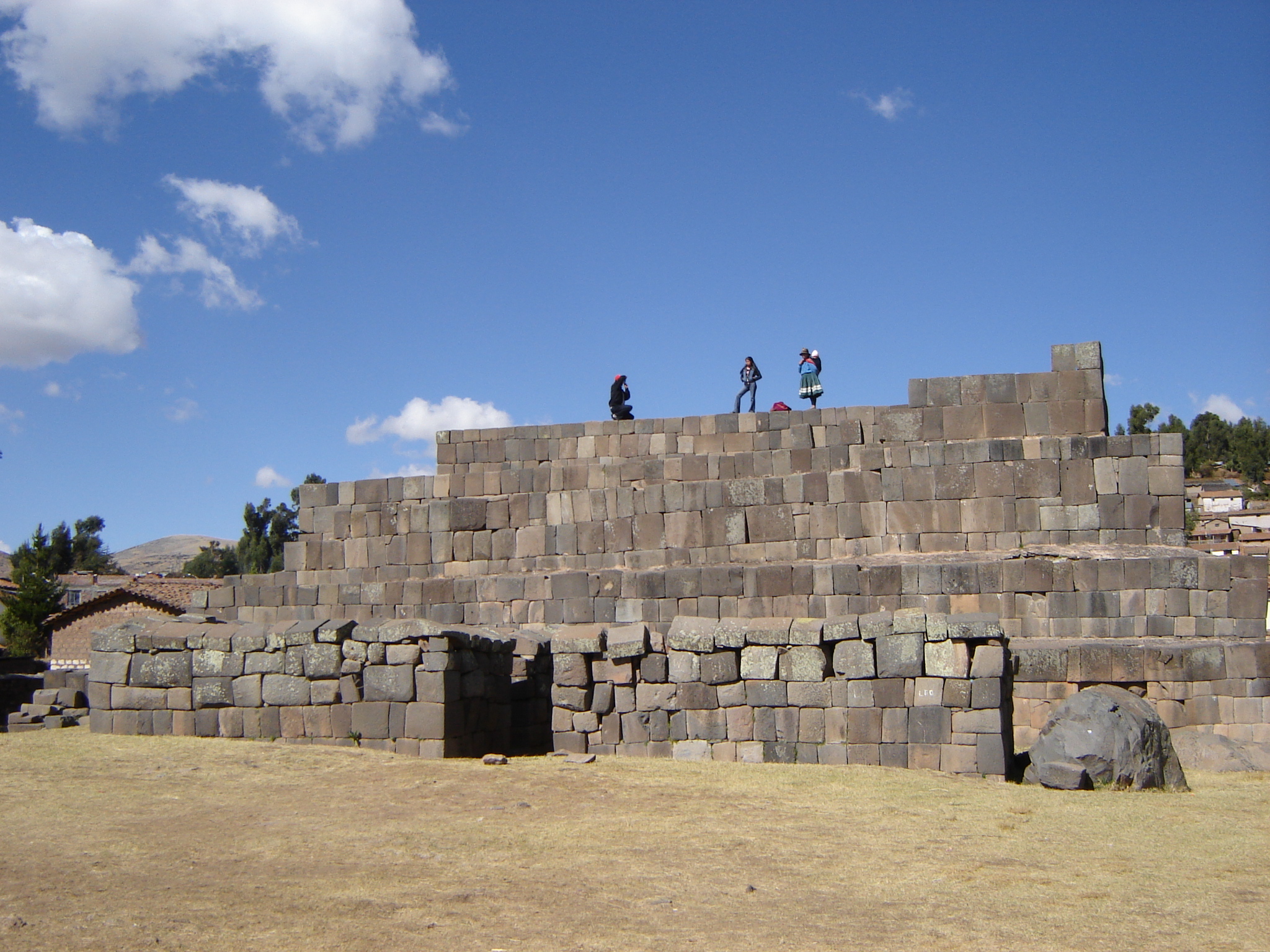
Usnu, Ayacucho
Incan ceremonial platform and temple site
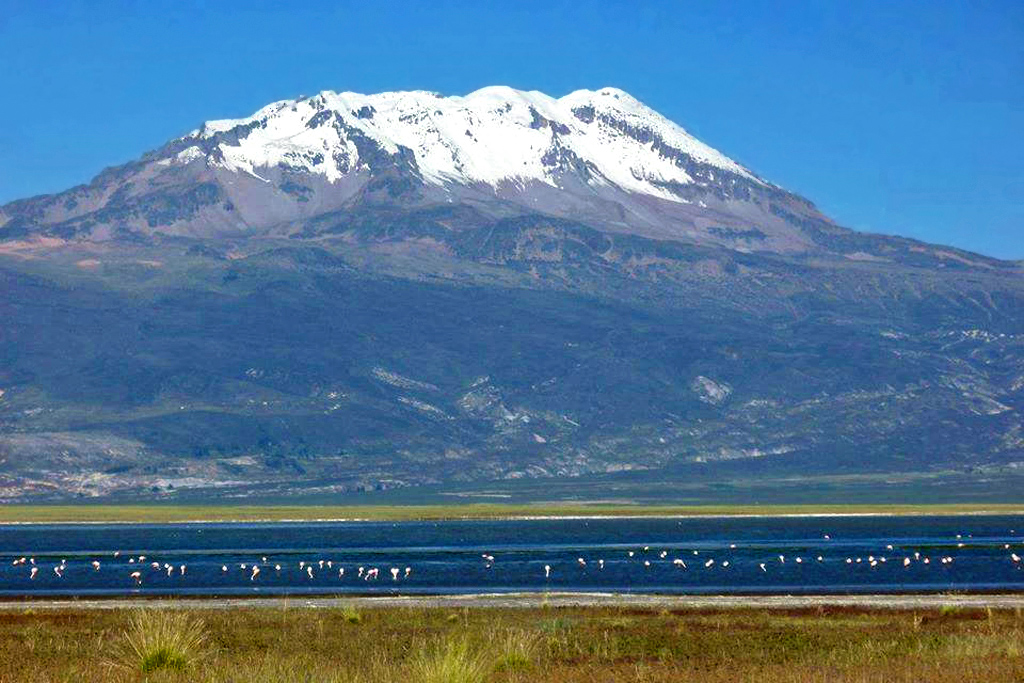
Sara Sara
Pleistocene volcano with Inca mummy found
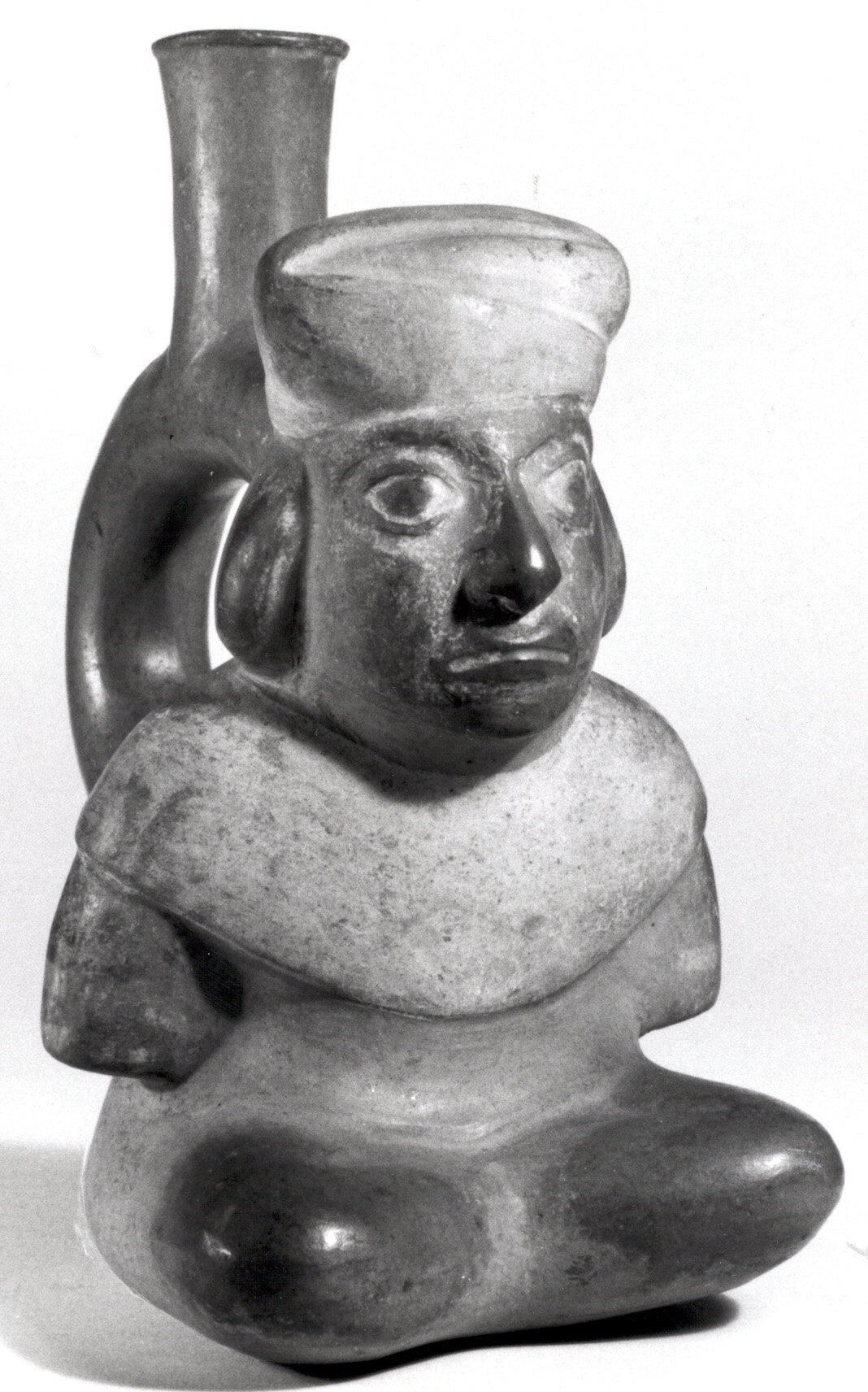
Pilluchu
Mountain-top archaeological site in Peru