
Explore the Map
Tiwanaku
-16.5547° N, -68.6733° E
About
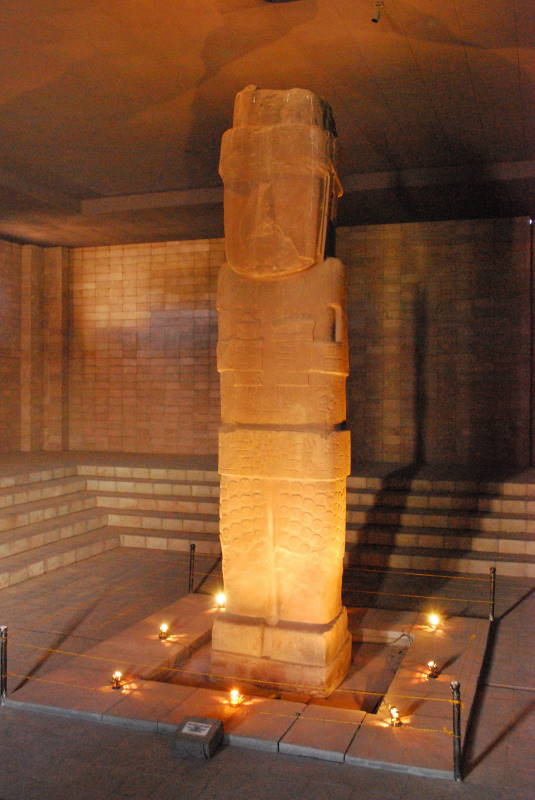
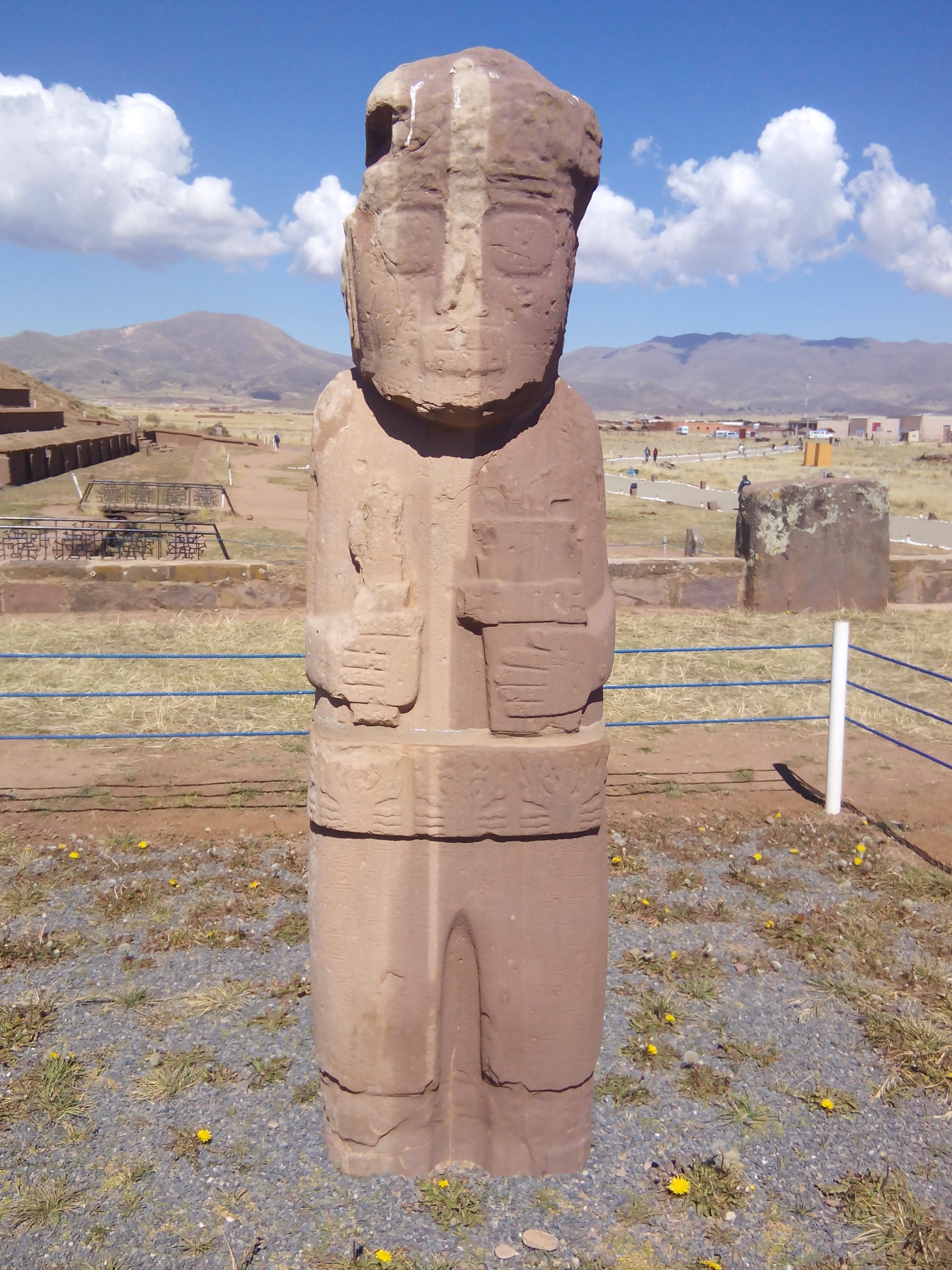
Tiwanaku is a significant Pre-Columbian archaeological site located in western Bolivia, near Lake Titicaca. Spanning roughly 4 square kilometers, this ancient city was a hub of the Andean civilization, featuring monumental structures, ceremonial platforms, and intricately carved stone monoliths. The city is characterized by its complex agropastoral economy, supported by trade, and its religious significance as a center for ceremonies. Major structures include the Akapana, a man-made platform mound, and the Pumapunku, with its massive stone terraces. Tiwanaku's sophisticated understanding of astronomy is evidenced by the alignment of its structures with celestial bodies. The city's decline around 1000 CE is thought to be linked to climate change and a resultant decrease in agricultural productivity.
Gallery
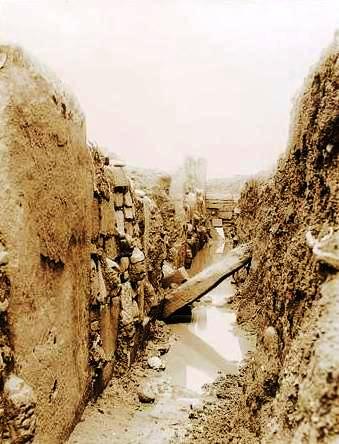
Explore photographs of ancient structures, artifacts, and archaeological excavations
Historical Timeline
Journey through time and discover key events in this site's history
Tiwanaku Foundation
110 CE
Growth and Expansion
375 CE
Collapse of Tiwanaku
1000 CE
Archaeological Features
Unique architectural and cultural elements found at this historical site
Defensive Structures
Water Management Features
Religious and Ritual Structures
Artistic and Decorative Features
Agricultural and Land Use Features
Domestic and Habitation Structures
Environmental and Natural Features
Astronomical and Timekeeping Structures
Frequently Asked Questions
Plan Your Visit
Tours, travel arrangements, and practical information


More Sites in Bolivia
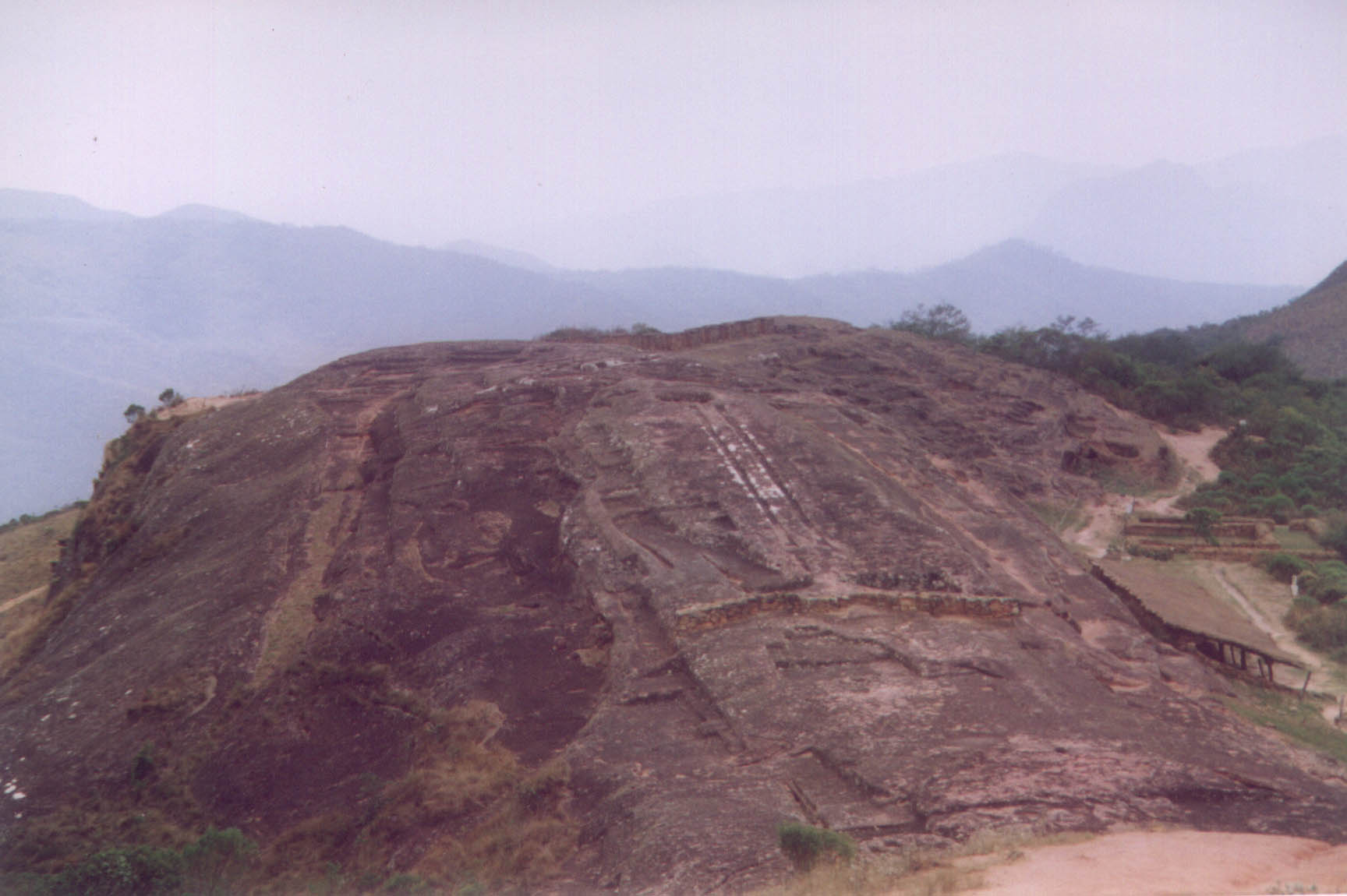
El Fuerte de Samaipata
Pre-Columbian ceremonial and residential complex
Oroncota
Inca provincial center with Yampara origins
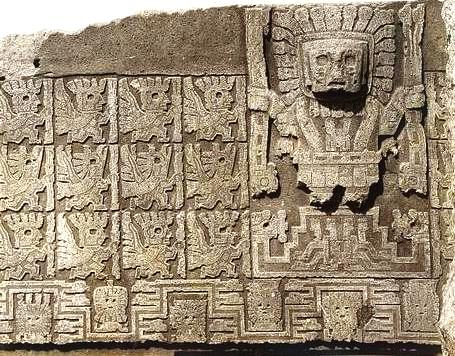
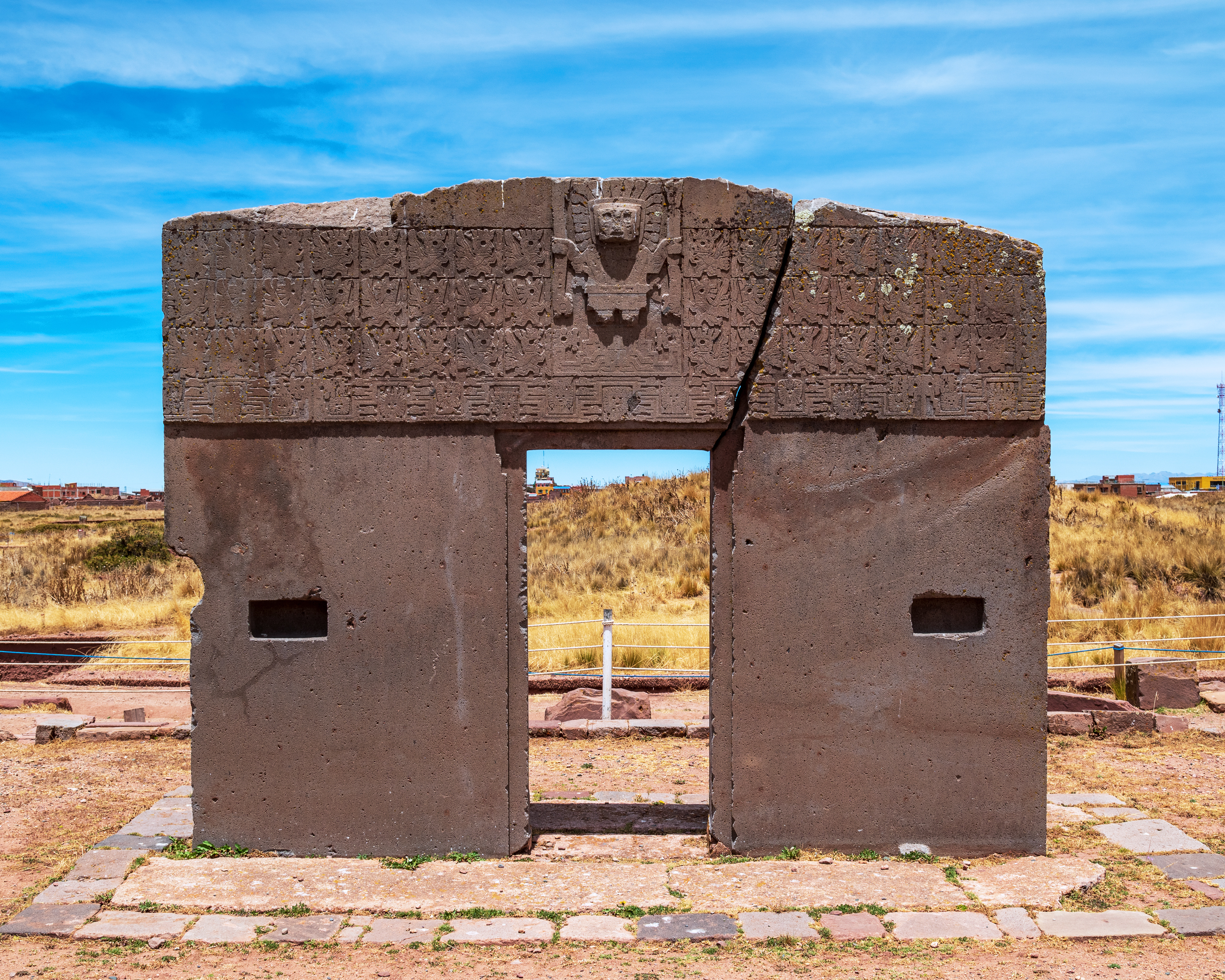
Gate of the Sun
Monolithic stone gateway with intricate carvings.
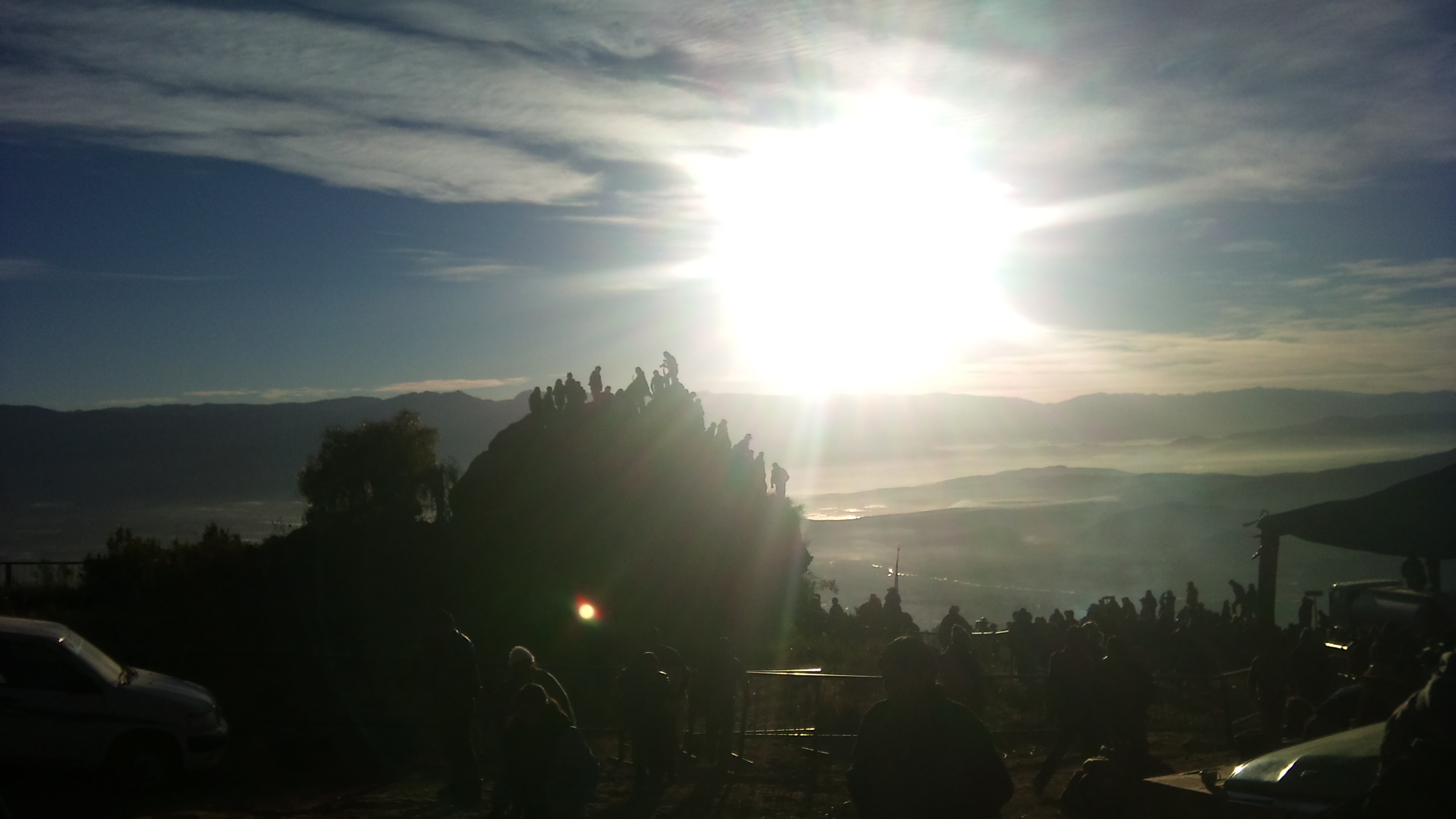
Inka Raqay, Bolivia
Ruin with walls, no roof, laborers' dormitory.
Kuntur Amaya
Burial towers at Bolivian archaeological site.
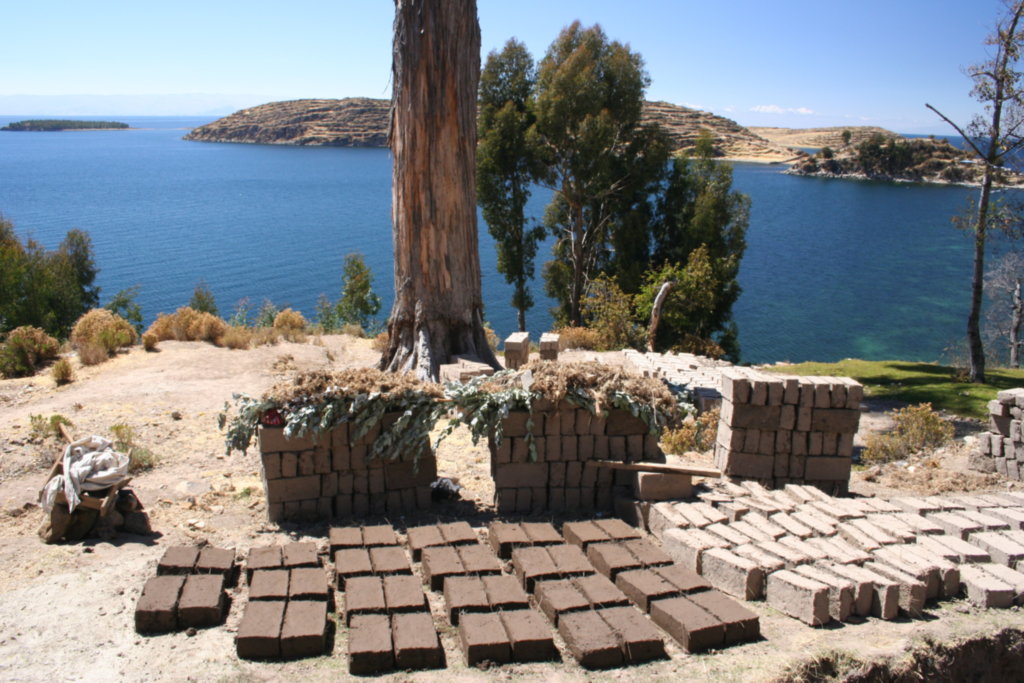
Isla del Sol
Rocky island with Inca and earlier ruins.