
Time Periods
Paleolithic
Mesolithic
Neolithic
Chalcolithic
Bronze Age
Iron Age
Classical Period
Post-Classical Period
Early Modern Period
Industrial Period
Contemporary Period
Time Periods
Paleolithic
Mesolithic
Neolithic
Chalcolithic
Bronze Age
Iron Age
Classical Period
Post-Classical Period
Early Modern Period
Industrial Period
Contemporary Period
Location
About
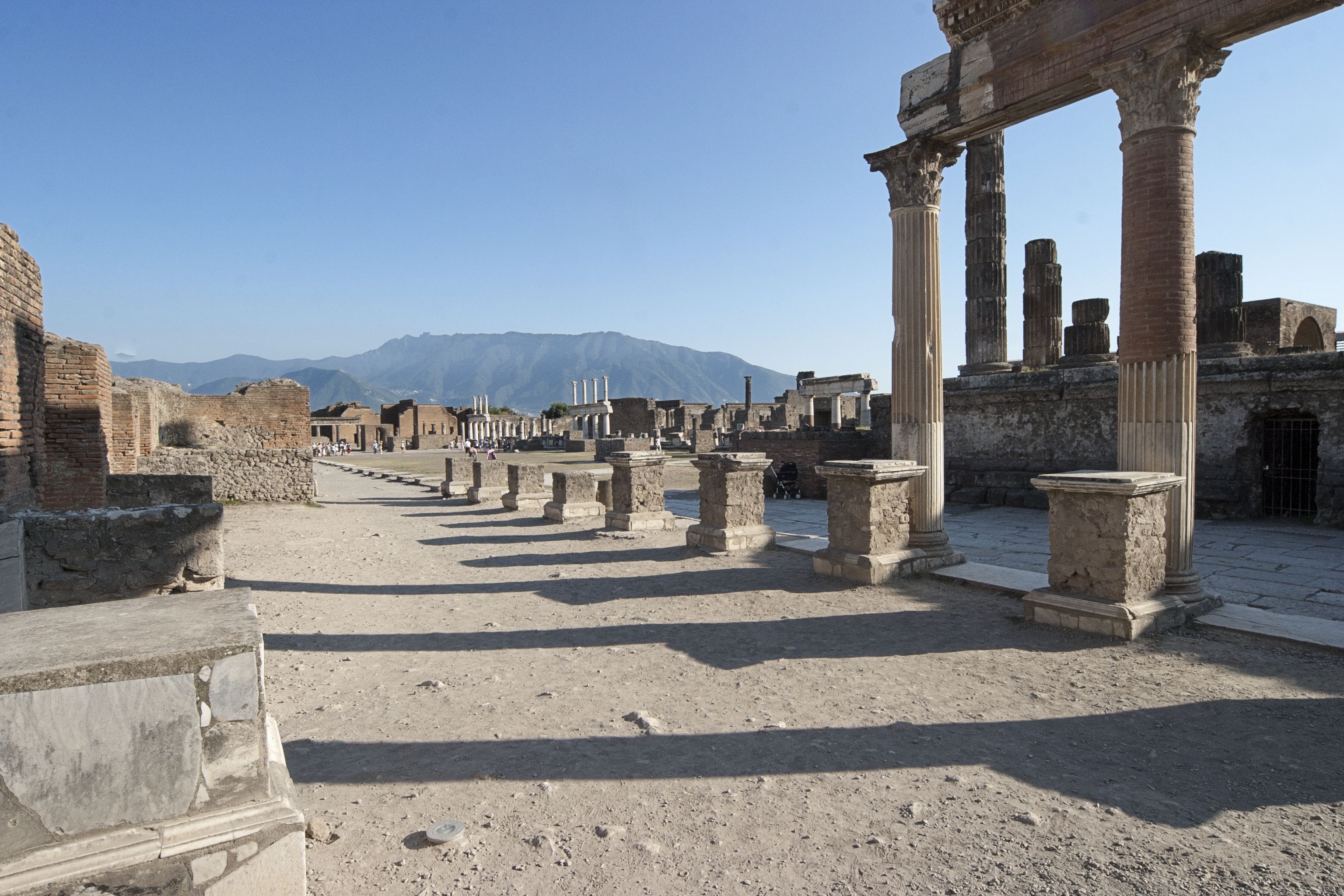
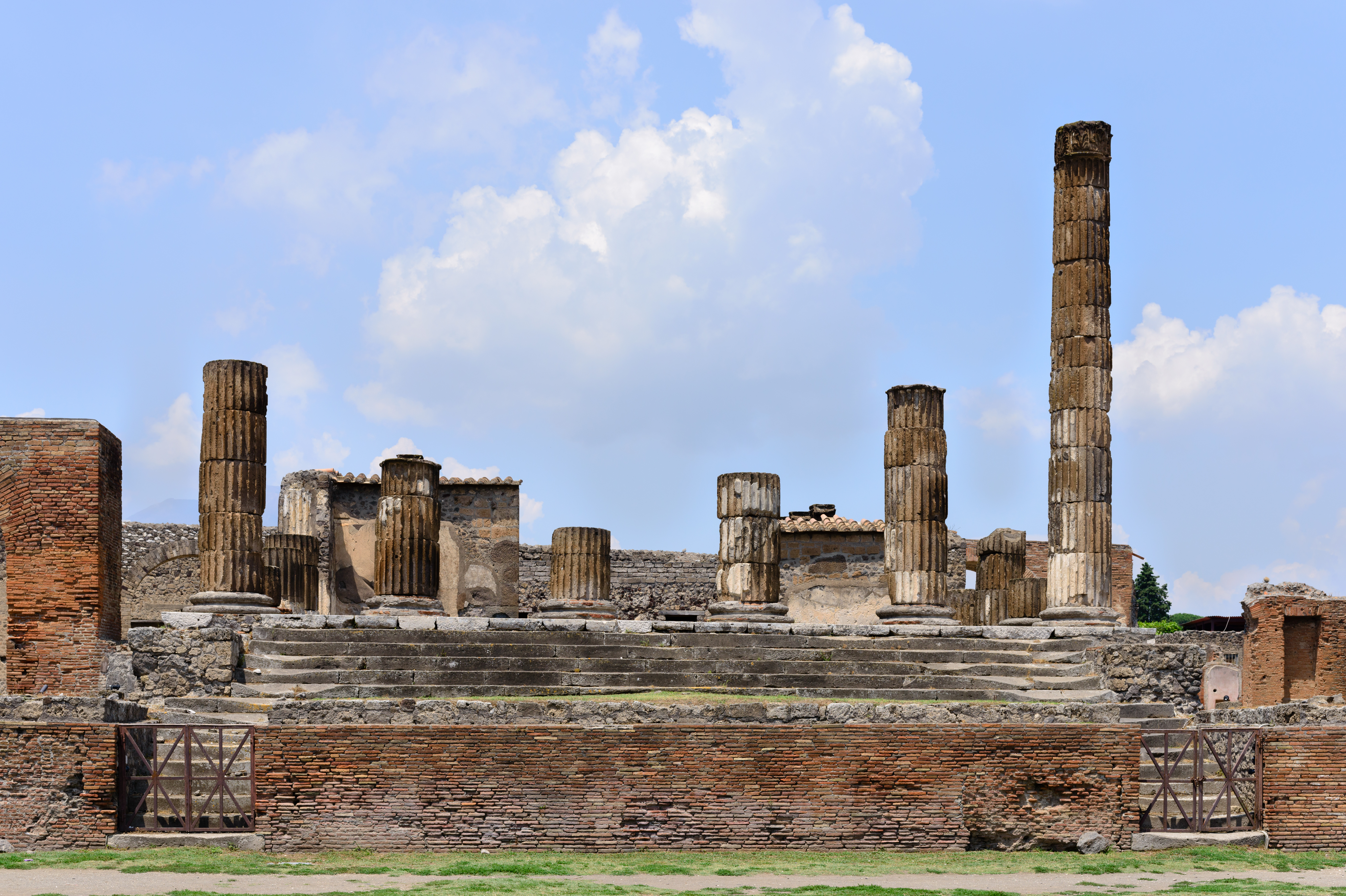
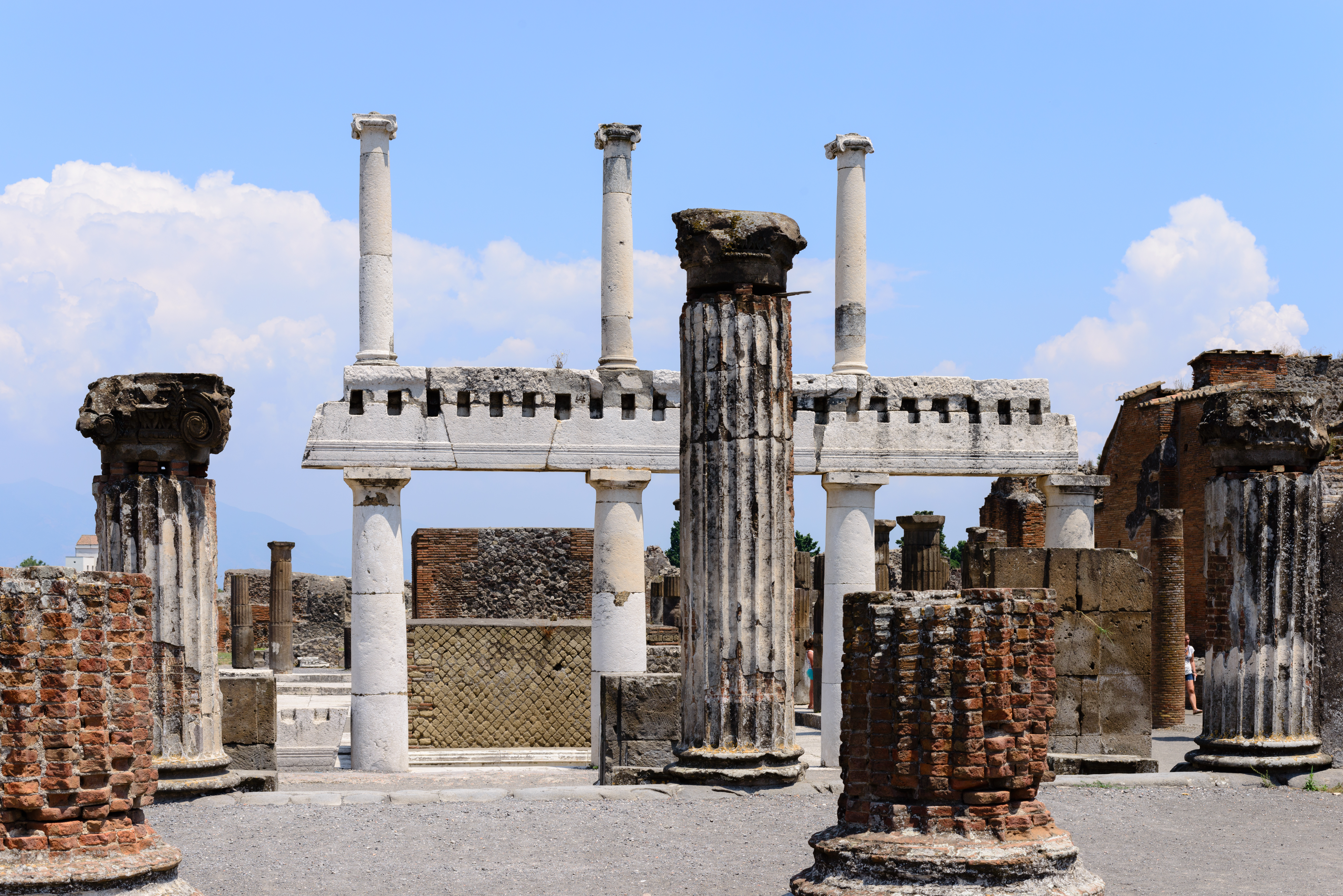
Pompeii, a Roman city located near modern Naples, offers a unique glimpse into ancient urban life, preserved under volcanic ash after the eruption of Mount Vesuvius in 79 CE. The site, home to approximately 11,000 to 20,000 residents, features extensive domestic and public architecture, including houses, temples, baths, and marketplaces. Its well-preserved frescoes, graffiti, and artifacts provide invaluable insights into Roman art, culture, and daily life. Pompeii's development over centuries reflects influences from Oscan, Greek, Etruscan, and Roman cultures. The site is a significant archaeological resource for understanding Roman history, city planning, and the impact of natural disasters on ancient civilizations.
Gallery
Explore photographs of ancient structures, artifacts, and archaeological excavations at Pompeii
Archaeological Features
Explore the unique architectural and cultural elements found at this historical site
Storage Structures
Defensive Structures
Animal Husbandry Features
Water Management Features
Public and Civic Structures
Burial and Funerary Structures
Industrial and Craft Structures
Religious and Ritual Structures
Artistic and Decorative Features
Agricultural and Land Use Features
Domestic and Habitation Structures
Food Production and Processing Features
Transportation and Communication Structures
Historical Timeline
Journey through time and discover key events in this site's archaeological history
Plan Your Visit
Details
- Country
- Campania
- Source
- Wikipedia