Explore the Map
Shimao
38.5657° N, 110.3252° E
About
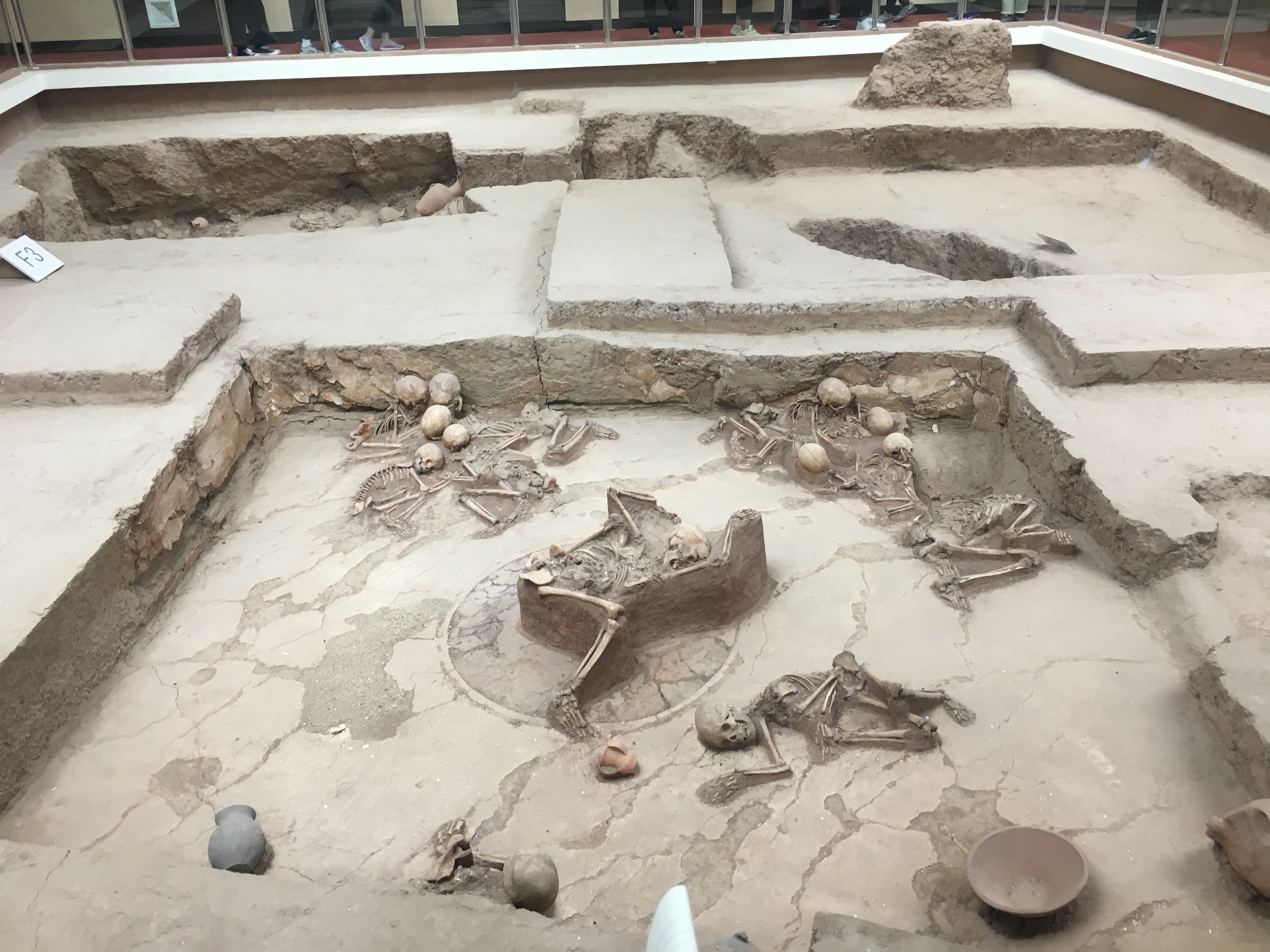
Shimao is a significant Neolithic archaeological site located in Shenmu County, Shaanxi, China, dating back to approximately 2000 BCE. It is noted for its large-scale walled city structure, featuring both inner and outer stone walls, unusual for the period, which typically utilized rammed earth. The site includes a stepped pyramid with palatial complexes, which suggests a high degree of social organization. Jade artifacts embedded in the walls and ritual sacrifice evidence, including buried human skulls, indicate religious or spiritual practices. Shimao's advanced development in metallurgy, agriculture, and trade with Eurasian Steppe peoples highlights its role as a cultural and technological hub during its time. The site was abandoned around 1700 BCE likely due to climate shifts, marking an important transition in the region’s history.
Historical Timeline
Journey through time and discover key events in this site's history
Construction of Shimao
2000 BCE
Abandonment due to climate change
1700 BCE
Archaeological Features
Unique architectural and cultural elements found at this historical site
Defensive Structures
Burial and Funerary Structures
Industrial and Craft Structures
Religious and Ritual Structures
Artistic and Decorative Features
Domestic and Habitation Structures
Frequently Asked Questions
Plan Your Visit
Tours, travel arrangements, and practical information
More Sites in China
Lajia
Bronze Age site in Yellow River region
Luobi Cave
Karst cave with Yuan Dynasty inscriptions
Yangling Mausoleum of Han
Western Han imperial mausoleum, 2nd century BCE
Capital Cities and Tombs of the Ancient Koguryo Kingdom
Goguryeo fortress-cities and tombs, 1st century BCE–7th century CE
Shangjing Longquanfu
Balhae capital city ruins, 8th–10th centuries
Yunju Temple
Buddhist temple complex with vast stone sutra steles, China