Time Periods
Paleolithic
Mesolithic
Neolithic
Chalcolithic
Bronze Age
Iron Age
Classical Period
Post-Classical Period
Early Modern Period
Industrial Period
Contemporary Period
Time Periods
Paleolithic
Mesolithic
Neolithic
Chalcolithic
Bronze Age
Iron Age
Classical Period
Post-Classical Period
Early Modern Period
Industrial Period
Contemporary Period
Location
About
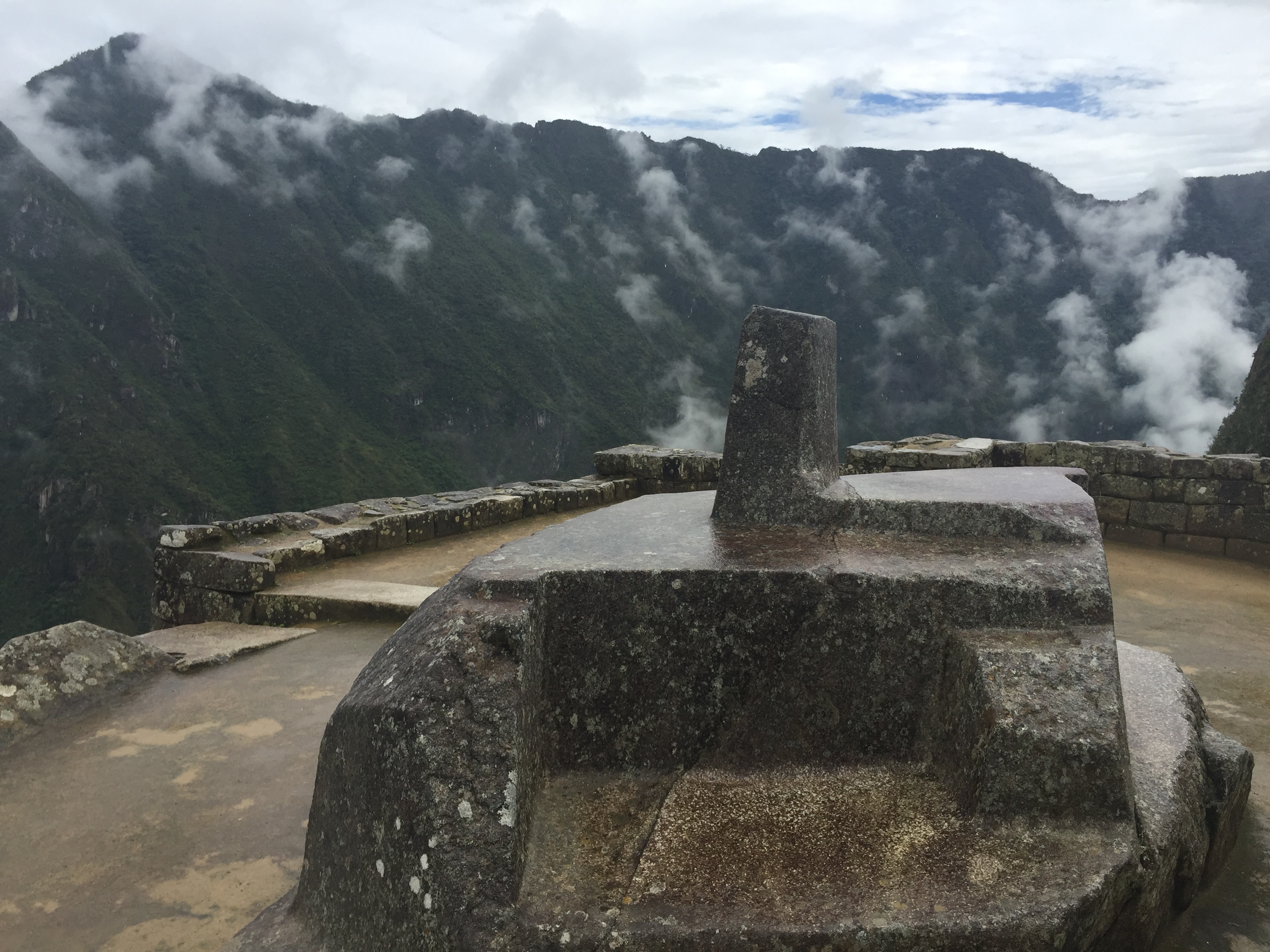
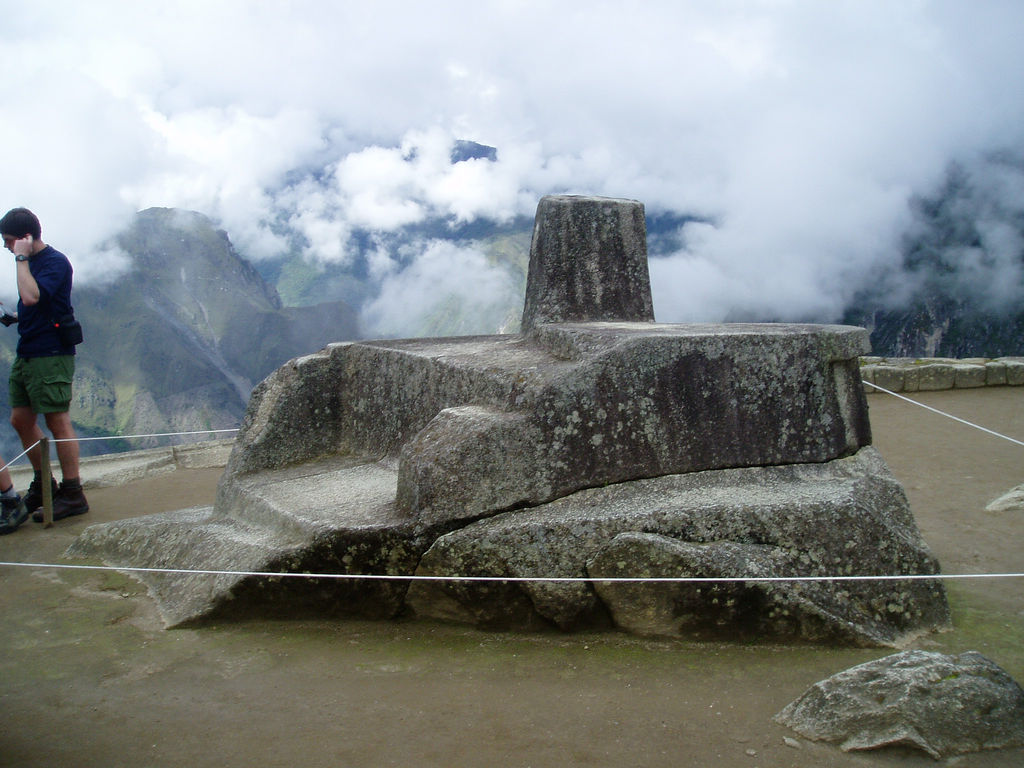
The Intihuatana stone at Machu Picchu is a significant archaeological feature with notable religious and astronomical associations. Carved directly into the mountain's bedrock, it features complex surfaces, planes, and angles, with an upright stone column tilting 13 degrees northward. Historically, it was possibly used as a sundial, aligning with the sun's position during the solstices and equinoxes. The Inca believed it held the sun in place along its annual path, making it both a timekeeping device and a religious artifact. Intihuatana's intact discovery by Bingham in 1911 suggests it escaped the Spanish destruction of Incan religious symbols due to its hidden location. Its dual role in religious and astronomical functions highlights its importance in Incan society.
Gallery
Explore photographs of ancient structures, artifacts, and archaeological excavations at Intihuatana, Urubamba
Archaeological Features
Explore the unique architectural and cultural elements found at this historical site
Religious and Ritual Structures
Astronomical and Timekeeping Structures
Historical Timeline
Journey through time and discover key events in this site's archaeological history
Plan Your Visit
Details
- Country
- Cusco Region
- Source
- Wikipedia
More Sites in Cusco Region
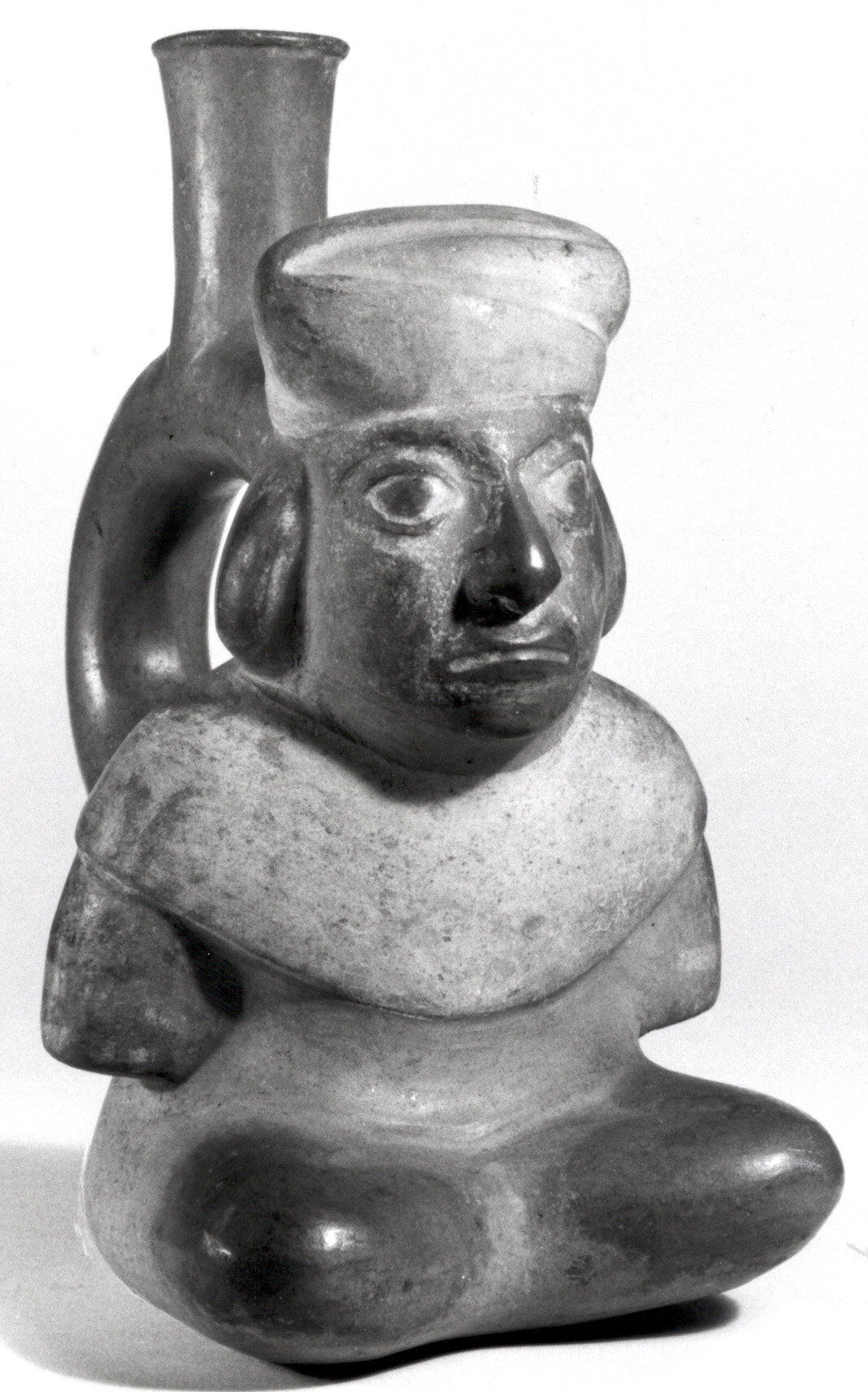
Wayna Tawqaray
Mountainous archaeological site near Cusco, Peru.
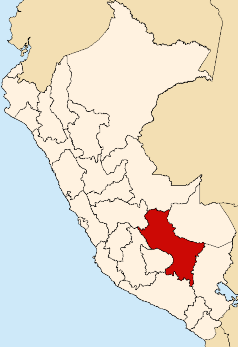
Muyu Urqu
Prominent hill with archaeological remains
Colcampata
Elevated archaeological site in Cusco, Peru.
Sayacmarca
Isolated Inca site on mountain ridge
Raqch'i
Inca site with temple and defensive structures
Runkuraqay
Ruins on mountain slope in Peru.