Explore the Map
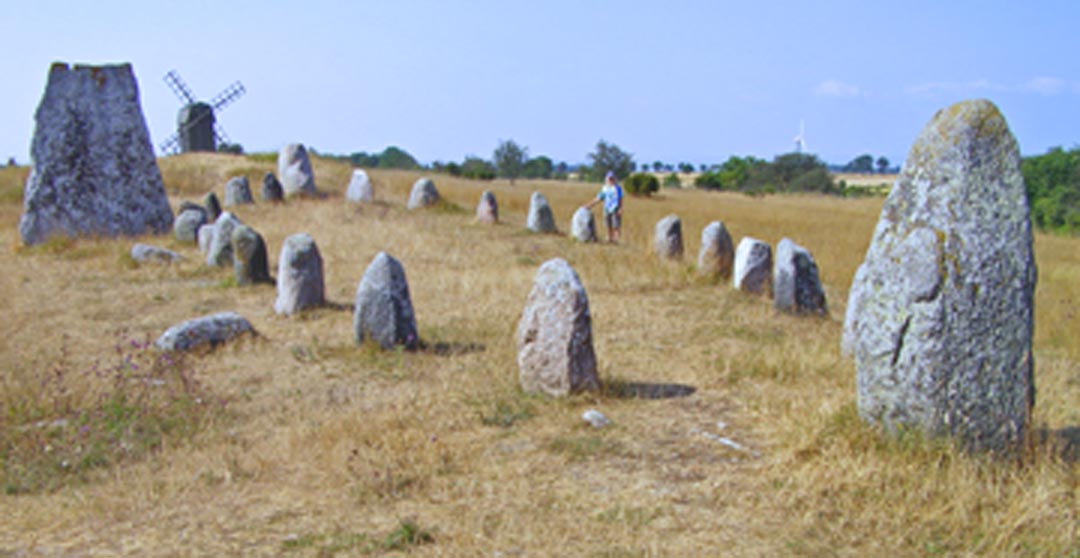
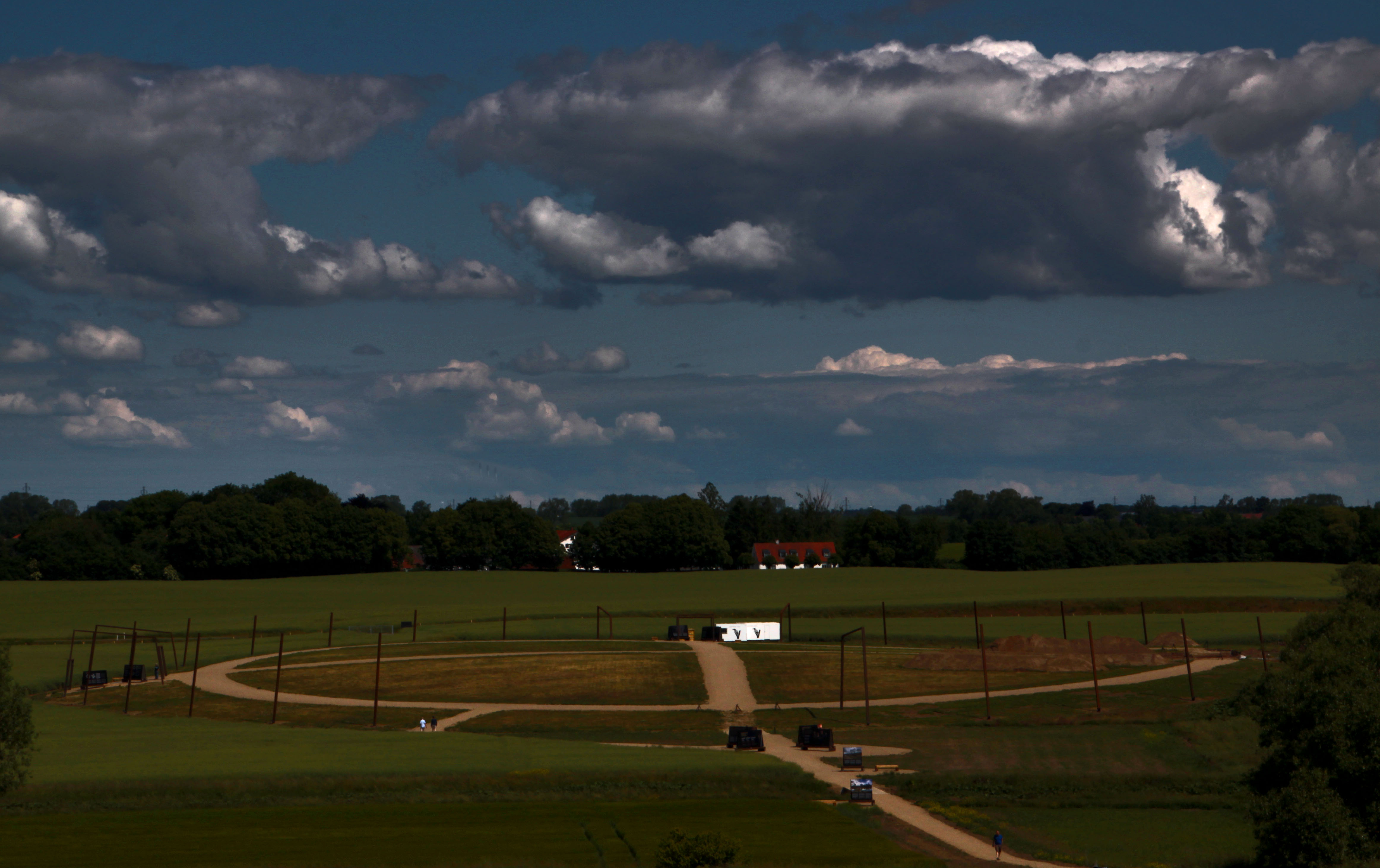
Jelling stone ship
55.7561° N, 9.4194° E
About
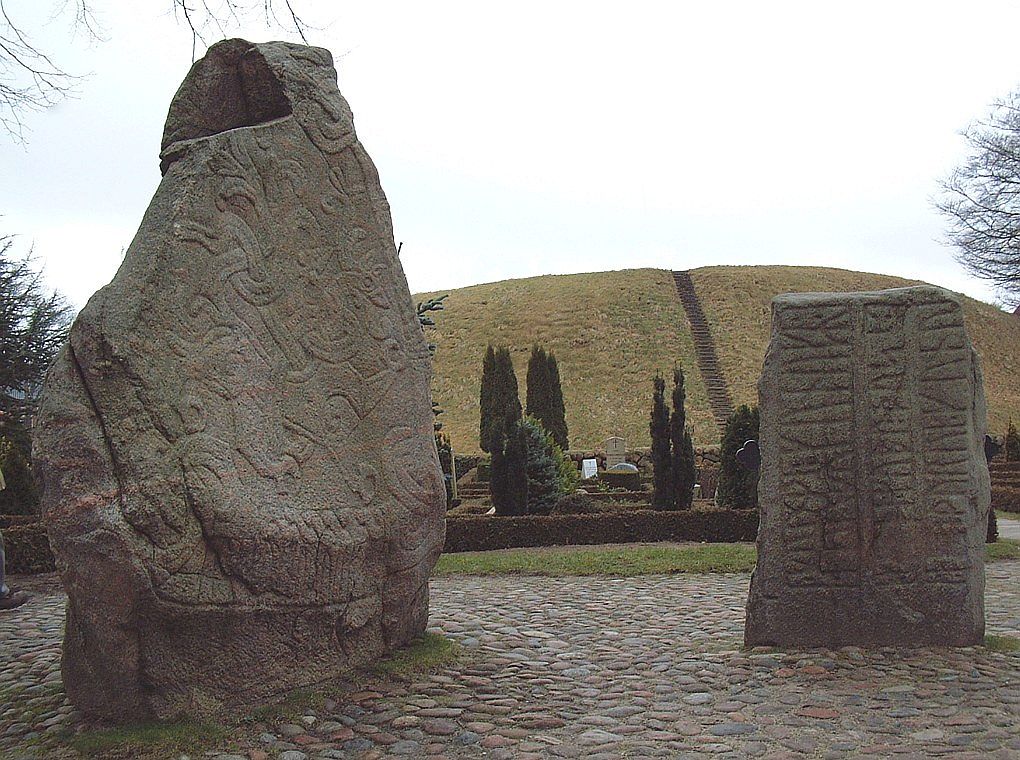
The Jelling stone ship is a remarkable archaeological feature located in Denmark, known for being the longest stone ship ever discovered. The remains lie beneath two significant royal burial mounds at Jelling, constructed during the early Post-Classical Period. The site includes a massive 354-meter-long stone ship, centered under the north mound, which was initially believed to be 170 meters long. King Harald Bluetooth played a pivotal role in the site's development; he erected the largest burial mound in Denmark over a Bronze Age barrow to honor his father, Gorm the Old. Adjacent to it, he constructed a higher, empty mound and placed two runestones, one of which commemorates both his parents. The site's chronology is further detailed by dendrochronological evidence, dating the north mound's construction to 958 CE, coinciding with Gorm's death, and the south mound's creation around 970 CE. The Jelling stone ship exemplifies the complex interplay of burial practices and monumentality in Viking Age Scandinavia.
Gallery
Explore photographs of ancient structures, artifacts, and archaeological excavations
Historical Timeline
Journey through time and discover key events in this site's history
Gorm the Old's burial
958 CE
Creation of south mound
970 CE
Archaeological Features
Unique architectural and cultural elements found at this historical site
Burial and Funerary Structures
Religious and Ritual Structures
Frequently Asked Questions
Plan Your Visit
Tours, travel arrangements, and practical information

More Sites in Denmark
Dankirke
Early Danish Iron Age settlement site

Trelleborg (Slagelse)
Circular Viking ring fortress with longhouses.
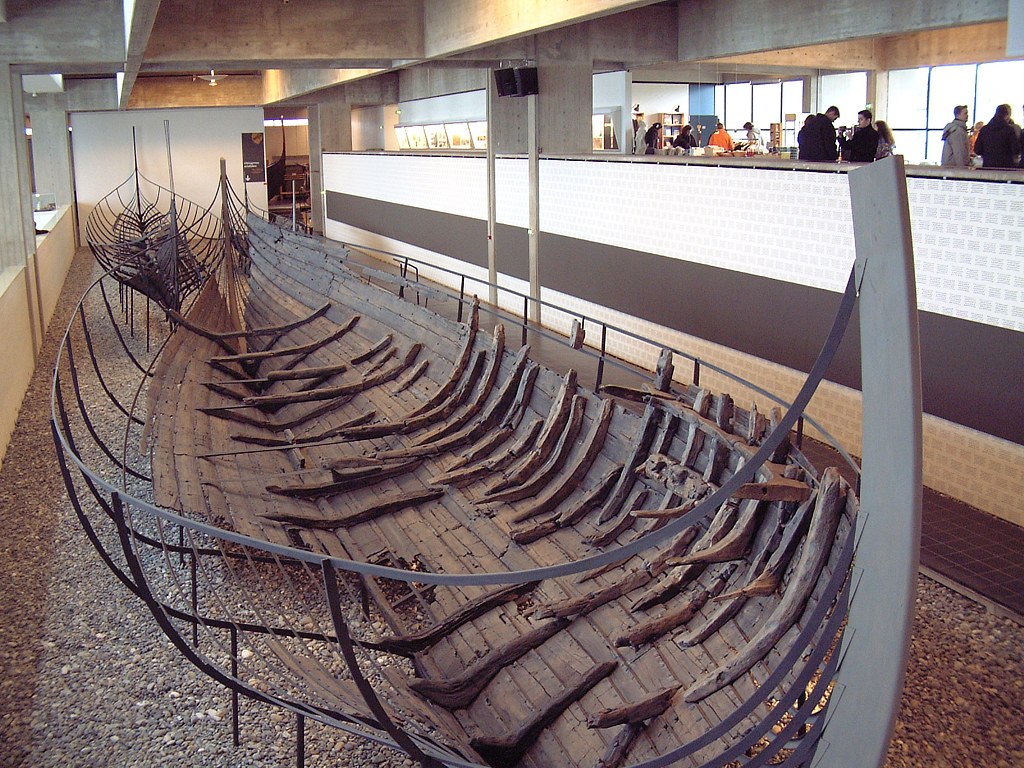
Skuldelev ships
Five Viking ships from 11th century
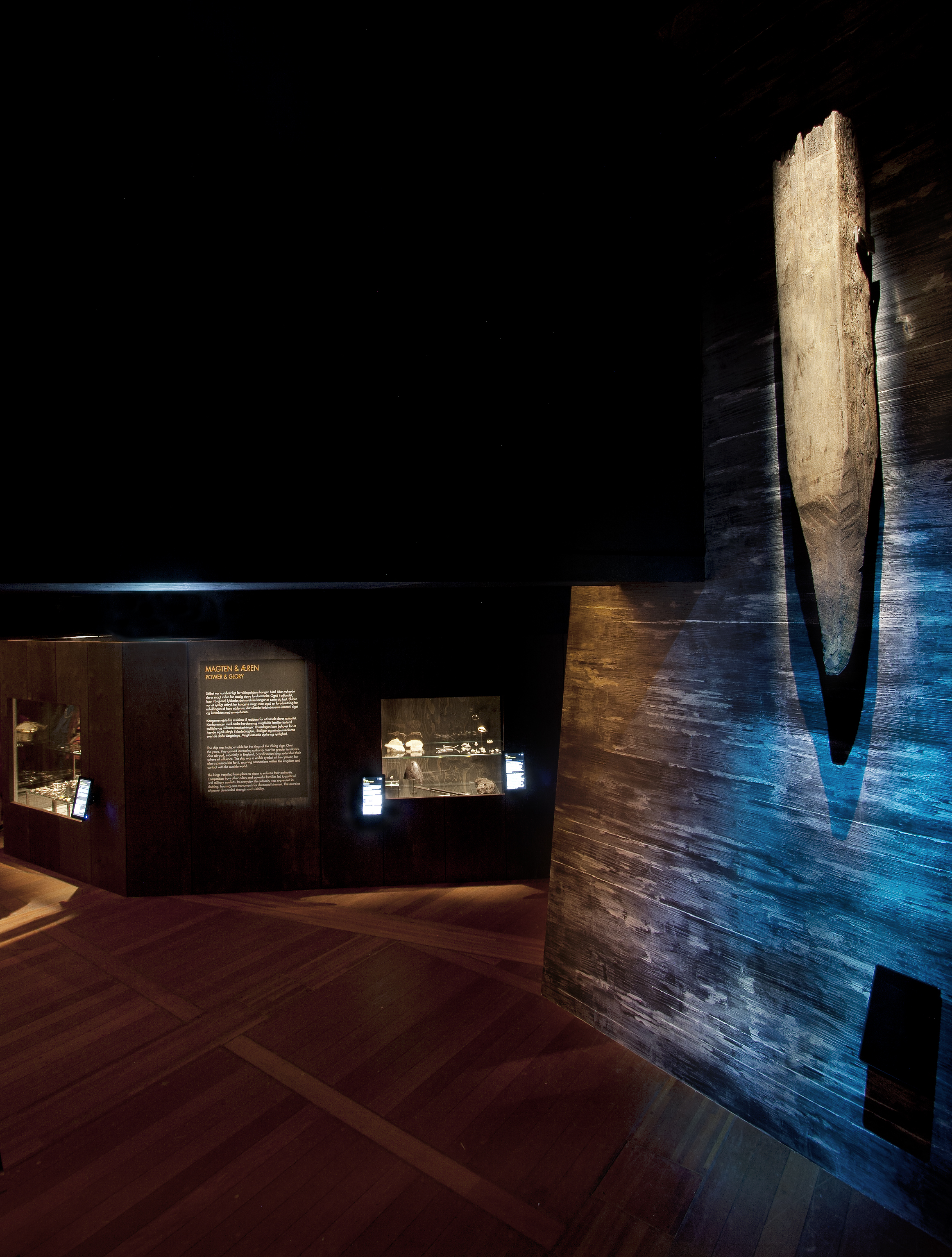
Ravning Bridge
10th-century Viking timber bridge in Denmark
Essenbæk Abbey
Benedictine monastery ruins in Djursland, Denmark
Borgring
Circular Viking fortress with rampart and gates.