Explore the Map
Handoga
11.0908° N, 42.2489° E
About
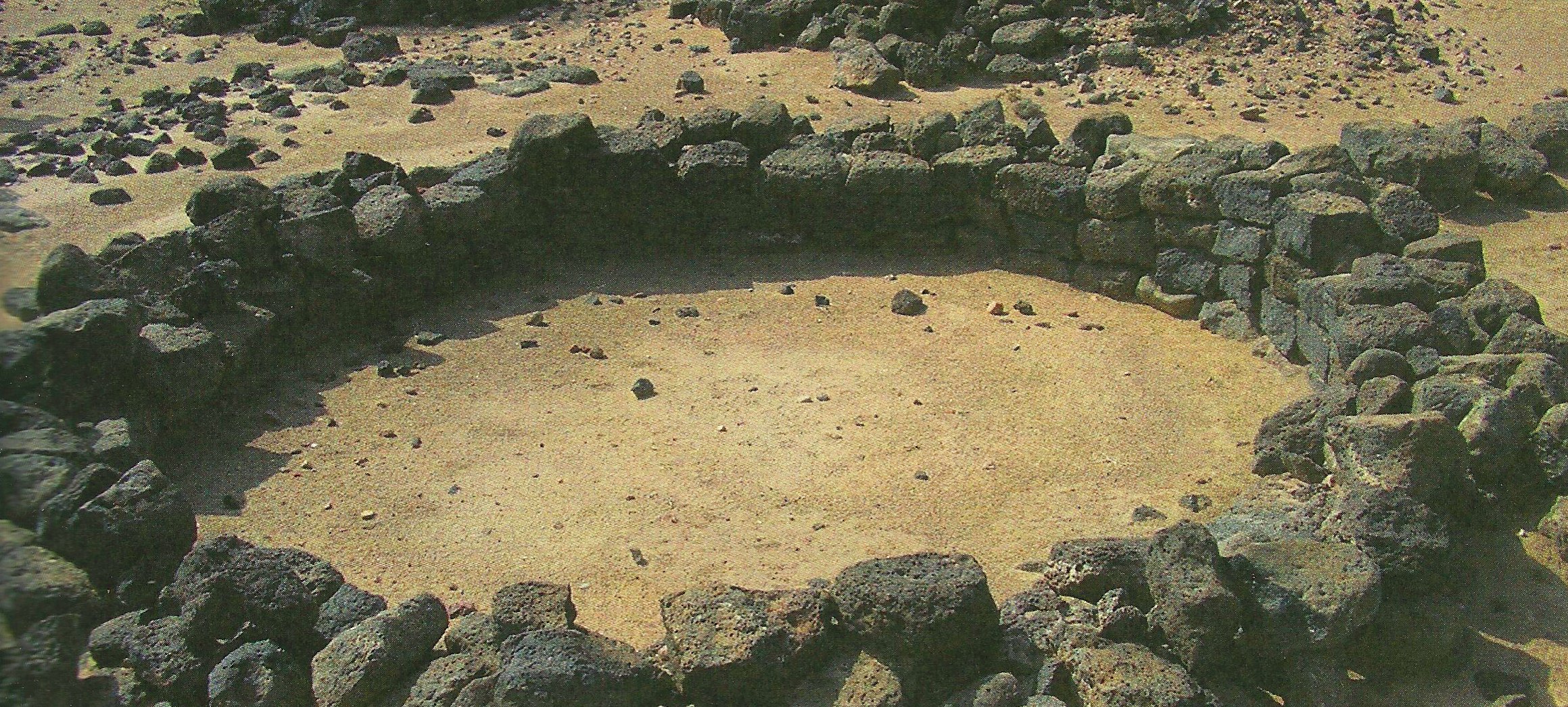
Handoga, located near Dikhil in Djibouti, is an archaeological site of significant historical importance. Initial excavations in 1970 revealed the foundations of stone houses and a notable stone edifice with a recess aligned towards Mecca. The site contains evidence of ancient habitation, including petroglyphs dating back to the fourth or third millennium BCE. Various artifacts unearthed at Handoga include ceramic shards, microliths, metal objects, and a unique Chinese coin. The site appears to have transitioned from nomadic to more permanent stone-based architectural techniques. A partially excavated oval house was interpreted as a foundry, yielding substantial iron and copper artifacts. Handoga offers valuable insights into pre-Islamic settlement patterns and material culture in the Horn of Africa.
Gallery
Explore photographs of ancient structures, artifacts, and archaeological excavations
Historical Timeline
Journey through time and discover key events in this site's history
Fourth to Third Millennium BCE Settlement
4000 BCE to 3000 BCE
Archaeological Features
Unique architectural and cultural elements found at this historical site
Storage Structures
Industrial and Craft Structures
Artistic and Decorative Features
Domestic and Habitation Structures
Frequently Asked Questions
Plan Your Visit
Tours, travel arrangements, and practical information