
Explore the Map
Ngwenya Mine
-26.1978° N, 31.0314° E
About
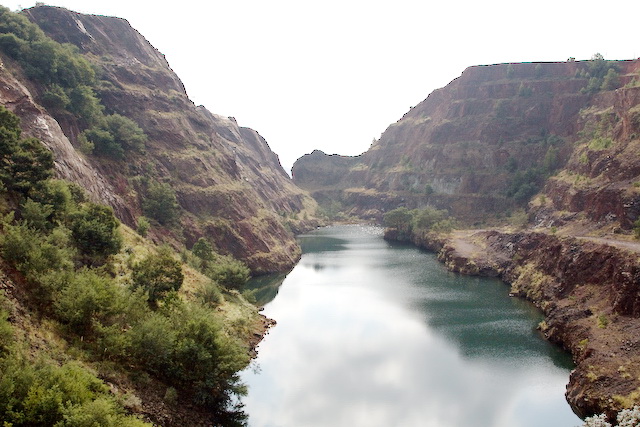
The Ngwenya Mine, located on Bomvu Ridge in Eswatini, is considered the oldest known mine in the world, with evidence of haematite extraction dating back to approximately 41,000 BCE. The mine has been significant through various phases, first for its deposits of red ochre used by the San people in rock art, and later for iron smelting by Bantu tribes around 400 CE. In the 20th century, commercial mining operations began under the Anglo-American Corporation and later by Salgaocar, which led to significant environmental and social impacts. Despite modern exploitation, the site holds great archaeological significance due to its long history of human usage and the insights it provides into prehistoric and historic mining and metalworking practices.
Gallery
Explore photographs of ancient structures, artifacts, and archaeological excavations
Historical Timeline
Journey through time and discover key events in this site's history
Red ochre extraction
41,000 BCE
Iron smelting by Bantu tribes
400 CE
Commercial iron ore mining begins
1964 CE
Salgaocar mining operations
2011 CE
Archaeological Features
Unique architectural and cultural elements found at this historical site
Industrial and Craft Structures
Artistic and Decorative Features
Frequently Asked Questions
Plan Your Visit
Tours, travel arrangements, and practical information