Time Periods
Paleolithic
Mesolithic
Neolithic
Chalcolithic
Bronze Age
Iron Age
Classical Period
Post-Classical Period
Early Modern Period
Industrial Period
Contemporary Period
Time Periods
Paleolithic
Mesolithic
Neolithic
Chalcolithic
Bronze Age
Iron Age
Classical Period
Post-Classical Period
Early Modern Period
Industrial Period
Contemporary Period
Location
About
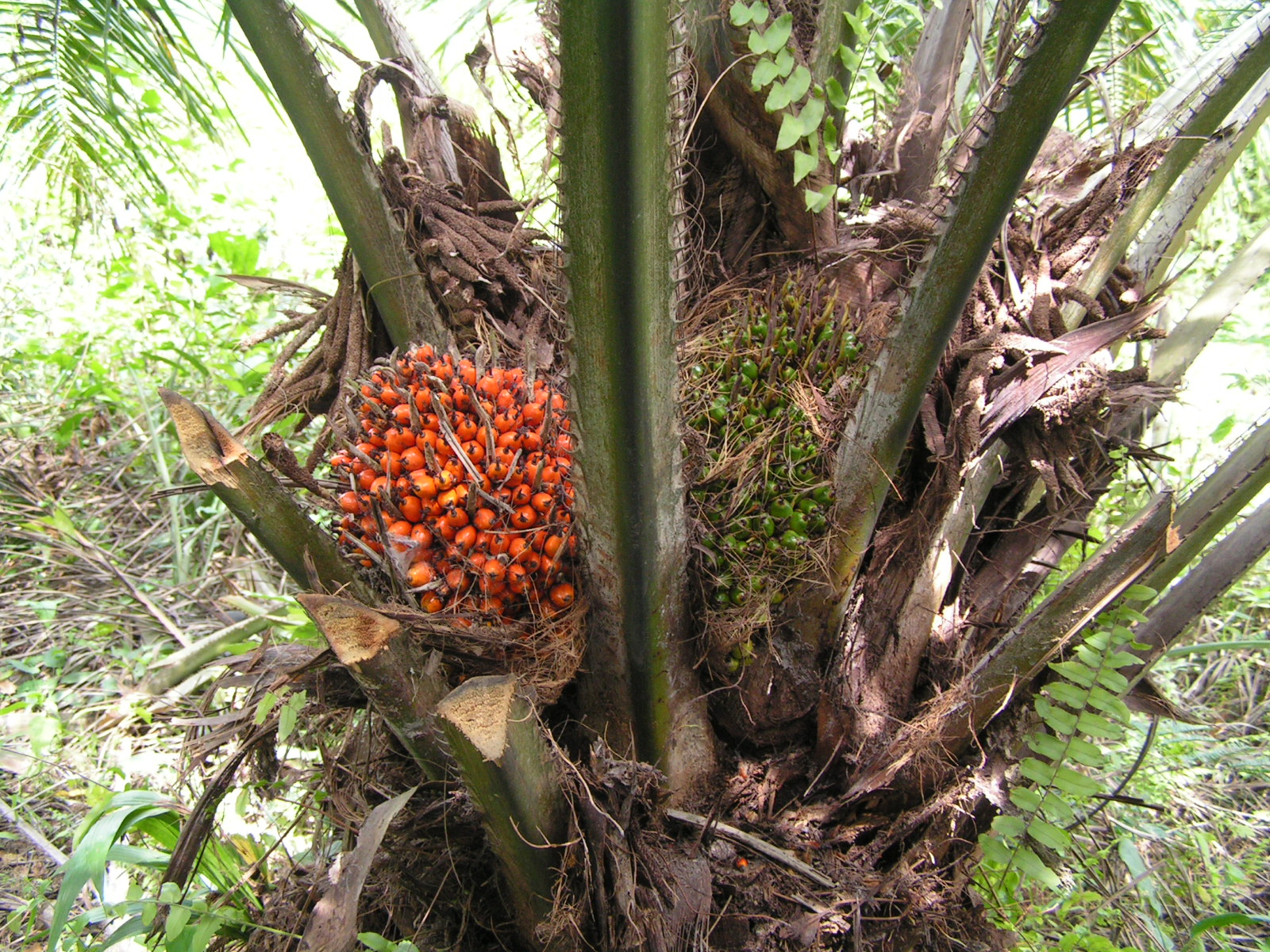
The Kintampo complex, existing between 2500 BCE and 1400 BCE, represents a significant transitional period in West Africa, where pastoralism evolved towards sedentism. Located primarily in the Bono East region of Ghana, eastern Ivory Coast, and Togo, this culture was established by Saharan agropastoralists, distinct from the earlier Punpun foragers. Archaeologically, the Kintampo complex is noted for its open-air villages, rock shelters, and sophisticated stone tools and structures. The presence of polished stone beads, figurines, and distinctive pottery styles underscores a society with complex social structures and artistic expression. The Kintampo people practiced early forms of agriculture, cultivating crops like pearl millet and oil palm, and engaged in animal husbandry. Their cultural legacy is marked by the early domestication of plants and animals, and the emergence of figurative art, offering critical insights into the prehistoric socio-economic transformations in West Africa.
Gallery
Explore photographs of ancient structures, artifacts, and archaeological excavations at Kintampo Complex


Archaeological Features
Explore the unique architectural and cultural elements found at this historical site
Storage Structures
Animal Husbandry Features
Artistic and Decorative Features
Domestic and Habitation Structures
Environmental and Natural Features
Historical Timeline
Journey through time and discover key events in this site's archaeological history
Plan Your Visit
Details
- Country
- Ghana
- Source
- Wikipedia