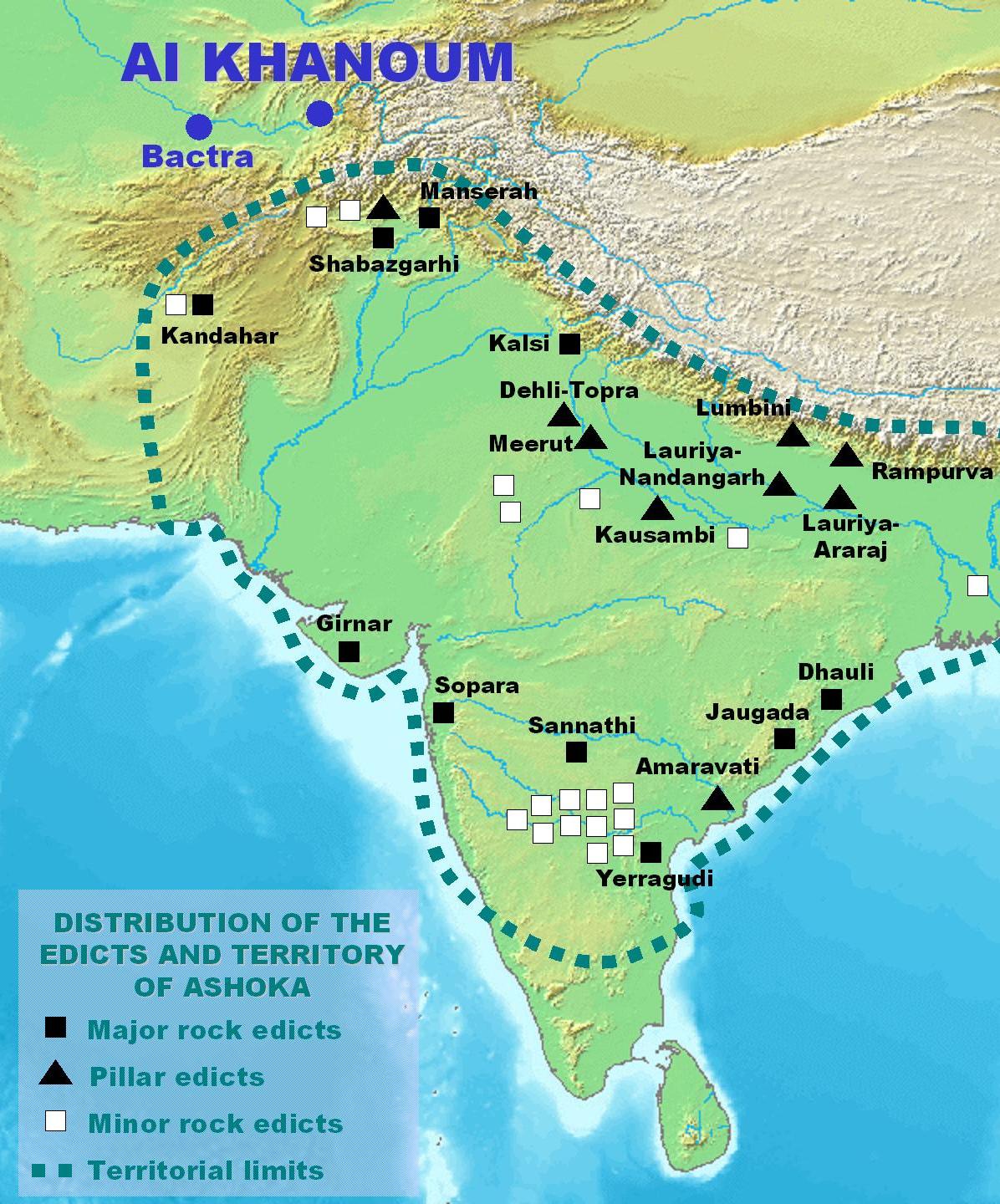
Explore the Map
Rock edicts of Khalsi
30.5180° N, 77.8482° E
About
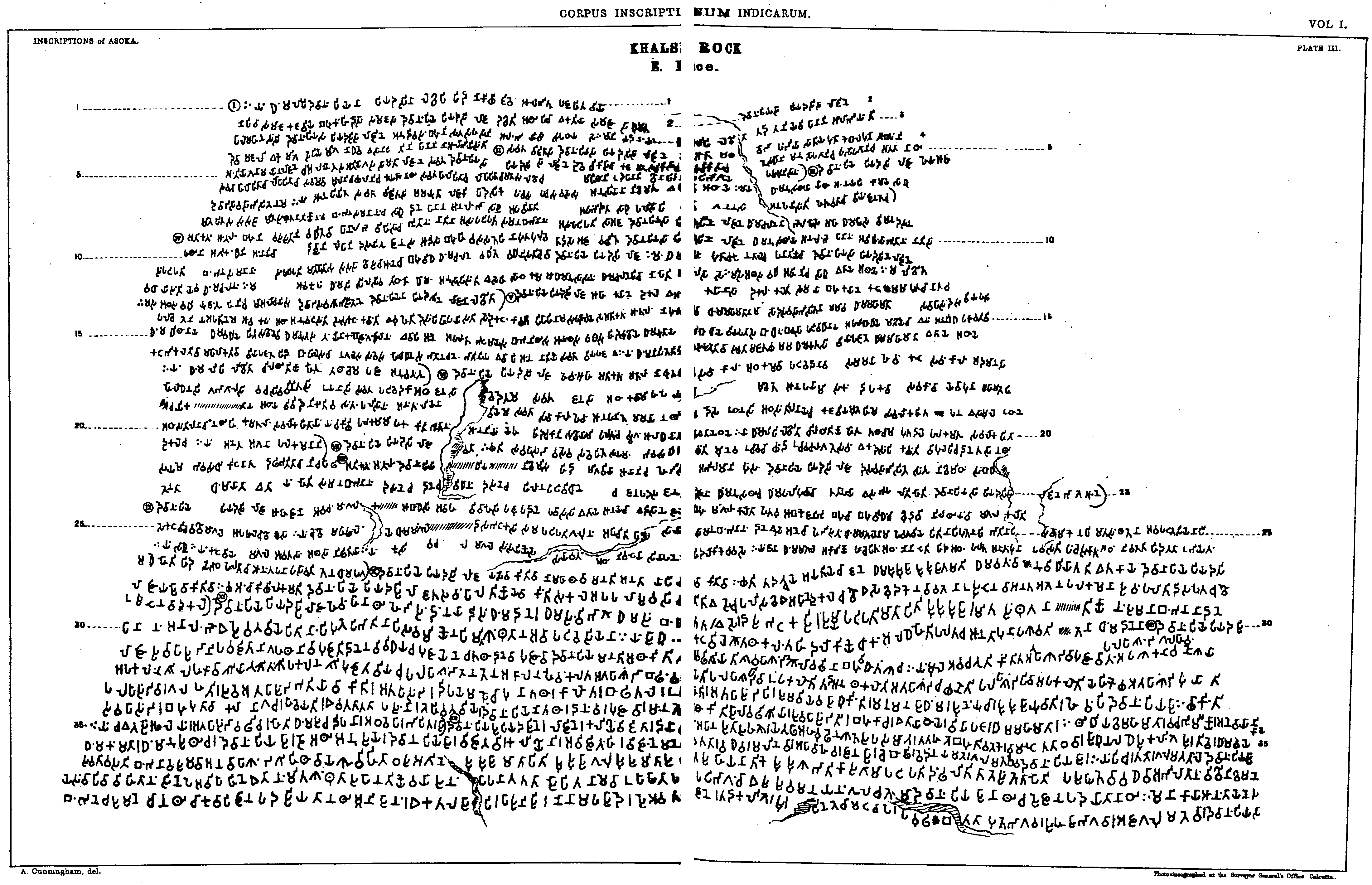
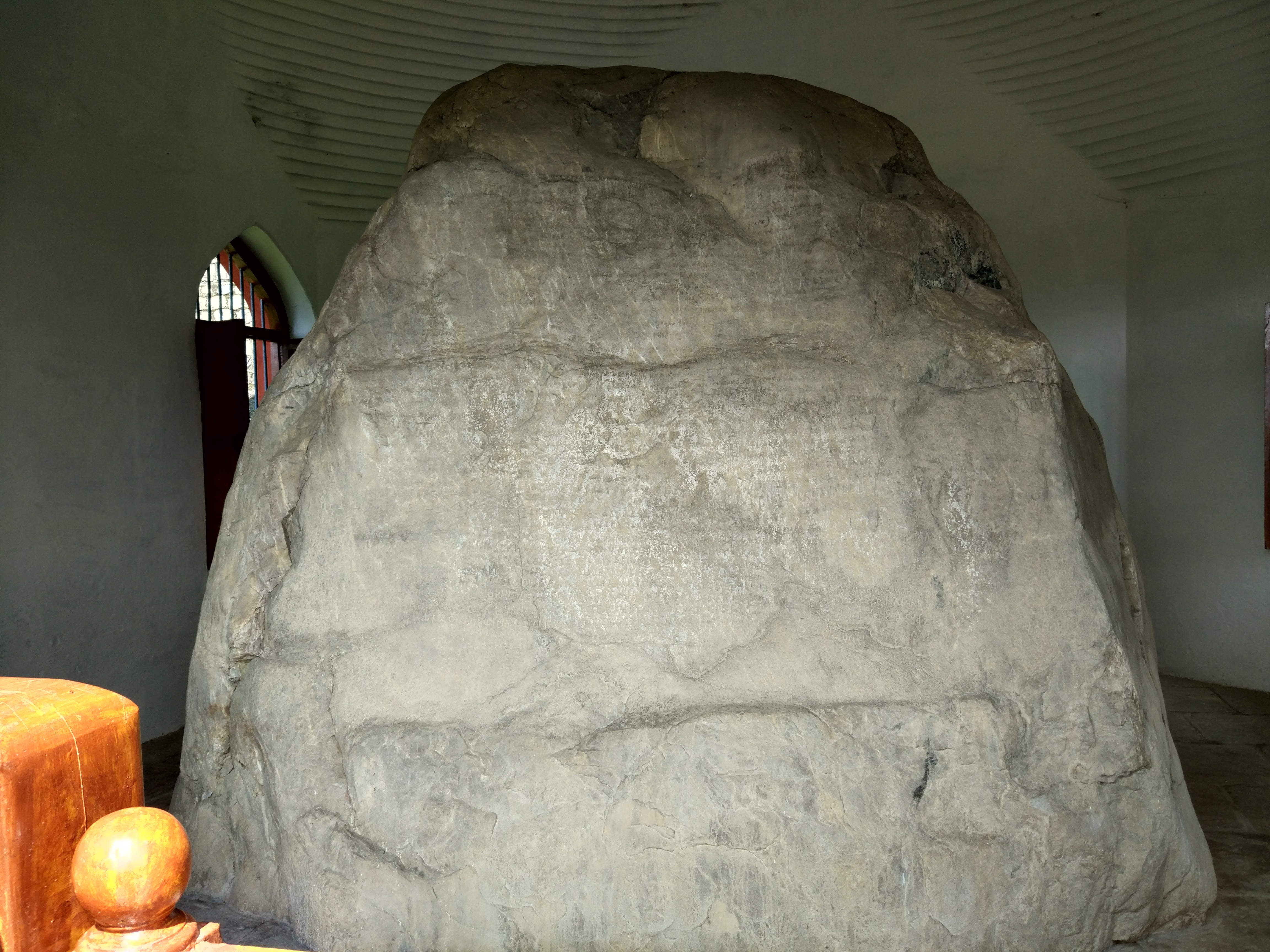
The Rock Edicts of Khalsi, crafted around 250 BCE by Emperor Ashoka, are a significant archaeological site in northern India. The inscriptions on a solid quartz rock are a part of Ashoka's Major Rock Edicts, featuring all edicts from 1 to 14. Notably, Edict 13 provides insights into Ashoka's understanding of the Hellenistic world, mentioning rulers such as Antiochos II and Ptolemy II. These inscriptions are written in Pali using the Brahmi script. The site exemplifies the spread and influence of Ashoka's moral and political philosophy, known as Dharma, which extended beyond the Indian subcontinent. The Khalsi inscriptions are pivotal for understanding the historical context of Ashoka's reign and his interaction with the contemporary Hellenistic world.
Gallery
Explore photographs of ancient structures, artifacts, and archaeological excavations
Historical Timeline
Journey through time and discover key events in this site's history
Inscription of Rock Edicts
250 BCE
Reign of Ashoka
260-230 BCE
Archaeological Features
Unique architectural and cultural elements found at this historical site
Artistic and Decorative Features
Frequently Asked Questions
Plan Your Visit
Tours, travel arrangements, and practical information
More Sites in India
Devankuruchi
Megalithic habitation site and medieval temple, Tamil Nadu
Kupgal petroglyphs
Neolithic petroglyphs and rock gongs, Karnataka, India
Mallikarjuna Temple, Srisailam
Hindu temple complex in Andhra Pradesh, India
Dihar
Chalcolithic village site and twin temples, West Bengal
Bulandi Bagh
Mauryan palatial remains, Pataliputra (Patna, India)
Keezhadi excavation site
Sangam-period settlement in Tamil Nadu, 6th–3rd century BCE