
Explore the Map
Bakr Awa
35.2206° N, 45.9406° E
About
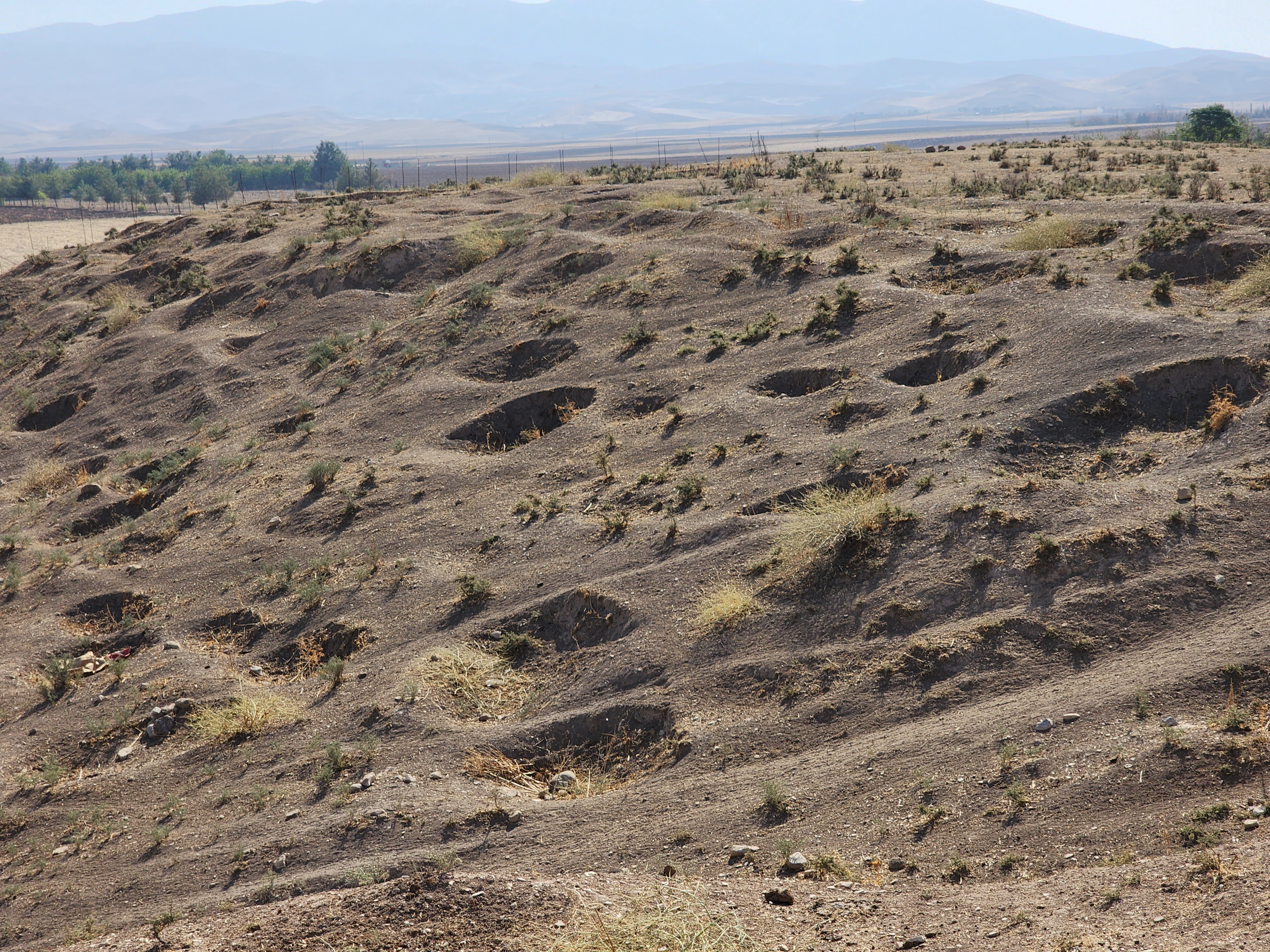
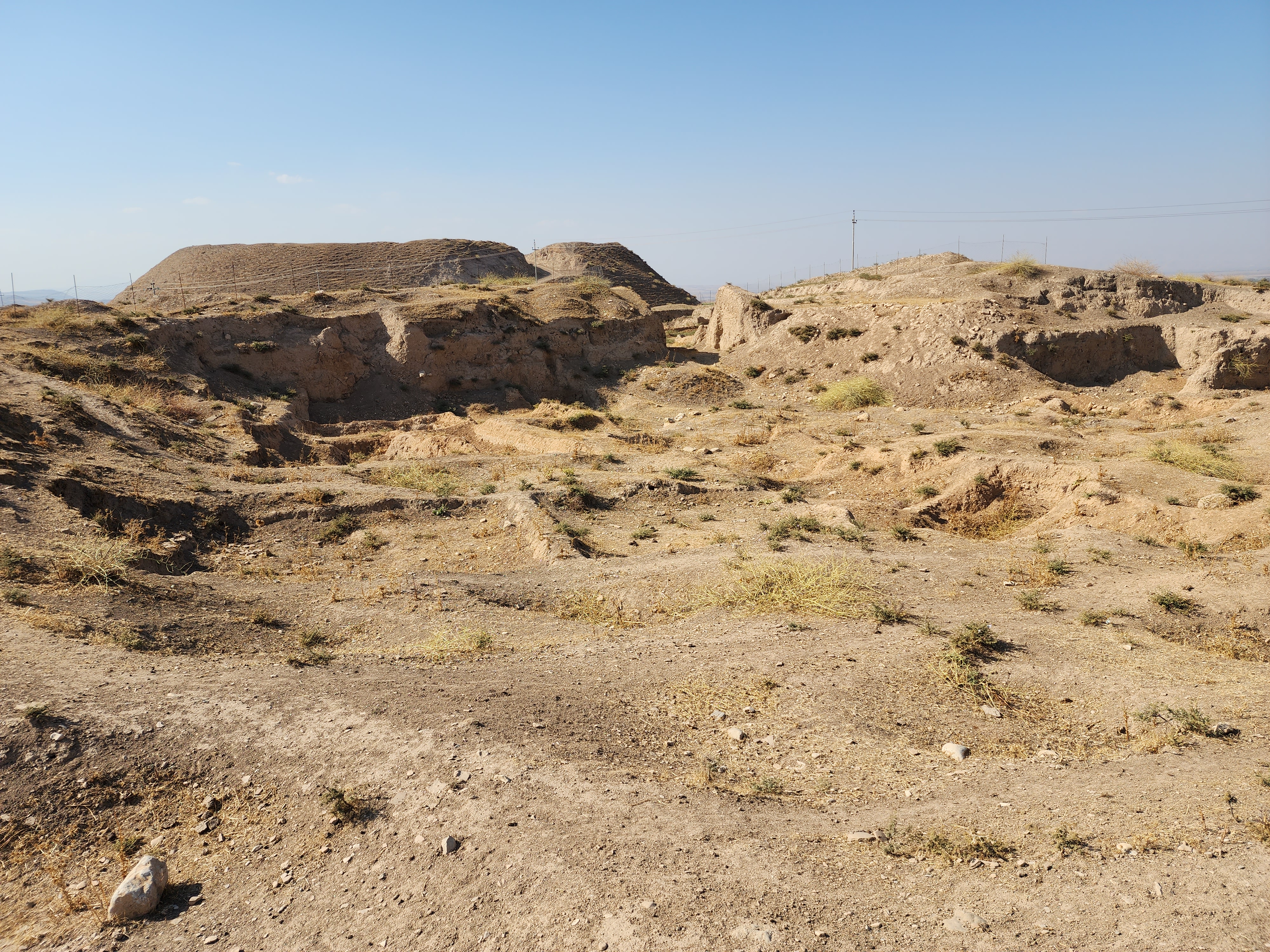
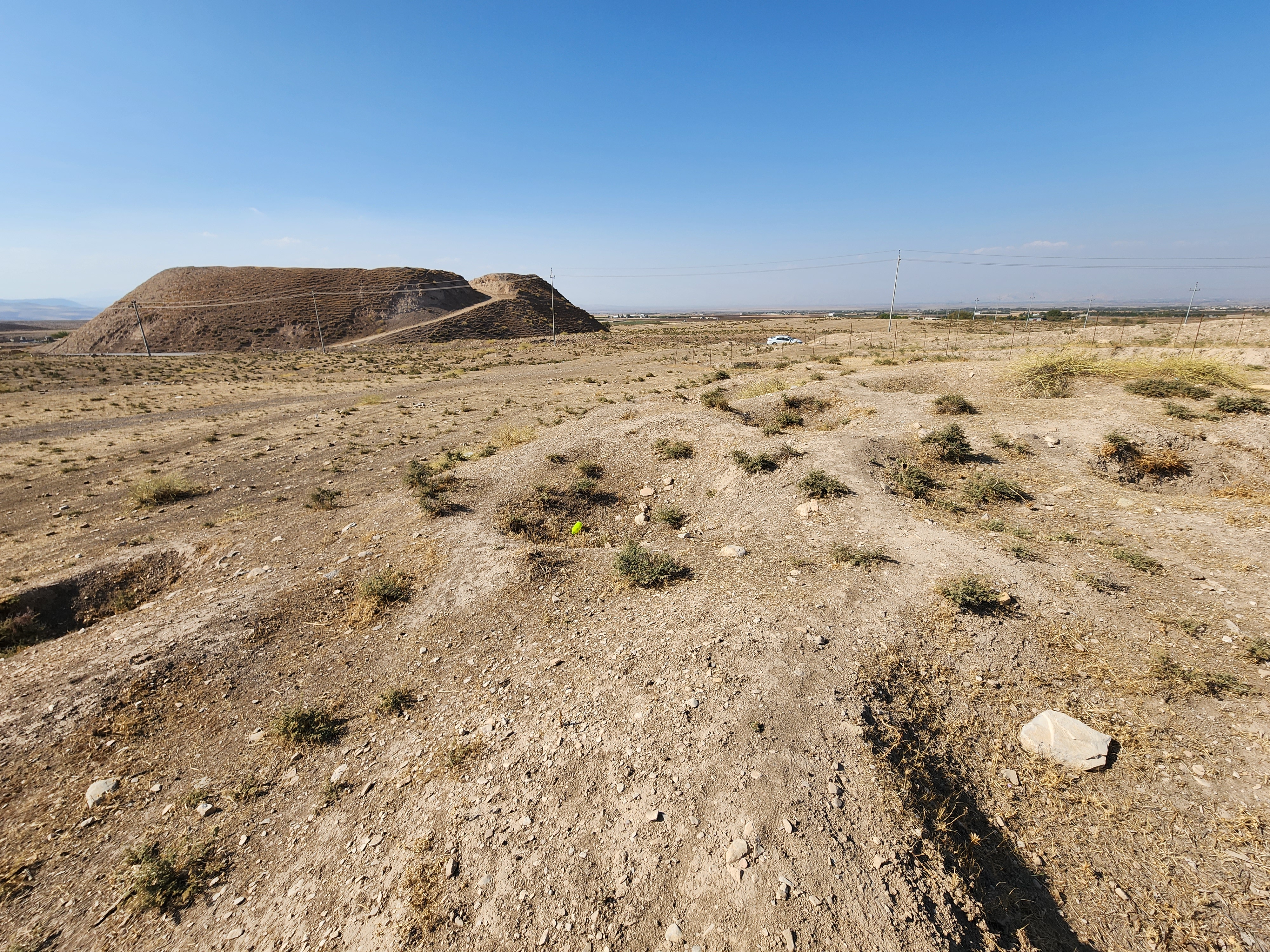
Bakr Awa is a significant archaeological tell located in the foothills of the Zagros Mountains in Iraqi Kurdistan. The site, characterized by a central settlement mound and surrounding lower city, provides a rich tapestry of human occupation from the Middle Bronze Age through to the Islamic period. Excavations have revealed diverse structures, including a large mudbrick residential building with a courtyard dating back to approximately 2000 BCE. Bakr Awa's history includes phases of Neo-Assyrian occupation as part of the province Zamua and evidence of later Islamic period activity. Notably, the site has yielded a collection of cuneiform tablets, hinting at its administrative and cultural significance, although many were found in disturbed contexts. The tell continues to be an important subject for archaeological research, shedding light on regional dynamics in ancient Mesopotamia.
Gallery
Explore photographs of ancient structures, artifacts, and archaeological excavations
Historical Timeline
Journey through time and discover key events in this site's history
Middle Bronze Age settlement
c. 2000 BCE
Neo-Assyrian occupation
9th century BCE
Islamic period construction and spoils
9th century CE to 19th century CE
Archaeological Features
Unique architectural and cultural elements found at this historical site
Burial and Funerary Structures
Artistic and Decorative Features
Domestic and Habitation Structures
Frequently Asked Questions
Plan Your Visit
Tours, travel arrangements, and practical information
More Sites in Iraq
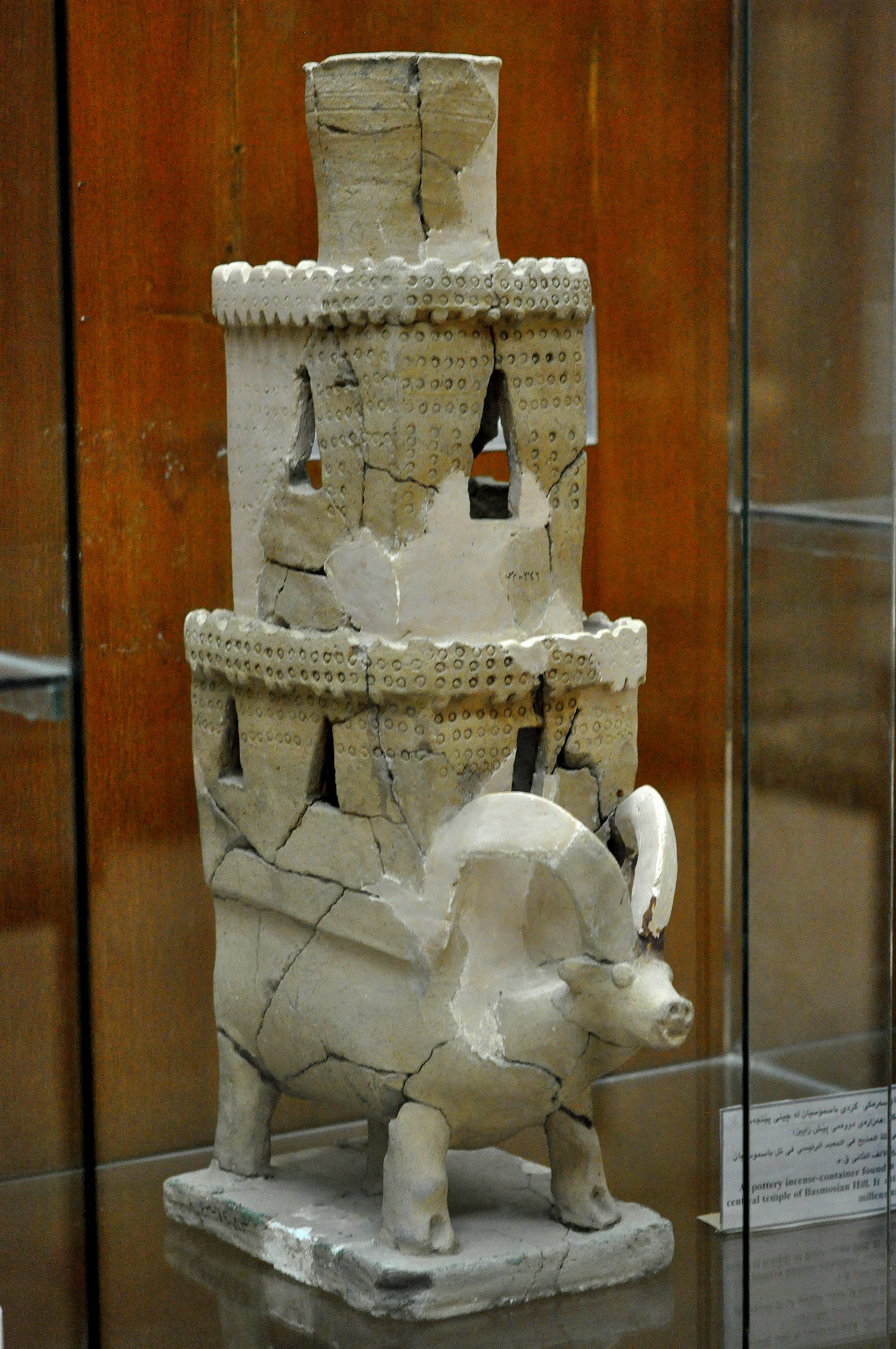
Tell Bazmusian
Large tell site with multi-period occupation.
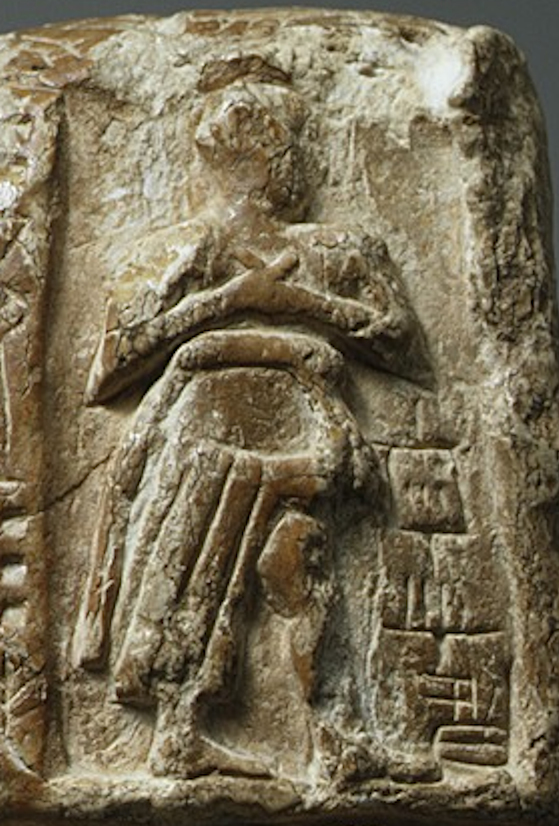
Larsa
Sumerian city-state and temple complex, Isin–Larsa period
Tarbisu
Ancient Assyrian city with palaces and temples
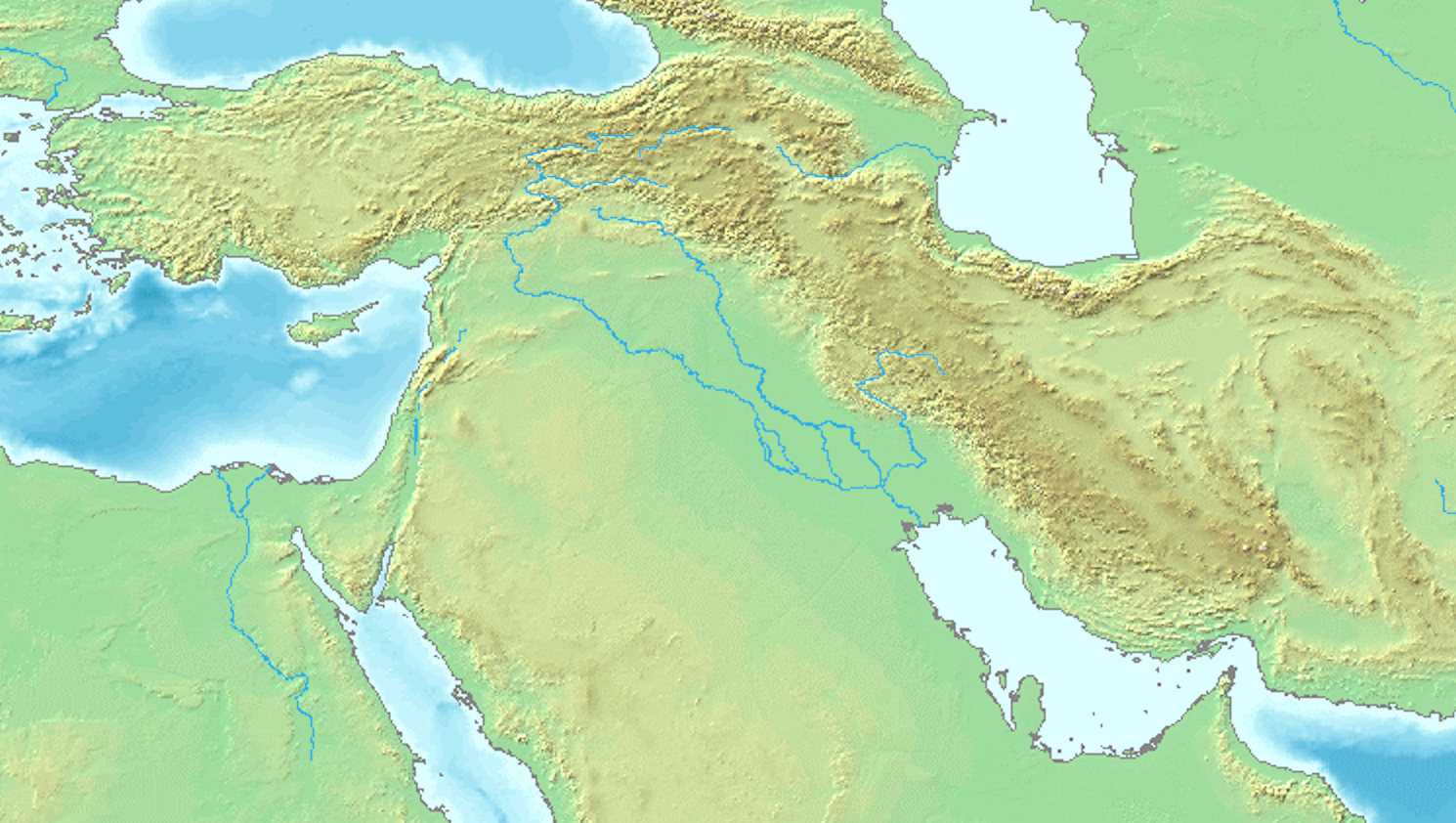
Tell al-Fakhar
Pottery mound with multi-period occupation.
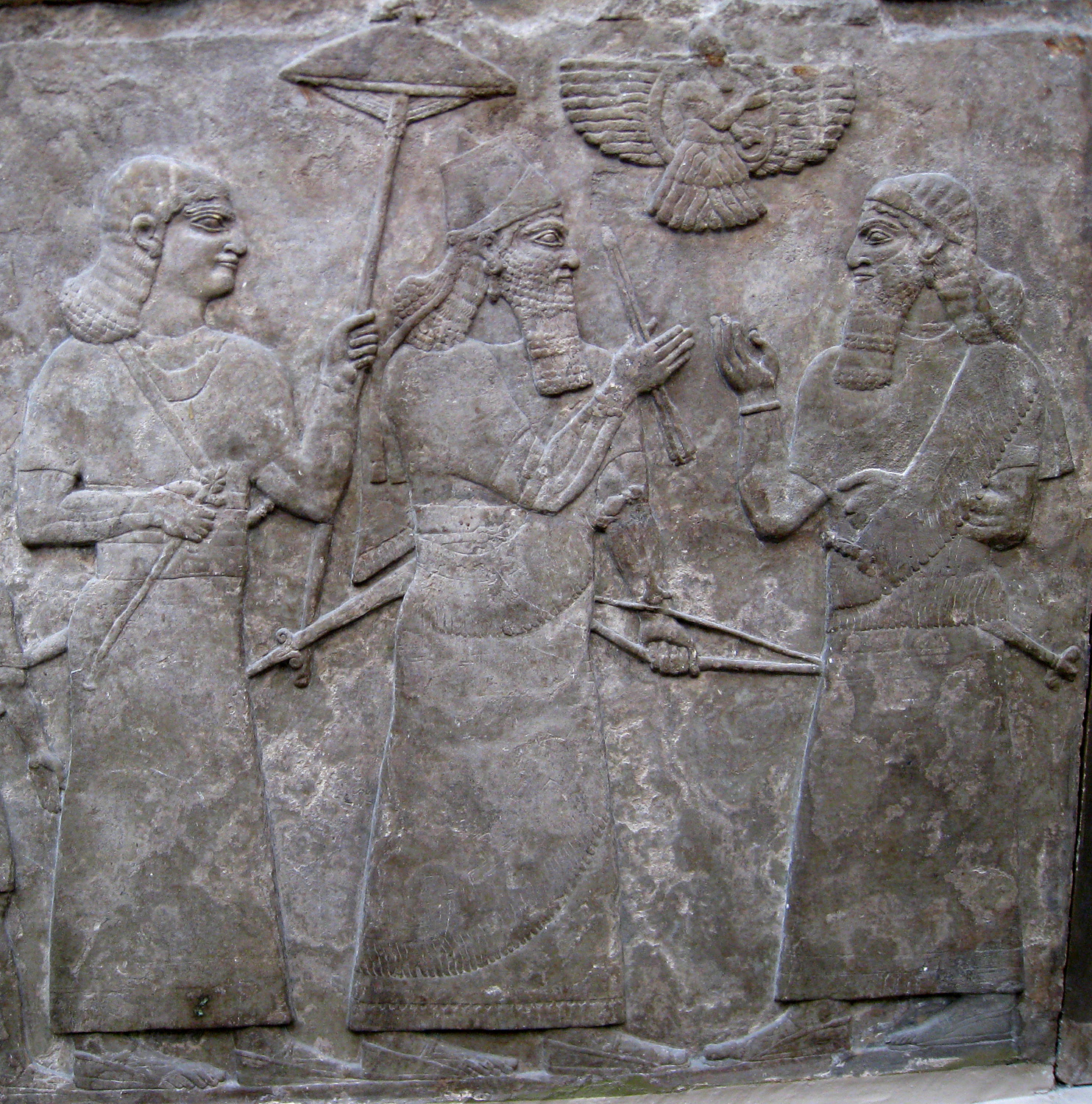
Assur
Ancient Assyrian city on the Tigris River
Tell Yelkhi
Oval mound with Kassite and earlier remains.