Explore the Map
Tam Pa Ling Cave
20.2086° N, 103.4097° E
About
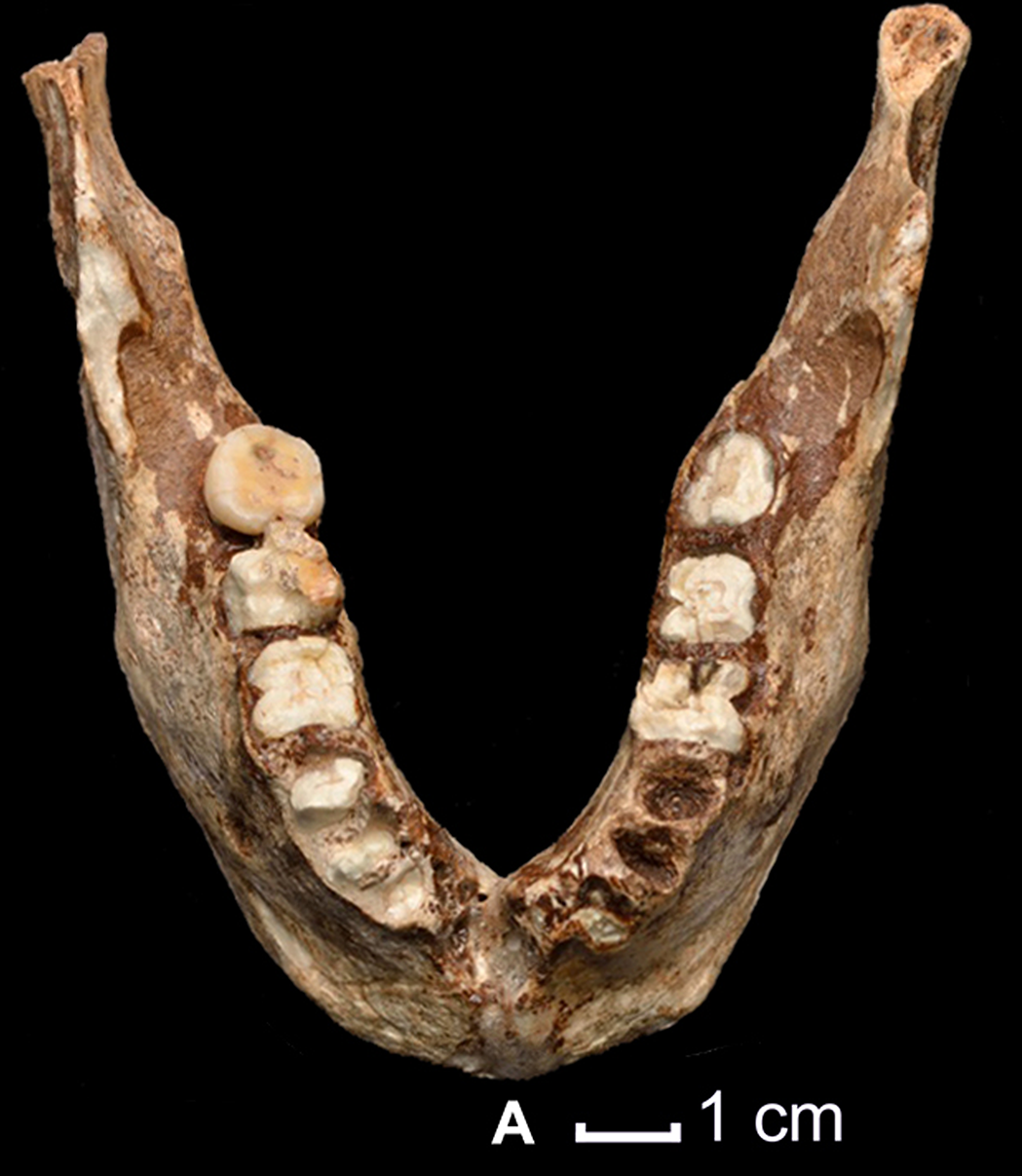
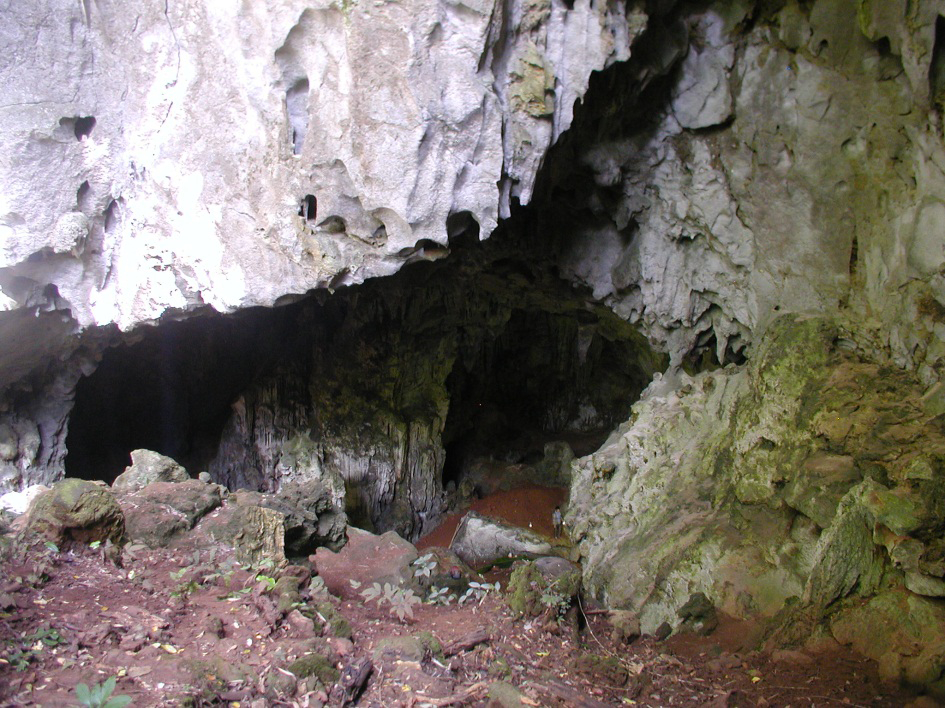
Tam Pa Ling, situated in the Annamite Mountains of Laos, is a significant archaeological site primarily known for its karst cave that housed hominin fossils. These fossils include a skull and mandibles with a mix of modern and archaic traits, dating back to approximately 70,000 to 46,000 years ago. The site provides crucial evidence for the presence and migration patterns of anatomically modern humans in Southeast Asia during the Upper Paleolithic period. The fossils, characterized by distinct features, fill a critical gap in the regional fossil record and challenge previous theories of human migration, suggesting pathways that included river valleys rather than just coastal routes. This discovery has reshaped our understanding of early human dispersal through Asia.
Gallery
Explore photographs of ancient structures, artifacts, and archaeological excavations
Historical Timeline
Journey through time and discover key events in this site's history
Mixed modern and archaic traits found
46,000 years BP
Presence of anatomically modern human
60,000 years BP
Archaeological Features
Unique architectural and cultural elements found at this historical site
Domestic and Habitation Structures
Frequently Asked Questions
Plan Your Visit
Tours, travel arrangements, and practical information