Explore the Map
Ambohimanga
-18.7592° N, 47.5628° E
About
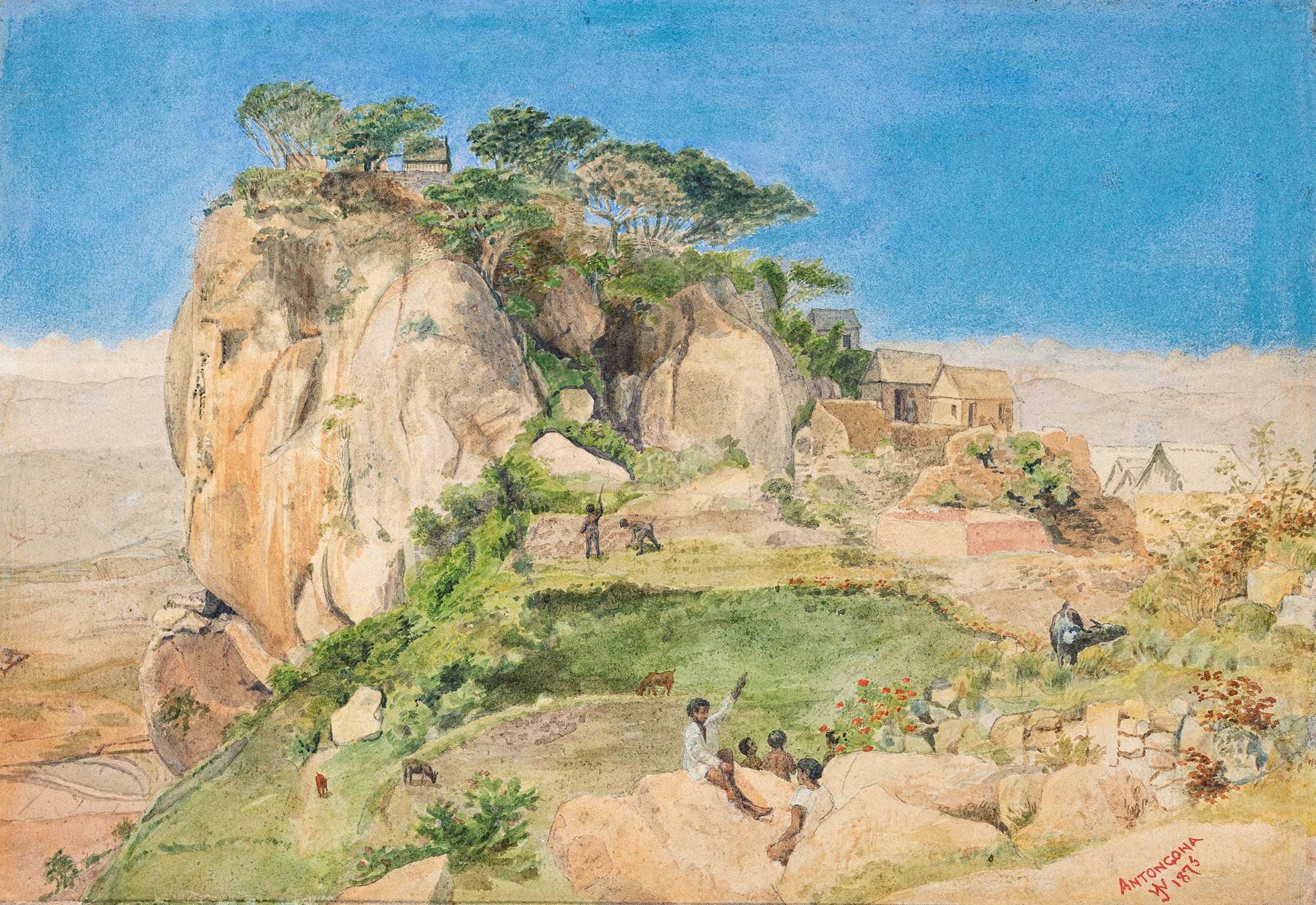
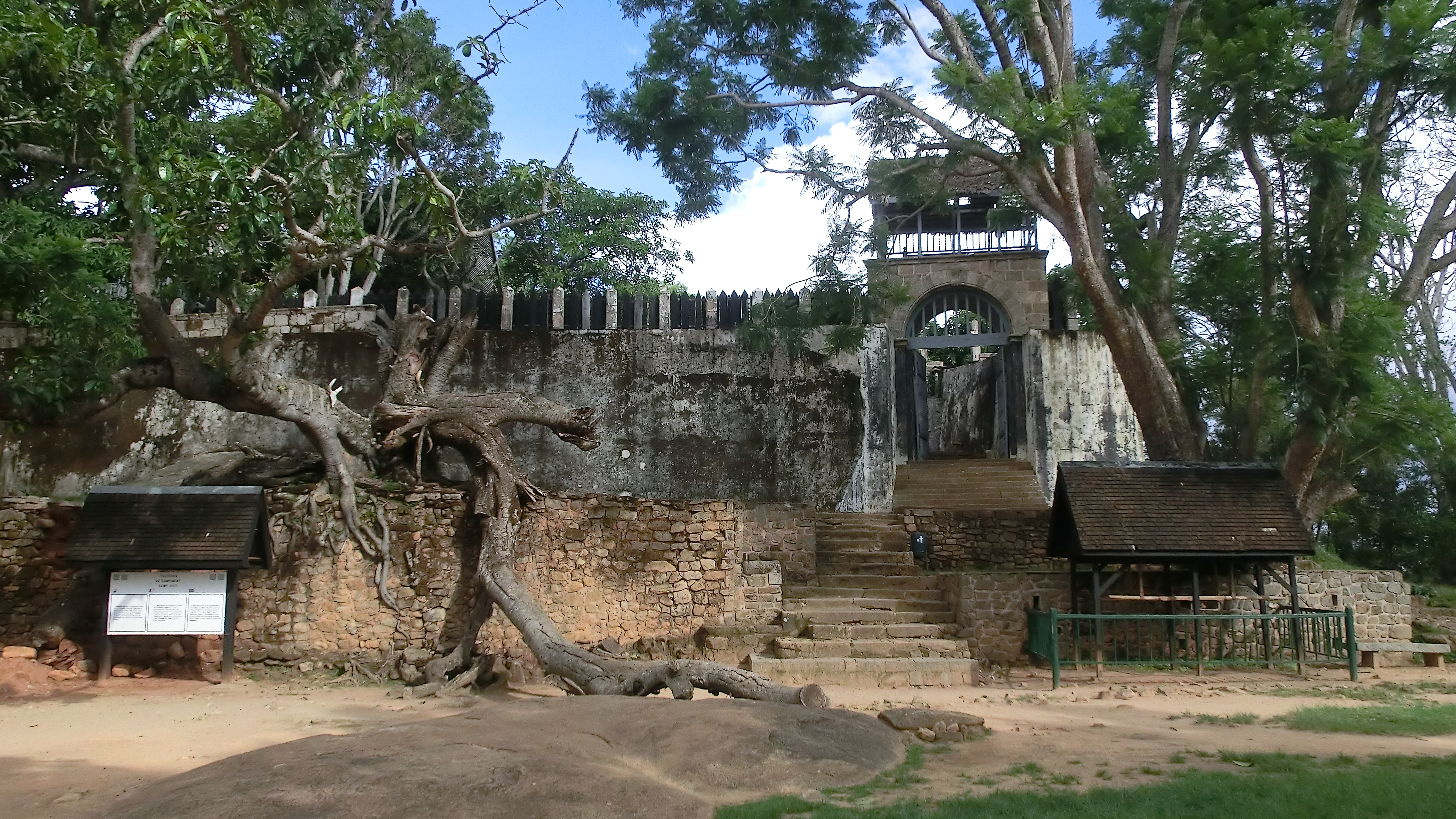
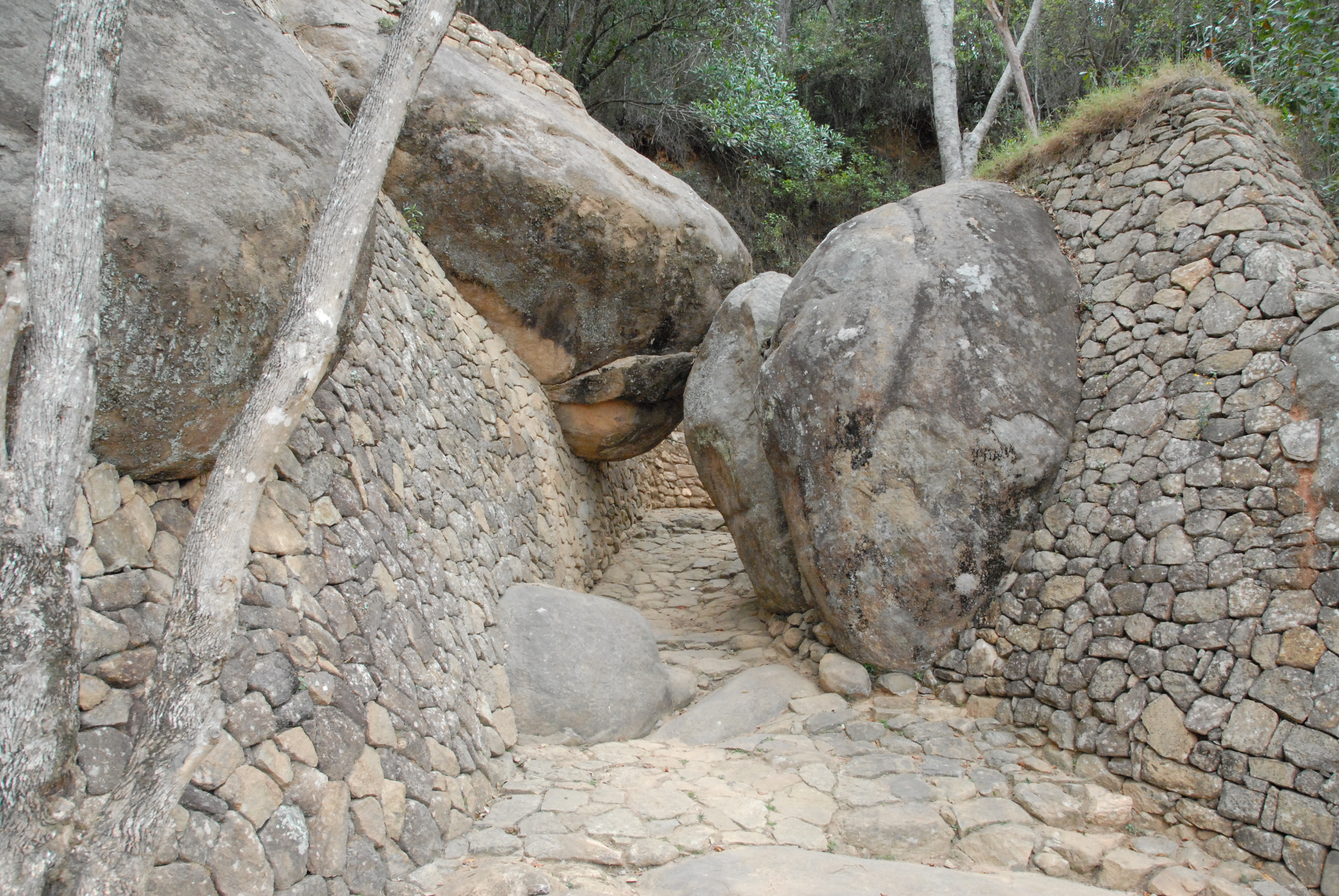
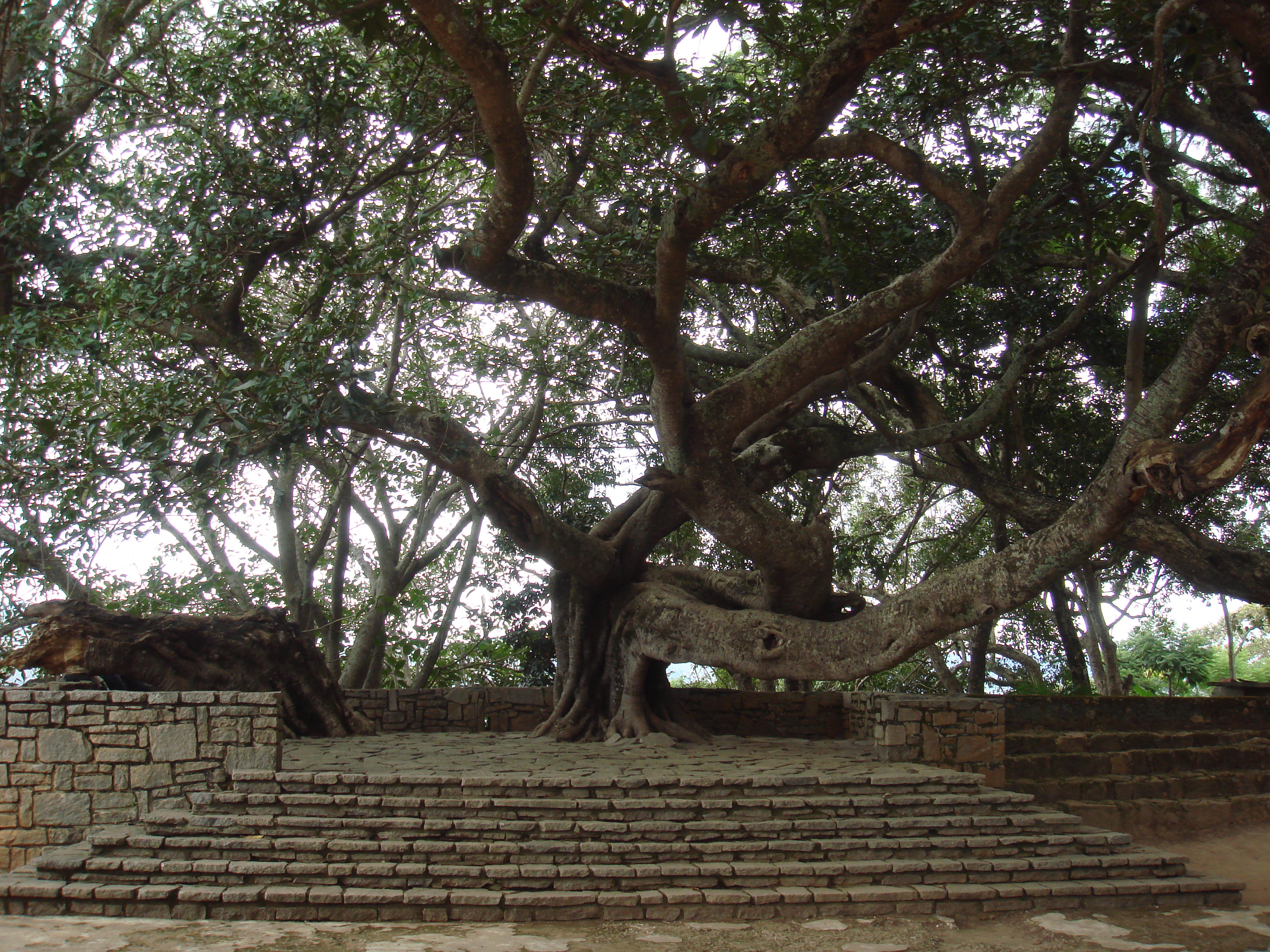
Ambohimanga is a historically significant fortified royal settlement located on a hill in Madagascar, recognized as a symbol of Merina cultural identity. The site encompasses a complex of defensive structures such as walls and trenches, alongside royal residences and sacred burial sites dating back to the Vazimba, the island's earliest settlers from the 3rd century BCE. By the 15th century, the Merina people had established themselves in the area, which became politically prominent in the 18th century under King Andriamasinavalona. The site remained a spiritual center even after the French colonial administration exiled the royal family in 1897. Designated a UNESCO World Heritage Site, Ambohimanga remains a place of pilgrimage and national pride, reflecting a blend of traditional Merina and European architectural influences.
Gallery
Explore photographs of ancient structures, artifacts, and archaeological excavations
Historical Timeline
Journey through time and discover key events in this site's history
Vazimba settlement
200 BCE
Merina migration
15th century CE
Andriamasinavalona's governance
1710 CE
Andrianampoinimerina's reign
1793 CE
French colonization
1897 CE
Archaeological Features
Unique architectural and cultural elements found at this historical site
Defensive Structures
Water Management Features
Burial and Funerary Structures
Religious and Ritual Structures
Agricultural and Land Use Features
Domestic and Habitation Structures
Environmental and Natural Features
Transportation and Communication Structures
Frequently Asked Questions
Plan Your Visit
Tours, travel arrangements, and practical information