Time Periods
Paleolithic
Mesolithic
Neolithic
Chalcolithic
Bronze Age
Iron Age
Classical Period
Post-Classical Period
Early Modern Period
Industrial Period
Contemporary Period
Time Periods
Paleolithic
Mesolithic
Neolithic
Chalcolithic
Bronze Age
Iron Age
Classical Period
Post-Classical Period
Early Modern Period
Industrial Period
Contemporary Period
Location
About
The archaeological site of Dia in Mali, situated at the western edge of the Inland Niger Delta, is a significant historical location, providing insights into early urbanization in West Africa. The Dia complex consists of three major mounds, each representing different phases of habitation and abandonment. Dia-Shoma, dating back to the 9th century BCE, is the oldest and largest mound. The site played a crucial role in the trans-Saharan trade due to its strategic location and rich resources, including local cotton production. Artifacts such as spindle whorls, glass beads, and ceramics suggest a vibrant, interconnected community engaged in local craft traditions and long-distance trade. Despite its complex occupation history involving multiple ethnic groups, Dia's material culture remained stable over centuries, reflecting a unique blend of cultural influences and interactions.
Gallery
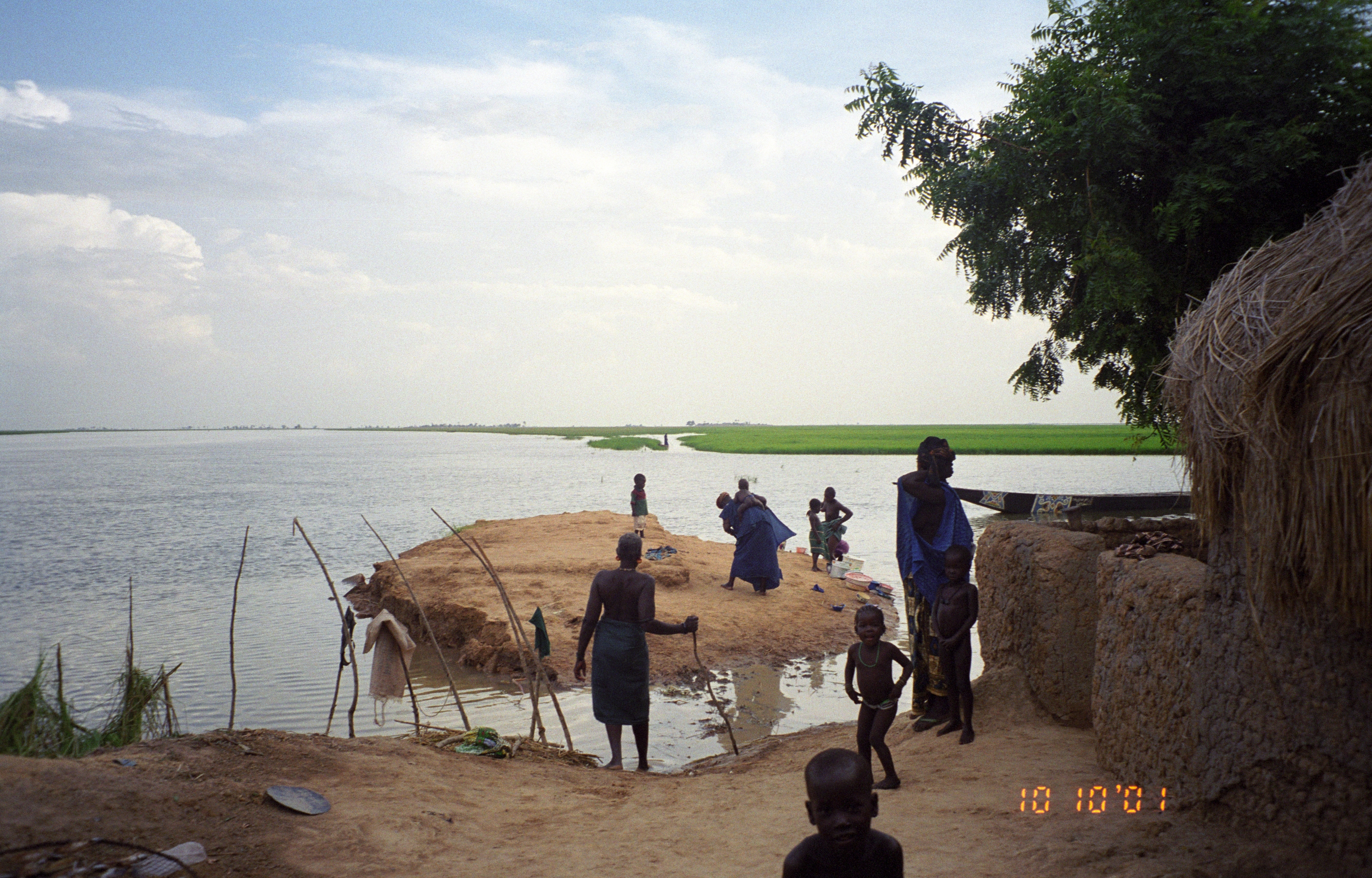
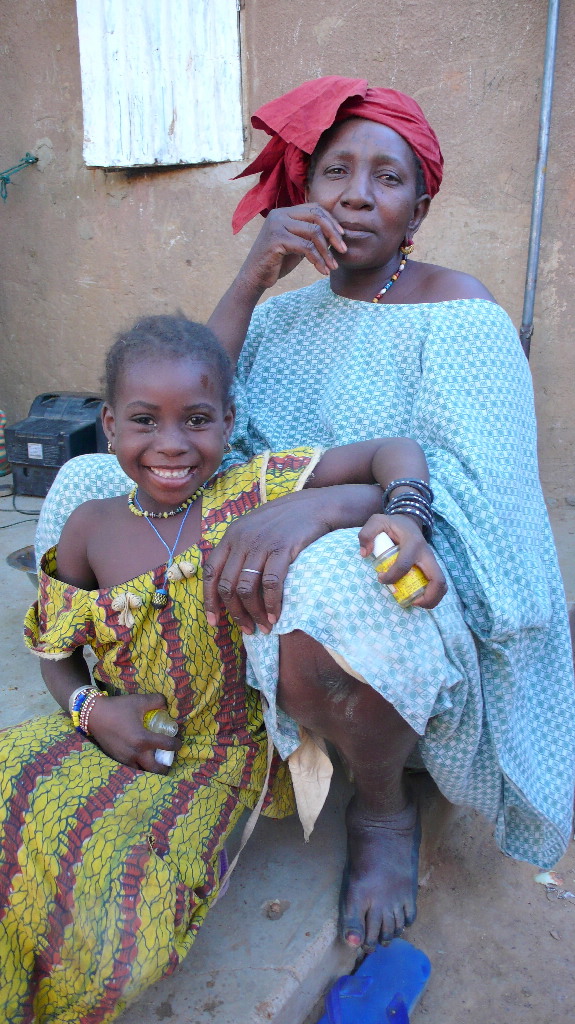
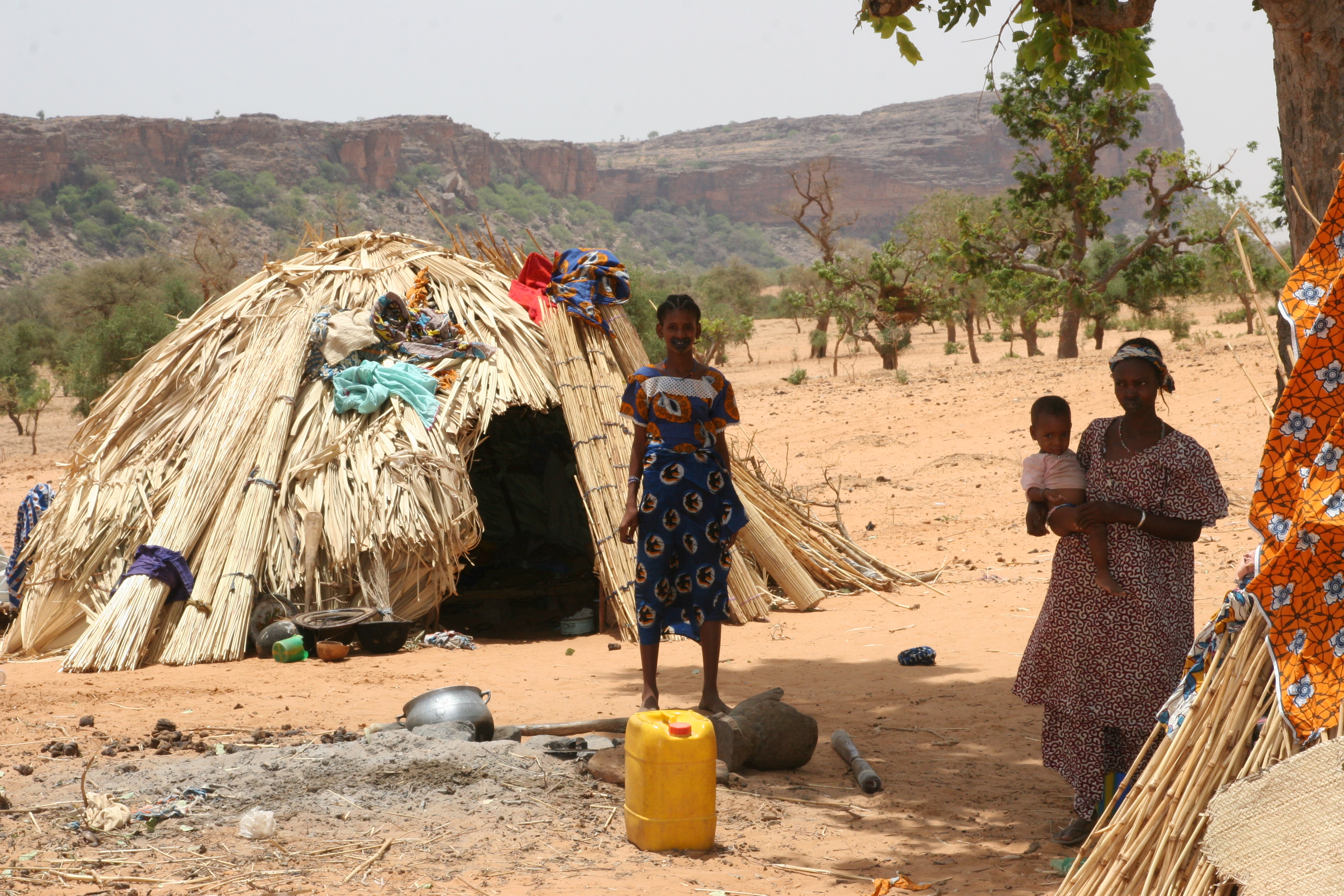
Explore photographs of ancient structures, artifacts, and archaeological excavations at Dia, Mali
Archaeological Features
Explore the unique architectural and cultural elements found at this historical site
Miscellaneous Features
Burial and Funerary Structures
Domestic and Habitation Structures
Historical Timeline
Journey through time and discover key events in this site's archaeological history
Plan Your Visit
Details
- Country
- Mali
- Source
- Wikipedia
More Sites in Mali
Kukiya, Mali
Ancient city on Niger River island
Ounjougou
Complex archaeological site with early pottery
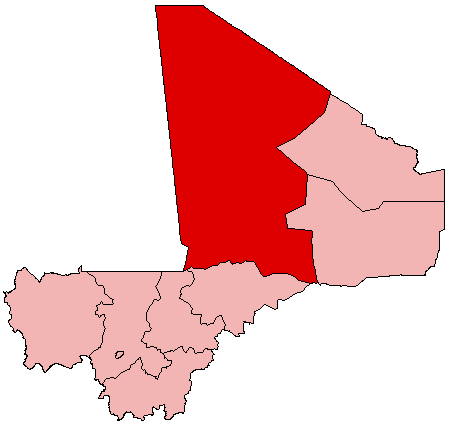
Tissalaten
Ancient West African tumuli site.
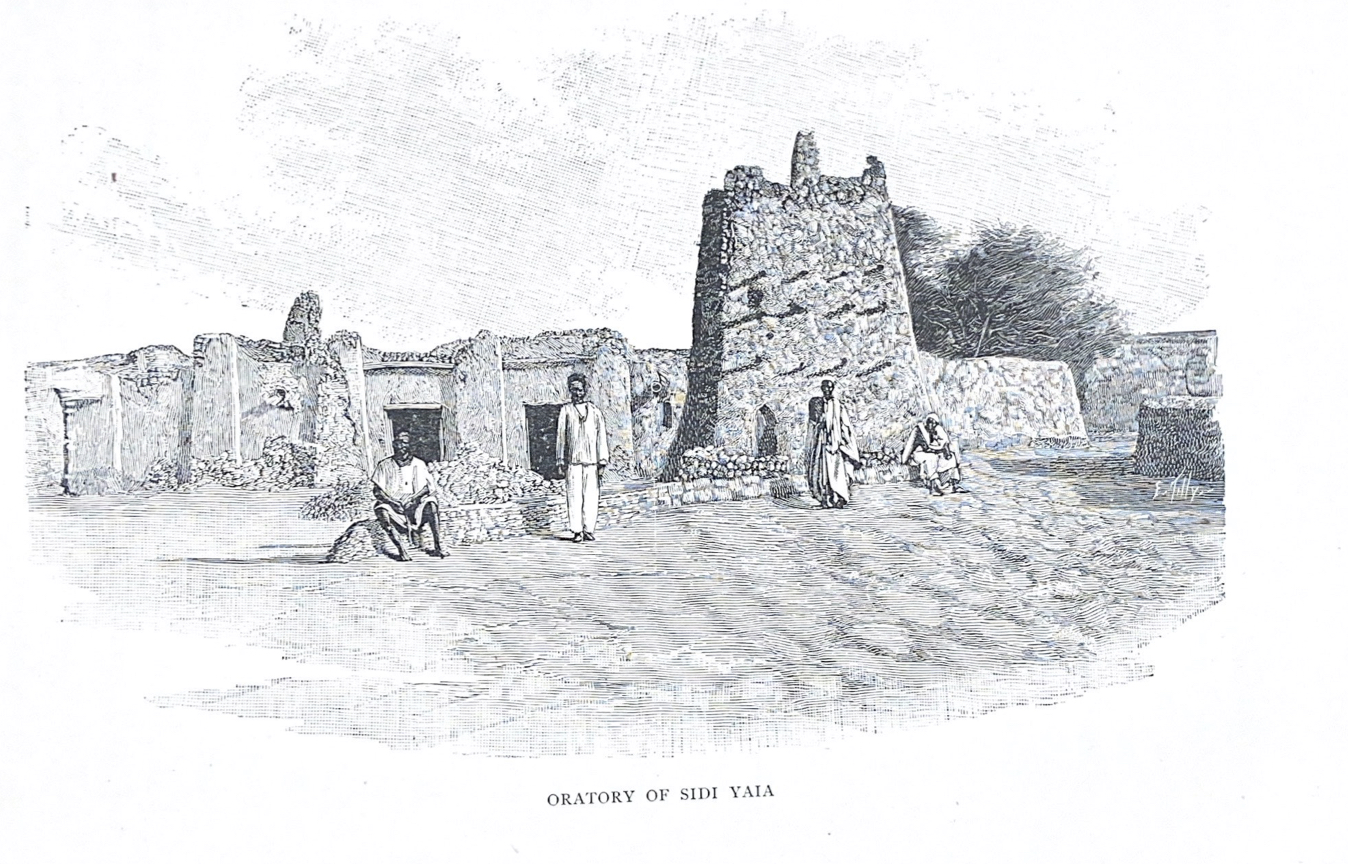
Sidi Yahya Mosque
Earthen Sudano-Sahelian mosque in Mali
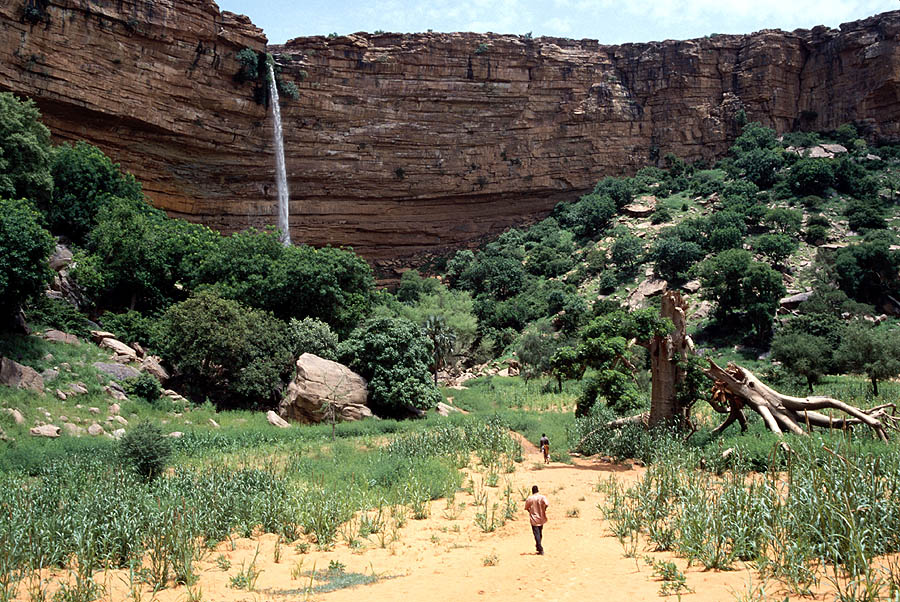
Bandiagara Escarpment
Sandstone cliff with ancient burial caves
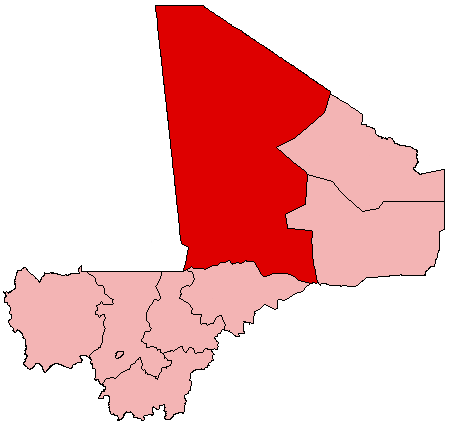
Kawinza
Ancient tumuli with pottery fragments