Explore the Map
Te Wairoa, New Zealand
-38.2126° N, 176.3646° E
About
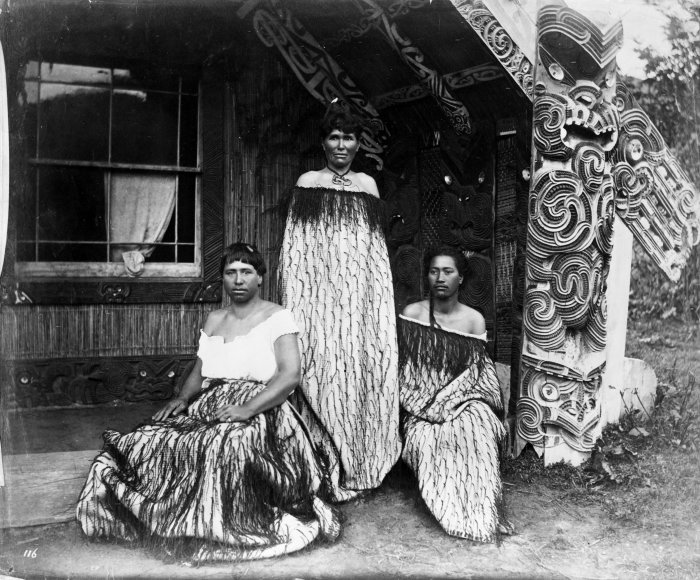
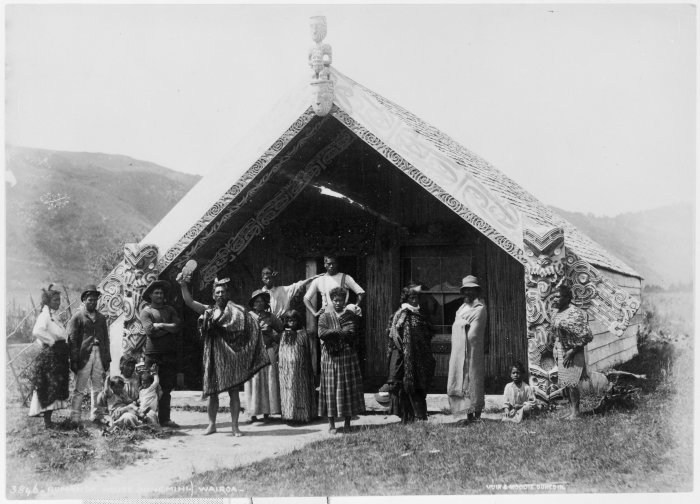
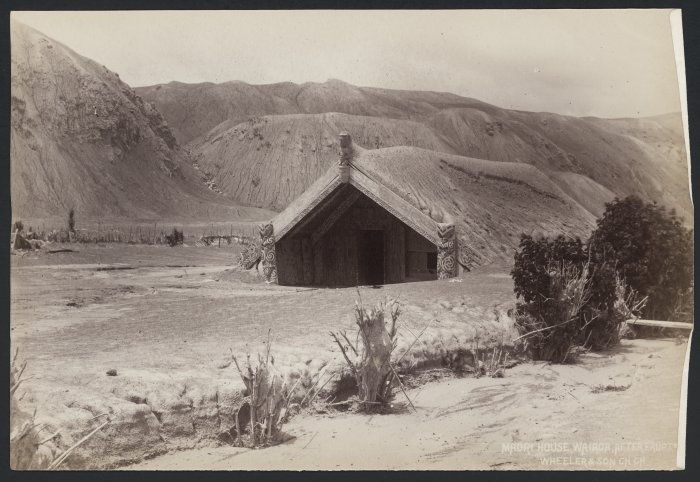
Te Wairoa was a Māori and European village located near Lake Tarawera, New Zealand, established around 1850. The settlement served as a waypoint for travelers visiting the renowned Pink and White Terraces. It was temporarily abandoned in 1865 due to the New Zealand Wars. The village was tragically buried in volcanic ash during the catastrophic eruption of Mount Tarawera on June 10, 1886, which resulted in the loss of 120 lives, many from nearby villages. The eruption and subsequent geological activity left a significant layer of ash and altered the landscape with fissures and new bodies of water. Today, the site is known as the Buried Village, an archaeological site and tourist destination showcasing the excavated village remains and the eruption's history.
Gallery
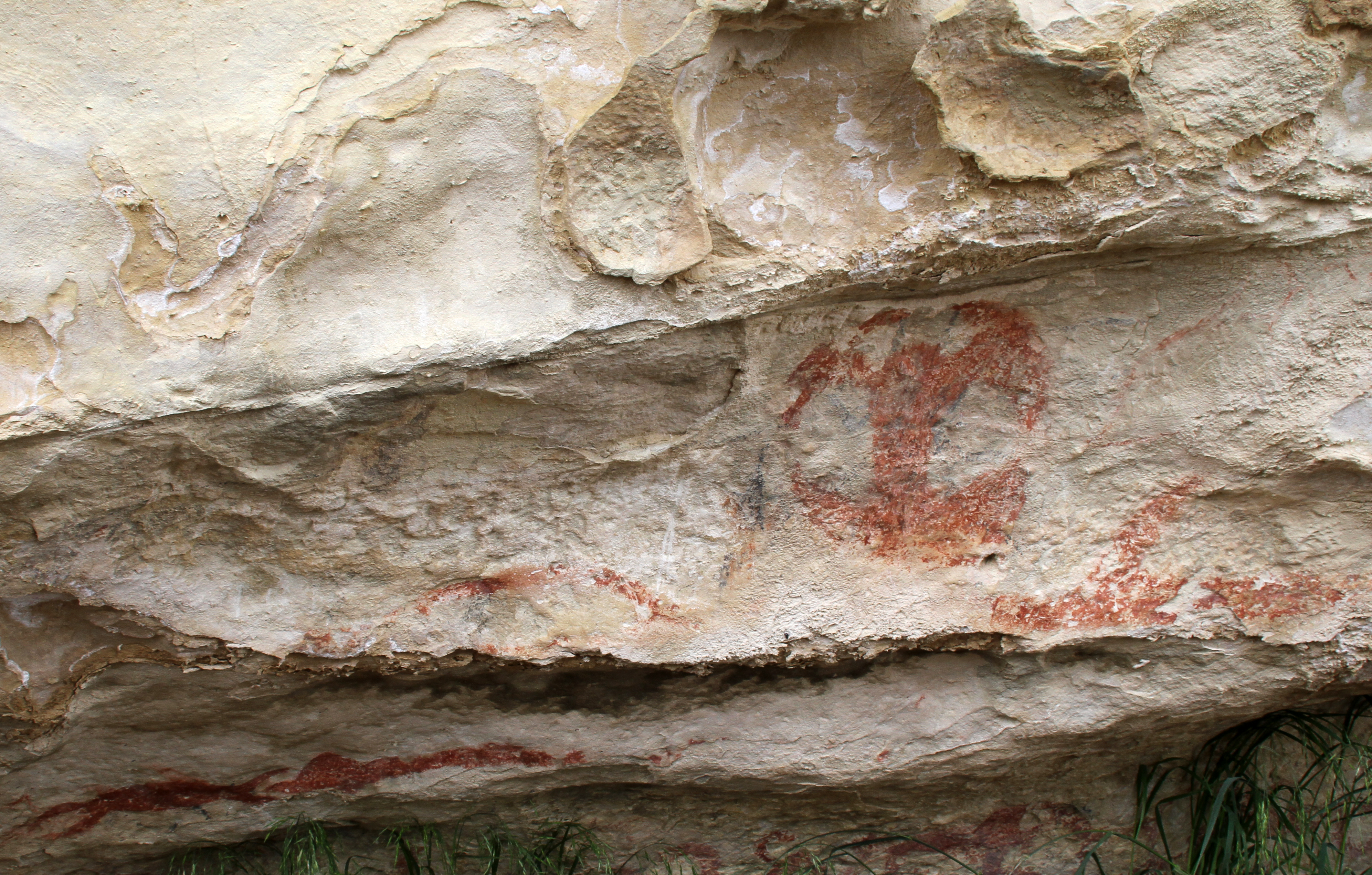
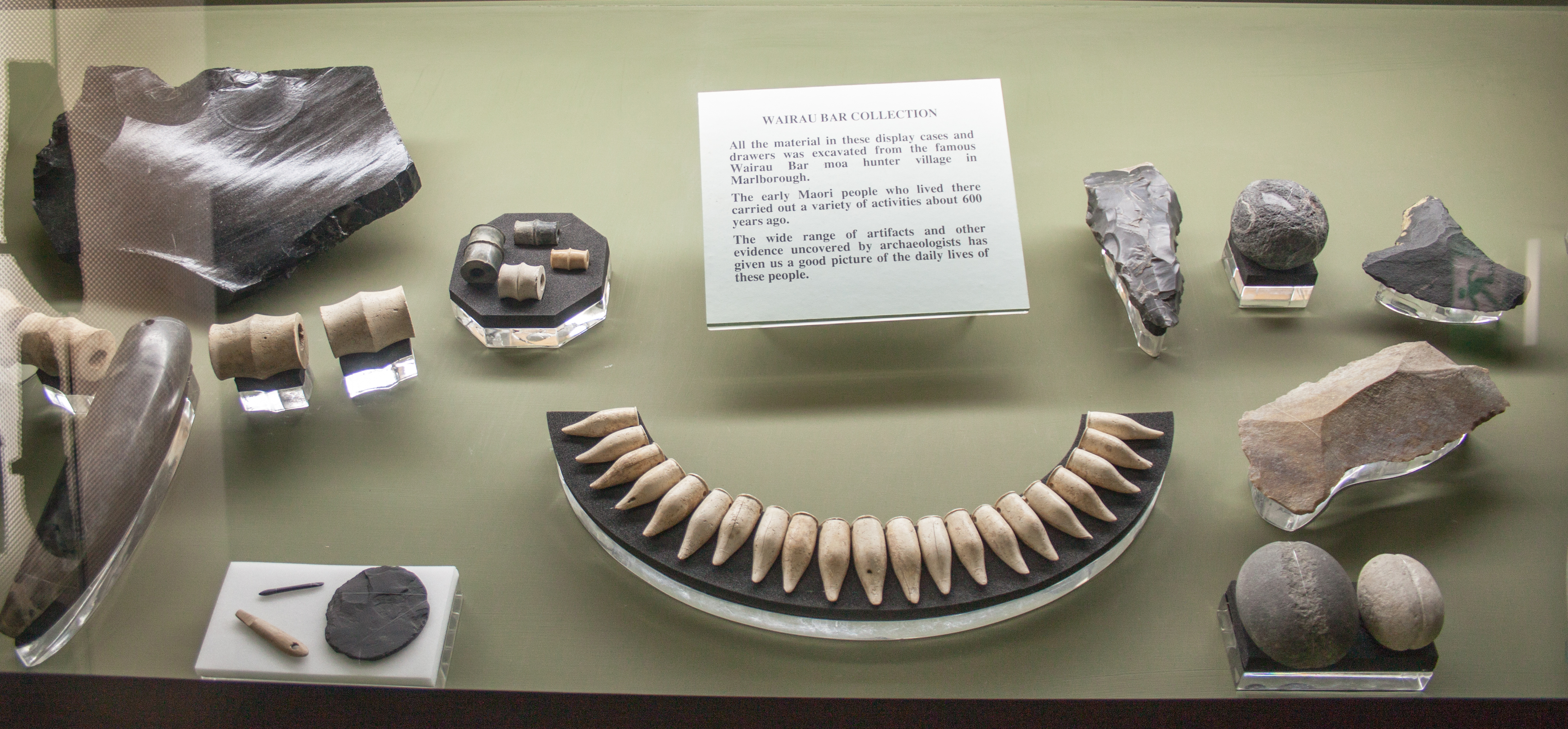
Explore photographs of ancient structures, artifacts, and archaeological excavations
Historical Timeline
Journey through time and discover key events in this site's history
1886 Eruption
10 June 1886 CE
Settlement Founded
1850 CE
Temporary Abandonment
1865 CE
Archaeological Features
Unique architectural and cultural elements found at this historical site
Burial and Funerary Structures
Religious and Ritual Structures
Domestic and Habitation Structures
Environmental and Natural Features
Frequently Asked Questions
Plan Your Visit
Tours, travel arrangements, and practical information