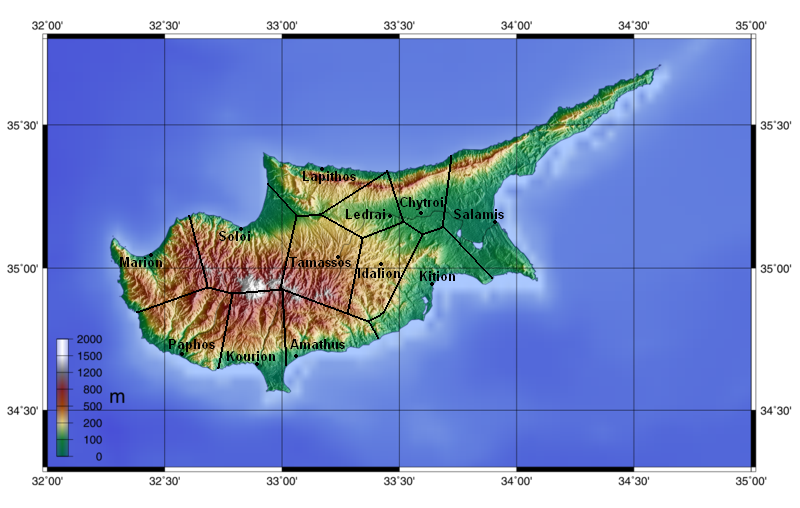
Explore the Map
Panagia Apsinthiotissa
35.2833° N, 33.3875° E
About
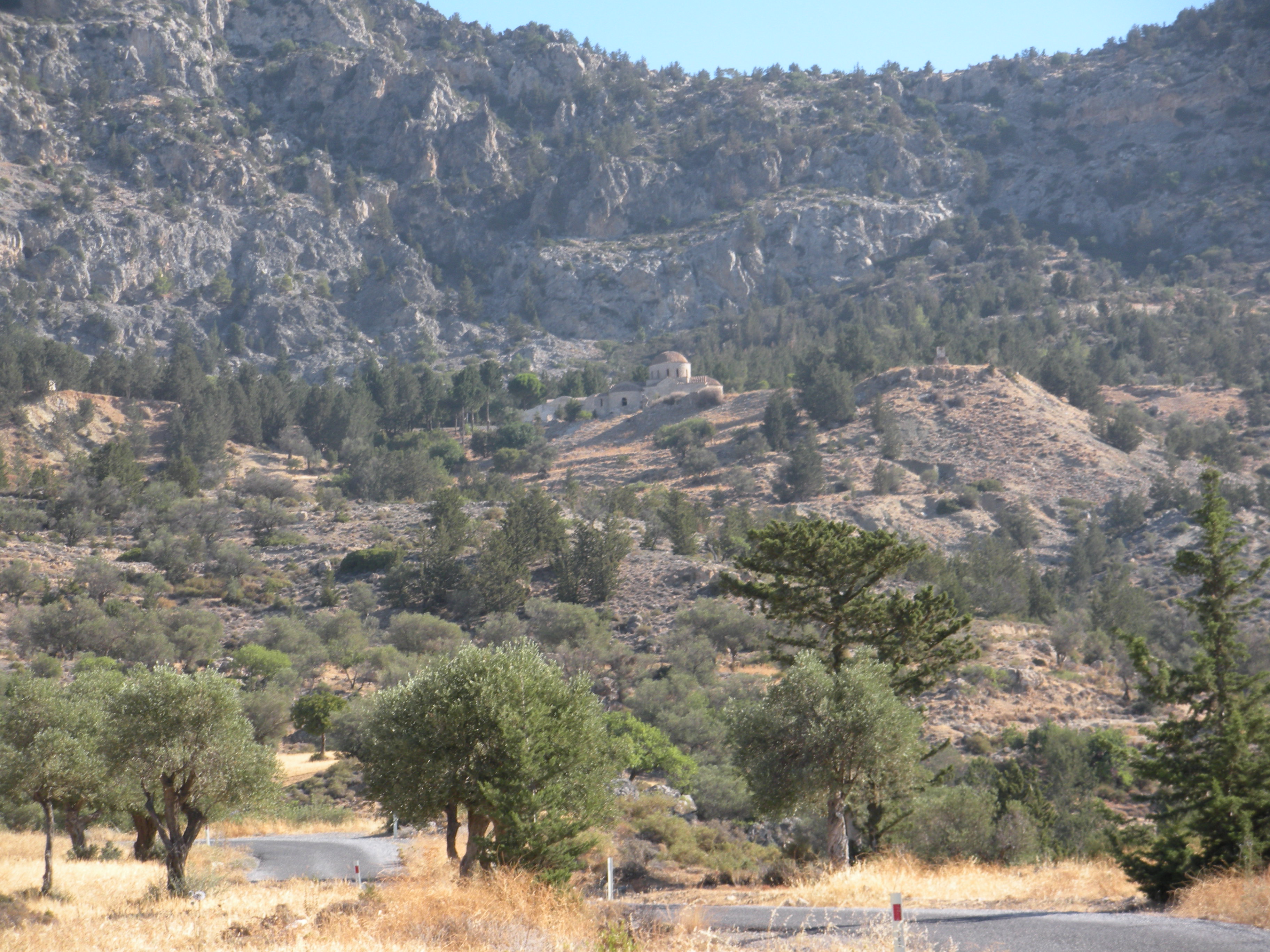
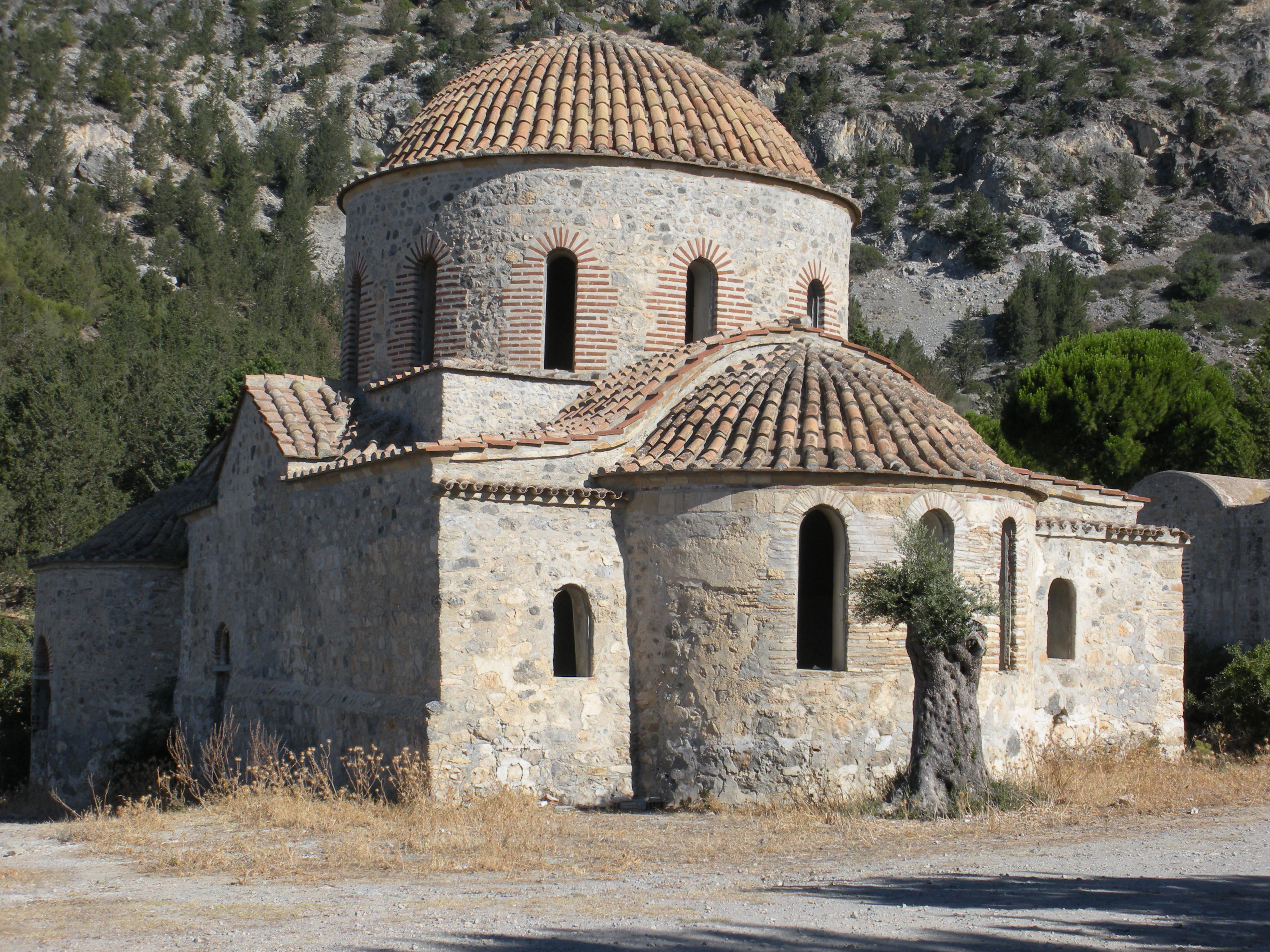
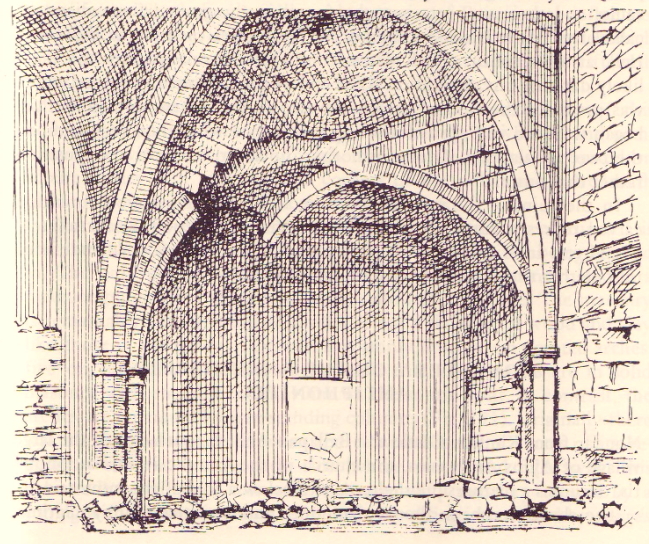
Panagia Apsinthiotissa is a historically significant Greek Orthodox monastery situated at the southern foot of the Pentadaktylos range in Cyprus. Established likely in the 11th or 12th centuries as a Byzantine imperial foundation, it became an important center of worship and pilgrimage through the Lusignan and Venetian periods. The main church, constructed in the 12th century, features a Byzantine cross-in-square plan with a high dome, while the 15th-century Gothic narthex adds a distinct architectural layer. The monastery's history reflects the complex interplay between the Byzantine, Latin, and Ottoman influences on Cyprus. After the Ottoman conquest, it came under the jurisdiction of the Orthodox Patriarch of Jerusalem. Despite its ruinous state described in the early 20th century, efforts to document and preserve it highlight its enduring cultural and religious significance.
Gallery
Explore photographs of ancient structures, artifacts, and archaeological excavations
Historical Timeline
Journey through time and discover key events in this site's history
Monastery Establishment
1100 CE - 1200 CE
Abbot Leontios Delegate
1222 CE
Gothic Narthex Construction
1400 CE - 1500 CE
Queen of Cyprus Worships
1486 CE
Ottoman Conquest
1571 CE
Archaeological Features
Unique architectural and cultural elements found at this historical site
Religious and Ritual Structures
Frequently Asked Questions
Plan Your Visit
Tours, travel arrangements, and practical information