Explore the Map
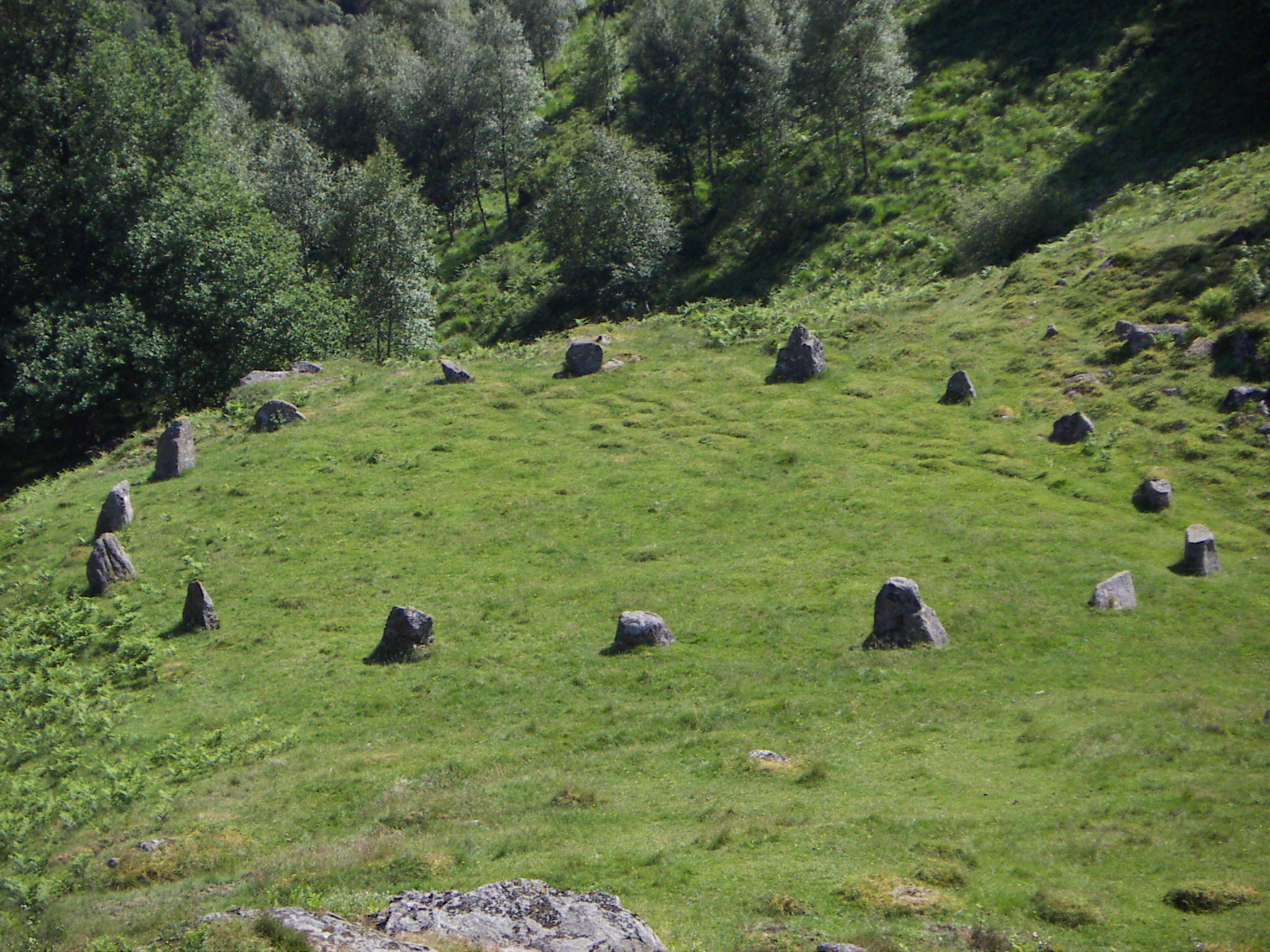
Stoplesteinan
58.4397° N, 6.0142° E
About
Stoplesteinan is an archaeological site located in Egersund, Rogaland, Norway, characterized by a stone circle made up of 16 raised stones, each up to 1.2 meters tall. This monument spans a diameter of approximately 21 meters and is reminiscent of similar stone circles found across Northern Europe and the British Isles. Such structures are typically associated with the late Bronze Age to the early Iron Age, approximately 500 BCE to 600 CE, and often serve as burial sites. The presence of a stone-paved center and traces of burnt material at Stoplesteinan support the theory of its use in burial rituals. Its alignment and form have also led to speculations about its potential function as a solar calendar. The site's location along the Pilgrim's Route between Egersund and Sokndal further emphasizes its historical significance in the region.
Gallery
Explore photographs of ancient structures, artifacts, and archaeological excavations
Historical Timeline
Journey through time and discover key events in this site's history
Possible Burial Use
500 BCE to 600 CE
Archaeological Features
Unique architectural and cultural elements found at this historical site
Burial and Funerary Structures
Religious and Ritual Structures
Frequently Asked Questions
Plan Your Visit
Tours, travel arrangements, and practical information

More Sites in Norway
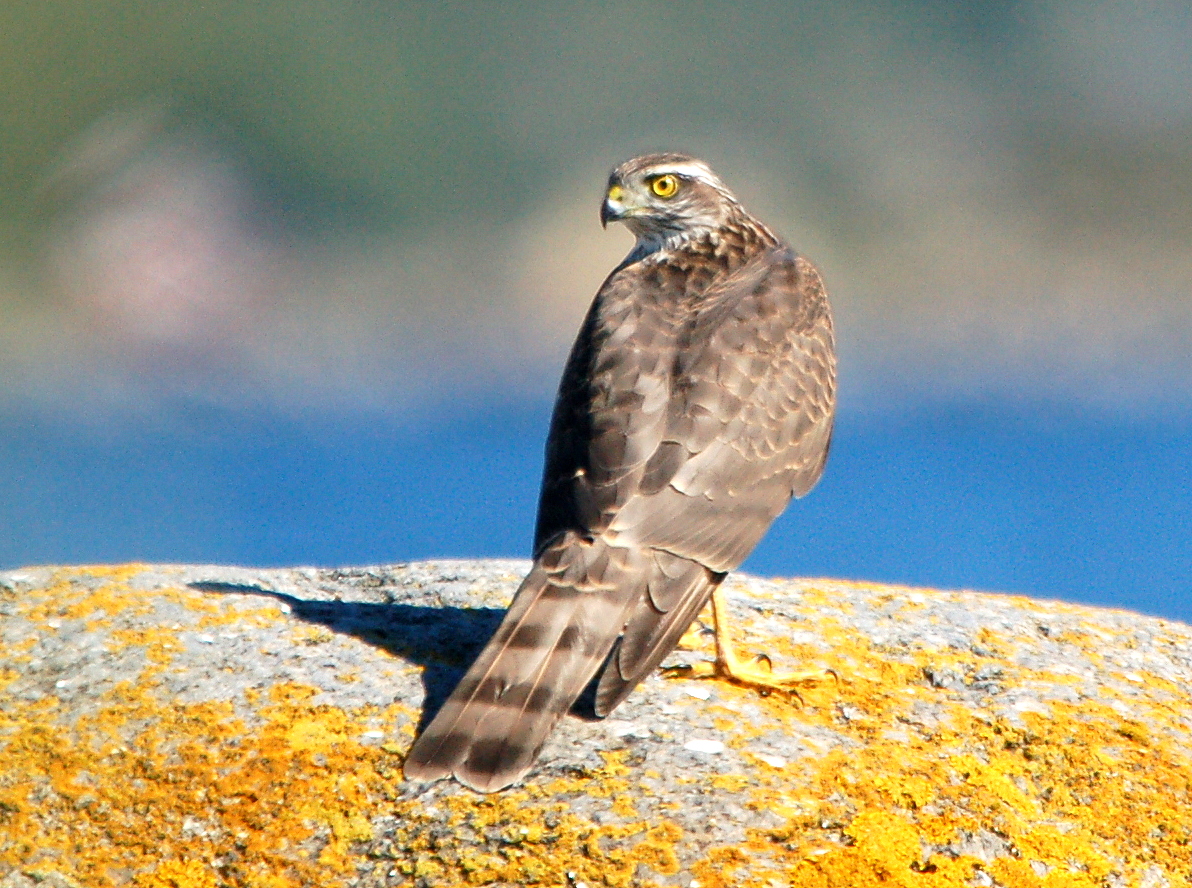
Mølen
Mølen is a coastal geopark in the Brunlanes area of Larvik Municipality in Vestfold county, Norway.
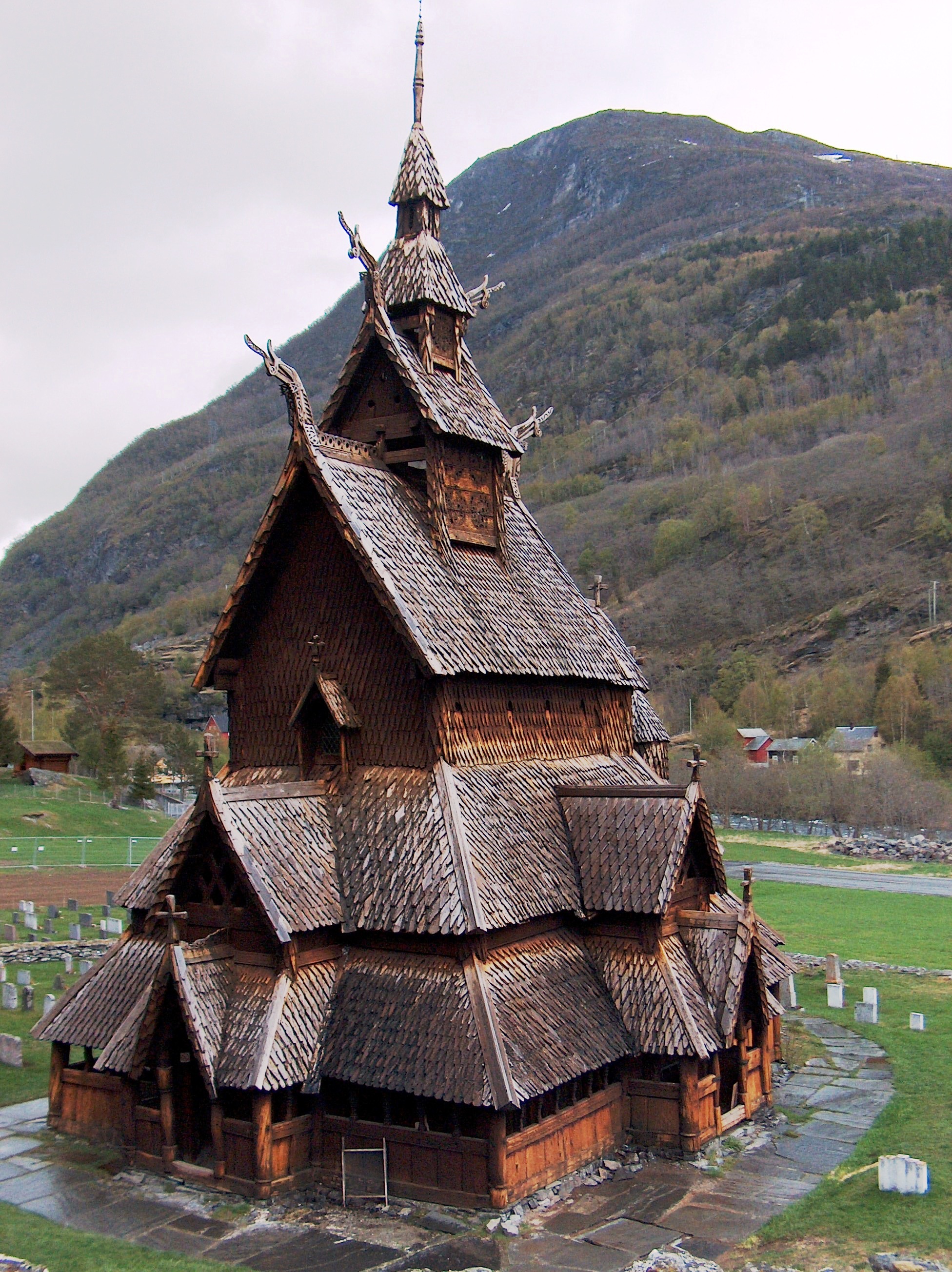
St. Margaret's Church, Oslo
Medieval stone church ruins in Oslo
Rock Art of Alta
<p>This group of petroglyphs in the Alta Fjord, near the Arctic Circle, bears the traces of a settlement dating from c. 4200 to 500 B.C. The thousands of…
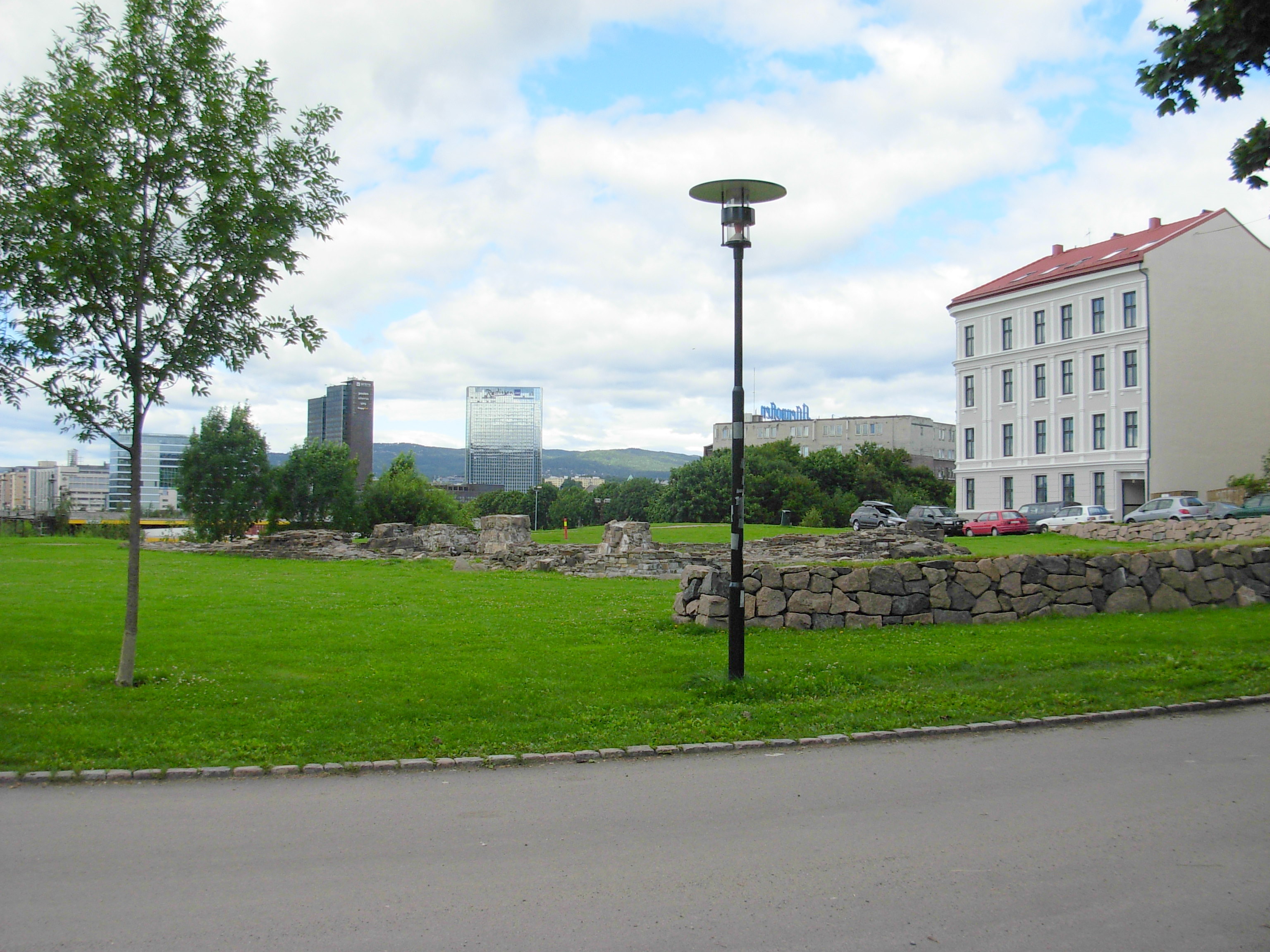
St. Clement's Church, Oslo
Ruins of medieval double-nave stone church
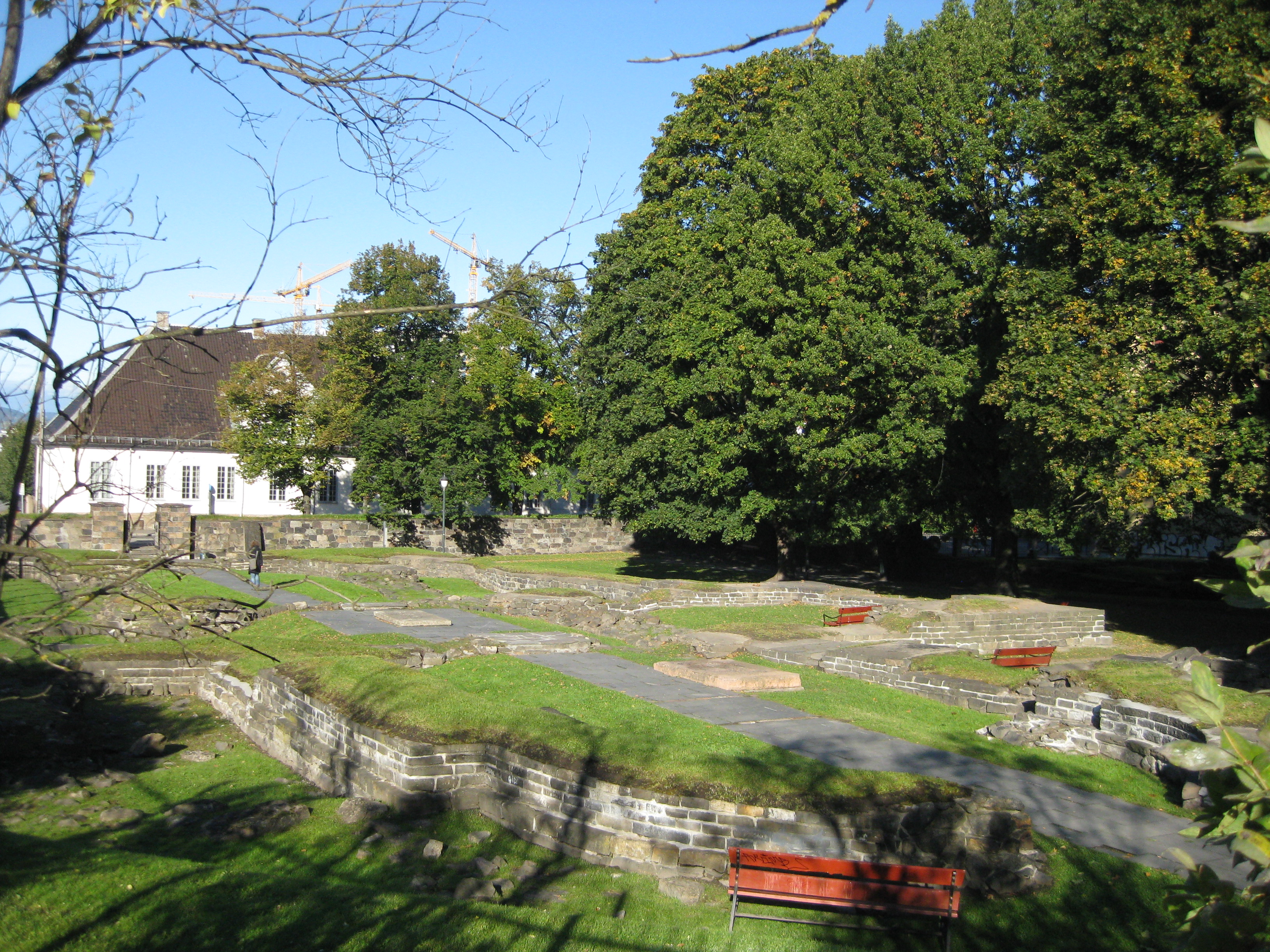
St. Hallvard's Cathedral
Early 12th-century cathedral ruins in Oslo.
Bryggen
<p>Bryggen, the old wharf of Bergen, is a reminder of the town’s importance as part of the Hanseatic League’s trading empire from the 14th to the mid-16th…