Time Periods
Paleolithic
Mesolithic
Neolithic
Chalcolithic
Bronze Age
Iron Age
Classical Period
Post-Classical Period
Early Modern Period
Industrial Period
Contemporary Period
Time Periods
Paleolithic
Mesolithic
Neolithic
Chalcolithic
Bronze Age
Iron Age
Classical Period
Post-Classical Period
Early Modern Period
Industrial Period
Contemporary Period
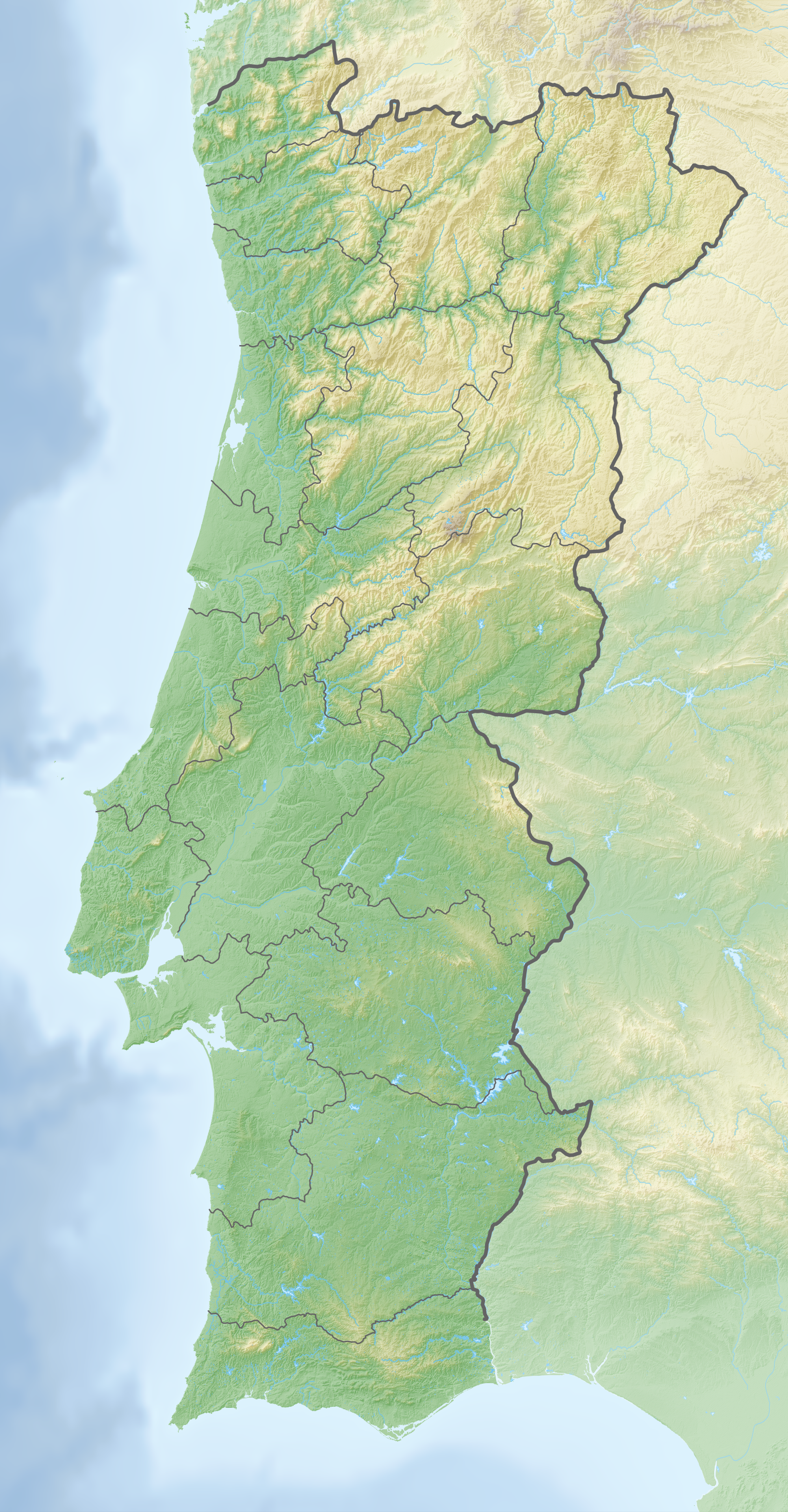
Location
About
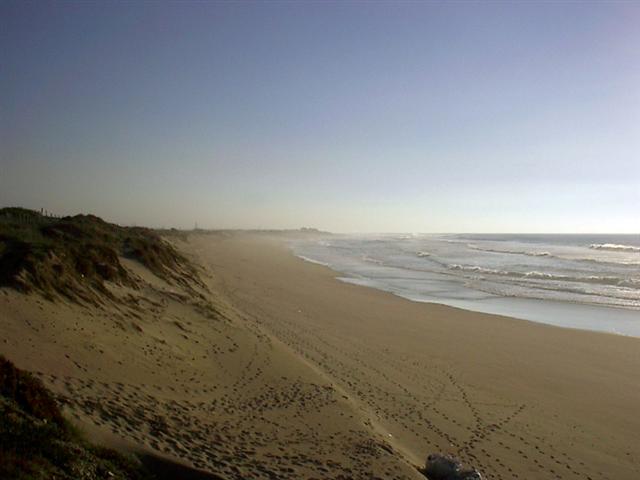
The Alto River area in Póvoa de Varzim, Portugal, is home to notable archaeological remains, particularly the ruins of a Roman villa known as Villa Mendo. Situated near the mouth of the Alto River, the site features remnants of domestic structures that were part of a once-thriving settlement during the Late Classical Period. The villa was likely abandoned around the beginning of the early years of Portugal, around the 11th century CE. The area's archaeological significance is heightened by the discovery of Castro culture artifacts, including jewels, gold, and silver, found in the vicinity. These findings suggest the presence of a rich cultural history and interactions between different periods and cultures. The site is an important testament to the Roman influence in the Iberian Peninsula and the transitions into the Early Post-Classical Period.
Gallery
Explore photographs of ancient structures, artifacts, and archaeological excavations at Alto River
Archaeological Features
Explore the unique architectural and cultural elements found at this historical site
Domestic and Habitation Structures
Historical Timeline
Journey through time and discover key events in this site's archaeological history
Plan Your Visit
Details
- Country
- Portugal
- Source
- Wikipedia
More Sites in Portugal
Roman Dam of Pego da Moura
Explore this archaeological site.
Roman ruins of Cerro da Vila
Explore this archaeological site.
Roman villa of Almoinhas
Explore this archaeological site.
Ribat of Arrifana
Explore this archaeological site.
Dolmen of Carapito I
Explore this archaeological site.
Archaeological site of Cabeço do Vouga
Explore this archaeological site.