Explore the Map
Castro of Zambujal
39.0744° N, -9.2856° E
About
The Castro of Zambujal (Portuguese: Castro do Zambujal) is a Chalcolithic age archeological site in the municipality of Torres Vedras in the western litoral area of the Centro Region, Portugal. The Zambujal Castro is one of the most important Copper Age settlements in the peninsula of Lisbon, and whose culture lasted until the beginning of the agrarian periods of Iberian history. Apart from being the most northerly discovered Copper Age site in Portugal, it went through two main building phases: an import-oriented phase and the second associated with the Beaker culture. Most of the artefacts discovered at the site are stored and displayed in the Leonel Trindade Municipal Museum, Torres Vedras.
Historical Timeline
Journey through time and discover key events in this site's history
Discovery
1932
Initial excavations
1944; 1959–1961
German-funded excavations (1964–1973)
1964–1973
New fieldwork (1994–1995)
1994–1995
First occupation
beginning of the 3rd millennium BC
Site protection purchase
2006
Import trade period
3000–1700 BC
Archaeological Features
Unique architectural and cultural elements found at this historical site
Defensive Structures
Domestic and Habitation Structures
Environmental and Natural Features
Frequently Asked Questions
Plan Your Visit
Tours, travel arrangements, and practical information
More Sites in Portugal
Roman ruins of Cerro da Vila
Roman coastal villa and baths, Algarve, Portugal
Roman villa of Quinta da Bolacha
The Roman villa of Quinta da Bolacha (Portuguese: Vila Romana de Quinta da Bolacha) is a Roman villa in the civil parish of Falagueira-Venda Nova, mun
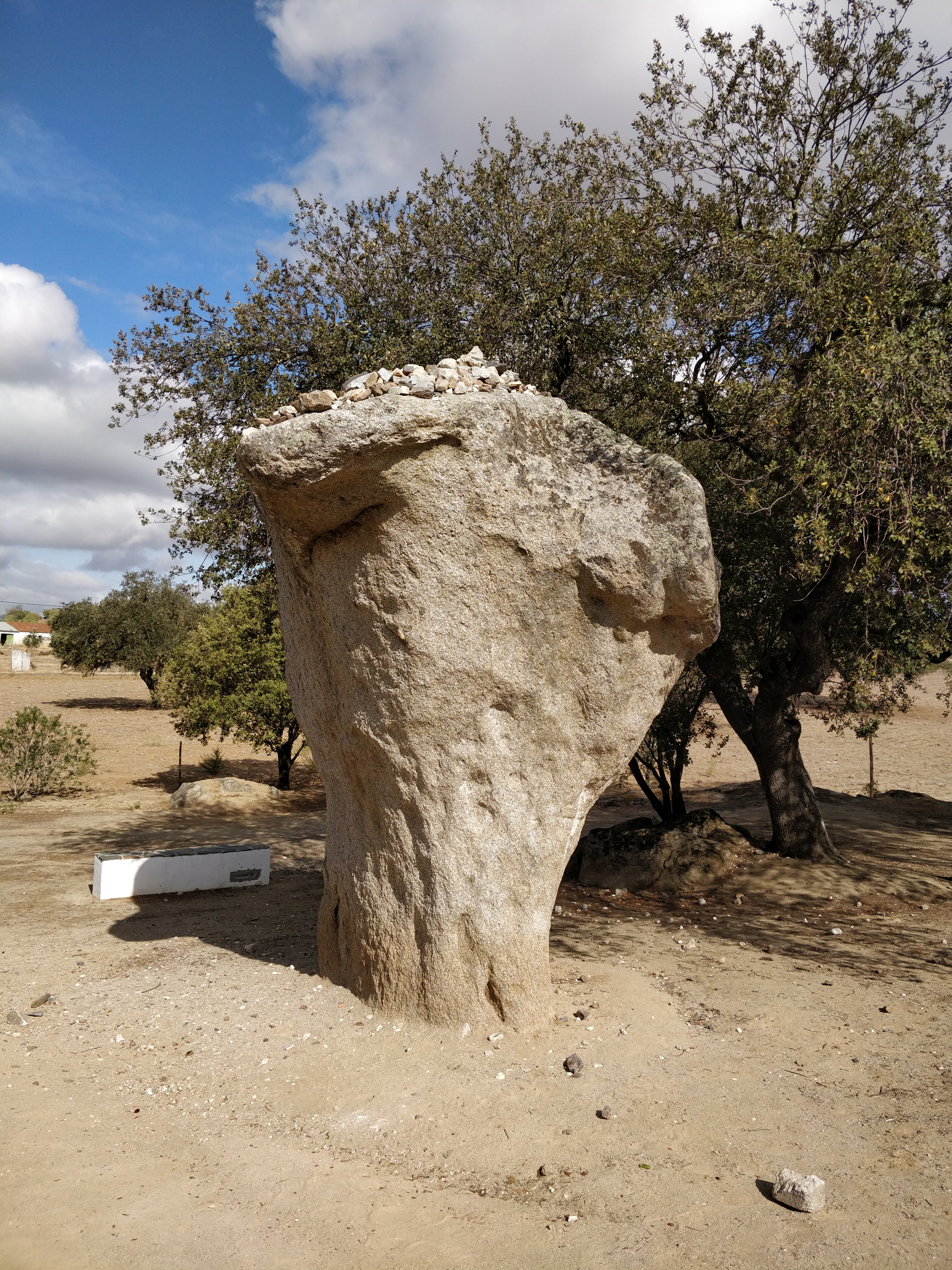
Rocha dos Namorados
Large granite stone with engravings
Roman villa of Almoinhas
Roman villa, 1st–5th century AD
Castro of Vila Nova de São Pedro
The Castro of Vila Nova de São Pedro is a Chalcolithic archaeological site in the civil parish of Vila Nova de São Pedro, municipality of Azambuja, in
Castro of Chibanes
The Castro of Chibanes is located in the Arrábida Nature Park, on the Serra do Louro (Louro Hill), in the municipality of Palmela in the Setúbal Dist